
All About Forex Trading: A Clear Guide for Nigerians
🌍 Explore forex trading basics, proven strategies, and smart risk management tips tailored for Nigerian traders ready to boost their forex skills.📈💡
Edited By
Isabella Clarke
Forex trading has become an increasingly popular investment option in Nigeria, offering individuals the chance to participate in the global currency market. If you’re new to forex, understanding the basics is essential before diving into trading with real money.
The forex market operates 24 hours a day, five days a week, where currencies are bought and sold in pairs, such as USD/NGN or EUR/USD. Prices fluctuate based on factors like economic data, geopolitical events, and market sentiment. Unlike stocks traded on the NGX, forex trading involves direct currency exchange, making it highly liquid and fast-paced.
Starting with a solid foundation, here are key terms you should get familiar with:
Pip: The smallest price movement in a currency pair, often representing 0.0001 of a unit.
Leverage: The ability to control a larger position with a smaller deposit; Nigerian brokers often offer leverage from 1:50 to 1:200.
Spread: The difference between the buy (ask) and sell (bid) price — this is often the broker’s fee.
Successful forex trading depends heavily on informed decisions, proper risk management, and understanding local market conditions like naira volatility.
In Nigeria, choosing a reputable broker is crucial. Consider platforms that offer easy Naira deposits and withdrawals, support for mobile trading apps, and clear regulatory oversight. Brokers such as FXTM, OctaFX, and some local fintech firms provide practical access for Nigerian traders.
Before opening an account, practice with demo trading to build market familiarity without risking your capital. Pay attention to the naira exchange rate as fluctuations affect your trading power and profits, especially since forex involves foreign currencies.
Preparing yourself with this knowledge will help you navigate the forex market efficiently and avoid common pitfalls. The following sections will guide you through account setup, market analysis, and strategies tailored for traders in Nigeria.
Grasping the fundamentals of forex trading sets the foundation for anyone eager to join the market confidently, especially beginners in Nigeria. Understanding basic terms, how currencies move, and the structure of the market helps you avoid common mistakes and make smarter decisions. For instance, knowing why the naira trade differently against the dollar compared to other currencies can shape your trading strategy.
The forex market is where currencies are bought and sold. It's the largest financial market globally, operating every day with trillions of dollars exchanging hands. Unlike the stock market, forex trading happens over-the-counter, meaning trades take place directly between parties via electronic networks rather than a central exchange.
Understanding this market is practical because currency values affect everyday life — from import prices to inflation. If the naira weakens against the dollar, imported goods get costlier, impacting Nigerian consumers and businesses alike.
Currencies are traded in pairs, like USD/NGN or EUR/USD. When you buy one currency, you're selling the other. This process relies on the concept of exchange rates, which fluctuate constantly due to economic data, government policies, and global events.
As a trader in Nigeria, you might monitor the Central Bank of Nigeria's (CBN) policy announcements, as they often influence the naira exchange rate. Knowing how these factors affect currency pairs helps you decide when to enter or exit trades.
Major pairs usually involve the US dollar as one side, like USD/EUR or USD/JPY. These pairs tend to have high liquidity and tighter spreads, making them ideal for beginners seeking lower transaction costs.
In Nigeria, however, pairs involving the naira (NGN) have unique characteristics, including limited liquidity and wider spreads. For example, USD/NGN is heavily influenced by local factors like oil prices and FX policy, so understanding these dynamics is crucial for effective trading.
The spot market involves immediate currency exchange at the current price, settling within two business days. This is where most retail forex trading happens.
Derivatives, like futures or options, allow traders to speculate on currency movements without owning the actual currencies. For example, a Nigerian trader might use forex futures to hedge against adverse naira swings when importing goods.
Forex trading runs 24 hours a day, five days a week, spanning different time zones—from Asia to Europe to America. For Nigerian traders, this means there’s almost always a market open, but liquidity varies.
Most activity happens during London and New York sessions, so trading during these hours often offers better prices and volatility. Watching when major markets open and close helps you plan your trades efficiently.
Banks are the biggest players in forex, often moving billions daily for their clients or own investments. Brokers act as intermediaries, giving individual traders access to the market through platforms.
As a retail trader in Nigeria, selecting a broker regulated by respected bodies, like the Securities and Exchange Commission (SEC) Nigeria or international regulators, safeguards your investment.
Traders, whether professionals or retail participants like you, drive the market prices with buying and selling decisions, creating opportunities and risks in equal measure.
Mastering these basics means you’re better equipped to understand how global events and Nigerian economic factors influence currency values, helping you trade with confidence and clarity.
Grasping key terms in forex trading is critical for anyone starting in the Nigerian market. These terms form the foundation that helps you read charts properly, understand broker communications, and make decisions that protect your investments while seizing opportunities.
Pip, spread, and lots refer to the core units in which forex price movements and transactions are measured. A pip is usually the smallest price increment in currency pairs, typically 0.0001 for most pairs like USD/NGN or EUR/USD. The spread is the difference between the buying price (ask) and selling price (bid) that brokers charge. It effectively acts as a hidden cost you pay whenever you open a trade. For example, if the spread for USD/NGN is 30 pips, the pair must move at least 30 pips in your favour to break even. Lots represent the volume or size of your trade. A standard lot equals 100,000 units of base currency, though in Nigeria, many brokers offer mini or micro lots to enable smaller investors to trade with less capital.
Leverage and margin are closely linked and often misused terms among beginners. Leverage allows you to control a large forex position with a smaller amount of your own money (margin). For instance, if a broker offers 100:1 leverage, you can trade ₦100,000 worth of currency by putting down ₦1,000 as margin. This can boost profits but also increases risk significantly. If the market moves against you beyond the margin level, your position may be liquidated. Nigerian traders must choose leverage wisely to avoid quick losses, especially given the volatility of the naira exchange rate.
Bid and ask price define the buying and selling points in the forex market. The bid price is what buyers are willing to pay for a currency pair, while the ask price is what sellers want. The difference between these two is the spread. Understanding bid and ask prices is essential because it affects when you enter or exit a trade to maximise profit or reduce loss.
A market order is the simplest and most common type of order where you buy or sell a currency pair immediately at the current market price. This order ensures quick execution, which is helpful during fast-changing market conditions like CBN policy announcements or economic reports affecting the naira.
A limit order lets you specify the price at which you want to buy or sell. Your trade will only execute if the market reaches that price. This tool helps you enter at a better rate than the current one, avoiding impulsive trades. For example, if USD/NGN is trading at ₦460 but you want to buy at ₦455, you’d place a limit buy order at ₦455.
Stop-loss and take-profit orders safeguard your trading capital and lock in profits. A stop-loss closes your position automatically when the price hits a level you specify to limit potential losses. Conversely, a take-profit order closes the trade when the target profit level is reached. For example, if you buy EUR/USD at 1.1000 expecting it to reach 1.1100, you can set a take-profit at 1.1100 and a stop-loss around 1.0950 to control risk.
Always treat these key terms as practical tools, not just definitions. They guide your moves on the trading platform and help manage risks in Nigeria’s often unpredictable forex market.
Getting started in forex trading in Nigeria demands more than just understanding market basics; it begins with setting up your trading environment correctly. This step is critical because a solid foundation can save you from many common pitfalls, such as trading with unreliable brokers or facing deposit problems. By focusing on how to choose a broker, open an account, and manage funding, you set yourself up for success in a complex market.
Trading in Nigeria requires dealing with brokers regulated by trusted authorities to protect your funds. The Securities and Exchange Commission (SEC) Nigeria oversees capital markets, including forex trading firms operating locally. Meanwhile, international brokers often hold licences from bodies like the Financial Conduct Authority (FCA) in the UK or the Cyprus Securities and Exchange Commission (CySEC). Choosing a broker with a valid licence helps ensure they meet operational standards and safeguards against fraud.
Local brokers bring the advantage of direct compliance with Nigerian regulations and easier naira transactions. For instance, brokers regulated by SEC Nigeria or the Nigerian Investment Promotion Commission understand local market nuances and may tailor services to Nigerian traders' needs. On the other hand, international brokers generally offer more diverse trading instruments, larger liquidity pools, and advanced platforms but might require funding through foreign currency, which can raise costs due to forex rates.
The trading platform’s usability significantly affects your experience. Popular platforms like MetaTrader 4 (MT4) and MetaTrader 5 (MT5) support automated trading, custom indicators, and mobile access. Some brokers also offer proprietary platforms that integrate with Nigerian payment methods. Transaction costs include spreads, commissions, and swap fees; it is wise to compare these fees since they directly impact profitability, especially if you plan to trade frequently.
Brokers usually offer several account types, tailored for different trader profiles. Beginner-friendly accounts often come with lower minimum deposits, limited leverage, and simplified features. For example, a micro account with a ₦10,000 minimum deposit and fixed spreads enables new traders to start with minimal risk. Some accounts also offer demo versions, which you should use to build confidence before committing real funds.
Funding your account smoothly is important. Many brokers now accept naira deposits through local banks, USSD codes, or popular payment platforms like Paystack and Flutterwave. This convenience avoids the hassle and fees linked to currency conversion when funding in dollars or euros. Always double-check transaction times and charges with your chosen broker to avoid surprise delays or deductions.
KYC (Know Your Customer) processes require verification using your Bank Verification Number (BVN) and National Identification Number (NIN). This enhances security and complies with anti-money laundering laws in Nigeria. Verification may take some days but is necessary for withdrawal and regulatory compliance. Prepare your BVN and NIN documents before account registration; this saves time and ensures uninterrupted trading access.
Opening a forex account with a regulated broker, verifying your identity properly, and funding in naira can make your trading startup hassle-free and secure. These steps build trust and minimise operational risks.
Setting up to trade forex properly in Nigeria means having a well-chosen broker, knowing your account options, funding smartly, and fulfilling local regulations. These practical moves protect your investment and sharpen your trading focus from day one.
Forex market analysis is essential for traders looking to make informed decisions rather than relying on guesswork. Understanding different approaches helps you navigate the complex movements of currency pairs, especially when factors like global economic shifts and local Nigerian conditions intersect.
Fundamental analysis involves examining economic indicators such as GDP growth rates, inflation figures, employment data, and trade balances. For example, if Nigeria's inflation rate climbs unexpectedly, it could weaken the naira against major currencies since higher inflation generally reduces purchasing power. Traders who track these numbers can anticipate currency value shifts before they happen.
The policies implemented by the Central Bank of Nigeria (CBN) have a direct impact on naira performance. When the CBN adjusts interest rates or intervenes in the forex market, it influences liquidity and demand. For instance, if the CBN raises monetary policy rates, it may strengthen the naira by attracting foreign capital seeking higher returns. Conversely, heavy intervention to defend the naira’s value might signal underlying economic stress, which traders should note.
News and events—both domestic and international—play a huge role in shaping forex moves. Political developments, elections, oil price changes, and global trade tensions affect Nigerian forex markets. For example, a sudden drop in global crude oil prices usually weakens the naira due to Nigeria's heavy dependence on oil exports. Staying updated on such news allows traders to adjust positions quickly to protect gains or avoid losses.
Technical analysis is about reading charts and patterns to predict price movements based on historical data. Patterns like head and shoulders, triangles, or double bottoms can reveal market sentiment and possible reversals. Nigerian traders, especially those using platforms like MetaTrader, often use candlestick charts to spot entry and exit points.
Common tools like moving averages, Relative Strength Index (RSI), and Bollinger Bands assist traders by highlighting trend strength or potential overbought and oversold levels. These indicators can be applied directly on mobile platforms, making it easier for Nigerian traders to analyse price action even on the go.
Mobile platforms now support complex technical analysis with touchscreen-friendly charts and real-time data, fitting perfectly into Nigeria’s fast-paced lifestyle where many traders rely on smartphones. Apps from brokers like OPay or Kuda offer such functionalities, ensuring traders don’t miss critical market movements.
A hybrid strategy, blending fundamental and technical analysis, offers a more balanced view. While fundamentals identify the "why" behind market directions, technical tools help with the "when" to enter or exit trades. This combination improves trading accuracy and risk management.
For instance, a Nigerian trader noticing a likely naira depreciation due to CBN policy changes might use technical analysis to time an exit or entry point effectively. Similarly, when international news signals volatility, technical patterns can confirm if the move is strong enough to act upon immediately. Such integration suits Nigeria’s unique market, where economic policies and external shocks often move the forex scene in unexpected ways.
Successful forex trading in Nigeria requires understanding both the economic backdrop and market psychology. Balancing these through sound analysis helps you trade smarter, not harder.
Risk management and discipline are pillars of successful forex trading, especially for beginners navigating the Nigerian market. Without proper controls, you might quickly lose your capital in volatile naira exchanges or during unexpected market swings. By mastering practical techniques for managing risk and developing self-discipline, you protect your investment and set yourself up for steady growth.
Setting stop-loss levels is about deciding in advance how much loss you can tolerate on a trade before exiting automatically. Nigerian traders often face sharp market movements due to external factors like CBN policy changes or global oil price shocks. A well-placed stop-loss limits damage by closing your position once losses reach a predefined threshold. For example, if you buy USD/NGN at ₦460 and set a stop-loss at ₦455, your loss is capped at ₦5 per dollar, preventing a bigger hit during sudden naira weakness.
Position sizing and leverage control let you manage how much of your capital is at risk on any trade. Using too much leverage or allocating a large portion of your account to one position can magnify gains but also losses. Nigerian brokers typically offer leverage up to 50:1, but beginners should use lower ratios, say 10:1 or 20:1, and size positions so losing trades don’t drain their accounts. If you have ₦100,000, risking just 2% (₦2,000) on a trade helps preserve your capital over the long run.
Avoiding common pitfalls like overtrading is key to protecting your sanity and wallet. The temptation to constantly enter trades due to boredom or chasing quick profits leads to slippage and emotional mistakes. Stick to your analysis and trading plan to prevent reckless decisions. Nigerian traders experience this especially during volatile market days or ember months when market noise is high. Taking breaks and avoiding impulsive trades reduces overall risk.
Creating and following a trading plan means having clear rules for entry, exit, and risk tolerances before placing each trade. Nigerian beginners often neglect this step, leading to inconsistent results. A solid plan considers typical naira fluctuations, economic forecasts, and your personal risk appetite. Writing down daily goals and sticking to set strategies helps build confidence and reduces emotional trading.
Keeping records and reviewing trades is a powerful way to improve your skills. Detailed logs of your trades — including reasons for entry, exit, profits, or losses — reveal patterns you can learn from. Nigerian traders often overlook this, but reviewing your history can uncover weaknesses like poor timing during CBN announcements or overexposure to volatile pairs.
Handling emotions in volatile markets is essential because trading stirs feelings of fear and greed. Naira’s volatility, especially during fuel subsidy debates or political uncertainty, tests the nerves of even experienced traders. Techniques like mindfulness, pausing before executing trades, and accepting losses as part of the process help maintain rational decisions. Remember, emotional control preserves capital as much as any technical strategy.
Successful forex trading in Nigeria depends not just on knowledge but on managing risks and staying disciplined. Applying these practical tips helps you trade smarter and avoid common traps in the local market environment.
By combining measured risk management with strong discipline, you increase your chances of turning trading into a reliable income source rather than a gamble.
🌍 Explore forex trading basics, proven strategies, and smart risk management tips tailored for Nigerian traders ready to boost their forex skills.📈💡
Explore forex trading in Nigeria 🇳🇬 with practical insights on market basics, strategies, risks, and tips for both new and experienced traders 💹📊
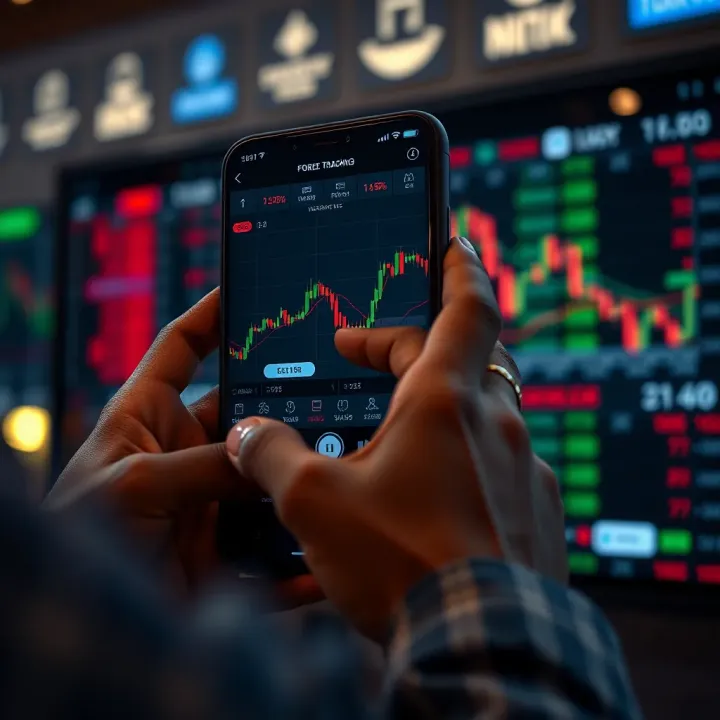
Looking to pick the best forex trading app in Nigeria? 📱 Learn what to watch for, explore top picks, and get tips to trade safely and smartly. 💹
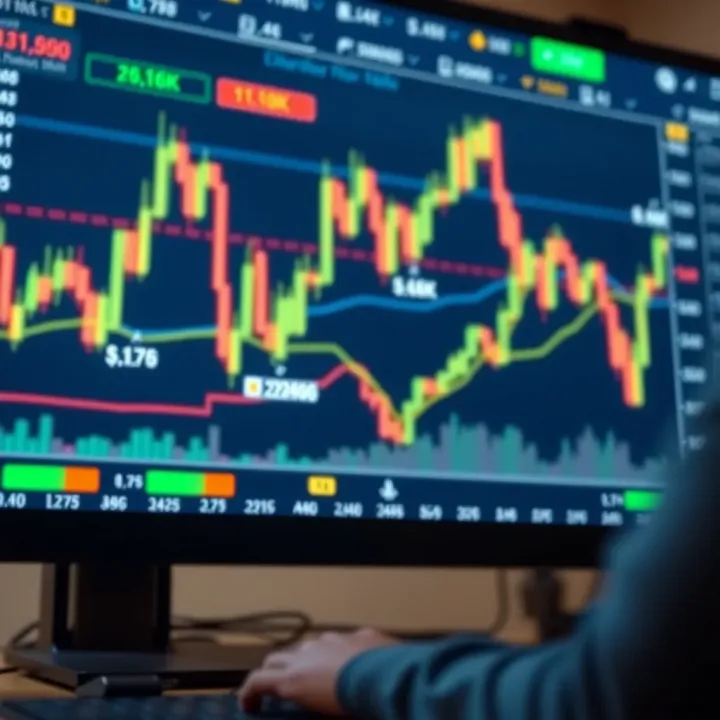
📈 Start your forex trading journey in Nigeria with this practical guide! Learn market basics, strategies, risk tips, and boost your trading confidence today.
Based on 9 reviews