
Understanding Binary Fission with Examples
Explore binary fission 🍃: understand its process, key role in population growth, and real examples in organisms common to Nigeria’s environment. 🧬
Edited By
Chloe Harrison
Binary fission is one of those basic life processes that quietly keeps ecosystems ticking, yet many don't notice its role beyond textbooks. It’s a straightforward type of asexual reproduction where a single cell splits into two identical cells. You can think of it like a simple copy-and-paste at the cellular level — no fancy mix of genetic material, just pure clone-making.
This method isn't just a biological curiosity; it plays a major role in nature, especially in environments like those in Nigeria, where microorganisms are crucial to soil health, water quality, and even disease spread. Understanding common examples of binary fission offers insight into how quickly populations like bacteria can grow, which has real-world implications for food safety, agriculture, and medicine.
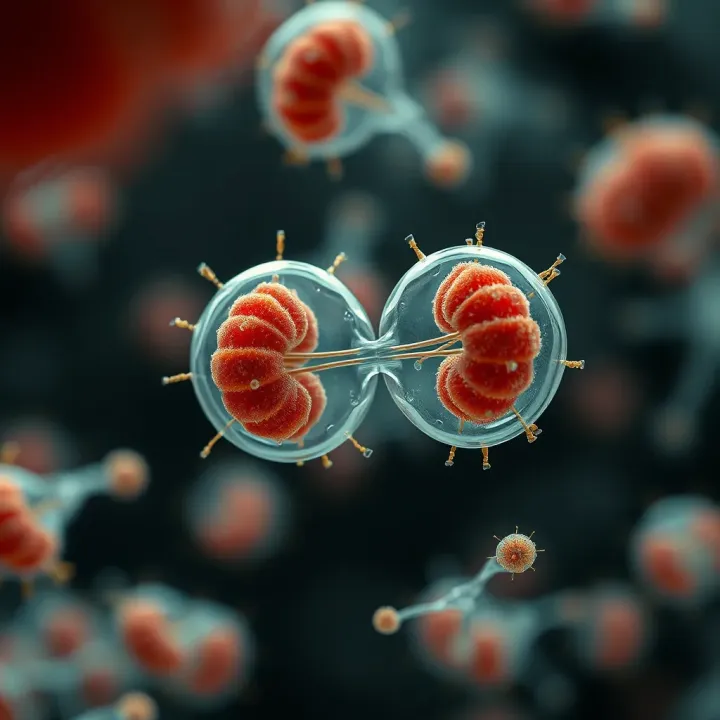
In this article, we’ll walk through real-life instances of binary fission across different types of organisms—from bacteria to protists to some unicellular algae. We’ll break down how this process works step-by-step and highlight why it matters to Nigeria’s ecosystem and beyond. Plus, we’ll throw in some clear comparisons with other reproduction types to show what makes binary fission stand out.
By the end, readers—especially those interested in biology’s practical side, like researchers, environmentalists, or healthcare professionals—should have a solid grasp of why this 'simple' process is actually a powerhouse in nature.
Understanding binary fission is key to grasping how many organisms reproduce efficiently and quickly. This knowledge goes beyond pure biology and connects to practical realities, like how bacterial infections spread or how algae blooms take over water bodies. For anyone interested in biology or environmental science, especially in Nigeria where waterborne diseases and microbial growth are common concerns, knowing the nuts and bolts of binary fission helps connect these phenomena to everyday life.
By examining binary fission, we get clear insight into a natural process that keeps microbial populations thriving—sometimes to a fault. It’s particularly relevant for traders and investors in biotech or pharmaceutical sectors, as controlling or utilizing these natural growth mechanisms can impact product development or disease control strategies.
Binary fission is a straightforward asexual reproductive process where one organism splits into two identical offspring. Unlike sexual reproduction, which mixes genetic material from two parents, binary fission produces clones—carbon copies of the parent cell. This simplicity allows for rapid population growth but limits genetic diversity.
In contrast to budding or multiple fission, binary fission involves one cell simply splitting into two, not forming small buds or multiple offspring at once. This method is energy-efficient, making it ideal for unicellular organisms needing fast reproduction without the fuss of complex mating behaviors.
For unicellular organisms like bacteria or protists, binary fission is the bread and butter of survival. It’s their way of staying alive and kicking, particularly when conditions are favorable. Rapid reproduction gives them an edge to colonize new environments quickly, outcompete other microbes, or sometimes overwhelm host organisms in case of pathogens.
For instance, species like Escherichia coli in the gut rely on binary fission to maintain numbers and aid digestion. But the same process is why infections can flare up suddenly, emphasizing the need to understand and potentially control this reproductive mechanism.
The first step is copying the organism’s DNA so both new cells get a complete set. It’s a precise process where the cell duplicates its genetic code before splitting. Imagine it as photocopying a recipe – the accuracy must be high to ensure the new cells function properly.
This stage is crucial because any errors can lead to mutations, which might cause problems or sometimes give rise to new traits. For microbiologists, understanding replication fidelity during binary fission helps explain how certain strains develop antibiotic resistance.
Once DNA is copied, the cell starts pulling in its membrane and wall, creating a dividing wall internally. In bacteria, this involves complex shifts in the cell wall’s structure. The membrane pinches inward until the cell effectively becomes two.
This step ensures the offspring are physically separated and ready to live independently. It’s like dividing a room with a wall so two different families can live without crossing paths.
Finally, the process wraps up when the division is complete, and two daughter cells are formed. Each is a clone of the original, carrying identical genetic information and capable of repeating this process themselves.
This step highlights the cycle’s repeatability—one cell becomes two, then four, then eight, growing populations exponentially under the right conditions. It’s why bacterial populations can skyrocket seemingly overnight, with major implications for public health, agriculture, and industry.
Binary fission isn’t just a biological curiosity; it's a powerful force shaping ecosystems, disease dynamics, and biotechnological advances.
In short, understanding the core elements of binary fission offers practical awareness useful for anyone dealing with microbiological growth, infections, or ecological management in Nigeria's diverse environments.
Bacteria rely heavily on binary fission to reproduce and multiply, making this process fundamental to their survival and spread. This method of asexual reproduction allows bacteria to quickly increase their numbers, a key factor that traders in biotechnology or pharmaceutical fields should understand when dealing with bacterial cultures or infections. By doubling their population in short periods, bacteria like Escherichia coli can rapidly colonize various environments, including the human gut, soil, and water. This rapid multiplication presents both opportunities in biotechnology and challenges in healthcare, especially in managing bacterial infections.
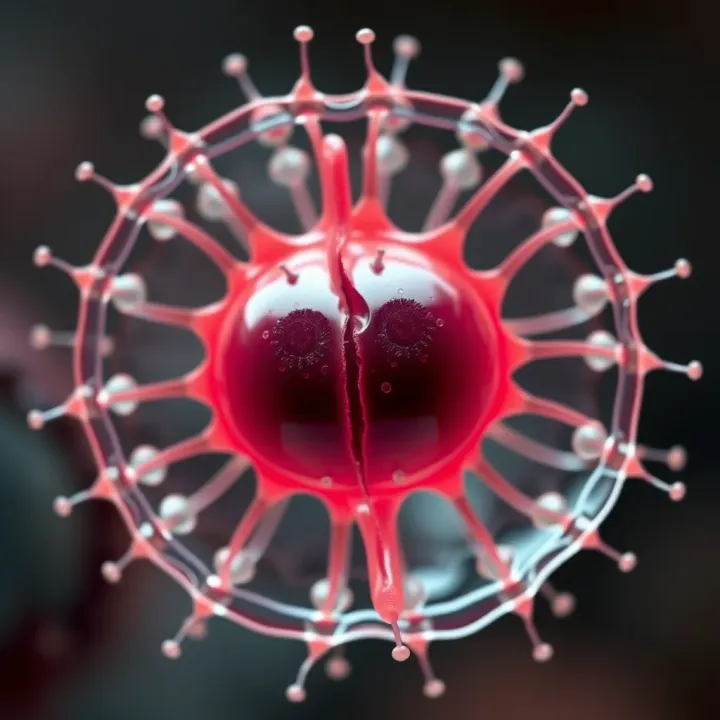
Escherichia coli (E. coli) is one of the most studied bacteria using binary fission. It lives in the intestines of humans and animals and reproduces very fast under ideal conditions, dividing every 20 minutes or so. For investors and healthcare professionals, knowing about E. coli's reproduction speeds can assist in managing outbreaks of food poisoning or urinary tract infections, where a single contaminated source can become a major health risk in a short span.
Staphylococcus aureus is another important bacterium that reproduces by binary fission. It often inhabits the skin and nasal passages and can cause serious infections if it enters the body through cuts or wounds. Its ability to quickly reproduce helps it spread in hospitals and communities, which is why infection control measures take its binary fission process seriously to prevent healthcare-associated infections.
Unlike some pathogens, Bacillus subtilis is a friendly bacterium found in soil and used in agriculture to promote plant growth. Its replication through binary fission helps maintain healthy microbial populations in the soil. For investors in agricultural biotech, understanding how Bacillus subtilis multiplies aids in developing sustainable fertilizers and biopesticides.
The main advantage of binary fission for bacteria is the speed at which they multiply. In some cases, a bacterial cell can split into two every 20 to 30 minutes, allowing the population to grow exponentially. This rapid multiplication means that even a tiny number of bacteria can explode into millions overnight, which is crucial knowledge for analysts tracking infection trends or investors developing antibacterial products.
Binary fission not only helps bacteria grow but also speeds up the spread of traits like antibiotic resistance. When bacteria divide, they can quickly pass on resistance genes, making infections harder to treat. This impact is significant in Nigeria, where antibiotic misuse is common, leading to resistant strains of bacteria like MRSA (Methicillin-resistant Staphylococcus aureus). For traders and healthcare professionals, this highlights the need for vigilant antibiotic stewardship and investment in research for new treatments.
Understanding the pace and consequences of bacterial binary fission can offer critical insights for both managing bacterial growth in industries and combating infectious diseases more effectively.
Protists, a diverse group of single-celled organisms, rely heavily on binary fission for reproduction. This simple method allows them to multiply quickly without needing a mate, which can be a real advantage when conditions shift unexpectedly. For those interested in biology and ecosystems, especially within Nigerian environments where protists flourish in freshwater bodies and soil, understanding their reproduction gives insight into how populations maintain themselves and adapt.
Amoeba: Amoebae are well-known protists that utilize binary fission to reproduce. Their irregular, blob-like shapes move by extending parts of their cell called pseudopods. When reproducing, an amoeba duplicates its nucleus and slowly divides into two new cells, each a mirror image of the original. This process enables amoebae to rapidly increase their numbers, which is essential for survival in changing conditions, like fluctuating water availability. For instance, in stagnant ponds around Lagos, amoebae populations swell quickly when nutrients become abundant.
Paramecium: Unlike the amoeba, Paramecium is covered with tiny hair-like structures called cilia, which help in movement and feeding. Binary fission in Paramecium involves a bit more complexity, as the organism ensures both its macronucleus and micronucleus divide correctly before splitting. This guarantees that the genetic material is passed accurately, producing two viable daughter cells. Paramecia play a crucial role in aquatic ecosystems, especially in Nigerian freshwater habitats, as they feed on bacteria and help maintain microbial balance.
Adaptation to changing environments: Protists often live in environments that are anything but stable. Binary fission allows them to react swiftly to these fluctuations. Since this reproductive method is so quick and efficient, protists can boost their numbers before resources dwindle or predators increase. This rapid response acts like a biological 'quick fix,' enabling populations to survive sudden environmental challenges.
Population maintenance: Maintaining a stable population size is vital for protists to continue their role in ecosystems. Through binary fission, protists can ensure steady growth or stability without the complicated requirements of sexual reproduction or spore formation. This is especially important in areas like Nigerian rivers, where protist populations support food webs by serving as food for small aquatic animals. By duplicating reliably through binary fission, protists keep their numbers in check and sustain these complex ecological networks.
In short, binary fission in protists is an elegant solution nature employs to keep these tiny but important organisms thriving, adapting, and supporting larger environmental systems efficiently.
With this understanding, traders and analysts interested in biotech sectors or environmental impacts might spot early signs of ecosystem health or contamination by observing protist populations, which often reflect water quality and nutrient cycles.
Binary fission plays a key role in the life cycles of some unicellular algae, allowing these organisms to multiply quickly and adapt in their aquatic environments. For traders and investors interested in natural products or bio-based industries in Nigeria, understanding this reproductive strategy is practical. Algae populations contribute significantly to local ecosystems and have potential for biomass production, making their growth patterns via binary fission relevant for sustainable ventures.
Chlamydomonas is a genus of green algae known for its simple, motile cells that use flagella to move. These algae reproduce primarily through binary fission, splitting their single cells into two identical daughter cells. This process ensures rapid population growth during favorable conditions, such as ample sunlight and nutrients. For finance professionals eyeing biofuel projects or sustainability sectors, Chlamydomonas serves as a model organism in research due to its manageable growth and genetic traits.
Diatoms are another major group of algae that rely on binary fission for reproduction. These microscopic algae are encased in silica shells called frustules, which split during cell division. Binary fission allows diatoms to proliferate quickly, supporting their role in carbon fixation and oxygen production in aquatic settings. Insights into diatom multiplication help analysts evaluate environmental health and the potential of algae-based technologies that could influence markets, such as water purification and carbon capture.
Binary fission enables algae to maintain steady populations, which is crucial for balancing aquatic ecosystems. When algae reproduce efficiently, they support nutrient cycling and help stabilize water quality. For investors focused on environmental impact ventures in Nigeria, promoting algae growth through natural or managed means can aid in ecosystem restoration projects.
Maintaining healthy algae populations through binary fission can prevent harmful algal blooms and support biodiversity.
Algae serve as primary producers at the base of many aquatic food chains. By reproducing via binary fission, they multiply quickly, providing a constant food source for zooplankton and other aquatic organisms. This propagation sustains fisheries and local economies reliant on water resources. Traders in fishery products or aquaculture supplies can appreciate the direct link between algae reproduction methods and the productivity of the aquatic food web.
In summary, binary fission in algae like Chlamydomonas and diatoms is not just a biological curiosity but a process with tangible implications for ecosystems and economic activities tied to Nigeria's aquatic resources. Recognizing the mechanics and outcomes of this reproduction understaning helps professionals appreciate the natural cycles shaping industries from biofuels to fisheries.
Understanding how binary fission stacks up against other asexual reproduction methods is key, especially when assessing organism growth or controlling populations in fields like agriculture or medicine. Each reproduction type has its quirks and suits different survival strategies. By comparing binary fission with budding and multiple fission, we get a clearer picture of when and why certain organisms prefer specific methods, which can be particularly useful in managing bacterial outbreaks or protist infestations.
Binary fission and budding may both produce offspring without needing a mate, but they go about it differently. In binary fission, the parent cell splits right down the middle, forming two roughly equal halves. Budding, on the other hand, is more like growing a mini-me: a new organism sprouts from the parent’s body, often smaller at first, like in yeast or hydras.
This difference matters because budding allows the parent to keep growing while the new individual takes shape, which might help in environments where the organism wants to maintain a strong foothold. In contrast, binary fission usually means the parent ceases to exist as one entity and divides completely. For traders and investors looking at microbial growth rates, knowing that bacteria often use binary fission means expecting rapid exponential multiplication, unlike organisms that bud more slowly.
Multiple fission produces many offspring at once by dividing the nucleus multiple times before the cell splits up into several cells. This contrasts with binary fission, where one parent cell splits into exactly two daughter cells. Some parasites, like Plasmodium (responsible for malaria), use multiple fission to churn out many offspring and quickly boost their numbers.
Recognizing this helps health professionals predict the speed at which infections might spread. For example, a single Plasmodium cell can lead to dozens of new parasites via multiple fission, compared to binary fission’s two-way split.
Multiple fission is a more complex process, involving several rounds of nuclear division before the cell physically splits. This demands more energy and careful regulation. Binary fission is relatively straightforward and quick: the DNA replicates once, and the cell divides into two.
This difference in complexity impacts the organisms’ adaptability. Binary fission supports rapid population increases that can exploit transient resources. Multiple fission, while slower, allows the organism to produce large numbers in a single event, which might be advantageous in less predictable environments.
For analysts and brokers attaching importance to biological growth dynamics, appreciating these distinctions sheds light on the different pace and scale of population expansions, with direct implications for managing diseases, food safety, and environmental monitoring.
In summary, comparing binary fission with budding and multiple fission offers practical insights into how organisms reproduce. This understanding can guide strategies in fields like public health, agriculture, and biotechnology, where managing the growth of microbes or parasites is a daily challenge.
Binary fission, a rapid method of reproduction used by many bacteria, has significant implications on public health in Nigeria. This process allows harmful bacteria to multiply quickly, contributing to the spread of infectious diseases that often overwhelm healthcare systems. Understanding how bacterial binary fission drives infection rates can help in formulating better disease control strategies tailored to Nigeria's unique health challenges.
Common bacterial infections in Nigeria such as typhoid fever, tuberculosis, and cholera are directly influenced by binary fission. For example, Salmonella typhi, the bacteria responsible for typhoid, can divide every 20 minutes under ideal conditions. This fast growth leads to swift outbreak spikes, especially in crowded urban areas lacking clean water and sanitation.
The ability of bacteria to double so quickly means a small number of bacteria can turn into millions within hours, escalating infections before symptoms even appear. This makes diseases harder to control and increases community transmission rates.
Challenges in treatment stem largely from the rapid multiplication rates. As bacteria multiply, they can also mutate quickly, sometimes developing resistance to antibiotics. In Nigeria, misuse of antibiotics, such as incomplete treatment courses or unregulated purchases, fuels this problem. Resistant bacterial strains then cause infections that are tough to treat, requiring more complex and expensive interventions, straining the already limited resources in many Nigerian health facilities.
Hygiene practices remain a frontline defense against infections spread by bacteria reproducing through binary fission. Regular handwashing with soap, safe handling of food, and access to clean water significantly reduce bacterial contamination and spread. Educating communities about these simple habits can cut infection rates and slow disease outbreaks. For example, promoting hand hygiene in schools and markets has been effective in Nigerian towns to reduce diarrheal diseases.
Use of antibiotics needs careful management to prevent the rise of resistant bacteria. Health professionals emphasize prescribing antibiotics only when necessary and ensuring patients complete their full course of treatment. Campaigns in Nigeria aimed at curbing self-medication and regulating antibiotic sales have shown promise but require stronger enforcement to be fully effective.
Fighting infections fueled by bacterial binary fission demands a combined approach of improved hygiene, better public awareness, and responsible antibiotic use. Doing so can ease disease burdens and protect vulnerable populations.
In summary, recognizing the impact of bacterial binary fission on public health in Nigeria highlights the urgency of targeted prevention and treatment strategies. This knowledge encourages policies and practices that address bacterial growth at its root, improving health outcomes across the country.
Explore binary fission 🍃: understand its process, key role in population growth, and real examples in organisms common to Nigeria’s environment. 🧬
Explore how amoebas reproduce asexually via binary fission 🦠. Understand its stages, biology, and role compared to other microbe reproduction methods 🔬.
Explore binary fission 🦠—how simple cells like bacteria in Nigeria split and reproduce. Learn its steps, pros, cons, and role in life sciences.
Explore how bacteria reproduce asexually through binary fission 🔬. Learn the steps, factors affecting it, and why it's key to bacterial growth and spread 🌱.
Based on 6 reviews