
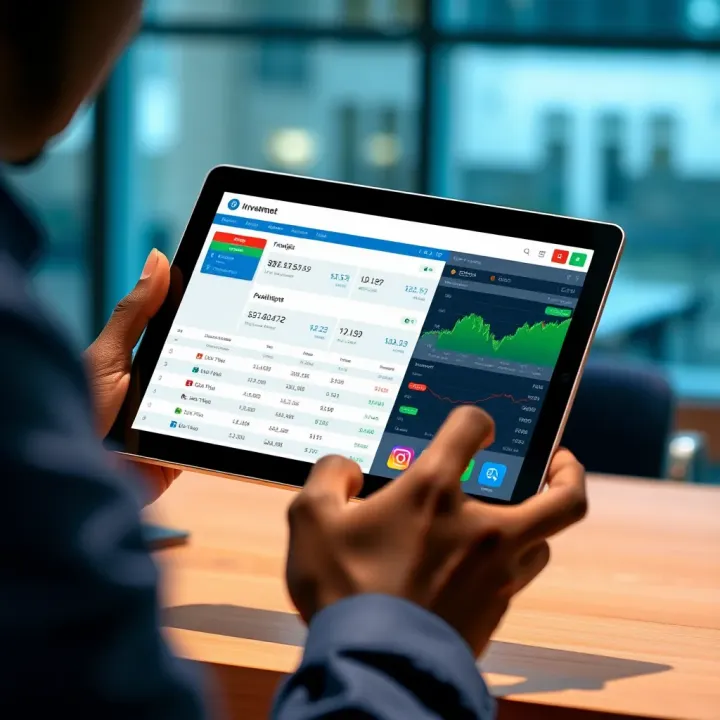
Top Stock Trading Apps for Investors in Nigeria
Explore top stock trading apps for Nigerian investors 📱💹 Learn to choose the best platform based on features, fees, and ease of use for savvy investing.
Edited By
Amelia Price
Picking a solid stock trading app can feel like finding a needle in a haystack, especially for investors in Nigeria. With so many options flooding the market, it’s easy to get overwhelmed or fall for flashy apps that don’t meet local needs. This guide is here to clear the air — we’ll break down what really matters when choosing a trading app that fits the Nigerian investing environment.
Whether you’re a day trader hustling for quick wins or a long-term investor watching your portfolio grow, the choices you make about your trading platform affect your returns, security, and overall experience. We’ll cover the must-have features, like real-time data, easy fund transfers, and customer support, while keeping an eye on costs that can quietly eat into your profits.

On top of that, we’ll take a closer look at the security safeguards these apps offer because with cyber risks on the rise, protecting your money is no joke. Lastly, we touch on how apps tailored to Nigerian markets—those that handle local payment methods and comply with regulations—give you an upper hand.
Investing in the right stock trading app isn’t just about convenience—it’s about making sure your money is in good hands and your trades happen smoothly.
Stick around as we explore the ins and outs, helping you make an informed decision with confidence.
Picking a stock trading app that clicks with Nigerian investors involves more than just downloading the flashiest app on the phone. There are certain ground rules and necessities shaped by the specifics of the Nigerian market and local economic conditions. Stock trading in Nigeria comes with its unique challenges like fluctuating internet connectivity, currency exchange considerations, and regulatory requirements, which means not every app fits the bill equally.
The most suitable apps need to deliver more than just basic trading functionality—they should offer localised features like integration with Nigerian banks for easy fund transfers, support for Naira transactions without hidden fees, and access to real-time data for Nigerian Stock Exchange-listed stocks. This ensures traders can make timely decisions without third-party interference or lags.
Key takeaway: An app that's powerful yet tailored for Nigeria simplifies trading and helps investors avoid pitfalls related to local market quirks.
Local market requirements are the backbone of choosing the right app. For example, Nigerian traders expect apps to handle the Naira smoothly since frequent currency fluctuations and restrictions can trip up platforms designed for global markets. Apps like Bamboo and Trove, which specifically support multiple African markets, offer good examples by allowing users to trade foreign equities but with clear mechanisms for local currency funding.
Additionally, Nigerian investors benefit from apps that comply with the regulations set out by the Securities and Exchange Commission (SEC) Nigeria and the Nigerian Stock Exchange (NSE). This compliance guarantees that the platform operates within legal frameworks, reassuring users about the safety and legality of their trades.
Poor internet in many parts of the country means apps must be optimized for use on lower bandwidth and support offline features, such as viewing previously loaded stock data or setting alerts without constant connectivity.
Some features hold more weight in Nigeria than elsewhere. Traders here need apps that:
Support effective local payment gateways: Integration with Nigerian banks like Guaranty Trust Bank, Zenith Bank, or Access Bank can smooth deposits and withdrawals.
Provide real-time alerts and notifications: Because market movements can be sudden, quick updates can mean the difference between profit and loss.
Offer educational resources tailored to Nigerian markets: Many Nigerian investors are beginners, so apps providing actionable insights or tutorials on trading in the Nigerian market hold an added edge. For example, apps with built-in market news catering specifically to the NSE help users stay informed.
Feature Transparent Fee Structures: Hidden fees on currency conversions or withdrawal charges can erode profits quickly, so apps that clearly state their charges upfront earn more trust.
In essence, the best apps for Nigerian traders don't just offer stock trading. They bring the service close to the local user's everyday reality, combining ease, security, and relevant features in one package.
When Nigerian investors choose a stock trading app, some features really set the best apart from the rest. These aren't just bells and whistles; they directly impact how effectively you can manage your investments and react to the ever-fluctuating market. Let's break down some of the essentials you should expect.
A stock trading app should feel like second nature to use — no one has time to wrestle with complicated menus or confusing screens when the market can change in seconds. Think of apps like Bamboo or Trove; their clean, intuitive interfaces help users from beginners up to seasoned traders move swiftly from one function to another. The easier it is to find your portfolio, execute trades, or check charts, the less chance of costly errors or missed opportunities.
Getting live updates on stock prices, market news, and economic events is vital. Delays of even a few minutes can mean the difference between buying low and paying a premium. Top apps offer not just real-time prices but also handy tools like candlestick charts, technical indicators, news feeds, and alerts. For example, apps that integrate Reuters or Bloomberg headlines directly let you stay on top of global and Nigerian economic shifts without hopping between platforms.
In a country where cybersecurity concerns are quite real, a stock trading app must prioritize protecting your data and funds. Robust encryption, two-factor authentication (2FA), and regular security audits help reduce risks. Apps licensed under the Securities and Exchange Commission of Nigeria often adhere to stringent protocols. Always look for features like biometric login (fingerprint, facial recognition) and alerts for suspicious activity. Your peace of mind depends on it.
Even the best app can leave you scratching your head at times. Reliable customer support through chat, call, or email can make all the difference. Plus, good apps go beyond fixing bugs; they offer tutorials, FAQs, and webinars on trading strategies and market fundamentals tailored for Nigerian investors. This support helps you grow your skills, so you’re not flying blind.
Choosing an app without key features like an easy interface or strong security is like trying to fish without bait — you’re unlikely to catch much, and might even get hurt in the process.
When these features come together, they create a seamless, safe, and smart trading environment. This means not just executing trades, but making the best decisions supported by timely info and solid backup. Keep these in mind as your checklist — your investing journey will thank you.
When looking at stock trading apps, especially for Nigerian investors, understanding the cost and fee structure is essential. This isn't just about paying less; it’s about knowing what you’re really paying for and how it can affect your overall profitability. Many investors get tripped up by hidden fees that silently eat into their gains. For example, a low commission rate might lure you in, but steep withdrawal or currency conversion fees could quickly turn your profits into losses.

Different trading platforms in Nigeria such as Chaka, Bamboo, Trove, and others have varied cost structures, so comparing them side-by-side helps traders find the best fit for their trading style and budget. Knowing these costs upfront lets you make smarter decisions and avoid surprises that frustrate both newbies and experienced traders alike.
Commission fees are the most obvious cost when trading stocks. Usually, they’re a small percentage of your trade value or a fixed flat fee per transaction. But don’t be fooled – some platforms have layers of hidden charges, like minimum commissions or inactivity fees, that catch users off guard.
For instance, Bamboo charges a flat commission on trades but also includes a foreign transaction fee when purchasing international stocks. Meanwhile, Chaka might have zero commission for local trades but impose charges for withdrawals or account maintenance. These hidden costs can pile up quickly, especially if you're an active trader moving money in and out frequently.
A practical tip is to always read the fine print or customer agreement and ask customer support about any unexpected fees. It’s better to be cautious than surprised by a sudden deduction on your next statement.
Beyond commissions, transactional fees like deposits and withdrawals can be a headache. Some apps allow free deposits but charge to cash out, while others might charge on both ends. For Nigerian investors, where the Naira is involved, currency conversion fees can be a silent killer.
Say you want to invest in U.S. stocks through an app like Trove. Your Naira will have to convert to dollars, and the exchange rate plus a conversion fee can shave off a noticeable part of your investment capital. Choosing an app that offers competitive exchange rates is crucial to maximise your purchasing power.
Depositing money swiftly and without extra charges keeps you ready to seize market opportunities. On the flip side, exorbitant withdrawal fees can discourage you from taking your profits out, trapping you in the investment unintentionally.
In summary, be on the lookout for all these factors when selecting a trading app. After all, which app you pick can influence your financial health just as much as your trading decisions do.
When it comes to trading stocks in Nigeria, the mobile experience isn’t just a nice-to-have—it’s a must. Many Nigerian investors rely on smartphones for most of their internet activities, partly due to limited desktop access or on-the-go lifestyles. Choosing a trading app that runs smoothly across your devices and keeps you connected even when offline can make all the difference between catching a great deal and missing out.
No two phones are alike, especially when it comes to specs and operating systems. A stock trading app that performs well on a high-end Samsung Galaxy phone might lag on older devices or on budget brands like Tecno or Infinix, which are popular in Nigeria. It’s essential that the app developers optimize performance for a wide range of phones so that delays and crashes don’t cost you money.
For example, apps like Bamboo and Trove are praised for their light design, running smoothly even on entry-level Android devices. On the other hand, some apps bloated with features can slow down older devices and frustrate users who don’t have the latest gear.
Investors should also consider apps that support both Android and iOS platforms equally well. If you switch devices, you don’t want a steep learning curve or compatibility issues. A consistent user experience means easier navigation and fewer mistakes when placing trades.
In Nigeria, unstable internet connections and expensive data bundles are daily realities for many. A trading app that buffers heavily or needs constant online access can quickly burn through data and leave you high and dry during poor network conditions.
Apps that offer offline features, like access to previously downloaded market data or the ability to prepare orders offline, then auto-submit them when a connection is available, give traders a clear edge. This flexibility means you’re not tied to a strong Wi-Fi spot or forced to spend a fortune on mobile data just to stay updated.
For instance, some versions of the Etrade and Fidelity apps allow cached data viewing, helping you review charts and stock news without needing to reload everything constantly. Besides that, apps that compress data or allow selective syncing also ease the burden on your wallet.
Remember, in a fast-moving market, a trading app that wastes your data or drops out can lead to missed trades and lost opportunities. It’s worth investing time finding one that respects your network constraints.
By focusing on apps that balance performance across various devices with smart offline capabilities, Nigerian investors can trade smarter, without worrying about technical glitches or data costs. This makes the mobile experience and app accessibility a key part of choosing the right trading platform for the local environment.
Nigerian investors must pay close attention to the local regulatory environment when selecting a stock trading app. Regulations affect how apps operate, what protections are in place for traders, and ensure that platforms meet legal standards. Choosing an app approved by Nigerian authorities means your investments are safeguarded under Nigerian law, reducing risks linked to rogue firms or unlicensed brokers.
The Nigerian Securities and Exchange Commission (SEC) plays a critical role in overseeing stock trading apps operating within the country. Investors should look for clear evidence that the app is licensed or registered with the SEC. This is not just a box to tick; it directly impacts your safety. For example, apps like Chaka and Trove have SEC authorization, reassuring users they meet regulatory requirements.
Being licensed also often means the app follows rules on capital requirements and client fund segregation. Without this, your money could be at risk if the company faces financial trouble. Checking the app’s website or the SEC’s list of registered firms is a good step before investing large sums.
Data security is another big piece of the puzzle. Nigerian laws mandate strict handling of personal and financial information, especially with the recent enactment of the Nigeria Data Protection Regulation (NDPR). Good stock trading apps comply fully with these standards, encrypting user data and preventing unauthorized access.
Imagine your phone getting stolen but your trading app keeps your login info locked safely and requires multi-factor authentication—that’s an example of compliance in action. Apps like Bamboo and Trove use secure protocols such as SSL encryption alongside NDPR compliance to keep traders’ data safe.
Always prioritize apps that clearly communicate their privacy policies and data handling practices. This transparency indicates they take compliance seriously and value your trust.
Understanding how regulatory frameworks shape app functions helps investors avoid issues like fraud, hidden fees, or potential data breaches. In Nigeria’s dynamic market environment, regulatory approval and data protection are not just formalities—they’re crucial tools to protect your investment and personal info. Before committing funds, check for licensing credentials and data protection measures to trade with peace of mind.
Picking the right stock trading app can be a real game-changer, especially in Nigeria’s fast-growing market. Investors need apps that don’t just look great but also perform reliably under local conditions. Many Nigerian investors prefer apps that cater specifically to the local ecosystem, support Nigerian banks, and handle currency issues without a fuss. This makes understanding the popular apps on the scene essential before committing your hard-earned money.
Nigerian investors often turn to apps like Trove, Bamboo, Chaka, and Passfolio. Each platform offers something a bit different, but a few key features set them apart:
Trove: Known for local and US stocks access, it allows Nigerians to buy fractional shares, making expensive stocks like Amazon or Tesla affordable. It’s straightforward and supports multiple local payment options, easing deposits.
Bamboo: Bamboo offers a smooth user interface and includes investment options beyond stocks, like ETFs. It’s good for beginners thanks to educational tips within the app and low fees.
Chaka: Chaka shines with its extensive market reach, allowing access to stocks in multiple African countries besides Nigeria. Its syncing with Nigerian banks and automatic currency conversion stands out.
Passfolio: While not Nigerian per se, Passfolio is popular among Nigerians for buying US stocks with zero commission. It has a real-time trading experience but requires an understanding of currency exchange impacts.
A common thread in these apps is that they blend accessibility with regulatory compliance, which greatly helps Nigerian traders stay legit and confident.
Checking out what real users say about the apps gives you the lowdown on how they work day-to-day. On platforms like Play Store, App Store, and various trading forums, users frequently point out:
Reliability: Apps like Trove score high for uptime and quick trade execution, but a few users report occasional app crashes during peak hours.
Customer Service: Bamboo gets kudos for responsive support teams, which matters when funds or trades are on the line.
Ease of Use: New investors highlight Passfolio’s less intimidating setup, even though some complain about difficulties when dealing with currency conversions.
Hidden Fees: Some apps get dinged for not being upfront about withdrawal fees or slow bank transfers.
"If an app consistently delivers smooth transactions and clear updates, Nigerian investors stick with it. But a glitch during withdrawal or poor customer help can send users running."
In sum, while reviews aren’t the only factor in picking an app, real-world feedback often helps weed out options that might look good on paper but fall short in actual use. Keeping an eye on ratings over time can also reveal how well an app adapts or improves, which is crucial in today's quickly shifting markets.
When diving into stock trading through apps in Nigeria, safety isn't just a nice-to-have—it’s a must. Trading apps handle sensitive personal and financial information, making them prime targets for hackers and scammers. This section lays out practical tips to help investors protect themselves while navigating the world of digital trading.
Personal data is the key to your trading account, and once it falls into the wrong hands, the fallout can be brutal. To safeguard this info, always use strong, unique passwords combining letters, numbers, and symbols—don’t rely on something like "password123". Enable two-factor authentication whenever possible; for example, apps like Bamboo and Trove offer this extra layer of security.
Also, be cautious where you input your info. Avoid using public Wi-Fi to log in to your trading platforms, because public networks are often unsecured and easy to breach. Instead, stick to your home Wi-Fi or a trusted mobile data connection. Keep your device’s software and the trading app updated regularly. Updates often patch security holes that hackers could exploit.
Remember, no legitimate trading app will ever ask you for your password or PIN through email or phone. Treat any such requests as red flags.
The number of fake trading apps pretending to be legit has been on the rise. To avoid getting duped:
Verify the app’s legitimacy by checking if it’s approved by the Nigerian Securities and Exchange Commission (SEC).
Download apps only from trusted sources like the Apple App Store or Google Play Store, not from links sent via SMS or WhatsApp.
Read genuine user reviews—apps like Chaka and Trove have a strong community backing, which means fraudulent apps usually don’t survive long.
Scammers might promise unrealistic returns to lure you in. If it sounds too good to be true—like getting 50% returns in a week—then it probably is. Stick to reputable apps with transparent fees and terms.
Also, beware of phishing messages or fake customer support numbers. Suppose you get a call claiming to be from a trading app support team asking for your account details; hang up and call the official number listed on the app or website.
By staying sharp and following these guidelines, Nigerian investors can enjoy the benefits of stock trading apps without falling into the traps that have caught many others off guard.
The world of stock trading apps can feel like a maze, especially for Nigerian investors trying to juggle local market challenges and the fast-paced moves of global markets. Making an informed choice about which app to use is more than just picking the one with the flashiest design or the lowest fees. It's about understanding what really matters to your trading style, your security needs, and your financial goals.
When choosing a stock trading app, one can't simply chase low costs without thinking twice. Take, for example, a new investor who opts for an app with very low commission fees but neglects to check the app's security protocols. Such shortcuts can lead to headaches down the line, including loss of sensitive information or even unauthorized transactions. On the flip side, an app packed with tools and real-time data feeds, but accompanied by hefty fees, might eat into any profit made.
It’s smart to weigh what features are crucial for you — such as real-time updates, charting tools, or ease of use — against what you’re willing to pay. For instance, apps like Bamboo and Trove have been popular choices in Nigeria because they strike a reasonable balance between affordability, security, and useful trading tools. Remember, spending a little more for peace of mind and functionality often pays off.
Technology today puts powerful trading tools right in your pocket, but only if you know how to get the most out of them. Nigerian investors who tap into apps that offer educational resources, market news updates, and analysis tools tend to make smarter decisions over time. If you rely solely on guesswork or hearsay, you’re playing a risky game.
For example, using an app that sends timely push notifications about price changes or dividend announcements can help you act quickly. Moreover, apps with built-in tutorials or demo accounts allow beginners to practice without risking real money, building confidence step by step.
Investing in a good app is like buying a boat for fishing — it doesn’t guarantee a catch, but having the right equipment certainly improves your chances.
In summary, choosing the best stock trading app in Nigeria involves a careful look at where features, cost, and security overlap with your trading needs. Embrace the technology available but stay vigilant about the risks. By doing so, your investment journey through apps can become not only more efficient but safer and more rewarding.
Explore top stock trading apps for Nigerian investors 📱💹 Learn to choose the best platform based on features, fees, and ease of use for savvy investing.

Discover the best stock trading apps for beginners in Nigeria 📱 Explore features, costs, security, and tips to start trading confidently and smartly 🇳🇬📈

Discover top trading apps in Nigeria 📱 Learn how to pick the best platform for safe investing, key features to watch, and tips to boost your earnings 💰

Explore the best crypto trading apps for Nigerian traders 📱. Compare features, security 🔒, fees 💰, and ease of use to pick the right platform for you.
Based on 6 reviews