
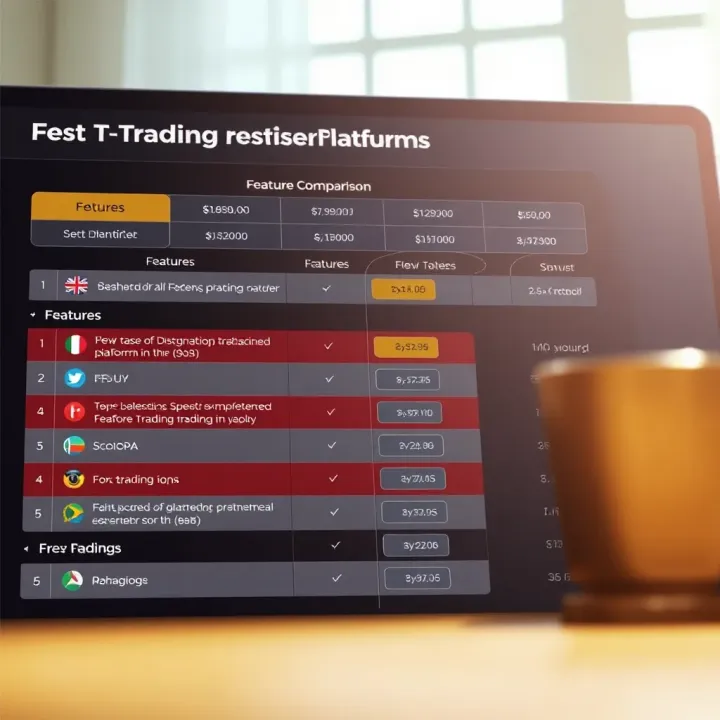
Best Forex Trading Platforms in Nigeria
Looking to pick the best forex trading platform in Nigeria? Discover top features, compare popular options 📊, and learn about security and regulations 🛡️.
Edited By
Charlotte Wells
Forex trading has become a popular avenue for many Nigerians looking to grow their wealth beyond traditional investments. The dynamic nature of the forex market, combined with Nigeria's growing interest in digital finance, means more traders are diving in daily. But success in this space isn't just about picking any platform or throwing in money hoping for a quick return.
This article will cut through the noise and focus on what really matters for anyone stepping into forex trading in Nigeria. From picking trustworthy platforms to understanding the local regulatory climate, and from solid trading strategies to practical advice on managing risks — we’ve got the essentials covered.
Forex trading isn't just a game of chance; with the right knowledge and tools, it becomes a manageable and potentially profitable endeavor.
Whether you're a beginner curious about how it works or an experienced trader aiming to sharpen your approach, understanding these aspects will save you time, money, and frustration. As we explore best practices and platforms available locally, you'll gain confidence navigating the often complex forex landscape in Nigeria.
In the sections that follow, we’ll delve into:
The top forex trading platforms accessible in Nigeria and what sets them apart
Key strategies tailored for Nigerian market conditions and currency pairs
The regulatory environment shaped by the Central Bank of Nigeria and other agencies
Practical tips on security, avoiding scams, and managing your trades effectively
With this guide, we hope to empower you to make smarter decisions and avoid common pitfalls in forex trading within Nigeria’s unique context.
Getting a solid grasp of forex trading in Nigeria sets the foundation for anyone looking to play in this market. This overview is more than just theory; it connects the dots between currency trading basics, local market dynamics, and the regulatory scene. It’s like getting the lay of the land before setting off on a trip.
Forex trading is simply exchanging one currency for another, aiming to profit from the changes in currency values. Think of it as swapping your naira for dollars when the rate is in your favor, then swapping back later to pocket the difference. The market is open 24 hours on weekdays, which means you can trade anytime—even at odd hours, which works well considering different time zones.
Trading happens in pairs; one currency’s price is quoted against another’s. It’s essential to understand terms like bid, ask, and spread because these define the cost of entering or exiting a trade. For example, if the dollar/naira rate moves from 410 to 415, a trader who bought dollars earlier can cash in on that difference.
In Nigeria, the naira’s forex market presence is huge, primarily via pairs like USD/NGN, EUR/USD, and GBP/USD. USD/NGN stands out because it directly affects importers, exporters, and remittances. Traders often keep an eye on this pair as the naira tends to fluctuate due to local economic and political factors.
Other pairs like EUR/USD and GBP/USD are popular among Nigerian traders looking to diversify since they’re among the most liquid and stable pairs globally. Knowing which pairs to focus on helps traders manage risk and opportunities better.
Forex trading has surged in Nigeria, turning into one of the fastest-growing financial activities. Reports from the Nigerian Stock Exchange and various financial portals show that thousands of new accounts pop up monthly. Unlike the stock market, forex is attractive because it requires less capital upfront and offers quick trading options.
The convenience of mobile and internet access has boosted this popularity. Many young Nigerians see forex trading as a way to supplement income, especially given the limited opportunities in traditional sectors.
Several elements fuel the rise of forex trading here. To start with, the naira’s volatility offers opportunities for profit amid economic challenges. Also, rising smartphone use and widespread internet have made trading platforms accessible across urban and rural areas.
Another driving force is the spread of educational content—webinars, tutorials, and local workshops have demystified forex for many. Plus, remittances and the demand for foreign currencies for business purposes keep the market lively.
Overall, this introduction gives traders the big picture and sets up the rest of the guide to help navigate the unique challenges and opportunities found in Nigeria’s forex trading scene.
Navigating forex trading in Nigeria isn't just about spotting the right currency pairs or timing the market; knowing the rules is just as important. Regulations help keep the playing field fair and protect traders from unnecessary risks. This section delves into the financial watchdogs in Nigeria and how they influence forex trading, along with solid tips on spotting trustworthy brokers. Essentially, understanding these safety measures can shield traders from losing hard-earned cash to scams or shady deals.
The Securities and Exchange Commission (SEC) Nigeria plays a big role in overseeing capital markets, including forex trading. Their guidelines require brokers to be registered and follow strict rules on transparency and client fund protection. For instance, they insist brokers separate client funds from company money, so you’re less likely to lose everything if a broker faces financial trouble. Knowing these rules means traders can check if a broker complies, helping avoid fraudulent operators.
The Central Bank of Nigeria (CBN) toes a more cautious line toward forex trading, mainly because of concerns over foreign currency outflows and economic stability. In 2018, the CBN barred local banks from providing forex for speculative trading, which shook the market somewhat. This policy affects how easily traders can access foreign currency for opening or closing positions but also encourages the use of reliable online platforms regulated overseas. Being up to speed with CBN’s stance helps traders plan better and avoid running afoul of local rules.
Spotting a legit forex broker starts with checking their licenses. In Nigeria, brokers should be registered with the SEC, but many Nigerians trade through international brokers regulated by authorities like the UK’s Financial Conduct Authority (FCA) or Australia’s ASIC. A quick glance at the broker’s website or contacting the regulator directly can verify these details. Also, watch out for brokers that proudly display their regulatory status and compliance certificates.
Forex scams remain a headache for many Nigerian traders. Common red flags include unrealistic promises of guaranteed profits, pressure to deposit more money fast, and platforms with poor or no customer support. It's wise to test the platform with a small amount first and look up user reviews from other Nigerians. Scam brokers often disappear without trace or have confusing withdrawal procedures, so staying alert and skeptical protects your investment.
Always remember, if it sounds too good to be true, it probably is. Stick to well-regulated brokers and keep your wits about you.
By understanding the regulators’ roles and knowing how to verify a broker's legitimacy, Nigerian forex traders boost their chances of trading safely and successfully.
Choosing the right forex trading platform is like finding the best gear for a long trek—get it wrong and your whole trip gets harder. For Nigerian traders, the platform you pick can shape your trading experience, affect security, ease of use, and ability to make educated decisions quickly. This is particularly important given the market’s pace and the need for efficient transaction handling.
A reliable trading platform isn’t just a place to execute trades; it’s your entire toolkit. Punishingly slow execution, unfriendly interfaces, or poor customer service can cost you real money and stress. Conversely, a good platform empowers you, layering security, intelligence, and support seamlessly.
When selecting a forex platform, security is the non-negotiable top priority. Nigerian traders face particular challenges like cyber risks and occasional financial fraud, making strong security protocols vital.
Look for platforms that offer end-to-end encryption, two-factor authentication (2FA), and clear methods for secure deposits and withdrawals. A platform integrated with recognized payment gateways — like Flutterwave or Paystack — adds an extra layer of trust for local users. Security can be the difference between safe trades and a serious financial headache.
A complex or cluttered interface can turn every trading session into a nightmare. The platform's layout, navigation, and responsiveness impact how quick and confident you are with decisions.
Consider platforms that keep things straightforward without sacrificing functionality. Features like customizable dashboards, intuitive menus, and quick access to popular currency pairs (like USD/NGN or EUR/USD) help save time and reduce errors. User reviews often reveal practical quirks, so it’s wise to test platforms with demo accounts before committing real money.
In forex, every second counts. You want a broker or platform that responds swiftly and effectively when questions or issues arise. For Nigerian traders, access to customer support during local market hours and preferably in English is crucial.
Look for platforms offering multiple support channels: phone, live chat, email, plus perhaps active Nigerian social media handles. Knowing there’s a real person ready to sort problems can take the edge off trading’s ups and downs.
Trading without good tools is like fishing with bare hands. Reliable analytics, charting software, news feeds, and risk management features turn a basic platform into a trader’s command center.
Check that the platform provides tools like live candlestick charts, pivot points, moving averages, and economic calendar integrations. Some platforms even offer algorithmic trading or copy trading functionality, valuable for beginners still learning the ropes.
MetaTrader 4 (MT4) and its successor MetaTrader 5 (MT5) remain the gold standard for forex traders worldwide, including Nigeria. With a clean interface and robust charting options, MT4 especially appeals to both newbies and experienced traders.
Both platforms support automated trading through Expert Advisors (EAs), which can help cut down emotional decisions—a known pitfall for many. MT5 adds features like additional timeframes and improved order types, which some find indispensable as their strategies evolve.
Even though MT4 is older, many Nigerian traders stick with it due to its simplicity and extensive community support, where custom indicators and scripts are widely shared.
Binance, primarily known for crypto trading, also offers forex services. What sets Binance Forex apart for Nigerian traders is the fusion of crypto and traditional currency trading in one place, with strong local payment options.
Binsance’s platform benefits from advanced security standards, plus an easy-to-navigate interface that suits mobile and desktop users alike. Their 24/7 support and regular educational content also win marks from the local trading community.
ForexTime (FXTM) has carved a solid reputation among Nigerian traders for offering tailored account types that suit varying budgets—from micro accounts for beginners to ECN accounts for pros.
Their platform includes MetaTrader integration, competitive spreads, and flexible leverage options, which are crucial for Nigeria’s rising young traders wanting to manage risk effectively.
FXTM’s local Nigerian support team and quick deposit methods make it a popular pick.
HotForex combines an easy interface with strong security policies and comprehensive trading tools. It’s favored for its wide range of account types and responsive support tailored to the Nigerian market.
Importantly, HotForex offers free educational webinars and daily market analysis, which many local traders rely on to build their knowledge and make smarter trade choices.
In the rapidly changing world of forex trading, picking the right platform is half the battle won. Nigerian traders should focus on security, ease of use, support, and tools when choosing. This thoughtful approach can keep you sharp, safe, and ahead of the curve in this dynamic market.
Grasping fundamental and technical trading strategies is a must for any Nigerian forex trader aiming to make consistent profits. The forex market moves fast and can be unforgiving if you rely purely on luck or guesswork. Understanding the core strategies not only helps you make better decisions but also manages your expectations and risks effectively. Nigerian traders especially benefit from these strategies given the dynamic nature of the local and global economic conditions impacting the naira and other currency pairs.
Economic indicators like Nigeria’s inflation rates, GDP reports, and trade balances significantly influence the forex markets. For instance, a sudden hike in inflation reported by the National Bureau of Statistics usually sparks worries about currency devaluation. Traders who keep an eye on these economic announcements can time their trades to avoid losses or capitalize on momentum shifts. When Nigeria’s Central Bank adjusts interest rates, these changes ripple through forex prices, shifting the value of the naira against major currencies like the US dollar or euro.
To put this into perspective: if inflation rises sharply but the Central Bank doesn’t respond with higher interest rates, the naira might weaken, signaling traders to adjust their positions or hedging strategies accordingly.
News acts like a live wire in forex trading – it shapes market sentiment instantly. Nigerian traders often follow news from credible sources like Bloomberg, Reuters, and Punch newspaper to grab timely headlines. Political events, Central Bank announcements, or even developments in the oil sector directly impact forex sentiment because Nigeria’s economy heavily leans on oil exports.
For example, political unrest or unexpected policy changes can cause rapid price swings. Savvy traders use economic calendars and news alerts to prepare. When a major oil price drop hits the media, the naira might react negatively, so traders preemptively factor such events into their strategy.
Chart patterns give visual clues about where the price might head next. Nigerian traders watch for straightforward patterns like "Head and Shoulders," which could indicate reversal points, or "Double Bottom" patterns that suggest a potential price bounce. Recognizing these patterns can mean the difference between entering a trade too late or catching a profitable move early.
For example, spotting a "Triangle" pattern during quiet market periods helps traders anticipate breakout moves, which often result in sharp price gains or drops. With charts, patience and practice pay off; the more you observe patterns over time, the better you become at spotting them in real time.
Indicators like the Relative Strength Index (RSI), Moving Averages (MA), and Bollinger Bands are staples for Nigerian forex traders because they help quantify market momentum, trend direction, and volatility. For instance, RSI can alert you when a currency pair is overbought or oversold — a handy signal for timing entries or exits.
Using moving averages, you can smooth out price fluctuations and identify long-term trends. A simple example: when the 50-day moving average crosses above the 200-day moving average (known as the "Golden Cross"), it often signals bullish momentum. Bollinger Bands, on the other hand, indicate periods when the market might be about to break out from a tight price range.
Tip: Combine different indicators with chart patterns for a more reliable view instead of relying on just one signal.
Mastering these strategies means more than just knowing what to look for — practicing in demo accounts on platforms like MetaTrader 4 or FXTM helps build confidence before diving into live trading. For Nigerians navigating the forex market, this combination of fundamental and technical analysis could boost your chance to trade smarter, not just harder.
Risk management is the backbone of any successful forex trading, especially in Nigeria where market volatility and economic factors can swing without much warning. Without proper risk controls, even experienced traders can wipe out their accounts fast. This section digs into why managing risks isn’t just a good habit but a must-have skill to keep your trading sustainable and your wallet healthier.
Setting stop-loss and take-profit levels is like knowing when to fold your cards at the poker table; it prevents losses from running wild and locks in gains before greed kicks in. For instance, if you buy USD/NGN expecting a rise, setting a stop-loss 1% below your purchase price shields you from steep drops. On the flip side, a take-profit at about 3% above secures your gains when the market hits the target, avoiding the 'run it till the bitter end' trap.
Position sizing is another key pillar. Say you have ₦100,000 and decide on risking only 2% per trade – meaning ₦2,000 is your max loss. Depending on your stop-loss distance in pips, you adjust your trade size accordingly. This strategy stops you from putting all your eggs in one basket or betting big on a single trade, which often ends in tears. Keeping the size manageable lets you survive bad runs and stay ready for the next opportunity.
Overtrading is like trying to catch too many fish with a tiny net—you end up exhausted and less focused. It's tempting to trade too frequently, especially on demo success or after a loss to recover quickly. But every trade carries costs, emotional strain, and risk. Sticking to a plan, trading selectively when setups align, improves your chances instead of blindly chasing every market twitch.
Ignoring market trends can also backfire badly. It's tempting to go against the grain if you spot a "bargain," but the market’s direction often holds valuable clues. For example, if the Naira is steadily weakening against the Dollar due to economic reports, trying to bet on a sudden reversal without clear signs is risky. Following trends, combined with sound analysis, keeps your trades in sync with bigger forces at play.
Risk management isn't about avoiding losses completely – it's about making sure losses don't blow your account. By using stop-losses, sizing positions properly, avoiding overtrading, and heeding market trends, Nigerian traders can trade smarter and keep their capital safe.
When these practices become second nature, trading transforms from a gamble to a structured approach—essential in Nigeria’s dynamic forex scene.
Diving into forex trading in Nigeria without some practical tips is like trying to sail a boat without a compass. These tips bridge the gap between theory and real-world trading, helping beginners and even seasoned folks avoid common pitfalls. Getting off on the right foot means knowing the nuts and bolts of setting up your trading account and staying sharp with continuous education and market research.
Before you can trade a single dollar, you'll need to get your paperwork in order. Nigerian forex brokers and international platforms alike usually require valid identification such as a national ID card or passport. Proof of residence — like a recent utility bill — is often next on the list. This step is part of regulatory requirements known as KYC (Know Your Customer), which prevents fraud and illicit activities.
Think of this as a security checkpoint at an airport; it may seem tedious, but it ensures you’re dealing with reputable brokers. Some platforms might also ask for bank statements or tax identification numbers, so it’s good to have those handy too.
How you move your money in and out of your trading account is crucial. In Nigeria, many platforms accept local bank transfers, which can take a day or two to process. However, some brokers also support instant funding methods like USSD payments, Paga, or even Paystack, easing the deposit process.
When withdrawing funds, check if there are fees or limits; some brokers might charge for bank wire transfers but not for electronic wallets like Skrill or Neteller. Always double-check the withdrawal processing times too — a delay of several days can be frustrating if you need quick access to your funds.
Getting familiar with these options upfront saves you headaches later, especially in a market where timing can influence your profits.
The forex market doesn’t sleep, and neither should your appetite for learning. Platforms like BabyPips offer free beginner-friendly courses with simple explanations that don’t require a finance degree. Nigerian traders can also benefit from webinars and workshops conducted by local experts or even brokers like FXTM and HotForex, who often run targeted sessions.
Reading daily economic news from trusted sources like Bloomberg, Reuters, and The Guardian Nigeria helps keep a finger on the pulse. Avoid random forums or unverified blogs; misinformation can cost you dearly, so ensure your content comes from credible financial websites or licensed professionals.
Forex markets react instantly to news — from interest rate announcements to geopolitical events. Set up alerts on your trading platform or smartphone to catch news in real-time. Apps like Investing.com give you customizable notifications based on currency pairs relevant to you.
In Nigeria, oil price fluctuations often affect the naira's strength, so it’s smart to track global energy news too. Regularly reviewing economic calendars prevents nasty surprises by informing you when major reports or central bank meetings are due.
Staying educated and adaptive is half the battle in forex trading. Market conditions change fast, and your strategies need to evolve alongside them.
By paying attention to these practical details — from paperwork to ongoing learning — Nigerian traders can start their forex journey on solid ground, minimizing risks and paving the way for smarter decisions.
Looking to pick the best forex trading platform in Nigeria? Discover top features, compare popular options 📊, and learn about security and regulations 🛡️.
Discover proven forex trading strategies designed for Nigerian traders 🇳🇬. Learn risk management, market analysis tools, and practical tips to boost your success 📈.
Discover how to pick the right forex trading platform in Nigeria 🇳🇬. Learn about features, security, and popular options to match your trading style 📊💡.
Discover how to pick the best Forex trading platform in Nigeria 🇳🇬. Learn about key features, regulations, payment options, and tips for a smarter start! 💹
Based on 9 reviews