
Best Forex Trading Platforms in Nigeria
Looking to pick the best forex trading platform in Nigeria? Discover top features, compare popular options 📊, and learn about security and regulations 🛡️.
Edited By
Liam Foster
Choosing where to trade forex in Nigeria isn't just about finding a platform—it’s about picking the right partner for your trading journey. With tons of options out there, it can feel like hunting for a needle in a haystack. But this isn’t about guesswork or flipping a coin; it’s about understanding what matters most to you as a trader.
From user-friendly design, solid security, to features that suit your style—whether you’re a newbie testing the waters or a seasoned investor chasing the next big move—each platform brings different strengths to the table.
This article digs into what you need to know to make a smart choice. We’ll talk about the must-have features Nigerian traders should watch for, break down some of the popular platforms both homegrown and global, and explain how to match the tech to your trading goals and comfort level. Expect clear pointers, real-world insights, and practical tips so you're not just trading blindly but trading smarter.
Making the right platform choice can be the difference between hitting your forex goals or spinning wheels. Let's make sure you’re on solid ground before placing that first trade.
Grasping what forex trading platforms are and how they work is the stepping stone for anyone diving into forex trading, especially in the Nigerian market. These platforms are more than just software; they’re your toolbox and trading desk rolled into one. By understanding their components and features, you can navigate the forex market more confidently and avoid costly mistakes.
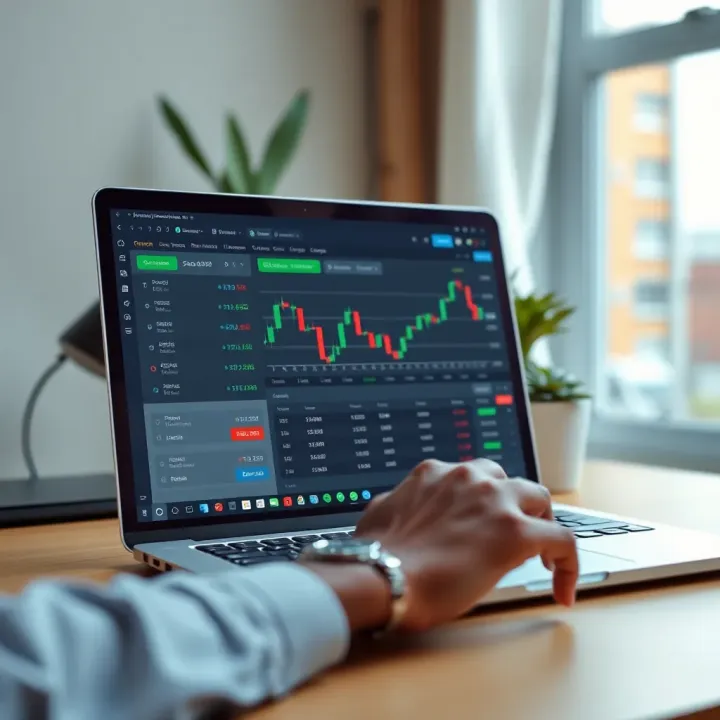
At its core, a forex trading platform is software that connects you, the trader, to the global foreign exchange market. It's where you view live price quotes, execute trades, analyse charts, set orders, and track your portfolio. Imagine it as your virtual bank branch combined with a bustling marketplace.
For instance, MetaTrader 4 (MT4) and MetaTrader 5 (MT5) are very popular examples. These platforms offer tools for technical analysis, automated trading through Expert Advisors, and a user-friendly interface that suits beginners and seasoned traders alike.
What sets a platform apart includes:
Accessibility: Can you use it on your phone, tablet, or desktop?
Currency pairs offered: Does it cover the currency pairs you want to trade, such as USD/NGN or EUR/USD?
Order execution speed: How fast are your trades processed? Speed matters, especially during volatile market moves.
Security features: Does it secure your funds and personal info effectively?
Picking the right forex trading platform isn't just a matter of preference—it's about matching the platform’s strengths with your trading needs to avoid unnecessary headaches and losses.
For example, a beginner trader may prefer a platform with a straightforward interface like the MT4, complete with online tutorials and community support. On the other hand, an advanced trader looking to use automated strategies might lean towards platforms like cTrader, which provide advanced algorithmic trading options.
Choosing the wrong platform can lead to slippage (worse trade execution prices), slow loading times during critical moments, or even security risks exposing your funds to potential fraud. The Nigerian market’s peculiarity, such as local banking systems and currency restrictions, also makes it essential to pick a platform that integrates well with local payment methods.
Remember, your choice of platform directly influences how smooth and profitable your trading journey turns out. It's not just about features on paper but how well those features fit into your trading style and local environment.
Understanding these basics sets the stage for deeper exploration into platforms tailored for Nigerian forex traders, highlighting everything from cost transparency to customer support — all critical for making an informed decision.
Picking the right forex trading platform in Nigeria means looking beyond the flashy ads or recommendations. It boils down to certain core features that can make or break your trading experience. These features help you trade efficiently, protect your investments, and adapt as your skills grow. Let's break down the key aspects you need to keep an eye on when weighing your options.
A trading platform should feel like second nature, not a maze. If you’re fumbling through complicated menus or struggling just to place a trade, that platform will slow you down—sometimes costing you money. Nigerian traders, especially newcomers, benefit from platforms with clean dashboards, intuitive navigation, and customizable layouts. For instance, MetaTrader 4 offers a straightforward interface where you can set up charts, indicators, and quick access buttons without a steep learning curve. On the other hand, platforms cluttered with unnecessary info can overwhelm, so simplicity often wins.
Forex trading isn’t just about dollars and euros. Nigerian traders should look for platforms offering a wide range of currency pairs, including exotic ones like USD/NGN or EUR/NGN, which might be more relevant locally. Additionally, platforms that offer access to other markets—commodities, indices, and cryptocurrencies—can add diversity to your portfolio. This variety allows you to hedge risks and seize different opportunities. Just remember, having too many options without clear information can cause decision fatigue, so the platform should present markets in an organized way.
In forex, timing is money. A delay of even a few seconds can mean slippage, where trades are executed at a different price than expected. Nigerian market hours may coincide with global peaks and troughs, so platforms with fast execution and reliable servers are critical. For example, cTrader is known for its fast execution speeds, appealing to scalpers and day traders in Nigeria who capitalize on small price moves. Also, check the platform’s uptime history to avoid frustrating downtime, especially during major economic events.
Good platforms don’t just execute trades—they also empower you to make smarter choices. Look for integrated charting tools, technical indicators, and economic calendars. Platforms like MetaTrader 5 provide over 80 built-in indicators and allow multiple chart windows, perfect for tracking trends and spotting entry points. Meanwhile, some brokers also offer in-house research, news updates, and expert opinions tailored to the Nigerian market, helping traders stay ahead of shifts in global and local economies.
"A platform without solid analysis tools is like driving in the dark—you might move, but you won’t see what’s ahead."
Forex doesn’t wait for you to sit at your desk. Nigerian traders often need to trade on the go, whether commuting or during work breaks. Platforms with robust mobile apps extend your trading potential beyond the desktop. Apps should offer full functionality—charting, order placement, and account management—without lag or crashes. MetaTrader 4 and 5 both have widely-used mobile versions that sync seamlessly with desktop accounts. When choosing, download the app first and test if it fits your daily routine.
Each of these features plays a distinct role, but together, they paint a clear picture of how well a trading platform can serve your needs. Remember, the best platform aligns with your trading habits, technical skills, and investment goals—all while accommodating the unique challenges of the Nigerian forex market.
When diving into forex trading, especially in Nigeria, security and regulation aren't just box-ticking exercises—they're the backbone that stands between your investments and potential risks. Nigerian traders must be cautious because the forex market isn’t immune to scams or unfair practices, and knowing that your platform complies with regulations can save you from a lot of headaches down the road.
Strong regulatory oversight means the platform operates under strict rules meant to protect traders, like ensuring fair trading practices and the safety of deposited funds. Without this, it’s like walking into a marketplace where anyone can sell a dodgy product—in forex terms, that translates to high chances of losing your money through manipulative spreads or hidden charges.
Regulatory compliance isn't just a fancy label—it’s the legal shield guarding traders in Nigeria. Forex trading platforms approved by bodies like the Nigerian Securities and Exchange Commission (SEC) or international regulators like the Financial Conduct Authority (FCA) in the UK are held to strict standards of honesty, transparency, and financial discipline.
Choosing a platform that’s registered and regulated ensures it:
Keeps client funds in segregated accounts separate from company money.
Goes through regular audits to verify financial health.
Provides clear terms on fees, leverage limits, and withdrawal processes.
For example, a trader who picks a well-regulated broker like FXTM or Exness can breathe easier knowing these firms must provide safeguards such as negative balance protection. On the flip side, unregulated platforms could vanish overnight or freeze your funds without explanation.
Never compromise on regulation; it's your best bet against fraud and unfair trading practices.
Beyond regulatory compliance, the security of your funds and personal data is vital. Top platforms adopt strong measures like SSL encryption, two-factor authentication (2FA), and secure payment methods to shield users from hackers and identity thieves.
Consider this: A local Nigerian trader using secure platforms like IG or HotForex benefits from advanced encryption that scrambles their login data, making it near impossible for cybercriminals to intercept sensitive details. Likewise, secure withdrawal methods—including bank transfers that comply with Nigerian banking rules—help keep your money safe.
Platform security also involves monitoring for suspicious activities, so if unusual login attempts are detected, your account gets flagged or locked promptly. This attention can prevent a bad actor from wiping out your account, which unfortunately happens more than you might think in the forex world.
In short, before committing to any platform, double-check their security policies, test their customer support about your concerns, and look for features like withdrawal confirmation emails or SMS alerts.
In summary, when selecting a forex trading platform in Nigeria, regulatory compliance and security should top your checklist. These components not only protect your capital but also build trust, allowing you to focus on trading instead of worrying about where your funds are parked or if your data could be stolen anytime. Always pick platforms with transparent operations, solid regulations, and proven security protocols to trade with confidence.
Selecting the right forex trading platform is key to success, especially in a market as active as Nigeria's. Popular platforms here have carved their space because they offer a blend of reliability, user-friendly features, and access to the currency pairs Nigerians trade the most. By understanding what platforms like MetaTrader and cTrader offer, alongside local broker platforms, traders can pick a solution tailored to their needs.
MetaTrader 4 (MT4) and MetaTrader 5 (MT5) are among the most recognized forex platforms worldwide, including Nigeria. Although they share a lot, there are clear differences. MT4 focuses mainly on forex and CFDs and is known for its simplicity and stability. MT5, on the other hand, expands the scope with added support for stocks, commodities, and futures, plus more advanced charting tools and timeframes.
One practical difference is the order types; MT5 offers more flexibility with additional order types and better depth of market display, which makes it attractive for more advanced traders. MT4 remains preferred by those just starting out or who appreciate a straightforward, no-frills platform.

In Nigeria, MT4 and MT5 dominate because they are backed by well-established brokers like Alpari and FXTM. They offer an ecosystem of free and paid expert advisors, custom indicators, and a vast community for support. Nigerian traders benefit from easy local payment methods integration and the option to practice with demo accounts before risking real money.
Moreover, due to the platforms' availability on desktop, mobile, and web, Nigerian traders can stay connected whether at home or on the go, which fits the country's increasing mobile internet penetration.
cTrader stands out for its modern interface and strong focus on transparency. It provides level II pricing, which gives traders clearer insights into market depth—a feature particularly useful for scalpers and high-frequency traders. Another highlight is its intuitive drag-and-drop charting tools and advanced order types like stop limit and trailing stops.
Additionally, cTrader supports automated trading through cAlgo, allowing users to build, test, and run custom trading robots and indicators using C#, which appeals to technologists and programmers.
While MT4 is often preferred by novices, cTrader fits those looking for a more polished interface and deeper market information. Day traders and scalpers find cTrader’s execution speeds and detailed order book invaluable. Meanwhile, automated trading enthusiasts eager to code custom solutions will appreciate the flexibility of cAlgo.
This platform’s clean design also helps intermediate traders wanting a balanced mix of advanced tools without overwhelming complexity.
Nigeria hosts local forex brokers like AFEX, Cowrywise, and FXPesa, which offer platforms tailored for Nigerian traders. They often provide easy-to-use web-based platforms or apps integrated with local payment systems such as Paystack or Flutterwave.
These local brokers usually comply with Nigeria’s regulatory bodies like the Securities and Exchange Commission (SEC Nigeria), which adds extra peace of mind for traders concerned about safety and legitimacy.
Trading through local platforms offers perks like faster deposits and withdrawals in Nigerian Naira, better customer service attuned to the local market, and support in local languages or dialects for clearer communication.
Local platforms reduce reliance on international wire transfers, avoiding high fees and delays. In addition, they often provide educational resources aimed specifically at Nigerian traders, helping newcomers to grasp forex concepts more easily.
Choosing a platform native to Nigeria can mean smoother transactions, localized support, and regulation adherence, making it a practical choice especially for beginners or those preferring a strong community connection.
Ultimately, knowing the options—from global giants like MT4 and cTrader to trusted local brokers—arms Nigerian traders with the knowledge to pick the platform that fits their trading style, technical needs, and comfort with risk.
When it comes to forex trading, one size doesn't fit all. Picking a platform that aligns with your personal trading style is a smart move that can improve your chances of success while keeping frustration at bay. Nigerian traders, like those anywhere else, come with different skill levels, risk appetites, and strategies, so the trading platform you choose should support those unique needs.
Whether you're just dipping your toes in forex waters or you've got some skin in the game and want to fine-tune your approach, the right platform makes a clear difference. For example, a beginner might need simpler interfaces and solid educational support, whereas an advanced trader looks for technical analysis tools and faster order executions. Automated trading enthusiasts will want platforms that integrate smoothly with expert advisors or trading bots.
Starting out as a newbie in forex trading? You'll benefit from platforms designed with simplicity and education in mind. These platforms usually offer straightforward interfaces that don't overwhelm with charts and indicators all at once. MetaTrader 4, for instance, remains a top pick for beginners thanks to its user-friendly setup and vast library of tutorials.
Additionally, demo accounts are crucial here. They allow new traders to practice without risking real money, which is key when you're still learning the ropes. Nigerian brokers like FXTM Nigeria provide demo versions that mirror real market conditions, giving rookies a safe playground.
For those with more experience, platforms with sophisticated charting tools and customisable options are preferable. MetaTrader 5 steps up the game here by offering more timeframes, improved analytical tools, and even access to futures and stocks beyond just forex.
Advanced traders might be interested in platforms like cTrader, known for its depth in order types and detailed market depth indicators. This platform suits those who apply complex strategies or scalp the market, requiring precise control over trades and fast execution.
Automated trading users need platforms that support algorithmic strategies without hiccups. MetaTrader’s support for Expert Advisors (EAs) is a classic example, enabling traders to run bots that can execute trades 24/7 based on pre-set rules.
Beyond MetaTrader, platforms like cTrader and even local brokerage platforms offering API access let traders integrate custom bots or third-party software for algorithmic trading. This is particularly attractive for tech-savvy Nigerian traders who want to capitalize on market inefficiencies without constant manual input.
Matching your trading platform to your style doesn't just improve usability—it can genuinely impact your trading outcomes by offering tools and interfaces that fit the way you trade.
In sum, understanding where you stand on the experience and trading spectrum will guide you toward a platform that enhances your efficiency and enjoyment. Don't rush; take your time evaluating platforms according to what suits your daily trading habits, risk tolerance, and future ambitions.
When it comes to forex trading, the costs and fees tagged to your trading platform can seriously affect your bottom line. Unlike some markets where fees are more straightforward, forex brokers and platforms often operate on varied spreads and commission models. For traders in Nigeria, understanding these costs isn’t just a nice-to-know detail—it’s essential for making savvy choices that keep your trading profitable rather than draining your account.
One handy way to think of this is like shopping for groceries. You wouldn’t want to pick a store that charges hidden service fees after checkout, right? The same principle applies here. Knowing how brokers charge can help you avoid surprises that eat into your expected profits.
Most forex platforms in Nigeria make money through the spread, which is the difference between the buying price and the selling price of a currency pair. Simply put, it’s like the platform's 'cut' for handling your trade. For example, if you trade EUR/USD with a spread of 2 pips, you start your trade 2 pips in the red; you need to make at least 2 pips to break even.
These spreads can be fixed or variable. Fixed spreads remain constant regardless of market volatility, which can be comforting for beginners who don’t want unexpected costs. However, variable spreads often get tighter in calm market conditions, which can save costs for experienced traders who like flexible pricing.
Some brokers also charge commissions on top of spreads, especially for popular platforms like MetaTrader 5 or cTrader targeted at more active or professional traders. Commissions are usually a small fee per trade volume, like $7 per 100,000 units traded, which can add up but often comes with tighter spreads.
By way of illustration: Say you’re trading on XM, a broker popular among Nigerians using MT4. They offer both commission-free accounts with wider spreads and commission-based accounts with lower spreads. Choosing between them depends on your trading style, volume, and tolerance for fees.
Aside from spreads and commissions, hidden fees can trip up traders new and experienced alike. These might pop up as withdrawal fees, inactivity charges, or even platform-specific costs like data feeds or premium tools.
For example, some Nigerian traders have found that certain platforms charge fees when withdrawing funds after a certain number of transactions or if the withdrawal is below a minimum amount. Others might charge for overnight swaps – fees or credits applied if you hold a position overnight – which can turn a decent trade sour if you’re not prepared.
A word of caution: If a platform’s fee structure looks too complicated or vague, it’s often better to steer clear. Transparency is key. Legitimate brokers usually lay all their fees out clearly without making you scroll through endless terms and conditions.
Always read the fee schedule carefully and run the numbers based on your expected trading volume and style. Sometimes paying a slightly higher spread with no hidden fees is a better deal than a low-spread platform loaded with surprise charges.
In summary, understanding how spreads, commissions, and additional fees work is critical to picking a forex trading platform in Nigeria that suits your needs and wallet. Taking time to compare fee structures and considering your trading habits will save you money and stress down the line.
When it comes to forex trading, especially for traders in Nigeria who may be navigating an already challenging market, the quality of customer support and the availability of educational resources can make a huge difference. Even the best trading platform won’t be much help if you can’t get timely assistance when issues arise or if you lack the knowledge to trade effectively. This section breaks down why these two elements are key factors to consider.
A good forex platform should offer responsive and reliable customer support. Nigerian traders often face challenges like internet outages or payment gateway glitches, so quick problem-solving is essential. Platforms such as HotForex and XM have 24/5 live chat support staffed by agents who understand Nigerian market specifics. Some brokers even offer phone support during Nigerian business hours, which is a solid plus.
Look for platforms that provide multiple support channels: live chat, email, phone, and even WhatsApp, which is wildly popular in Nigeria. For example, FXTM allows clients to communicate with representatives over WhatsApp, making it easier to get help without waiting for email responses. Additionally, having support staff who speak your language and understand local banking and regulatory issues can save you headaches.
It’s also worth testing their responsiveness before fully committing. Send a few questions to see how quickly and clearly they respond. Slow or vague replies can signal trouble down the road.
No matter how advanced your platform is, without the right educational resources, most traders hit plateaus in their skill development. Leading platforms like MetaTrader 4, IG, or even OANDA provide a wealth of tutorials, webinars, and daily market analyses that Nigerian traders can tap into.
For instance, IG offers an extensive knowledge base with beginner to advanced tutorials, plus live webinars covering topics like technical analysis and risk management. These materials can help traders grasp complex concepts like leverage or chart patterns without needing to sign up for expensive courses.
Moreover, platforms that provide regular market insights and news updates tailored to the Nigerian economy and currency pairs relevant to the region create more value. Think about how geopolitical events or Central Bank of Nigeria monetary policies impact the Naira and forex pairs linked to it. A trading platform that highlights these events with expert commentary helps traders anticipate market moves and make smarter decisions.
Quality customer support paired with practical educational content builds trader confidence, reducing avoidable mistakes and improving performance in the volatile forex markets.
In short, when choosing a forex trading platform in Nigeria, don't just check the features and fees. Spend time evaluating how the platform supports you both technically and educationally. This support network can be what turns a frustrating experience into a profitable one.
Starting your forex journey on a chosen platform isn’t just about clicking around and hoping for the best. It's a set of key steps that bring structure to your trading life, especially for Nigerian traders stepping into a market that can be unpredictable and sometimes tricky to navigate. This section breaks down these steps to make sure you're not lost in the weeds once you've picked your platform.
Kick things off by registering an account — it’s the gateway to your trading world. Most platforms, whether it’s MetaTrader 4, cTrader, or a local broker like FXTM Nigeria, will ask for basic personal details: name, email, phone number, and a form of ID.
Verification follows to keep things above board and secure. Think of it as the platform’s way of locking down your identity and protecting your money. Usually, you'll need to upload documents like a government-issued ID (NIMC card or international passport) and proof of residence (a recent utility bill or bank statement).
This step might feel tedious but skipping or rushing it can block your access to full features and even slow down withdrawal requests.
Once verified, the next stop is getting funds into your account. Nigerian traders have a few routes here: bank transfers, debit/credit cards, and increasingly popular e-wallets like Skrill or Neteller.
Pick an option that’s reliable and cost-effective. For example, some platforms connect seamlessly with Paystack or Flutterwave, making deposits quick and reducing conversion fees, especially when funding in Naira.
A word to the wise: watch out for any deposit minimums or charges. A platform might say it’s free to open an account but then slap on fees when you fund it. Transparency here will save headaches later.
Now the rubber hits the road — placing your first trade. You’ll want to start small, maybe trading popular pairs like USD/NGN or EUR/USD to get your feet wet.
Your platform interface will generally have a "New Order" button or similar. Click it, choose your currency pair, decide your lot size, and set stop-loss and take-profit levels to manage risk.
For instance, if you’re on MetaTrader 5, you can place a market order for immediate execution or a pending order if you want to buy or sell once the price hits a specific level.
Make sure you understand the platform’s way to confirm trades and check the open positions list to see your active trades. This is crucial because, without confirmation, you might think you’re trading when you actually aren't.
Starting with demo accounts provided by the platforms can significantly reduce early missteps. It gives you a playground to make mistakes, learn, and build confidence.
Following these steps closely will ensure that the switch from choosing a platform to actual trading happens smoothly, with less confusion and more control over your investments.
Navigating the world of forex trading can get a bit bumpy if you’re not prepared. To avoid unnecessary frustrations and losses, adopting certain tips is essential for traders in Nigeria. These pointers not only ease the learning curve but also help keep your trades on the right path.
Starting out with a demo account is like test-driving a car before buying it. Demo accounts offered by MetaTrader and platforms like cTrader allow you to trade with virtual money, giving you a feel for live market conditions without risking your funds. This hands-on practice helps newcomers iron out mistakes, understand trading tools, and experiment with strategies. For example, a beginner attempting to trade USD/NGN pairs can learn how currency fluctuations work first without losing real money, making actual trading much less nerve-wracking.
Forex markets react quickly to events. Political changes, economic reports, or even a tweet can shake currency values. Nigerian traders especially should keep an eye on local news like Central Bank of Nigeria policies or oil price changes, since these directly impact the Naira. Using reliable sources such as Bloomberg or Reuters, and staying active on platforms offering market insights, gives you the edge of timely information. This helps avoid surprises like sudden currency drops that might wipe out your profits.
Managing risk is not just savvy; it’s survival in forex trading. A good platform will let you set stop-loss orders to limit potential losses. For instance, if you’re trading EUR/USD and the trade goes against you, a stop-loss can automatically close that position to save your capital. Also, avoid putting all your money in one trade — diversification across different currency pairs or trading smaller amounts reduces exposure. Never trade with money you cannot afford to lose. Remember, no matter how tempting, chasing losses usually leads to bigger pitfalls.
Staying patient and disciplined by applying these tips will make your forex journey in Nigeria much smoother. It’s better to build confidence gradually than rushing in blind, especially with real cash on the line.
Choosing the right forex trading platform can feel like walking a tightrope. One wrong step, and you might end up dealing with slow execution, poor support, or worse—losing your funds. That's why understanding common mistakes can save you a world of trouble and keep your forex journey on track.
Many new traders get dazzled by flashy websites or promises of sky-high returns, only to overlook if the platform is properly regulated. In Nigeria, for instance, trusting a forex broker that isn’t licensed by credible authorities such as the Nigerian Securities and Exchange Commission (SEC) or international bodies like the Financial Conduct Authority (FCA) can land you in hot water. Poor regulation often means fewer safeguards on your funds, and in worst cases, scammers can vanish overnight with your money.
Think of regulation as a seatbelt. It doesn't guarantee a smooth ride, but it sure helps protect you when things go sideways. A platform without strong regulatory backing might offer tempting low spreads or bonuses—but these can be red flags for hidden risks.
Another trap traders fall into is not testing how reliable a platform really is before committing real money. Slow execution, platform crashes during volatile market hours, or frequent downtimes can cost you big time. Imagine placing a trade and then the app freezes—your window for a profitable move is gone.
Reliability isn’t just about uptime; it's about smooth, consistent performance. Check user reviews, try out demo accounts extensively, and observe how the platform handles sudden market spikes. A reliable platform like MetaTrader 4 or cTrader tends to have a proven track record, but always keep an eye on updates and community feedback.
Remember: Trading isn't just about strategy; it’s also about tools. A shaky platform equals shaky trades.
Avoid jumping headfirst into platforms with unknown reputations or no customer feedback. Ultimately, picking a regulated broker with a solid, stable trading platform can safeguard your investments and sanity alike.
Staying updated on future trends in forex trading platforms is more than just keeping up with tech buzz. For Nigerian traders looking to sharpen their edge, it's about spotting the shifts that could alter how trades happen and how profits are made. From faster interfaces to smarter analytics, understanding where platforms are headed helps traders pick tools that won't feel dated tomorrow.
New tech like artificial intelligence (AI), machine learning, and blockchain are steadily making their way into forex trading platforms. For example, AI-driven bots now analyze market data in seconds, picking up on patterns way quicker than a human could. This tech can automate trades based on real-time signals. Nigerian traders, especially those juggling multiple responsibilities, find this handy for catching opportunities without staring at charts all day.
Blockchain is another piece shaking things up. It offers a layer of transparency and security in transactions that traditional platforms sometimes lack. Some forward-thinking brokers in Nigeria have started experimenting with blockchain for smoother, more verifiable deposits and withdrawals. This means less worry about transaction delays or disputes, a common pain for traders dealing with international payments.
Additionally, sentiment analysis tools pulling data from social media and news sites are giving traders fresh insights into market moods. Imagine knowing public reaction to a major policy change or commodity price swing at a glance — this kind of tech aids smarter, faster decision-making.
Mobile trading is no longer just a nice-to-have; it's the way most Nigerians manage their trades now. With smartphone penetration growing rapidly, brokers are pushing not just basic apps but fully-featured platforms on mobile. These apps allow monitoring trades, analyzing charts, and even conducting transactions swiftly on the go.
Social trading takes this a step further by blending community and finance. Platforms like eToro and ZuluTrade let users follow and copy trades of seasoned professionals. For Nigerian traders new to forex or those without time to research, social trading can be a shortcut to learning and potentially earning. Just keep an eye out — blindly following others carries risks too.
The rise of in-app chat features and trading forums also means traders share tips and market news instantly, creating a virtual trading floor right in your pocket. This creates a dynamic environment where information flows fast, helping Nigerian traders stay alert to changes.
In sum, the future of forex trading platforms in Nigeria points to smarter tech and more social, mobile-friendly experiences. Keeping an eye on these trends helps traders pick platforms that fit both today's needs and tomorrow's demands.
Looking to pick the best forex trading platform in Nigeria? Discover top features, compare popular options 📊, and learn about security and regulations 🛡️.
Discover top forex trading platforms in Nigeria, learn smart strategies, navigate regulations, and get practical tips to trade safely and confidently 📈🇳🇬
Discover how to pick the best Forex trading platform in Nigeria 🇳🇬. Learn about key features, regulations, payment options, and tips for a smarter start! 💹
Explore the best forex trading platforms in Nigeria 🇳🇬. Find reliable, user-friendly, and compliant options to fit your trading style and goals. Trade smart!
Based on 12 reviews