
Best Forex Trading Platforms in Nigeria
Looking to pick the best forex trading platform in Nigeria? Discover top features, compare popular options 📊, and learn about security and regulations 🛡️.
Edited By
Thomas Bennett
Picking the right forex trading platform in Nigeria isn't just about flashy interfaces or catchy ads. It's about finding a service that truly fits your style, needs, and the unique trading environment here. Nigerian traders face specific challenges like fluctuating exchange rates, regulatory issues, and payment hurdles that can trip up even seasoned investors.
This guide cuts through the noise, helping you identify what really matters. We'll cover everything from compliance with Nigerian financial authorities to payment methods that don't leave you stuck waiting days for your money. Whether you're just starting out or looking to switch platforms, understanding these factors is key to making smart choices.
By the end, you’ll have a clear picture of what to watch for so you can focus more on trading and less on platform headaches. Let’s jump into what makes a forex platform tick in Nigeria’s market and how you can make one work for you.
Getting a grip on forex trading in Nigeria is a must before diving into the trading platforms themselves. It helps traders understand their own environment—both the perks and the headaches—so they can make smarter choices when picking where to invest their money.
Many Nigerians join the forex market through online brokers that offer platforms accessible from their smartphones or computers. For example, a Lagos trader might start with MetaTrader 4 or 5, two popular platforms, because they're easy to use and widely supported by brokers operating in Nigeria. Mobile internet has boosted access, making it possible for traders in smaller towns to jump into forex without needing fancy equipment.
Many start with small deposits using Naira and quickly learn to navigate the platforms' charts and trade orders. It's important to note that Nigerian banks and payment solutions have begun to accommodate forex payments more reliably, reducing friction for entry.
Despite opportunities, Nigerian traders face hurdles like currency restrictions, unreliable internet connections, and delayed payment settlements. For instance, during heavy Forex market hours, some users report platform lag or even downtime due to server overloads, which can lead to missed trades or slippage.
Another thorny issue is the foreign exchange control policies that can affect how easily funds are moved in and out of trading accounts. Plus, scammers are unfortunately a part of the scene, so newbie traders must be cautious and stick to trustworthy brokers.
The key watchdog here is the Nigerian Securities and Exchange Commission (SEC), which, among other duties, monitors forex brokers to protect investors from fraud. While SEC hasn't fully regulated all forex activities, it works alongside the Central Bank of Nigeria (CBN) to keep forex trading in line with national financial policies.
For example, when brokers want to advertise or set up locally, they often need SEC approval. This ensures that platforms operate under some set of rules, raising safety levels for Nigerian investors.
Choosing a regulated platform is like having a safety net in a tightrope act. It means your money and data have extra protection. Regulated brokers have to keep client funds separate from their own, which prevents misuse. They also provide transparent reporting on fees and trades.
Beyond safety, regulated brokers are more likely to be responsive with customer support and adhere to fair trading practices. For Nigerians trading on unregulated platforms, risks include frozen accounts, hidden fees, or even losing their deposits altogether.
When it comes to forex trading in Nigeria, sticking to platforms that are recognized by Nigerian regulatory bodies or international regulators like FCA (UK) or CySEC (Cyprus) can save traders from a lot of heartache.
Understanding this foundation helps traders in Nigeria pick platforms that won't just offer the bells and whistles but also long-term reliability and legal peace of mind.
When it comes to picking the right forex trading platform in Nigeria, knowing what to look for can save you headaches down the line. The market offers plenty of choices, but not every platform will suit your trading style, budget, or technical needs. Key features like usability, available instruments, trade execution speed, and security can make a huge difference.
Think about it like choosing a car: some have fancy dashboards and tech gizmos, others are more reliable and easy on fuel. The same logic applies here. Let's break it down to the essentials Nigerian traders should keep an eye on.
A clean, intuitive interface is a must-have. Imagine trying to find the right button during market volatility only to get lost in clutter or confusing menus; that's a quick way to lose money. Good platforms like MetaTrader 4 or 5 keep navigation straightforward—they organize key info such as price charts, trade history, and open orders clearly, so you’re always in control.
For beginners or traders who jump between devices, platforms that allow customization of the dashboard to suit your priorities really help save time. Plus, a logical flow reduces mistakes.
In Nigeria, many traders rely on mobile devices more than desktops. That's why a reliable mobile app is critical. A good mobile platform not only needs to look clean but also deliver near-desktop experience—fast chart updates, easy order placement, and notifications.
For instance, the MetaTrader app is widely recognized in Nigeria for its stability and features, making it a solid choice for those on the move. However, some broker proprietary apps may also offer localized payment options integrated directly in the app, which is handy.
Mobile compatibility isn’t just a bonus; it's a necessity in Nigeria's bustling forex market.

Most traders here focus on pairs involving the US dollar (USD), Euro (EUR), British Pound (GBP), and Nigerian Naira (NGN). USD/NGN is especially popular for obvious reasons, but not every platform offers direct Naira pairs.
Expanding your options beyond the typical EUR/USD or USD/JPY can help diversify risk. Good platforms provide a wide spectrum of currency pairs — majors, minors, and exotics — to suit different strategies.
Forex trading platforms that also offer commodities such as gold, crude oil, or indices like the Nasdaq can be attractive to Nigerian traders looking to add variety. This is practical when forex markets are less active or when traders want to hedge.
For example, accessing crude oil through a platform like cTrader or a well-regulated broker can balance your portfolio since oil prices often impact the Nigerian economy.
A feature-rich toolbox for technical analysis is no joke. Tools like RSI (Relative Strength Index), MACD (Moving Average Convergence Divergence), Fibonacci retracements, and others are common indicators traders depend on to make decisions.
Platforms that allow easy application and combination of these tools help traders spot trends and entry or exit points clearly. Without solid tools, you're basically trading blind.
The ability to customize charts to your trading style—whether candlestick, line, or bar charts—makes it easier to interpret market moves at a glance. Adding or removing indicators, changing colors, time frames, or saving chart templates speeds up your workflow.
Traders in Nigeria should verify that their chosen platform offers flexible charting options. For instance, MetaTrader 5 supports multiple chart windows and custom indicators, ideal for those who study several markets simultaneously.
Speed can make or break your trading, no exaggeration here. Forex prices can fluctuate in milliseconds, so a delay in order execution could cost you noticeably — especially if you're scaling fast or using strategies like scalping.
Platforms based on low-latency infrastructures, often lying close to key forex servers (Europe or the US), offer better speeds. Some brokers advertise "STP" (straight-through processing) or ECN execution to reduce delays.
Nothing screams frustration louder than a platform crashing in the middle of a trade, particularly when the market’s volatile. Nigerian traders ought to pick platforms known for high uptime percentages (99.9% or better) and solid server performance.
Brokers who maintain their own datacenters or use premium servers usually deliver such reliability. If a platform suddenly goes offline frequently, it might be time to reconsider.
By weighing these features carefully, Nigerian traders can avoid common pitfalls and select platforms that fit their trading habits and local context. Focus on usability, instrument variety, tools, and trading dependability to set yourself up for smoother, more confident forex trading.
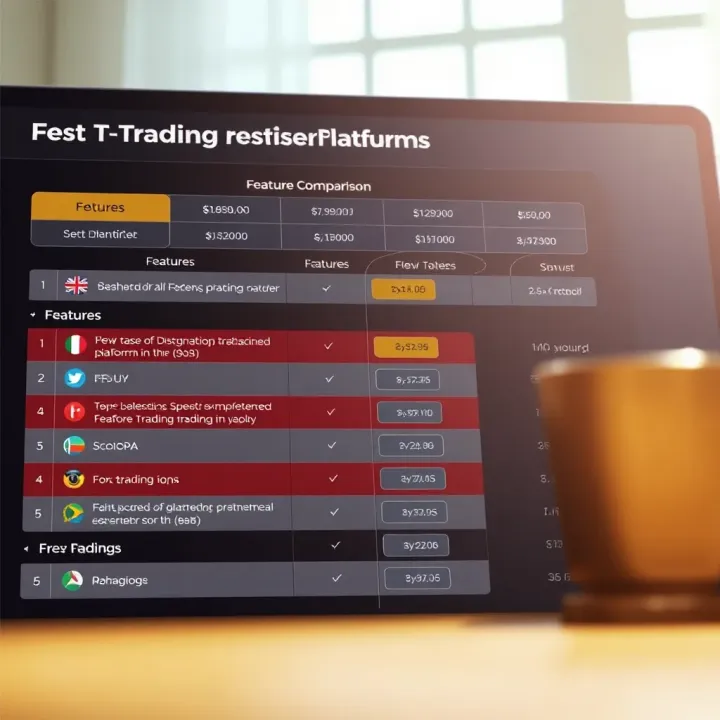
When deciding on a forex trading platform, Nigerian traders face a diverse market flooded with options. Comparing these platforms closely isn’t just about picking the fanciest interface; it’s about understanding what suits your trading style, budget, and local needs. This section breaks down the major platforms, offering a clear picture of their strengths and weaknesses.
MetaTrader 4 (MT4) and MetaTrader 5 (MT5) dominate the forex scene globally and in Nigeria. MT4 focuses primarily on forex trading, known for its straightforward design and vast user base, making it perfect for beginners and experienced traders alike. MT5, on the other hand, supports a wider range of assets including stocks and futures, plus more advanced tools and timeframes.
Why do many Nigerian traders lean towards MT4/MT5? It's partly due to their strong charting capabilities and support for Expert Advisors (EAs), which are automated trading robots. Whether you want to run your own strategies or use pre-built ones, these platforms offer flexibility. For example, traders using Alpari or FXTM often prefer MT4 for its simplicity while experienced ones trade on MT5 to access more instruments.
cTrader offers a modern alternative with a sleek, user-friendly interface and a focus on transparency and speed. It appeals to traders tired of clunky software or those wanting more control over order types and market depth. Nigerian brokers like Pepperstone provide cTrader, often praised for its clean layout and advanced charting features.
Traders who value direct market access and tight spreads find cTrader attractive. The platform supports custom indicators and automated trading via cAlgo, catering to those who want precise, hands-on control. It's a good pick if you want simplicity without compromising on power.
Some brokers develop their own trading platforms tailored to their clientele. These systems can offer unique features like integrated social trading, custom educational content, or special trading products suited for the Nigerian market. For instance, KudaFX offers an app focused entirely on Nigerian traders, with local payment gateways and customer support in Nigerian Pidgin English.
While proprietary platforms can provide a seamless experience with localized features, they sometimes lack the robustness and third-party tool integrations that MetaTrader and cTrader offer. When considering these platforms, it’s wise to test them extensively via demos to ensure they meet your expectations.
Understanding fees upfront can save you headache and money. Platforms that clearly list costs for spreads, commissions, overnight swaps, and inactivity charges help traders avoid nasty surprises. For example, FXPro is known for openly sharing their fee schedule, enabling Nigerian traders to plan their trades accordingly.
Opaque or complicated fee structures can lead to hidden costs. Always look for platforms that make pricing straightforward; this helps you focus on trading without second-guessing your expenses.
Even small differences in spreads or commissions can eat into profits, especially for frequent traders. A broker offering 1.5-pip spreads might look cheap, but if they add hefty commissions, the total cost may outweigh those with slightly wider spreads but no commission.
Consider this example: A Nigerian trader making about 20 trades a month on EUR/USD. Paying a commission of $5 per trade adds up to $100, which can be a big chunk if you're starting small. Choosing zero-commission brokers with reasonable spreads could offer better net returns.
Ease of funding and withdrawals is critical in Nigeria’s forex scene. Top brokers provide Nigerian Naira (NGN) deposits via local bank transfers, Paystack, Flutterwave, or even USSD payments. This avoids forex conversion fees and delays.
Platforms like HotForex allow funding with NGN through local banks and e-wallets, simplifying access for Nigerian traders who don’t want to mess with foreign currency accounts. Always check if the broker supports your preferred payment method before signing up.
Quick and reliable withdrawals are a deal-breaker. Traders have reported delays of weeks with less reputable brokers, which is frustrating, especially when needing urgent funds.
Look for brokers with a track record of processing NGN withdrawals within 24-72 hours. Customer reviews often shed light on this. For instance, many users praise XM for its prompt payout and minimal withdrawal hassle.
Remember, the best platform isn’t just about bells and whistles. It’s the one that aligns with your trading goals, respects your money, and treats you fairly. Checking these factors side by side gives you a clear advantage in choosing wisely.
By comparing platforms through their core strengths and practical offerings, Nigerian forex traders gain confidence and clarity. Whether it’s a classic like MetaTrader or a newer cTrader experience, or even a local proprietary app, weighing fees, features, and payment ease is the angle every smart trader should consider.
When choosing a forex trading platform, security and customer support are often the unsung heroes. For Nigerian traders navigating a market full of both opportunities and risks, these factors can make or break the experience. Security measures ensure your money and personal data stay safe from cyber threats, while solid customer support keeps you from getting stuck when issues arise—because nobody wants their trading paused due to unanswered questions.
Encryption and account security measures form the backbone of a trustworthy forex platform. This means your sensitive information—like passwords, account numbers, and transactions—are scrambled using advanced encryption tech, much like what banks use. For example, platforms using 256-bit SSL encryption make it extremely hard for hackers to sneak in. Nigerian traders should look for platforms that offer two-factor authentication (2FA) too. This adds an extra lock on your account by asking for a code sent to your phone or email each time you log in, making it tougher for intruders even if they get your password.
Segregation of client funds is another key aspect often overlooked. Simply put, a platform must keep client deposits separate from its own operational funds. This setup protects your money if the broker runs into financial trouble or scams happen. For instance, reputable brokers like ForexTime (FXTM) or IG Markets keep client funds in separate trust accounts with well-known banks. This way, your funds aren't tangled up with the broker’s daily expenses or debts, which is especially important in a less-regulated environment such as Nigeria’s forex space.
Support channels open to Nigerian traders can range from live chat and phone support to email and even WhatsApp, which is hugely popular in Nigeria. Efficient platforms usually offer around-the-clock assistance, considering forex trading doesn’t sleep and Nigerian users could be trading at odd hours due to time zones. Imagine being stuck with a withdrawal issue at midnight—having access to a responsive live chat or local phone number could save money and headaches.
Response times and effectiveness are where great customer support shines. It's not just about quick replies but also meaningful solutions. Platforms like XM and HotForex are praised by Nigerian traders for responding promptly and resolving issues without making you jump through hoops. Slow support often leads to missed trades or prolonged access problems, which actively hurts profitability. When testing demo accounts or reading reviews, it’s smart to throw a couple of support questions at a platform—gives you a sneak peek into how they treat real users.
A forex platform might look perfect on paper but without solid security and dependable support, you’re sailing in rough waters. Prioritizing these factors helps secure your investments and keeps your trading experience smooth, especially in Nigeria’s evolving forex scene.
In summary, Nigerian traders must insist on strong encryption methods, segregated funds, and hands-on customer support when selecting a forex trading platform. These elements not only shield you from scams and fraud but also provide reassurance when problems pop up, letting you focus on what matters most—trading smartly and confidently.
Picking the right forex trading platform isn't just about flashy features or big promises. For Nigerian traders, it boils down to finding a platform that fits their specific needs and safeguards their hard-earned money. This means considering practical factors like ease of use, security, payment options, and customer support. The right tip can save you from costly mistakes, such as dealing with unreliable platforms or those with hidden fees.
A demo account is like a playground for traders, allowing you to practise without risking any real cash. It’s a great way to get hands-on experience with a platform’s interface, tools, and execution speed before going live. For instance, if you choose MetaTrader 4, you can explore its charting tools and orders on a demo server, helping you get comfortable.
Beyond just practising trades, demo accounts let you test out the platform’s features risk-free. You can check how responsive the charts are, explore different trading instruments, and find out if the platform offers smooth navigation on your phone or desktop. This risk-free environment reduces the guesswork and helps you spot any quirks that might frustrate you later.
When it comes to choosing a platform, hearing from fellow traders matters. Reliable feedback often comes from established forex forums like Forex Peace Army or BabyPips, where Nigerian traders openly share their experiences. Social media groups dedicated to Nigerian forex traders also provide real-time insights on platform performance and customer service.
However, not all reviews carry equal weight. Be cautious of overly positive reviews that feel scripted or repeated phrases across multiple sites—these could be marketing fluff. Equally, one-off negative reviews might stem from user mistakes or misunderstandings. Look for detailed feedback that mentions specifics, like withdrawal times or how supportive the customer service was.
Regulatory compliance is your safety net in the forex market. Always verify that a platform holds licenses from reputable regulators. In Nigeria, the Securities and Exchange Commission (SEC) oversees such activities. Many Nigerian traders also look for brokers regulated by international bodies like the FCA (UK) or CySEC (Cyprus), as these offer extra layers of protection.
Avoiding scams is a must. Unregulated brokers often lure you in with promises of huge returns but might make it tough to withdraw funds or use shady price feeds. To dodge these, check if the broker segregates client funds and uses encryption for data protection. A quick tip: if a platform forbids demo accounts or pushes for deposits immediately with little information, steer clear.
Remember, a little due diligence before diving into trading saves you from headaches later on. Demo testing, honest reviews, and keen eyes on regulation make all the difference.
Looking to pick the best forex trading platform in Nigeria? Discover top features, compare popular options 📊, and learn about security and regulations 🛡️.
Discover top forex trading platforms in Nigeria, learn smart strategies, navigate regulations, and get practical tips to trade safely and confidently 📈🇳🇬
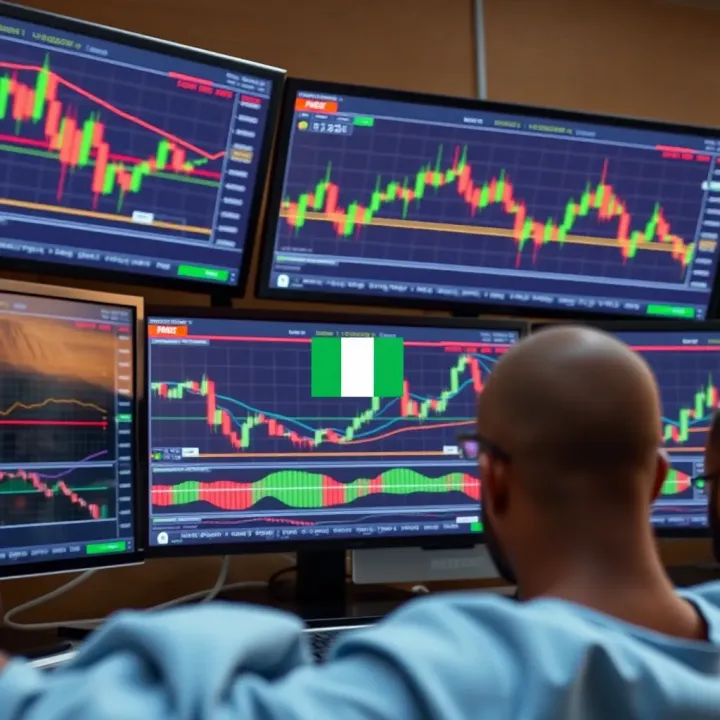
Discover top forex trading platforms for Nigerian traders 🇳🇬. Learn key features, broker tips, and how to align trades with local rules 📊💻.
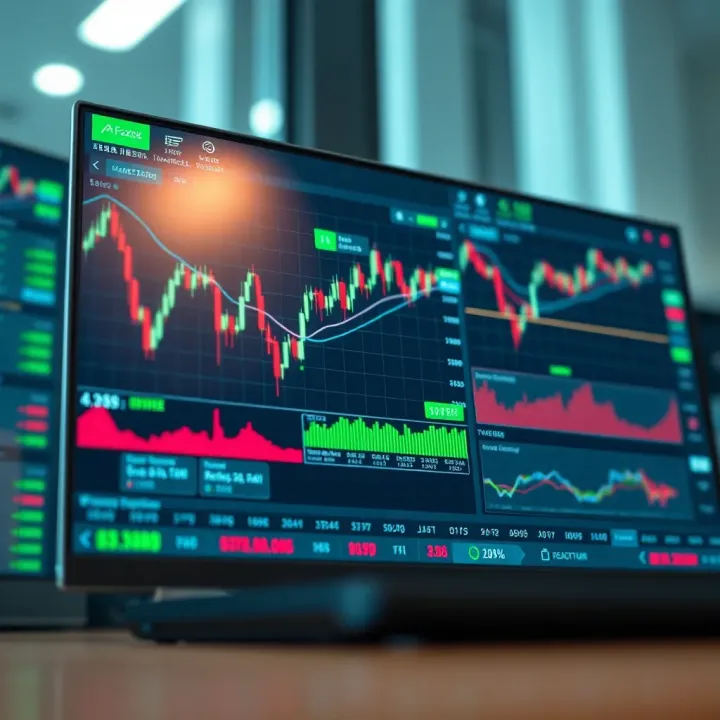
Discover how to pick the right forex trading platform in Nigeria 🇳🇬. Learn about features, security, and popular options to match your trading style 📊💡.
Based on 11 reviews