
Best Forex Trading Platforms in Nigeria
Looking to pick the best forex trading platform in Nigeria? Discover top features, compare popular options 📊, and learn about security and regulations 🛡️.
Edited By
Thomas White
Choosing the right forex trading platform can make or break your trading experience, especially in a dynamic market like Nigeria’s. Whether you're a seasoned trader or just dipping your toes in, finding a platform that balances reliability, ease of use, and proper regulation is no small feat.
In this article, we’ll walk you through the essentials of forex trading platforms available to Nigerian traders. You’ll learn what features to look for, such as user-friendly interfaces, fast execution speeds, and trustworthy regulatory oversight. Plus, we’ll highlight some popular platforms that suit different trading styles and needs.
Navigating the forex market without the right platform is like setting sail without a compass – you need a tool that guides you clearly and accurately.
By the end of this guide, you’ll be better equipped to pick a forex platform that fits your goals, whether you want something simple to start or a powerhouse with advanced features. So, let’s get started and cut through the clutter to help you trade smart.
To get a grip on forex trading platforms in Nigeria, it’s important first to understand the bigger picture of the forex scene here. Nigeria's forex market is buzzing with activity, drawing in traders from all walks of life — from young tech enthusiasts in Lagos using their smartphones to seasoned investors based in Abuja.
Understand this: the local market dynamics shape how traders pick their platforms. For instance, because of frequent power and internet fluctuations in some areas, traders often lean towards platforms that are light on resources and provide offline or low-data modes.
A trading platform that doesn’t falter during a laggy moment could save a Nigerian trader from losing a significant deal, especially when the naira faces sudden volatility.
Real-world advantage comes into play when platforms offer localized services—like accepting payments through popular Nigerian banks or fintech apps such as Paga or Paystack—making deposits and withdrawals smoother.
This overview sets the stage by explaining why some platforms catch on more than others, based on what Nigerian traders need practically, not just what features look good on paper.
Choosing the right forex trading platform is like picking the right tool for a job—it can make all the difference between a smooth experience and a frustrating one. For Nigerian traders, this decision involves weighing several critical features to ensure the platform fits their trading style, goals, and even local market peculiarities. Picking a platform just because it's popular or flashy won’t cut it; what's needed is something functional, secure, and tailored to practical use.
A user-friendly interface is the backbone of a positive trading experience. A cluttered or overly complex platform can leave you spinning your wheels, especially if you’re new to forex trading. Think about it like walking into a marketplace where stalls are neatly arranged and signposted—finding what you need is quick and painless. Platforms like MetaTrader 4 and cTrader shine here, offering clear layouts with customizable dashboards. An example: if you frequently switch between currency pairs, a platform that allows you to set favorites or has quick search features saves loads of time.
Variety counts when it comes to currency pairs, particularly for Nigerian traders looking to diversify or trade specific pairs like USD/NGN (U.S. Dollar vs Nigerian Naira). Not all platforms offer the same set of pairs, so it's important to select one that covers both major and exotic pairs meaningful to your strategy. Imagine you want to trade EUR/USD for stability and USD/NGN for local market moves—some platforms might not support USD/NGN at all, leaving you in the lurch.
A platform without good trading tools and analysis options is like a chef without knives. Technical indicators, charting abilities, and real-time data feeds empower traders to make informed decisions. For instance, MetaTrader 5 features advanced tools like an economic calendar, price alerts, and enhanced charting options, essential for spotting trends and timing trades effectively. For Nigerian users, having built-in news feeds that include local economic events can be a real bonus.
Smooth money flow is crucial, especially considering how some international platforms struggle with Nigerian banks or local payment services. Look for platforms that support convenient deposit and withdrawal methods like local bank transfers, Paystack, or Flutterwave. Imagine trying to withdraw your profits and having funds stuck because the platform lacks local options—frustrating, and all too common. Trading platforms like FXTM and HotForex usually support multiple payment methods suited for Nigerian users.
Trade platforms are not just about transactions; good customer support can save traders a lot of headaches. Quick, multilingual support that understands the Nigerian timezone and language nuances increases trust. Educational resources such as webinars, video tutorials, and articles also help traders sharpen their skills. For example, IG offers a solid education hub and 24/7 support – a handy combo for both beginners and seasoned traders.
Finally, never overlook security and regulation. Nigerian traders should verify that their chosen platform adheres to global financial standards and ideally is regulated by credible bodies like the FCA (UK) or CySEC (Cyprus). Secure encryption methods and two-factor authentication protect your account from hackers. Platforms that cut corners here risk locking you out of your own money or worse. For example, platforms like Saxo Bank provide strong compliance while offering reliable service.
Choosing the right forex platform requires considering more than just low spreads or flashy graphics. User experience, trading options, financial convenience, support, and security come together to shape your success and safety in the forex market.
Keeping these key features in mind will help Nigerian traders avoid common pitfalls and pick platforms that serve them well on their trading journey.
When it comes to trading forex in Nigeria, choosing the right platform is like picking your weapon for the fight. Nigerian traders tend to favor platforms that are not only reliable but also tailored to the country’s unique needs—considering factors like payment methods, regulatory environment, and language simplicity. These platforms get the job done with real-time data, solid analysis tools, and easy access, making them essential for anyone serious about trading forex here.
MT4 has been the go-to for many Nigerian traders because it's straightforward yet powerful. It shines with features like customizable charts, a wide range of technical indicators, and automated trading capabilities via Expert Advisors (EAs). The platform gives traders enough muscle for strategies ranging from scalping to long-term position trading. Plus, the ability to backtest trading strategies helps traders avoid flying blind.
One reason MT4 remains popular is its broad compatibility. Whether you’re rocking a Windows PC or on an Android phone during your daily commute, MT4 runs smoothly. iOS users aren’t left out either. This flexibility means you can check the markets from almost anywhere, crucial for Nigerian traders dealing with fluctuating internet access.
Almost every major forex broker around the globe supports MT4, and this includes those operating in Nigeria. Brokers like HotForex, FxPro, and OctaFX offer MT4 accounts tailored for Nigerian clients, often with local currency deposit options and support for popular payment methods like bank transfers and e-wallets. This wide broker availability gives traders room to shop around for the best spreads and terms.
MT5 is the newer sibling, bringing several enhancements to the table. Unlike MT4, which focuses mainly on forex and CFDs, MT5 supports a broader range of asset classes including stocks and commodities. It also boasts more timeframes and technical indicators, better order management, and a built-in economic calendar. These upgrades appeal to traders looking for a more detailed analysis platform.
With MT5, Nigerian traders get access to additional tools like depth of market (DOM) to see liquidity levels and advanced charting features. The platform supports algorithmic trading, and its multi-threaded strategy tester speeds up the optimization process for automated strategies. For those serious about diving deeper, MT5’s MQL5 community provides access to a rich library of trading robots and signals.
Though MT5 adoption isn’t as widespread as MT4 yet, it’s gaining traction. Progressive Nigerian brokers are encouraging clients to try MT5 because it positions them for more diverse trading opportunities, including stocks and futures. As Nigerian traders become more sophisticated, MT5’s broader feature set is becoming more appealing.
cTrader is known for its clean, modern interface which feels less cluttered compared to traditional platforms. Its intuitive design makes it easier for beginners to catch on, yet it doesn’t skimp on features for advanced traders. Widgets like one-click trading and detachable charts improve usability, especially for those managing multiple screens or trades.
A standout feature for many Nigerian traders is cTrader’s Copy Trading system, which allows users to mimic the trades of experienced professionals. This can be especially helpful given the challenges some traders face when starting out. By following seasoned traders, novices can learn faster and potentially reduce losses during their learning curve.
Though not as ubiquitous as MetaTrader, cTrader is supported by reputable brokers like IC Markets and FxPro. Within Nigeria’s marketplace, a few brokers are integrating cTrader to attract younger and tech-savvy traders who favor its sleek UI and social trading features.
A few local platforms have emerged to meet specific Nigerian needs. For instance, platforms like Pro-FX24 and Do-Fx focus on providing easy access with local payment methods and customer service in Nigerian Pidgin or local languages. These platforms aim to bridge the gap between global forex tech and local usability.
Since international payment restrictions can frustrate traders, local platforms often include options like direct bank transfers with Nigerian banks (Access Bank, GTBank) and mobile money services. This reduces friction around deposits and withdrawals, enabling traders to move money without delays or high fees.
Local platforms often navigate a trickier regulatory environment. Some register with the Securities and Exchange Commission (SEC) Nigeria or partner with licensed brokers abroad to provide legitimacy. For traders, understanding the regulatory status can be a lifesaver to avoid scams or frozen accounts. Transparency about licenses and oversight should be a red flag check before committing funds.
Choosing the right forex platform in Nigeria isn't just about features; it's equally about local support, payment ease, and trustworthiness. Picking a platform that fits your style and environment can be the difference between success and frustration.
In the end, Nigerian traders greatly benefit from knowing the ins and outs of each platform—whether it’s the trusted MT4, the upgraded MT5, the user-friendly cTrader, or the localized platforms rooted in Nigerian realities. This knowledge helps make the trading experience smoother and more profitable.
Choosing a forex trading platform isn't something to rush. It's a bit like picking the right pair of shoes for a long walk—comfort, fit, and reliability matter. The right platform can make a huge difference in your trading experience, improving efficiency, reducing stress, and ultimately protecting your money. For Nigerian traders, where the market environment has its unique quirks, it’s especially important to choose a platform that matches your needs, trading style, and even your tech comfort level.
Before diving headfirst into any platform, take a moment to ask yourself: what are your trading goals? Are you a novice looking to learn the ropes, or a seasoned trader hunting for complex tools? For those just starting, platforms with straightforward, easy-to-use interfaces like MetaTrader 4 (MT4) might be ideal because they simplify order placement and offer plenty of tutorials. On the other hand, experienced traders might lean toward MetaTrader 5 (MT5) or cTrader, which offer advanced charting and automation.
Your time horizon also matters. If you’re a day trader, you'll need fast execution and real-time data. Long-term traders might place more importance on analytical tools and risk management features. Knowing your comfort with risk and how much time you can devote helps narrow down which platform suits you best.
Many platforms offer demo accounts precisely so potential users can kick the tires before making any real commitments. Using a demo account lets you explore the trading interface, test order types, and try out analysis tools without risking a dime. For example, if you want to see how swift order execution is or whether a platform's charting tools match your style, a demo can be your safe playground.
Also, practicing with demo accounts can unveil hidden fees or complicated deposit and withdrawal processes that aren’t obvious at first glance. If a platform makes it a pain to access your demo account or lacks essential functions, it’s a red flag. Always spend a few weeks on a demo to get a true feel, especially if you intend to trade on the platform regularly.
Nothing grinds a trader’s gears like a platform that freezes or crashes right when the market moves. Reliability—meaning stable uptime without unexpected downtimes—and speed cannot be overstated.
Speed affects execution price, and delays can mean missed opportunities or unwanted slippage. For instance, if you’re using a mobile data connection in Lagos, platforms with lightweight apps like MT4 can be less frustrating compared to more resource-heavy alternatives. Moreover, ensure the platform operates well during peak market hours, considering Nigeria’s internet infrastructure sometimes fluctuates.
When checking reliability, also consider server location. Platforms hosting servers closer to Nigerian users tend to offer faster execution times. Alongside this, look for reviews or complaints regarding technical glitches. No one expects perfect, but a platform that frequently drops connection or locks up on you isn’t worth your trust.
Remember: the best trading platform is the one that feels like second nature to you, lets you trade efficiently without tech dramas, and fits your trading approach. Take your time choosing—it’s an investment into your trading success.
This careful approach to picking a platform prepares you to trade with confidence, making the most of Nigeria’s forex opportunities without falling into common pitfalls.
Navigating the forex market is no small feat, especially for Nigerian traders who often face unique hurdles. Understanding these challenges is crucial for anyone looking to succeed in forex trading here. From payment troubles to shady platforms, getting a clear picture helps you steer clear of common pitfalls and trade smarter.
One of the biggest headaches Nigerian traders deal with is payment processing, particularly when it comes to deposits and withdrawals. Many international platforms may not support local payment methods like Quickteller or Paystack, pushing traders to rely on bank wire transfers or cryptocurrencies, which can be slow or unclear.
For example, a trader trying to withdraw profits might face long delays or unexpected fees from currency conversion or intermediary banks. This creates a real problem when you need quick access to your funds. Local restrictions, like those sometimes enforced by the Central Bank of Nigeria, can also complicate cross-border transfers.
To dodge these issues, it's smart to pick platforms that offer multiple withdrawal methods suited for Nigerian users and transparent fee structures. Always testing withdrawal speed with a small amount first can save plenty of trouble.
The forex scene in Nigeria has been peppered with scams, targeting eager traders with promises of unrealistic returns. Unregulated platforms often appear attractive because they boast high leverage or zero fees, but these claims come at a cost—loss of security and withdrawal difficulties.
Many fraudsters use slick websites and social media ads to lure people in. For instance, some traders reported their accounts being frozen or closed without clear explanation after making profits, with no recourse to get their money back.
It's essential, then, to conduct thorough background checks on brokers, ensuring they are registered with bodies like the Nigerian Securities and Exchange Commission (SEC) or international regulators like the FCA or CySEC. Remember, no one wants to lose hard-earned money to a dodgy setup.
Forex trading demands quick, precise actions, but technical glitches can throw a wrench in the works, especially if they happen during critical market moves. Nigerian traders sometimes experience platform downtimes due to server overloads, poor internet infrastructure, or outdated software, which can lead to missed trades or wrong execution prices.
Imagine trying to close a position during a sharp market fall, only to find the platform frozen or disconnected—that's a recipe for costly losses. Some platforms lack local servers, adding latency and increasing the risk of slippage.
To minimize this, choosing platforms known for reliable uptime and responsive customer support is key. Also, having a backup plan, such as mobile apps or alternate internet connections, can help keep you in the game even when technical hiccups occur.
Remember, being aware of these challenges and preparing for them can save you from unnecessary losses and stress. Always prioritize platforms that offer transparent payment options, solid regulatory backing, and reliable technical performance to trade with confidence in Nigeria.
These hurdles underline why a one-size-fits-all approach doesn’t work in forex trading here. Each Nigerian trader must weigh these factors carefully before picking the platform that meets their expectations and trading style.
Landing on a solid footing is half the battle when it comes to forex trading in Nigeria. Given the surge in traders and platforms, knowing the ropes to stay safe and profitable is a must. This section lays down practical ways to protect your funds and make informed decisions, because nobody wants to learn the hard way.
Before trusting any platform, it’s essential to double-check if they’re legit. Nigerian traders should look for brokers regulated by recognized bodies like the Nigerian Securities and Exchange Commission (SEC) or even international watchdogs such as the Financial Conduct Authority (FCA) or the Australian Securities and Investments Commission (ASIC). For example, a broker claiming to be licensed but not listed on these official registries is a red flag.
Checking credentials isn’t just about regulation. It’s wise to read user reviews, look out for any history of scam alerts, and confirm that the platform employs robust security measures like two-factor authentication. One might hear about a platform offering jaw-dropping returns, but if their paperwork doesn’t check out, it’s better to walk away than risk your capital.
Jumping in with a big chunk of money sounds tempting, but it’s a fast lane to losing your shirt if you’re new. Starting small allows you to get a feel for the market’s ups and downs without the stress of risking a fortune. For instance, many brokers offer micro accounts where you can trade with as little as $10 or even less, making it easier for beginners in Nigeria to get started comfortably.
Gradually increasing your stake as you gain confidence works better than trying to hit a jackpot on your first try. This disciplined approach also protects your emotions from running wild, which often leads to rash decisions. Remember, forex trading is a marathon, not a sprint.
Forex markets don’t keep still for anyone. What worked last month might flop next week. Continuous learning should be part of every trader’s routine. This means reading up on economic news, studying chart patterns, and preferably attending webinars or online courses tailored for Nigerian traders.
Using tools available on platforms like MetaTrader 4 or 5, you can analyze trends and spot entry or exit points better. For example, knowing how to interpret candlestick charts or understanding how Nigeria’s political events affect the naira could give you an edge. Staying updated provides a clearer picture rather than guessing in the dark.
Safety and success in forex trading hinge on diligence—verifying credentials, cautious investment, and ongoing learning aren’t just tips; they’re your trading lifelines.
By focusing on these basics, Nigerian traders can navigate the forex space more confidently, dodging scams and making smarter moves that protect their hard-earned money.
Looking to pick the best forex trading platform in Nigeria? Discover top features, compare popular options 📊, and learn about security and regulations 🛡️.
Discover top forex trading platforms in Nigeria, learn smart strategies, navigate regulations, and get practical tips to trade safely and confidently 📈🇳🇬
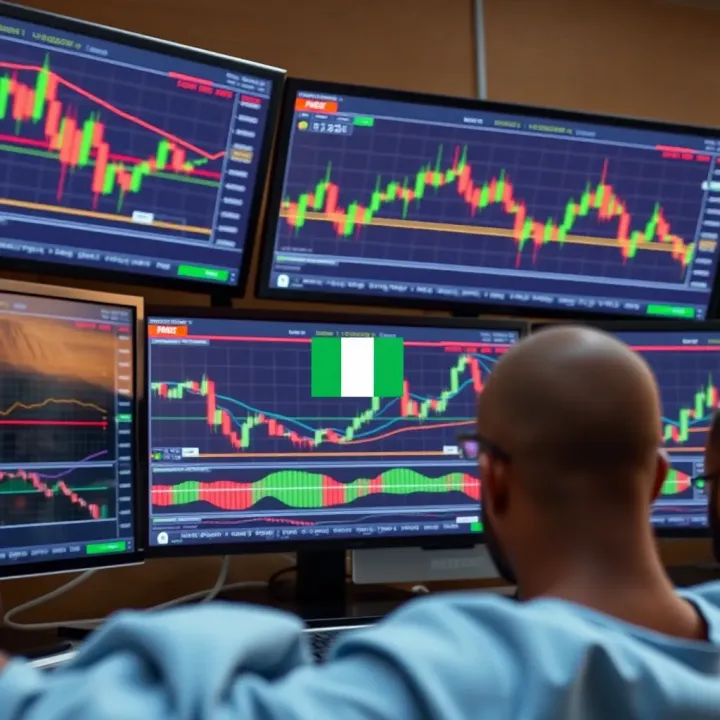
Discover top forex trading platforms for Nigerian traders 🇳🇬. Learn key features, broker tips, and how to align trades with local rules 📊💻.
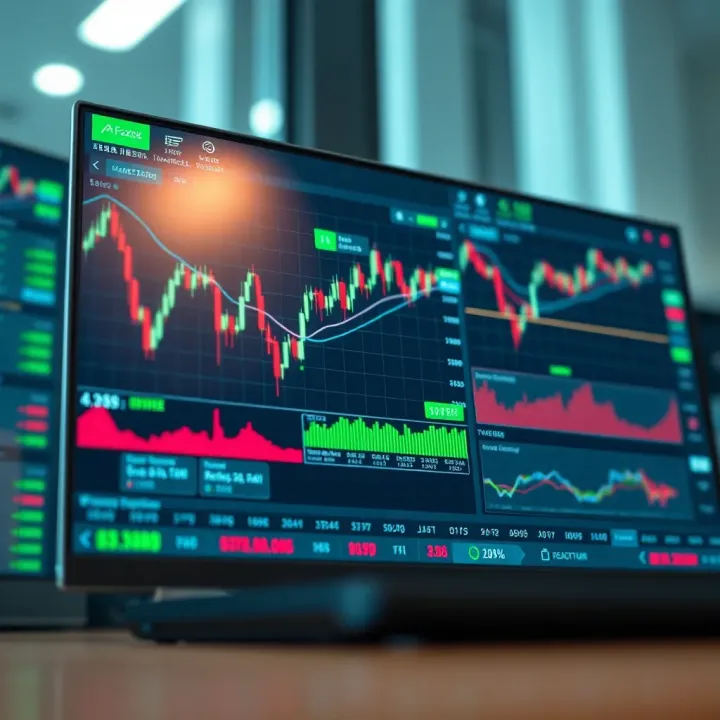
Discover how to pick the right forex trading platform in Nigeria 🇳🇬. Learn about features, security, and popular options to match your trading style 📊💡.
Based on 11 reviews