

Best Forex Trading Books for Nigerian Traders
📚 Find the best forex trading book for Nigerian traders! Learn key skills, top picks & tips to choose books matching your trading style effectively.
Edited By
Liam Sheridan
Forex trading has become increasingly popular in Nigeria, drawing attention from beginners and seasoned investors alike. But stepping into the forex market without proper knowledge is like sailing without a compass—you might drift aimlessly or crash fast. That's why having the right books as references can make all the difference.
This article highlights some of the best forex trading books that offer practical insights suited to Nigerian traders. We'll cover books that teach essential trading strategies, how to manage risks, understand market behavior through technical analysis, and even manage the psychological side of trading, which is often overlooked.
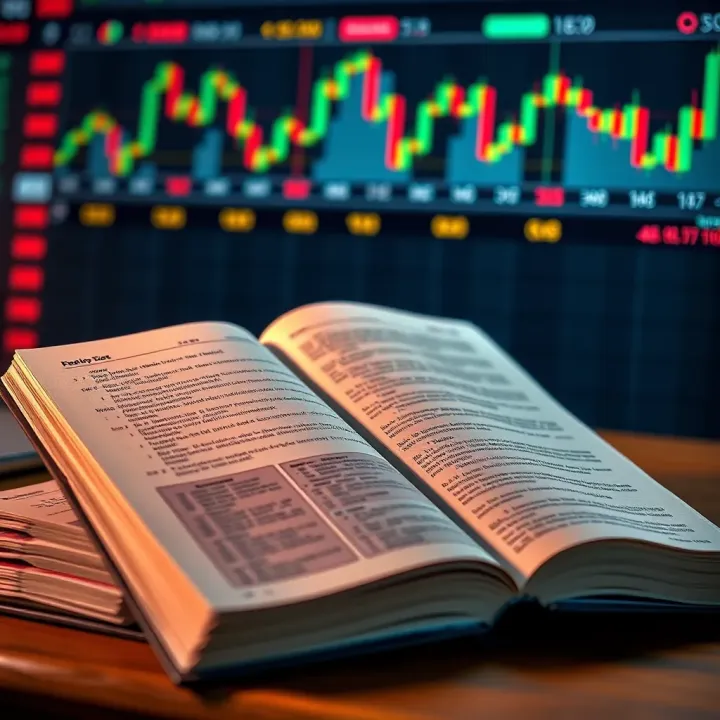
Whether you're just starting or looking to sharpen your skills, knowing which book fits your skill level and trading style saves time and money. Remember, learning forex isn’t about memorizing fancy jargon but understanding the real-world application that affects your trades.
A solid foundation in forex trading literature helps Nigerian traders navigate the currency markets more confidently and avoid common pitfalls.
In the sections ahead, we'll break down the must-read titles and share tips to help you pick the one that suits you best. Whether you trade on a mobile phone between Lagos traffic or from a quiet home office, the right knowledge is key to success.
In a world flooded with online tutorials and quick video tips, you might wonder if reading a forex trading book is still worth your time. The truth is, books offer a depth you rarely get in short videos or blog posts. This matters especially for Nigerian traders who want a solid grounding before diving into the market complexities.
Books provide a structured learning path—from the basics to more advanced concepts—that helps build a strong foundation. Unlike scattered online materials, a good book ties together different pieces of knowledge systematically. For example, reading 'Currency Trading for Dummies' gives you a clear flow from understanding currency pairs to spotting trading opportunities, which is something many tutorials gloss over.
Reading books sharpens not just what you know but how you think about trading decisions.
Books often break down forex fundamentals in a way that sticks. When you read, you get the chance to pause, reflect, and revisit concepts until they make sense. For Nigerian traders, grasping fundamentals like currency pairs, leverage, margin, and the influence of economic indicators is non-negotiable.
Take 'Forex for Ambitious Beginners' by Jelle Peters, for example. This book explains these basics using real-world examples rather than just textbook jargon. It dives into how global events affect currency moves—like how an unexpected rate change by the Central Bank of Nigeria might influence the naira paired with the dollar. Such context is often missed in shorter online lessons.
While online tutorials can be convenient, they usually skim the surface or focus on flashy strategies. Books give you the advantage of detailed insights from experienced traders and experts. They often include case studies, historical analysis, and discussions on mistakes to avoid.
For Nigerian traders, this is critical. Books like 'Trading in the Zone' by Mark Douglas deal with the psychological hurdles traders face – something easy to overlook when you’re just chasing chart patterns on YouTube. Understanding why emotions impact trading decisions can save you from costly errors, especially in volatile periods such as during Nigeria’s election cycles or economic shifts.
Further, a strong book will address risk management clearly, not as an afterthought but as a keystone principle. This helps traders to keep their accounts safe, even when the market throws unexpected punches.
In summary, forex trading books offer a reliable, thoroughly explained, and often locally applicable insight that complements practical experience. They ground Nigerian traders with knowledge and wisdom that tutorials and quick reads rarely provide.
Not all forex books are cut from the same cloth. The truly valuable ones go beyond just explaining terms; they offer real tools that can get you through the choppy waters of forex trading. For Nigerian traders, this means a book should serve not just as an introduction but as a practical manual that addresses the unique challenges present in our market conditions. The best books manage to turn complex topics into something digestible, backed by examples that make sense to everyday traders.
A top-notch forex book breaks down tricky concepts into simple bites you can chew on without feeling overwhelmed. Say you pick up "Currency Trading for Dummies" by Brian Dolan — it’s a goldmine for those who want the lowdown on how forex works, with no fluff. Imagine you’re trying to grasp what pips, spreads, or leverage really mean; a clear explanation equips you to follow the market chatter without getting lost. It’s like having a patient tutor who knows your pace.
Reading about strategies in a vacuum doesn’t cut it. Valuable forex books offer strategies you can actually test and adapt. For example, Kathy Lien's "Day Trading and Swing Trading the Currency Market" provides straightforward approaches that don’t rely on fancy jargon but focus on what you can do on your trading platform today. They often include step-by-step guides or case studies reflecting how these strategies perform under different market scenarios. This hands-on approach helps prevent traders from wandering aimlessly, hoping for a lucky break.
Money management isn’t just about not losing your shirt; it’s about carving out a method to protect your capital and stay in the game long term. Books like "The Disciplined Trader" by Mark Douglas touch on this crucial area. A valuable forex book doesn’t skip the nitty-gritty of setting stop-loss points, calculating position sizes, or managing risk relative to account size. It puts tools in your hand for surviving market swings, which is especially key for Nigerian traders who face currency volatility and regulatory quirks.
A good forex trading book acts like a well-rounded coach — teaching you the rules, showing how to play, and warning you about pitfalls. If a book misses these points, you’re better off turning the page.
In a nutshell, a forex trading book's value boils down to its practical relevance and clarity. For Nigerian traders, the best picks are those that translate global forex knowledge into insights and strategies that hold water in our local trading environment.
Starting out in forex trading can feel like stepping into a crowded marketplace without a map. That's where beginner books shine – they act as that much-needed map, guiding you through the jargon, basic concepts, and initial steps to get hands-on. For Nigerian traders eager to navigate the currency market confidently, these books lay down the groundwork.
Before diving into live trading, it’s important to get comfortable with the language of forex. Books focusing on basics and terminology help remove confusion around terms like "pip," "spread," "leverage," or "lot size." For instance, "Currency Trading for Dummies" by Brian Dolan breaks down these terms in a straightforward, no-nonsense way. Nigerian traders will find that mastering these basics early on curbs costly mistakes and builds confidence.
Another example is "Forex For Ambitious Beginners" by Jelle Peters, which not only explains terms but also introduces the structure of the forex market – the role of brokers, currency pairs to watch (like USD/NGN), and trading hours relevant to Nigerian time zones. This contextual info keeps beginners firmly grounded in their local trading environment.
After learning the lingo, the natural next step is understanding how to execute trades. Step-by-step guides are crucial here. Books like "Forex Trading: The Basics Explained in Simple Terms" by Jim Brown lay out the process in digestible chunks. They walk you through opening a trading account, understanding charts, placing orders, and managing trades.
Such guides often include screenshots or sample trades, making the learning curve less steep. For Nigerian traders, where access to in-person mentorship might be limited, these detailed directions act as a reliable stand-in. Some titles even tackle common pitfalls newbies face, like over-leveraging or chasing losses.
Remember, starting small and practicing with demo accounts—as recommended in these books—helps convert theory into action without the sting of early losses.
By investing time in these beginner-focused books, Nigerian traders create a sturdy platform to build their skills. Rather than jumping aimlessly into the market, they get clear guidance on what to learn first and how to apply it. Essentially, these books save time and money, which is vital given the risks of forex trading.
In sum, beginner books that ring true for Nigerian forex enthusiasts are those that clarify fundamentals and gently lead new traders into real-world practice. They reduce the guesswork and help traders avoid rookie traps, setting them up for steadier progress in their trading journey.
Technical analysis is the bread and butter for many forex traders, especially in fast-moving markets like forex where timing can mean the difference between a win and a loss. For Nigerian traders, understanding the patterns and indicators that signal market moves is not just useful—it’s essential. Books focused on this topic break down complex charts and technical tools into digestible lessons.
These books provide a deeper dive into the behavior of currency pairs, helping you spot trends and reversals early. For instance, when the Nigerian Naira pairs with the US Dollar experience volatility, technical analysis can guide traders whether to hold or fold. Unlike fundamental analysis, which looks at economic factors, technical analysis is all about price action, volume, and statistical tools.
Chart patterns and indicators serve as the trader’s roadmap. Whether you’re flipping through the pages of "Technical Analysis of the Financial Markets" by John J. Murphy or "Japanese Candlestick Charting Techniques" by Steve Nison, you’ll encounter well-explained visual cues that highlight probable price movements.
Patterns such as Head and Shoulders, Double Tops and Bottoms, and Triangles frequently pop up in forex charts, signaling potential reversals or continuations. Indicators like the Relative Strength Index (RSI), Moving Average Convergence Divergence (MACD), and Bollinger Bands provide quantitative data to back up what the eye sees.
Knowing how to read these patterns can save you from making impulsive trades based on emotions. For example, a classic Head and Shoulders pattern might warn you that a currently bullish market could be about to turn bearish.

Practical tip: Try to apply these concepts using demo accounts offered by brokers such as FXTM or Alpari Nigeria. This helps to see how patterns unfold in real time without risking real money.
Technical tools aren’t just for spotting patterns; they help you make decisions grounded in statistical probabilities. Forex traders in Nigeria can benefit greatly from books that explain how to use tools like Fibonacci retracements, pivot points, and moving averages to time entries and exits.
For example, a moving average crossover strategy could tell you when to enter a trade when the short-term average crosses above the long-term average—often a sign of upward momentum. Combining tools, like pairing RSI with volume indicators, can improve your confidence.
Books such as "Forex Price Action Scalping" by Bob Volman or "Trading for a Living" by Alexander Elder offer hands-on strategies to blend multiple technical indicators effectively.
Remember, no tool offers a crystal ball; rather, they help stack the odds in your favor. It’s about developing a systematic approach that works for your trading style and fits Nigerian market specifics, where forex liquidity and news events can create rapid price shifts.
When it comes to forex trading, many traders focus heavily on strategies and technical charts but often overlook a crucial aspect: the trader's mindset. Books that emphasize trading psychology and discipline help Nigerian traders not just understand the market moves but also manage their own mental game. This is essential because even with the best strategies, a lack of emotional control can wipe out gains quickly.
Trading stirs up a whole range of emotions—from excitement over big wins to anxiety during unpredictable swings. Books like Trading in the Zone by Mark Douglas really hit home on why managing these emotions matters. For example, an impulsive decision triggered by fear can lead a trader to close a good trade way too early or hold onto a losing position out of hope.
In practical terms, Nigerian traders face unique pressures: fluctuating naira exchange rates, political instability, or even occasional slumps in liquidity. Mastering emotional discipline helps keep your focus sharp and reduces the chances of panic-induced mistakes. Some books advise keeping a trading journal to note emotional reactions alongside trades; this helps spot patterns in behavior that sabotage profits.
A winning mindset isn’t just about confidence—it's also about resilience and consistency. Good trading psychology books underline the value of patience, sticking to your plan, and learning from setbacks rather than getting discouraged.
Take for example The Disciplined Trader by Mark Douglas. It pushes traders to build mental routines and embrace trading as a probability game, where losses are part of the process, not personal failures. Nigerian traders can benefit by learning how to view losses as lessons to adjust strategies, especially in volatile markets.
Developing a winning mindset also involves setting realistic goals and avoiding the trap of chasing quick riches. Books focusing on this topic provide exercises to build self-awareness and maintain discipline—skills that pay off whether you're trading forex, stocks, or commodities.
Remember: The biggest hurdle is often between your ears. Controlling your mind is as important as controlling your trades.
In short, books stressing trading psychology and discipline give Nigerian traders a mental edge. They guide you to handle stressful market conditions, avoid emotional pitfalls, and develop habits that lead to consistent profits over time.
For traders who have crossed the basics and intermediate levels, diving into advanced forex books can sharpen their edge in the market. These books go beyond charts and simple indicators, presenting complex strategies designed to navigate volatile currency markets. Such resources are particularly helpful for Nigerian traders who deal with unique regional economic variables and currency fluctuations, making advanced knowledge a powerful asset.
Experienced traders looking to elevate their game should focus on books that offer sophisticated trading tactics and in-depth market analysis. For instance, "Forex Price Action Scalping" by Bob Volman dives deep into price action strategies that require precision timing and understanding of micro-movements in the market. This kind of book doesn’t just teach how to spot a pattern; it unpacks when and why to act on it.
Books focused on algorithmic trading, such as "Algorithmic Trading" by Ernest P. Chan, also cater to the seasoned audience by detailing how to automate strategies and backtest for consistent results. Nigerian traders aiming for automation can find practical guidance here that applies to both global and local market conditions.
Moreover, analysis that integrates economic indicators, geopolitical events, and market sentiment can be found in Robert Carver’s "Systematic Trading." This book emphasizes the importance of various factors influencing forex markets — a vital lesson for traders who must interpret both international influences and Nigeria-specific issues like Naira volatility.
Understanding how to blend fundamental and technical analysis is a crucial step for any advanced trader. Books like Kathy Lien’s "Day Trading and Swing Trading the Currency Market" teach how to combine economic news releases and technical chart patterns for more informed trade decisions.
For Nigerian traders, this integration becomes essential since local economic indicators like inflation rates, CBN policies, and oil price fluctuations heavily affect currency moves. Advanced texts guide readers through aligning these fundamentals with technical setups, such as identifying support/resistance zones or momentum indicators that confirm trends.
Becoming proficient at merging these two analyses helps traders avoid relying solely on one facet, leading to more balanced and calculated trades.
Books like "Trading in the Zone" by Mark Douglas, while focusing on trading psychology, also touch on how mindset impacts the interpretation of technical and fundamental data. This holistic approach can be found in certain advanced forex books, offering a well-rounded perspective vital for long-term success.
Ultimately, advanced forex trading books are about refining skills, embracing complexity, and learning to adapt to ever-changing market environments. Nigerian traders who invest time in these materials will likely find themselves better prepared to manage risks and capitalize on opportunities, especially in a market that often dances to economic rhythms not seen elsewhere.
Picking the right forex trading book isn't just about snatching the most popular title off the shelf. It’s about finding one that fits your current knowledge, matches your trading style, and speaks to the specifics of Nigeria's forex market. With so many books out there, a targeted choice can save you time and help you grasp concepts that actually matter for your trading journey.
Before diving into a new forex book, get a clear idea of where you stand. Are you just starting and wrestling with basic terms like "pip" and "spread," or have you been trading a bit and now want strategies to boost your results? For instance, a novice should look for books like "Currency Trading for Dummies" that cover foundational concepts in simple terms. On the other hand, if you already understand the basics, books like Kathy Lien’s "Day Trading and Swing Trading the Currency Market" offer more advanced strategies and market analysis.
Getting the right fit here means you won’t be bogged down by jargon you don’t understand or bored with information you already know. Be honest with yourself, maybe even jot down a list of key concepts you’re comfortable with and gaps you’d like to fill.
Your trading style shapes what you should read next. Are you a scalper who thrives on quick, in-and-out trades? Or maybe a swing trader who likes holding positions for a few days? Each style has different needs in terms of strategy and risk management.
For scalpers, books focusing on technical analysis and fast decision-making, such as "Forex Price Action Scalping" by Bob Volman, can be incredibly helpful. Swing traders might benefit more from materials covering broader market trends and fundamentals, like "Forex Patterns and Probabilities" by Ed Ponsi.
Think about what feels comfortable and realistic for you. If you don’t enjoy staring at charts for hours, a scalping guide might not be the best match. Your personality and time availability should guide you here.
Forex trading doesn’t happen in a vacuum, especially in Nigeria. Local market conditions, regulations, and economic factors can impact how you trade. Books that touch on these realities give you a leg up.
While not many forex books focus exclusively on Nigeria, look for authors or editions that include case studies or chapters on trading in emerging markets or specifically Africa. This helps you understand how factors like the Central Bank of Nigeria's policies or the Naira's volatility affect currency pairs.
Additionally, some Nigerian brokers or trading educators publish guides that integrate local insights—these can be a treasure trove. Combining global forex principles with Nigeria’s specific context sharpens your awareness and trading decisions.
Choosing the right book means it’s not just about learning forex; it’s about learning forex in a way that works for you and the kind of market you deal with daily.
By taking these steps—assessing your knowledge, linking your style, and considering local market nuances—you’re well on your way to picking a forex trading book that really sticks and suits your Nigerian trading environment.
Accessing trustworthy forex trading books can make a huge difference for Nigerian traders looking to sharpen their skills. The right sources help ensure you’re not picking up outdated or irrelevant info. Given that forex is a fast-moving market, finding books that speak directly to your needs—and don't just shove vague or generic advice—matters a lot.
Nigerian cities like Lagos, Abuja, and Port Harcourt often have bookstores with dedicated sections for finance and trading. Shops like Laterna Ventures and Patabah Books sometimes stock forex titles catering to both beginners and seasoned traders. Visiting a physical store allows you to skim through the book, check the author's credibility, and see if the content suits your level.
Online retailers are also a solid bet, especially if local stores don’t have what you want. Nigerian marketplaces such as Jumia and Konga carry a range of forex trading books. Plus, international platforms like Amazon deliver to Nigeria, giving access to global bestsellers like "Currency Trading for Dummies" or "Forex Price Action Scalping" by Bob Volman, which might not be easy to find locally.
However, bear in mind shipping times and extra costs when ordering internationally—it can be a drag if you need the book urgently. Also, always double-check sellers’ ratings to avoid counterfeit copies or low-quality print versions.
For traders pressed for time, digital books (eBooks) are lifesavers. Platforms like Kindle and Google Play Books offer instant access to many forex titles. This convenience means you can dive into topics like risk management or technical analysis without leaving your desk.
Audiobooks are another practical option, especially if you commute within busy Nigerian cities. Audible’s library features titles such as "The Psychology of Trading" by Brett Steenbarger, which can help improve discipline and mindset while you're on the move. Just pop in your earbuds on the Lagos bus and soak up strategies.
Keep in mind, digital offerings often come with search functions and note-taking tools, making revisiting concepts easier than traditional paper books. Yet, make sure you have a decent internet connection for downloading, and consider storage space on your device.
Whether you prefer flipping pages at a local store or listening on your daily trip, knowing where to find reliable forex books tailored for Nigerian traders is key to building a strong foundation in trading. Always go for verified sources and the latest editions to keep your knowledge fresh.
In short, exploring local bookstores, Nigerian online shops, and digital formats provides a wide range of ways to grab the best forex trading resources. This variety helps you find what fits your style, budget, and learning preferences, putting you in a better spot to succeed in forex trading right here in Nigeria.
For a Nigerian trader diving into the forex market, reading books on the subject is like setting the foundation stone for a new building. But just like bricks alone don’t make a house, reading alone won’t make you a successful trader. It’s about how you digest and use the information that counts.
Taking the time to absorb lessons from well-regarded books gives you that extra edge in understanding complex market movements, mastering risk management, and interpreting price charts. But to really get value, you need clear strategies on how to study and apply what you read. Let’s explore realistic ways to squeeze the most out of those forex pages.
Taking notes while reading isn’t just for students cramming for exams — it’s a practical tool for traders to lock in key ideas and tactics. When flipping through chapters of books like "Currency Trading for Dummies" or "Trading in the Zone", jot down not just definitions, but examples that relate to your trading style or Nigerian market context. For instance, if a book explains a risk management trick, write down how it could apply to trading the USD/NGN pair, which may behave differently than major pairs.
Beyond mere note-taking, actively apply these concepts to your demo account or journal. Suppose you read about the use of stop loss orders to protect profits; try placing them in your next few simulated trades. This blend of reading and doing helps internalize strategies rather than having them float abstractly in your mind.
Writing down your goals, strategies, and mistakes creates a personal roadmap. Over time, you can look back and see what worked and what didn’t — it’s a trader’s treasure chest.
Books provide the theory, but real trading experience fills in the blanks with context and instincts. Nigerian traders can benefit greatly by pairing reading with hands-on practice, either in demo platforms like MetaTrader 4 or through small real trades.
For example, after studying a chapter on Fibonacci retracements, try spotting those patterns live. How does the Nigerian naira’s volatility affect those zones? Are there differences compared to reading about EUR/USD or GBP/USD? Doing this sharpens your sense of observation and decision-making.
Practical experience also highlights forex nuances that books might overlook. Maybe a strategy works perfectly in theory but needs tweaking for local market conditions or Nigerian trading hours. The goal isn’t to blindly follow book advice but to test, adjust, and develop your own approach.
In short, don’t treat books as gospel but as guideposts. Let experience be your true teacher while books act as your toolkit. This balance helps Nigerian traders avoid common pitfalls of over-relying on any single source and instead build real, adaptable trading skills.
When you're diving into forex trading books, especially as a Nigerian trader, it’s easy to stumble into a few traps that can slow down your progress or give you a skewed understanding of the market. Books are a solid starting point, but like anything else, they shouldn’t be taken as gospel or the sole source of truth. This section highlights common pitfalls traders face when relying on forex books and how to steer clear of them.
One of the biggest traps is treating books like the ultimate how-to guide. The forex market moves fast, influenced by real-world events and data constantly changing — something no book can keep fully up to date with. For example, a strategy that worked well in a stable USD/Naira environment might fumble if sudden political unrest shakes the market.
Books provide foundational knowledge, but relying only on them without putting theory into practice is like reading a recipe book but never stepping into the kitchen. Nigerian traders can benefit more by pairing book-learning with demo trading accounts or even small live trades to see how strategies work in real-time markets.
Knowledge without action is just information gathering; real learning happens when you apply what you read.
Sometimes, in the rush to master the market or skim through books quickly, important concepts get skipped. For instance, risk and money management might seem dry compared to flashy strategies, but ignoring this can lead to wiping out an account fast.
Missing out on mastering basics like understanding leverage, spread costs, or how economic indicators influence currency pairs will leave any trader vulnerable. Nigerian traders should slow down on complex topics until the fundamentals are crystal clear.
Consider this: a trader who jumps straight to advanced technical analysis without a solid grasp of forex basics is like trying to build a house without a proper foundation — eventually, it will collapse.
Being patient and thorough ensures a more solid trading approach, reducing costly mistakes or false expectations.
Keeping these points in mind helps Nigerian traders not just memorize but fully comprehend forex trading concepts. Avoiding these errors means using books as stepping stones, not the full pathway, ensuring better preparation in the ever-shifting currency markets.
Books remain a solid gateway to mastering forex trading, especially for Nigerian traders navigating the complexities of the currency markets. While digital content and tutorials abound, books provide a depth and structure that’s hard to beat. They break down concepts step-by-step, allowing traders to build knowledge progressively and revisit challenging topics with ease. Take, for instance, Currency Trading for Dummies by Brian Dolan—it's a favorite because it caters well to beginners, with clear explanations and practical tips.
Forex markets never sleep, and neither should a trader’s desire to learn. Continuous learning is not just a catchphrase but a necessity. The market conditions, economic policies, and geopolitical factors change regularly, influencing currency pairs. Nigerian traders, for example, must keep abreast of both global market shifts and local economic news, such as changes in the Central Bank of Nigeria’s policies or shifts in oil prices, which can ripple through forex prices.
Regularly reading updated forex books or even the latest editions can keep traders sharp. You might find new strategies or risk management techniques that weren’t common a few years ago. Practical applications include keeping an eye on books like Trading in the Zone by Mark Douglas, which frequently addresses the evolving psychology behind trading decisions.
It's tempting to treat books like the gospel of forex trading, but they should be one part of a broader learning toolkit. Books build the groundwork—they cover theories, common strategies, and fundamental principles—but real-world trading demands practical experience too.
For example, after reading about risk management, you might practice with a demo account on MetaTrader 4 or use real historical data to backtest your strategies. Engaging with Nigeria-specific forums or local trading groups can also provide insights that books miss, such as how forex brokers operate locally or how to deal with Naira exchange rate peculiarities.
Remember, trading is as much about instincts and adapting to live market conditions as it is about theory. Books give you the framework, but hands-on practice and market observation fill in the gaps.
In summary, trading books are invaluable for building knowledge and confidence but shouldn't be a trader's only resource. Keeping your education ongoing and blending theoretical learning with practical exposure leads to more consistent results and better adaptation to the ever-changing forex market environment.
📚 Find the best forex trading book for Nigerian traders! Learn key skills, top picks & tips to choose books matching your trading style effectively.

📚 Discover top books to boost your forex trading skills with expert tips on analysis, psychology, and risk—ideal for Nigerian traders at any level!
📚 Discover essential books for mastering Forex trading! From beginners to pros, learn strategies, risk management & trading psychology. Perfect for Nigerian traders.

📚 Discover top forex trading books for Nigerian traders! Learn practical tips, improve your skills, and pick the right titles for your trading goals.
Based on 14 reviews