

Best Forex Trading Books for Nigerian Traders
📚 Find the best forex trading book for Nigerian traders! Learn key skills, top picks & tips to choose books matching your trading style effectively.
Edited By
Isabella Gray
Forex trading has become a major avenue for individuals in Nigeria to explore financial independence and boost their income streams. But diving into this fast-moving market without a solid foundation can feel like stepping into a maze without a map. That’s exactly why having the right knowledge at your fingertips matters — especially the insight packed in well-chosen forex trading books.
Whether you’re just starting out or already have a few trades under your belt, the challenge often lies in finding resources that are practical, tailored to the Nigerian context, and clear enough to guide you through the unique ups and downs of forex trading here.

This guide will shine a light on some of the best books that Nigerians can turn to for understanding forex trading better. We’ll cover what each book offers, who it’s best suited for, and ways you can use the lessons to sharpen your trading skills. You’ll also get tips on how to pick the right book, based on where you stand in your trading journey and what goals you want to hit.
Trading forex isn’t just about making quick money; it’s about learning the skills, managing risks and knowing your market inside-out. Careful reading and applying the right knowledge can stop you from making costly mistakes and help you trade smarter. Think of these books as your trading companions—ready to walk you through the nitty-gritty with real-world examples and strategies that make sense for Nigerian traders.
Getting the right knowledge before you start can make the difference between burning cash and building wealth.
Let's proceed to explore which forex trading books can best equip you for the Nigerian trading scene.
When picking out a forex trading book, especially for Nigerian traders, value isn't just about the number of pages or fancy covers. What truly counts is how the book translates complicated concepts into something you can actually use in your daily trading. A valuable book should bridge the gap between theory and practice, offering insights directly applicable to forex markets that Nigerians face.
Books packed with practical strategies, clear explanations, and good risk management advice help traders avoid costly mistakes and improve profitability. For example, imagine you're trying to get a handle on how to set stop-loss orders effectively — a book that simply mentions the term isn’t enough. You want one that walks you through real scenarios, maybe showing how a trader in Lagos adjusted stops during volatile periods caused by local economic news.
In this sense, valuable books don't just talk numbers or charts; they provide actionable tips that can immediately sharpen your trading game.
A book with practical trading strategies offers step-by-step guidance you can test and refine. Consider Kathy Lien’s "Day Trading and Swing Trading the Currency Market" — it doesn’t just throw jargon around but gives clear setups and patterns traders can watch for. Such books help you avoid the "paralysis by analysis" trap by presenting straightforward trade ideas.
For Nigerian traders, practical strategies might include how to trade around Naira devaluation news or geopolitical tensions in West Africa. So always look for books that don't just stay in theory but incorporate real-life trading scenarios and actionable advice.
Forex can feel like trying to learn a different language. That's why clear explanations are crucial. A book that explains concepts in simple, digestible language naturally builds confidence. Instead of saying, "Utilize stochastic oscillators to identify overbought conditions," it might say, "Use this tool to spot when prices are about to turn down."
Clear writing pulls new traders in without feeling overwhelmed, like John J. Murphy's "Technical Analysis of the Financial Markets," which breaks down chart patterns and indicators into bite-sized, understandable chunks.
No successful trader got rich without controlling risk. So, a good forex book lays out risk management methods plainly—things like setting stop-loss points, position sizing, and avoiding the "all eggs in one basket" mistake.
For instance, a book might suggest risking only 1-2% of your total trading capital on any single trade. It could also talk about hedging techniques or how to handle drawdowns emotionally and financially. Pinpointing these lessons early can save a trader in Nigeria from blowing up their accounts due to unpredictable market swings or local economic shocks.
Theory alone won't get you far. Books that include real-world examples—charts from recent trading sessions, actual trades by well-known investors, or case studies of market events—make ideas stick.
Take a look at the examples in "Currency Trading for Dummies" by Brian Dolan; they use historical currency moves that help readers grasp what influenced price changes. Real-life stories add context and make the knowledge way more relatable, especially for those trading on platforms like FXTM or XM, popular among Nigerian forex traders.
Forex books that speak to Nigerian traders often consider local economic factors like inflation rates, currency restrictions, and political stability. For example, frequent naira devaluation or central bank announcements can upend trades if you’re not prepared.
Books that acknowledge such conditions help readers tailor their strategies, instead of blindly copying methods from foreign markets. These books often mention how global events intertwine with local markets, a must-have perspective to avoid surprises.
Many Nigerians start trading forex with modest amounts—not everyone has $10,000 lying around. Valuable forex books will offer strategies adaptable to various account sizes, emphasizing low-cost trade setups or scalable risk management.
For example, a book that gives examples based on $100-$500 accounts is far more helpful than one only dealing with big capital. Strategies that accommodate small trades, like micro lots, make learning relevant and actionable.
Nigerian traders often deal with brokers like HotForex, Alpari, or FXTM, which have their own trading conditions, spreads, and regulatory concerns. The best books address these realities, guiding traders on how to choose trustworthy brokers, spot scams, or understand trading terms specific to these platforms.
By discussing the nuances of the Nigerian forex environment, such as currency funding issues or withdrawal constraints, these books prepare the trader more realistically. This local focus is key to avoiding pitfalls that generic forex guides might overlook.
A book that understands the Nigerian market beats one filled with textbook theory any day — it speaks the trader’s language and guides them through the real hurdles and opportunities.
In summary, when selecting forex trading books, Nigerian traders should prioritize those packed with practical strategies, clear language, sound risk management advice, and relatable examples. Books that factor in Nigeria’s unique market environment and varied trader capital sizes will always deliver more value and foster better trading decisions.
Classic forex trading books are a solid foundation for anyone serious about trading, especially Nigerian traders looking to sharpen their skills. These books aren't just theory; they offer time-tested insights and methods that stand strong even as markets change. They help traders grasp both the ‘why’ and the ‘how’ behind trading moves, so you aren’t just guessing but acting with informed confidence.
At its heart, fundamental analysis is about understanding the forces that move currency prices beyond just charts and trends. It digs into economic reports, interest rates, geopolitical news, and even political developments. For Nigerian traders, it means keeping an eye on not only global events but local economic indicators like Nigeria’s inflation rate and GDP reports, which directly affect the naira.
Books like "Currency Trading for Dummies" by Brian Dolan offer practical explanations and make complex ideas approachable. Understanding fundamentals can guide your decisions, especially when unexpected news hits—like a sudden change in Nigeria's oil production impacting the currency market. Fundamental analysis helps you look past the noise and focus on what truly moves markets.
Economic indicators are the bread and butter for fundamental traders. Things like unemployment rates, inflation numbers, central bank interest decisions, and trade balances tell you whether a currency is likely to rise or fall. For Nigerian forex traders, monitoring indicators like the Central Bank of Nigeria’s monetary policies or Nigerian inflation figures can provide early signals about the naira’s future direction.
Take the U.S. Non-Farm Payroll report, for example—when it comes out, forex markets often swing wildly. Being clued into these events means you’ll know when to step in or hold back. This knowledge helps minimize surprises and creates strategies that aren’t shot in the dark but based on hard facts.
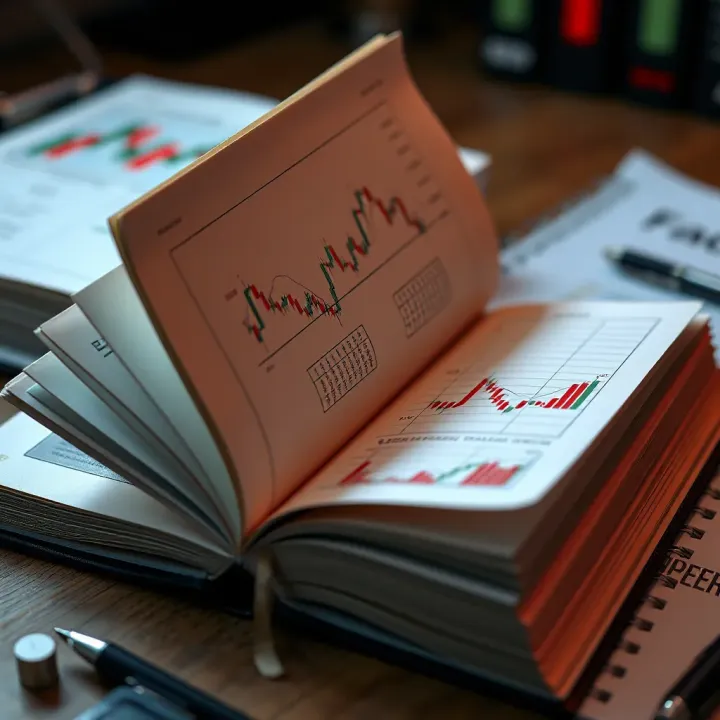
Technical analysis is like reading a trader's diary written in price movements. Recognizing chart patterns, such as triangles, head and shoulders, or double tops, is crucial because they suggest likely future price moves. Nigerian traders often find these patterns useful to spot entry and exit points in the fast-moving forex markets.
A classic book like "Technical Analysis of the Financial Markets" by John J. Murphy breaks down these patterns with real-world charts and clear examples. Mastering this helps traders avoid being stuck on bad trades and makes spotting trends or reversals second nature.
Indicators are tools that help slice through the clutter of market noise. While there are countless indicators—like RSI, MACD, or Bollinger Bands—knowing when and how to use a few well is better than patching together many.
Effective use means tailoring indicators to fit your trading style and the Nigerian market's quirks. For example, during volatile periods caused by local political events, some indicators might give false signals. Books like "Japanese Candlestick Charting Techniques" by Steve Nison offer solid guidance on combining indicators with price action.
Understand that indicators are helpers, not crystal balls. Successful traders use indicators as one piece of the puzzle, along with solid risk management and market awareness.
Classic forex books give Nigerian traders a toolbox packed with strategies and knowledge—they're a must-have for building trading confidence and skills over time.
Starting out in forex trading can feel like stepping into a jungle without a map. That's why books tailored for beginners are not just helpful—they're essential. For Nigerian traders, these books lay down a clear foundation, cutting through the noise and focusing on what really matters: understanding the basics, avoiding common traps, and starting off with strategies that don't drain your limited capital.
These beginner books often break down complex terms and concepts into everyday language, which matters a lot. Take, for instance, "Currency Trading for Dummies" by Brian Dolan—it’s renowned for making forex approachable with straightforward explanations and useful examples. This kind of book helps new traders grasp what moves the forex market and how they can keep their feet on the ground while learning.
Getting to grips with the basics is the first step in any trader's journey. Books in this category explain what forex trading really means: buying one currency while selling another, and how these pairs interact. For example, understanding how the USD/NGN pair moves in response to Nigeria’s economic events, like monetary policy decisions or oil price changes, is critical.
These books also cover the terminology that newbies often find intimidating—like pips, lots, spreads, and leverage. Recognizing these terms shapes your ability to read charts, follow the news, and make informed choices. They show how liquidity, volatility, and market sessions influence trading opportunities, helping new traders to avoid jumping in blind.
No one expects beginners to jump straight into complicated strategies like Elliott Wave or Fibonacci retracements. Instead, these books start with practical approaches that nobody should overlook, such as trend following or basic support and resistance levels.
For example, a book might suggest watching how a currency pair behaves when it hits a key price, then deciding to buy or sell based on simple signals rather than gut feelings or guesswork. Swing trading or day trading with clear entry and exit rules is often advocated. Plus, keeping strategies easy reduces stress and helps you build confidence before diving into more complex tactics.
Forex trading isn’t just numbers; it’s a psychological game. Books that focus on mindset teach traders to manage emotions like fear and greed, which often sabotage good decisions. They explain why panic selling or overtrading after a loss is a surefire way to dry up your account fast.
An example would be the advice to step away from the screen after a losing trade to cool off—simple but effective. Books like "Trading for a Living" by Dr. Alexander Elder go deep into emotional discipline and suggest journaling trades to recognize patterns in your behaviour.
Consistency beats luck in forex trading. Beginner books stress the need to stick to your trading plan—setting stop losses, not overleveraging, and avoiding impulsive trades even when the market tempts you. This discipline protects you, especially when you’re still getting the hang of analyzing market signals.
Written guides often recommend creating checklists before each trade and reviewing them regularly. Staying disciplined isn't about suppressing emotions but channeling them constructively. It’s the difference between a trader who learns and grows and one who repeats costly mistakes.
Don’t underestimate the power of mindset. Many beginners blame strategies when the real problem lies in emotional control and discipline.
In short, books for beginners often act as both a compass and a shield. They guide newcomers through the maze of concepts and protect them from pitfalls by reinforcing solid habits and realistic expectations. For Nigerian traders with tight budgets and unique market challenges, picking well-written beginner books means starting on firm ground rather than shaky footing.
Diving into advanced forex trading techniques opens up new layers to mastering the markets. These books aren't just about buying low and selling high; they center on sophisticated methods that can give Nigerian traders an edge amid global competition and local challenges like currency volatility and broker reliability. They cover complex topics like algorithmic trading systems and psychological strategies that help manage emotions—both crucial for those ready to move beyond the basics.
Algorithmic trading isn’t some distant, sci-fi concept — it’s a practical way traders use computer programs to execute orders at speeds and frequencies humans can’t match. This approach is built on pre-set rules involving timing, price, or volume. It's especially useful for Nigerian traders wanting to take advantage of rapid market movements, even when they're away from their screens.
For instance, a simple algorithm might buy a currency pair when its 50-day moving average crosses above the 200-day moving average, then sell when the opposite crossover happens. This removes emotional guesswork, sticking to strategy. Books that explain how to build and test such algorithms can be game-changers, teaching you how to code or use platforms like MetaTrader 4 or 5, which many local brokers support.
Backtesting is like a dress rehearsal for your trading ideas, letting you run your strategy against historical data to see if it holds up. It’s an essential step before risking real Naira. Proper backtesting spots weaknesses in strategies before they cause real losses.
Advanced books will guide you on setting up safe backtesting environments. You'll learn how to check for overfitting—when a strategy works great on old data but fails in live markets—and how to balance performance with risk. Practical advice, such as using broker demo accounts with actual historical data, is often shared to help Nigerian traders make the most of backtesting.
Managing risk isn’t just about placing stop-loss orders; this is where many traders trip up. Advanced money management covers dynamic position sizing, diversification, and adjusting risk based on market conditions. For example, allocating just 1-2% of your trading capital per trade can protect you from devastating losses.
Books focusing on this topic offer formulas and frameworks for allocating risk smartly. Take the Kelly Criterion or the Fixed Fractional method—these help decide how much to trade based on your success rate and risk appetite. Nigerian traders dealing with fluctuating capital due to the economy will find such techniques useful to safeguard their investments and stay in the game longer.
Even the sharpest traders are prone to mental hiccups. Cognitive biases like confirmation bias, loss aversion, or overconfidence can cloud judgment and lead to poor decisions. Recognizing these mind traps is the first step toward trading sanity.
Quality books break down these psychological pitfalls and suggest ways to fight them, like keeping a trading journal to spot recurring mistakes or using checklists before executing trades. For Nigerians, who might face additional pressure from rapid market changes or peer influence, understanding these biases is not just helpful — it’s essential.
Remember, in forex trading, your mind is both your biggest asset and your greatest risk.
Incorporating these advanced strategies and psychological insights into your trading toolbox can transform how you approach the market, making your decisions more objective and less reactive. Whether you're coding a new robot or reviewing your trading habits, these books offer a roadmap to elevate your game.
Choosing the right forex trading book can be a bit like finding the perfect fit in a sea of options. It's not just about grabbing the most popular title; it’s about finding one that matches your current skills and trading goals. Picking the wrong book can make learning confusing or even discourage you, while the right one can fast-track your understanding and boost your confidence. For Nigerian traders, this becomes even more relevant since local market factors and broker availability can influence how applicable certain strategies and advice are.
Before diving into any trading book, take a moment to assess where you stand. Are you completely new to forex or have you tried some trades already? A simple way to self-assess is to list out what you know: basics like what pips and lots are or more advanced topics like reading candlestick patterns and using indicators. This clarity helps you avoid jumping into advanced books that might overwhelm you or starting with beginner guides that don’t push you enough.
When you know your skill level, it becomes easier to select books designed for that stage. For example, if you're fresh on this, books like "Currency Trading for Dummies" by Brian Dolan can lay a solid foundation. On the other hand, if you’re comfortable with basics, you might go for "Japanese Candlestick Charting Techniques" by Steve Nison to dive deeper.
Matching your book choice to your experience isn't just about complexity; it’s also about learning style and focus areas. Some books emphasize psychology and discipline, while others zoom in on technical or fundamental analysis. For Nigerian traders, it might help to pick titles that discuss market volatility and risk management fitting smaller capital sizes common locally.
For instance, an intermediate trader balancing day trading with a full-time job may want a book focusing on efficient strategy building, like "Forex Price Action Scalping" by Bob Volman, which delivers concise, strategy-centric insights without getting bogged down in theory.
Your trading goals should guide your book choice as much as your skill level. Are you aiming to make quick profits through short-term trades or build wealth slowly with long-term strategies? Books tend to lean toward one or the other.
Short-term vs long-term strategies: Short-term traders could benefit from guides on scalping and day trading, which focus on spotting and acting on market moves within minutes or hours. For long-term traders, books like "Trading in the Zone" by Mark Douglas offer insights into mindset and consistency over extended periods.
Learning curve and time commitment: Some forex trading books are like crash courses, perfect if you need quick, actionable tips. Others demand a bigger time investment but come with rich insights into mastering trading as a craft. Be honest with how much time you can dedicate. Nigerian traders juggling other jobs may prefer books that offer clear strategies and exercises for evenings and weekends rather than dense textbooks requiring weeks of study.
Remember: A book that fits your goals keeps you motivated to read, practice, and improve, so don’t just pick based on fame or price.
Balancing your skill level with your trading goals when choosing forex books will give you a sharper edge, making your trading jaunt more effective and less frustrating. Take your time, match your needs carefully, and you’ll find yourself turning pages rather than skipping them.
Theory is a solid foundation, but in forex trading, putting knowledge into action is what sets successful traders apart. Books on forex trading offer valuable insights, but without practical experience, these lessons might remain abstract. For Nigerian traders, blending book learning with hands-on practice helps build confidence and hones decision-making skills under real market conditions.
Learning from books like "Currency Trading for Dummies" or Alexander Elder’s "Trading for a Living" gives a strong overview, but applying the strategies learned through simulation or real trading is essential. Practical experience allows traders to witness how local economic events, such as changes in Nigeria’s oil prices or CBN policies, affect currency movements firsthand.
Testing strategies without risk lets traders experiment with different approaches without the fear of losing capital. Demo accounts simulate real forex markets but use virtual money. For example, a Nigerian trader can try out a strategy learnt from books like Kathy Lien’s "Day Trading and Swing Trading the Currency Market" on a demo account to see if it performs well against the Naira's fluctuations against the Dollar.
By practicing in this risk-free environment, traders can identify mistakes and refine tactics before deploying them in live markets. It’s like training wheels—necessary before riding solo.
Tracking your progress during demo trading is just as important. Logging each simulated trade, noting why you entered or exited, and reviewing outcomes helps reveal patterns in your trading decisions. Keeping a trading journal is one practical way to do this. It makes the learning process active and reflective, transforming data into useful lessons.
Tracking results over weeks or months can show which strategies work best in different market scenarios. This disciplined approach reduces impulsive decisions and better prepares traders when they start risking real money.
Local forums and groups provide Nigerian traders with a platform to learn from real-life experiences within their market context. Places like the Forex Traders Nigeria Facebook group or the BabyPips forum section dedicated to Nigerian traders foster exchange of knowledge specific to local brokers, regulations, and trading quirks.
Peer discussions help clarify doubts on subjects like withdrawal processes from brokers like FXTM or how political instability affects the Naira. Being connected to such local groups means traders are less likely to feel isolated in their journey.
Sharing insights with peers in these communities boosts learning through collective wisdom. When you share a trading setup that worked or one that didn’t, you invite feedback and alternative perspectives that can sharpen your strategy further.
Active participation encourages discipline and accountability. It’s one thing reading about risk management in a book; it’s quite another explaining your trade choices to a group of fellow Nigerians who know exactly what local market conditions look like.
Combining forex trading books with real-world practice, especially through demo trading and active community involvement, creates a balanced approach that walks the talk. This method suits Nigerian traders well, grounding them in both global trading principles and specific local challenges.
Getting your hands on reliable forex trading books is a vital step for any trader aiming to sharpen their skills. For Nigerian traders, knowing where to find these resources can save a bunch of time and avoid wasting cash on outdated or irrelevant materials. This section points out practical places where you can score solid forex books, whether you prefer flipping physical pages or reading on a screen.
In cities like Lagos and Abuja, popular bookstores such as NGMA Bookshops and The Rainbow Bookshop tend to stock trading books, especially those covering forex concepts and techniques. Visiting these stores is handy because you can physically inspect the book’s content and gauge how deep or beginner-friendly it is before buying. Plus, local stores often have knowledgeable staff who may guide you toward the best titles suited to the Nigerian market.
Smaller towns might not have specialized stores, but checking out bigger general bookstores or even university bookstores can turn up useful finds. Often the newest forex books don’t instantly reach these spots, so it’s worth calling ahead or checking their inventory online.
If buying isn’t an option, libraries like the National Library in Abuja or university libraries can be treasure troves for forex enthusiasts. It’s worth signing up for a membership and exploring their finance and economics sections regularly. You might discover rare books or older editions that still hold valuable information.
Don’t overlook community centers and trading clubs—sometimes they maintain a small shared library where members exchange books. It’s a no-cost way to access a variety of trading strategies and perspectives without the burden of purchase.
Tip: Schedule time to visit these libraries on weekdays when they’re less busy. This way, you get uninterrupted focus time, maximizing the value of what you borrow.
For traders who prefer digital copies, platforms like Amazon Kindle, Google Play Books, or Scribd offer extensive collections of forex trading ebooks. These platforms enable quick purchases or subscriptions, making it easy to find updated editions or even rare books specific to global or Nigerian forex markets.
One advantage of ebooks is the search functionality, which helps pinpoint exact chapters or techniques without flipping through dozens of pages. Also, ebooks often come with updates or links to additional resources, making them a flexible learning tool.
Besides ebooks, Nigerian traders can buy physical forex books through reputable online marketplaces like Jumia and Konga. These platforms often feature new releases and popular titles, sometimes offering competitive prices or sales.
When choosing from these sites, always check seller reviews and ratings to ensure authenticity. Shady sellers might peddle outdated versions or pirated copies, which can be misleading. Look for listings with clear photos, detailed descriptions, and seller response history.
Being mindful of where you source your forex trading books is key to building a reliable knowledge base. Whether through local shelves or online portals, a carefully chosen book can make all the difference in your trading journey.
📚 Find the best forex trading book for Nigerian traders! Learn key skills, top picks & tips to choose books matching your trading style effectively.

📚 Discover top books to boost your forex trading skills with expert tips on analysis, psychology, and risk—ideal for Nigerian traders at any level!
📚 Discover essential books for mastering Forex trading! From beginners to pros, learn strategies, risk management & trading psychology. Perfect for Nigerian traders.
📘 Discover the best forex trading books tailored for Nigerian traders. Learn key strategies, risk management, and tips for your trading style.
Based on 11 reviews