
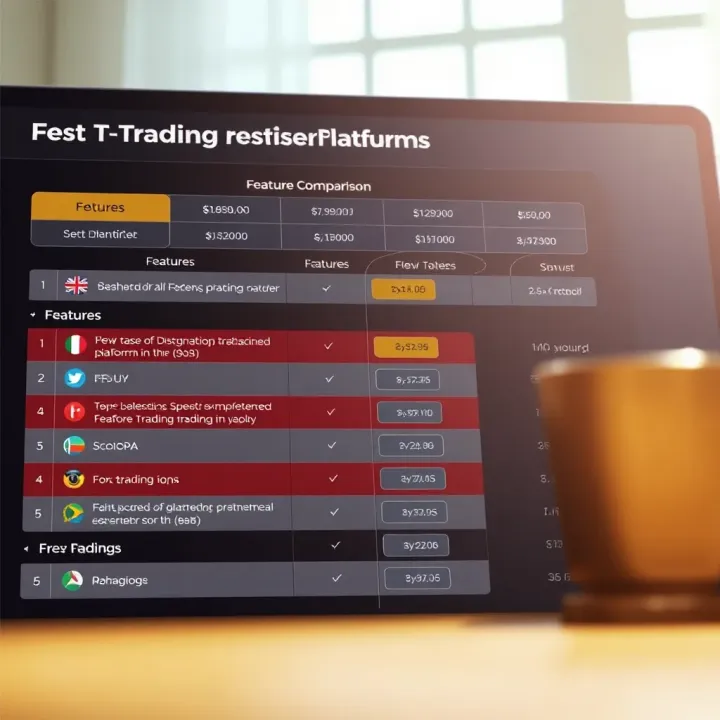
Best Forex Trading Platforms in Nigeria
Looking to pick the best forex trading platform in Nigeria? Discover top features, compare popular options 📊, and learn about security and regulations 🛡️.
Edited By
Liam Carter
Forex trading has grown significantly in Nigeria, with many individuals seeking to profit from currency fluctuations. Selecting the right trading platform is key to success. Nigerian traders face unique challenges—including naira volatility, local banking constraints, and regulatory considerations—that affect their choice of forex platforms.
Several platforms stand out for Nigerian users because they combine easy access with strong security and cost-effective trading fees. Platforms like MetaTrader 4 (MT4) and MetaTrader 5 (MT5) remain popular due to their user-friendly interfaces, advanced charting tools, and support for automated trades. Meanwhile, brokers offering platforms such as IG and XM provide good support for Nigerian traders through convenient deposit options, including NGN wallets and popular payment methods like Paystack and Flutterwave.
Security is crucial given the spate of online scams in the forex space. Platforms regulated by reputable bodies like the Financial Conduct Authority (FCA) or Cyprus Securities and Exchange Commission (CySEC) tend to provide safer trading environments. Nigerian traders should verify if their broker has local regulatory compliance or partnerships with local banks to avoid delays or blocked fund transfers.
Fees and spreads directly impact profitability, especially for small-scale traders. Spreads as low as 1 pip and zero withdrawal charges can make a big difference over time. Some platforms also charge inactivity fees, so understanding the fee structure upfront prevents unexpected costs.
Choosing a forex platform should factor in usability, security, fees, and how it fits your trading style. Platforms vary in features—from quick order execution to analytical tools—and knowing what suits your approach saves you sleepless nights.
Traders new to forex might prioritise platforms that offer demo accounts and rich educational content. More experienced investors might require advanced analytics, multiple asset options, or customisable experience. Nigerian traders should also consider platforms that support mobile trading seamlessly, given the high mobile penetration and sometimes unreliable power supply.
In summary, the best forex trading platforms for Nigerians blend accessibility, security, affordability, and practical support. The following sections will explore the top choices with a close look at what makes each platform fit for the Nigerian trading environment.
Choosing the right forex trading platform is a game-changer for Nigerian traders. A well-suited platform can save time, reduce cost, and improve your trading performance. Before committing, you want to consider features that directly affect how comfortably and securely you can trade.
Platform accessibility on mobile and desktop matters a lot. Many Nigerian traders switch between office, home, and on-the-go trading. Platforms like MetaTrader 4 or 5, with strong mobile apps and desktop versions, make trading smooth regardless of location. A platform that only works well on desktop might leave you stuck when you need to check the market quickly during a danfo ride or at a mama put break.
Ease of navigation for beginners and experienced traders is another key factor. If you’re new, cluttered screens and too many options can be confusing. Platforms that offer clean layouts, clear menus, and helpful tooltips help beginners avoid costly mistakes while building confidence. Meanwhile, experienced traders prefer platforms that allow customisation and fast access to advanced tools like multiple time-frame charts or quick order placement. A simple interface must balance ease of use with depth of features.
Importance of regulatory compliance cannot be overstated. Nigerian traders should pick platforms licensed by respected bodies such as the Financial Conduct Authority (FCA) in the UK, or the Securities and Exchange Commission (SEC) Nigeria. Regulation offers protection against fraud and gives traders a legal recourse if things go wrong. Unregulated platforms might promise high leverage or low fees but expose you to unacceptable risks.
Data protection and transaction security measures also deserve close attention. Look for platforms that implement strong encryption (SSL), two-factor authentication (2FA), and secure payment gateways. Securing your login details and funds is fundamental, especially when you deposit naira through local banks or fintech apps. Platforms lacking robust security could expose you to hacking or theft.
Charting and technical analysis options directly impact your ability to spot trading opportunities. Good platforms offer a range of charts (candlestick, line, bar), built-in indicators (RSI, MACD), and drawing tools for trend lines or Fibonacci retracements. For example, an analyst following NGN/USD pairs would benefit from seeing multiple indicators side-by-side while testing different strategies.
Available order types and automated trading are vital for flexibility. Besides standard market and limit orders, platforms offering stop-loss, take-profit, and trailing stops help manage risk precisely. Automated trading features like Expert Advisors or algorithmic scripts let experienced traders execute strategies without constant monitoring. For busy Nigerians balancing trading with work or studies, automation is a huge time-saver.
Spread and commission structures affect your profitability. Some platforms charge fixed spreads, while others have variable spreads that widen during volatile periods. For instance, a platform might offer a low spread on EUR/USD but higher charges on exotic pairs involving the Nigerian Naira. Commission fees, if any, should be transparent and fit your trading frequency. High costs can quickly eat into gains.
Deposit and withdrawal costs are especially relevant given Nigeria’s currency situation. Look for platforms that allow ₦ deposits without hefty currency conversion fees. Also, consider withdrawal limits and processing time. A trader relying on quick moves might find it frustrating if the platform takes days to release funds or charges unnecessary transaction fees. Platforms linked to local payment gateways or fintech services often provide smoother fund transfers.
Picking a forex platform based on these core features will increase your chances of success and reduce frustrations in Nigeria’s unique trading environment. Look beyond flashy ads; prioritise usability, security, tools, and cost-effectiveness to trade confidently.
Understanding the features and suitability of top forex trading platforms is essential for Nigerian traders aiming to navigate the market effectively. This overview highlights practical elements such as usability, security, cost-effectiveness, and local relevance, which directly impact your trading success. Knowing how platforms perform in these areas helps you pick options that match your trading style and financial goals.
Platform A stands out for its intuitive charting tools and real-time market news feeds tailored to Nigeria's forex environment. For example, it offers access to advanced indicators like Fibonacci retracements and pivot points that assist traders in making more informed decisions. It also supports social trading features, allowing beginners to follow seasoned traders within the platform.

This platform provides customer support through live chat, email, and phone lines, with agents conversant in Nigerian trading conditions and common challenges. They also accommodate payments through local banks and popular wallets like OPay, making fund transfers smoother. Such localised services ensure you get timely assistance without being lost in global responses.
Platform B offers a clear fee system with low spreads starting from 1.2 pips and no hidden commissions, appealing to cost-sensitive Nigerian traders. Deposit and withdrawal charges are minimal, leveraging Nigerian payment gateways to cut conversion fees. Transparent pricing means you know exactly what you pay, crucial where exchange rate fluctuations can affect profitability.
Available as a mobile app and desktop software, Platform B ensures Nigerians can trade on the go or from home. The user interface is straightforward, reducing the learning curve for beginners and allowing experienced traders to execute trades quickly. Robust platform stability means fewer disruptions, even with Nigeria’s occasional internet hiccups.
Platform C is regulated by reputable bodies such as the Financial Conduct Authority (FCA) and also complies with Nigerian regulations where applicable. This dual oversight reduces risks from fraud, assuring traders their funds and data receive protection through industry-standard encryption and segregation.
Users report reliable execution speeds and consistent withdrawal processes on Platform C, with few complaints over delays or unexpected charges. Its positive feedback from Nigerian communities adds credibility, especially where trust is a common concern due to past fraudulent schemes.
Platforms like MetaTrader 4/5, and some local brokers with international affiliations, also deserve mention. While they may lack some bespoke local support, their widespread use offers access to extensive online resources and higher liquidity.
Some emerging platforms incorporate unique features for Nigerian traders, such as real-time naira exchange rates and integration with local banks for instant funding. These tailored services reduce friction caused by currency controls and enhance trading convenience.
Choosing the right forex platform isn’t just about tools or charges; it’s about how well it fits your specific Nigerian trading needs, from customer care to local payment options.
Selecting among these platforms involves balancing features that matter most to you, so you can trade confidently amidst Nigeria's dynamic forex market."
Navigating the registration process and starting to trade can be daunting, especially for beginners. However, understanding the key steps involved saves time and avoids unnecessary hiccups. This section sheds light on what Nigerian traders should expect when signing up, making deposits, and ensuring safe trading.
Most forex platforms require basic documents to verify your identity and residency. For Nigerian traders, this usually means providing a valid government-issued ID such as a National Identity Card, driver's licence, or international passport. Proof of address is often needed too, like a recent utility bill or bank statement. This verification helps platforms meet regulatory compliance and prevent fraud.
Using the Bank Verification Number (BVN) and National Identification Number (NIN) adds another layer to this process. The BVN links your bank accounts and ensures your financial transactions are secure. Many platforms now integrate BVN checks to speed up verification. Similarly, the NIN, issued by the National Identity Management Commission (NIMC), serves as a reliable proof of identity. Providing these makes the onboarding process smoother and builds trust between you and the broker.
Forex platforms catering to Nigerian traders support various payment options. These often include bank transfer from Nigerian banks, card payments (Mastercard, Visa), and e-wallets like Opay or Paystack. Using familiar local payment methods reduces conversion delays and possible extra charges.
Managing naira exchange rates and conversion fees is equally important. Since forex trading involves foreign currencies (usually USD, EUR), deposits and withdrawals go through conversion. Exchange rates fluctuate due to market conditions and CBN policies, so it’s wise to compare fees beforehand. For instance, some platforms might convert at less favourable rates or charge hefty conversion fees. Using platforms that offer competitive rates and support direct naira deposits can save you serious costs.
Risk management is a key factor in preserving capital. Nigerian traders should use stop-loss orders and limit the size of trades relative to their total account balance. Avoiding over-leverage can prevent heavy losses when markets move against you. Regularly reviewing open positions also helps adjust strategies.
Staying updated on market news and Central Bank of Nigeria (CBN) policies can influence trading performance significantly. Currency controls, interest rate changes, or fiscal policies can affect the naira and forex markets at large. Following reliable news sources and official CBN announcements keeps you informed, enabling timely decisions and reducing surprises.
Starting with these practical steps ensures your trading journey is secure, efficient, and aligned with Nigeria’s financial environment.
Nigerian forex traders navigate a unique set of challenges that can affect their experience and results. Understanding these hurdles helps traders prepare better, avoid pitfalls, and make informed decisions. From network issues to regulatory restrictions and fraud risks, these challenges directly impact trading effectiveness and financial security.
Slow internet and platform downtime are major headaches for many Nigerian traders. Given the often unreliable power supply and network coverage outside major cities, it’s common for connection interruptions to delay order execution or disrupt live market monitoring. For example, during a sudden Forex Council policy announcement, a lagging platform can cause missed opportunities or losses. These interruptions can be frustrating, especially in volatile market conditions where timing is everything.
Reliable internet access is vital for seamless trading. Many seasoned traders in Lagos, Abuja, and Port Harcourt now rely on fibre broadband or stable mobile 4G networks, sometimes supplementing with backup sources like mobile hotspots or fixed wireless connections. Investing in good-quality routers and uninterruptible power supply (UPS) systems further insures against downtime. Traders in rural areas might find community internet centres useful, but generally, prioritising network stability goes a long way in reducing operational risks.
The Central Bank of Nigeria (CBN) enforces strict foreign exchange (FX) regulations, impacting how forex trading operates locally. For instance, official limits on dollar access and mandatory use of Bureau De Change (BDC) rates instead of the interbank rate lead to increased costs and complexities in converting naira to dollars for trading. Traders also face documentation and reporting requirements that can slow account funding.
Navigating these restrictions legally means staying updated on CBN announcements and choosing platforms compliant with Nigerian laws. Some platforms offer localised naira accounts to reduce currency conversion hassles. Brokers registered with the Securities and Exchange Commission (SEC) and licensed by CBN tend to provide safer, smoother processes. Nigerian traders should also maintain clear transaction records and use regulated payment channels like bank transfers or credible fintech services (such as Paystack or Flutterwave).
The rise of online trading attracts scammers posing as forex brokers or platforms. Recognising trustworthy platforms requires careful research. Look for platforms with transparent terms, clear customer reviews, and active Nigerian customer support. Warnings include promises of guaranteed profits, pressure sales tactics, and vague company details. For example, traders have reported losing funds to sites cloning popular platform interfaces but lacking legitimate backing.
Verifying licences and broker reputations involves checking with official bodies such as SEC Nigeria and the CBN. Legitimate forex brokers will display valid licences and adhere to disclosure requirements. Some platforms publish audit reports or collaborate with reputable global financial institutions. Nigerian traders should cross-check platform names against regulator lists and seek recommendations from established trader communities. This due diligence helps avoid costly mistakes and ensures funds are held securely.
Navigating these common challenges effectively requires Nigerian traders to stay vigilant, use reliable internet setups, observe regulatory frameworks strictly, and verify platform authenticity before investing. This approach builds a safer, more profitable forex trading journey.
Prioritise stable internet to prevent trade interruptions
Understand CBN FX rules and trade within legal boundaries
Confirm platform legitimacy by checking licences and reviews
Successfully managing these obstacles sharpens your edge, reducing stress and losses in Nigeria's evolving forex market.
Winning in forex trading doesn't just depend on picking the right platform — it involves using all its features effectively and continuously learning. Nigerian traders who tap into their platform’s full potential can avoid common pitfalls and sharpen their edge, especially in a market often influenced by local factors like CBN policies and naira volatility.
Most reputable forex platforms offer a range of education tools such as video tutorials, webinars, and articles that cover everything from basic forex concepts to advanced technical analysis. For instance, platforms like MT4 and MT5 include built-in educational content and strategy guides that help traders build confidence before risking real money.
Beyond the platforms themselves, online forums and Nigerian trader communities play a vital role. Websites like Forex Peace Army and dedicated WhatsApp groups provide spaces where Nigerian traders share real-life experiences, discuss market trends, and warn about scams. Engaging in these communities allows traders to learn from those facing similar local challenges, such as managing naira-to-dollar conversions or navigating the ember months' market behaviour.
Demo accounts give traders a risk-free way to practise. They replicate real market conditions using virtual funds, allowing beginners to explore order types and test strategies without losses. This is especially useful for Nigerians new to forex, who might be wary due to stories of scam brokers or hefty losses.
Transitioning from demo to live trading requires discipline. Start with small stakes to acclimate to the emotional pressures real money brings. Also, remember to apply risk management practices early, like setting stop-loss orders, to protect your investment once you move beyond the demo account.
The forex market is dynamic, and Nigerian traders must keep up with market changes and CBN policy updates. When the Central Bank adjusts FX regulations or interest rates, quick adaptation is critical. Ignoring these shifts can erode profits or expose traders to unanticipated risks.
Monitoring your trading performance helps identify what works and what doesn’t. By reviewing past trades and analysing indicators such as win-loss ratio or average profit per trade, you refine your approach. The best traders use these insights to tweak their strategies regularly, safeguarding their capital while aiming for consistent growth.
Taking full advantage of your forex trading platform — from education to community support and strategy adjustment — should be part of every Nigerian trader’s approach to succeed in this fast-moving landscape.
Looking to pick the best forex trading platform in Nigeria? Discover top features, compare popular options 📊, and learn about security and regulations 🛡️.
Discover top forex trading platforms in Nigeria, learn smart strategies, navigate regulations, and get practical tips to trade safely and confidently 📈🇳🇬
📱 Discover the best forex trading apps for Nigeria! Compare features, tools, and security to pick the perfect platform for your trading style. 💹🔒
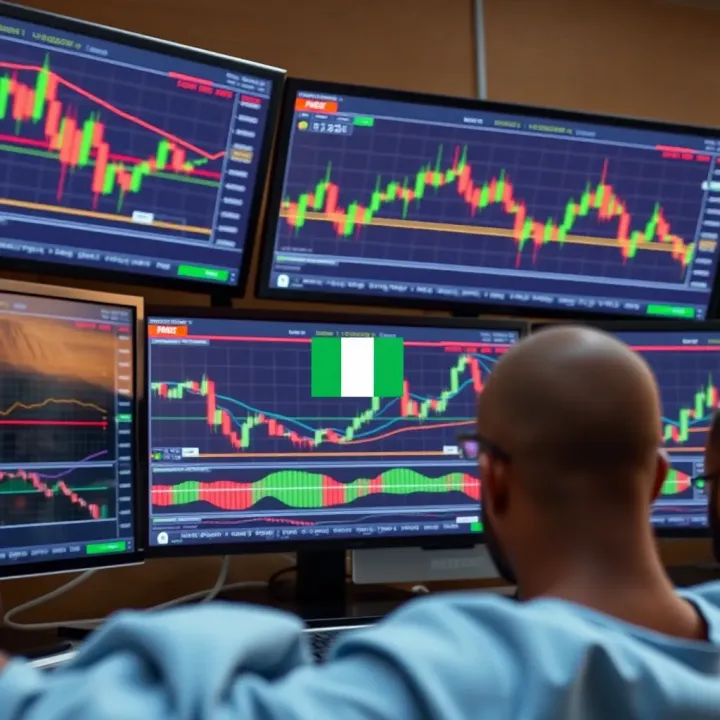
Discover top forex trading platforms for Nigerian traders 🇳🇬. Learn key features, broker tips, and how to align trades with local rules 📊💻.
Based on 10 reviews