

Best Time to Trade Forex for Nigerian Traders
Discover the best time for forex trading in Nigeria ⏰. Learn how market sessions, local time, and key events affect trading decisions and risk management 📊.
Edited By
Oliver Bennett
Starting forex trading in Nigeria requires some upfront cash, but the amount varies depending on your goals and strategy. Many beginners wonder: how much capital do I really need to begin? The truth is, you can start with as little as ₦20,000 to ₦50,000 if you use leverage wisely and pick brokers with low minimum deposits. However, that kind of small capital means you must manage risk strictly because market swings can quickly wipe out your funds.
Professional traders often use ₦200,000 or more to give themselves breathing room during trades. This not only helps cover spread and commission costs but also allows flexibility to ride the market without constant fear of an early stop-out.
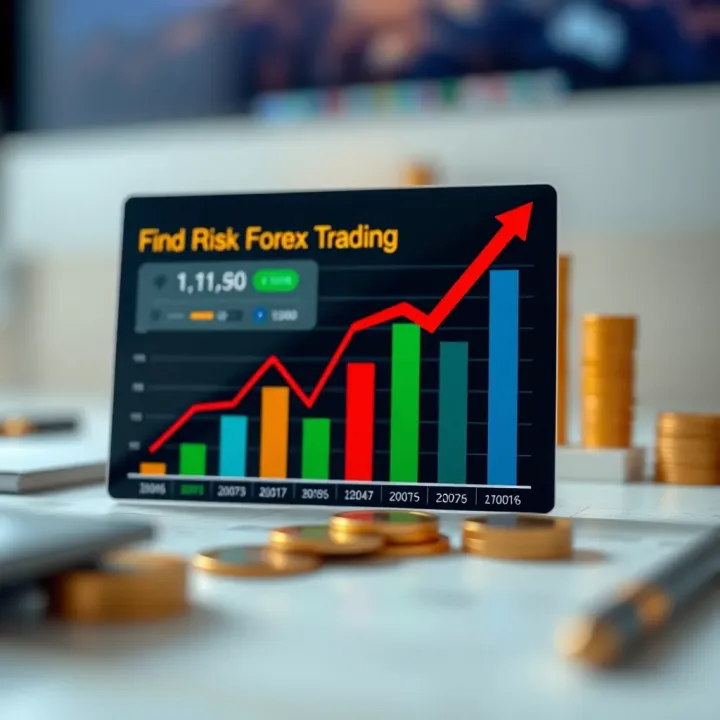
Keep in mind: Your forex starting capital isn't just the money you put into the broker. You also need to consider brokerage fees, spreads, and occasional losses.
Most Nigerian forex brokers set their minimum deposit between ₦20,000 and ₦100,000. This varies by platform and account type. For instance, some brokers offer micro-accounts where you can trade lots as low as 0.01, allowing you to start with smaller sums. On the other hand, standard accounts may require higher deposits but provide better trading conditions.
Besides the trading capital, factor in these expenses:
Brokerage fees and spreads: Brokers earn from the spread (difference between buy and sell price). Higher spreads mean more cost per trade.
Withdrawal fees: Sometimes, withdrawing your profit incurs charges.
Data and internet costs: Reliable internet is vital for timely trades and monitoring.
It's tempting to use all your funds at once, but discipline is key. The general rule is to risk no more than 1–2% of your total capital on a single trade. For example:
With ₦50,000 capital, don’t risk more than ₦1,000 on one trade.
If the trade goes against you, your loss stays manageable, allowing you to trade longer and learn.
Many successful Nigerian forex traders start small, test strategies, and build their capital gradually. Starting with realistic capital and clear budget plans reduces jaw-dropping surprises and improves your chances in the lucrative but volatile forex market.
Next, we will explore practical tips for managing your trading funds effectively in Nigeria’s market environment.
Getting a solid grasp of forex trading basics is essential before you pour your money into the market. Forex trading involves buying and selling currencies against each other in pairs, such as USD/NGN or EUR/USD. These transactions happen on a global scale and the prices change constantly based on economic news, interest rates, and geopolitical events. Understanding how these factors affect currency prices will help you make informed decisions and avoid costly mistakes.
Knowing the basics also prepares you for the risks and costs involved. For example, while forex can be lucrative, high volatility can wipe out capital quickly if you don’t manage trades properly. Plus, different brokers have varying fee structures that impact your profits. Without this knowledge, a trader might jump blindly into the market and end up losing more than expected.
At its core, forex trading is about exchanging one currency for another to profit from fluctuations in exchange rates. If you think the US dollar will strengthen against the naira, you buy USD/NGN pairs. If you expect the naira to improve, you might sell USD/NGN. The trades happen mostly through online platforms provided by brokers who connect you with the market.
Forex trading is highly liquid and operates 24 hours during weekdays, which gives traders flexibility. However, it requires constant attention and quick decision-making. An example would be a trader in Lagos who monitors news about the Central Bank of Nigeria’s policy rate because it can impact naira's value significantly.
Standard accounts usually require a minimum deposit of around $1,000 (or ₦500,000–₦600,000 depending on the exchange rate). These accounts offer larger trade sizes, often one lot equals 100,000 units of the base currency. Standard accounts suit traders who have enough capital and want to make significant trades with lower spreads. If you have comfortable funds and want to take on bigger positions, this may be the right type for you.
Mini and micro accounts allow trading with much smaller amounts, starting from $10 to $100 (roughly ₦5,000 to ₦50,000). A micro lot is just 1,000 units of currency, while a mini lot is 10,000 units. These accounts are practical for newbies or those with limited funds, as you can trade smaller volumes and test your strategies without risking large sums. For example, many Nigerians start with a micro account to get their feet wet.
Demo accounts are virtual accounts provided by brokers where you trade with fake money but real market conditions. This option is invaluable for beginners learning the ropes without risking any capital. With demo accounts, you practise opening and closing positions, understand platform tools, and refine your trading approach. Nigerian traders who spent at least a few weeks on demo accounts have a better chance of transitioning to live accounts smoothly.
Understanding these account types helps you decide where to place your money and how much risk to take, which forms the foundation of any sound forex trading plan in Nigeria.
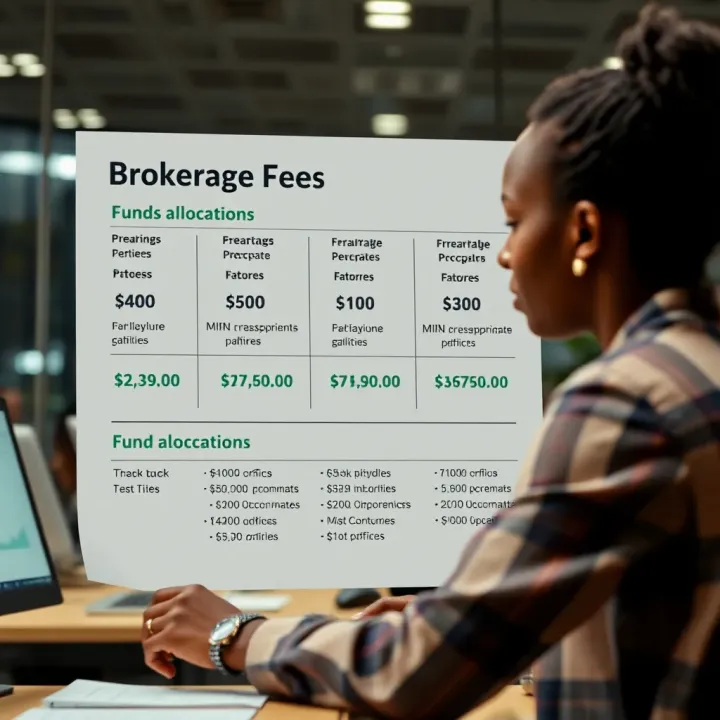
Crafting a realistic budget is the foundation of smart forex trading, especially in Nigeria where market volatility and currency fluctuations can affect your trading outcomes significantly. Having a clear picture of your financial starting point helps avoid the common pitfall of entering the market with funds you cannot afford to lose. For instance, if you allocate ₦50,000 but don't factor in the hidden costs or risks, you might end up losing more than planned, dampening your trading experience.
Most Nigerian brokers set a minimum capital requirement that can range widely, typically starting as low as ₦10,000 and going up to ₦100,000 or more for standard accounts. This minimum capital is what you’ll need upfront to open an account and start trading. For example, local brokers like Tradex Pro require about ₦20,000 minimum deposit, while international brokers might ask for higher amounts. It’s important to remember this money isn’t just an entry ticket but your working capital, so starting too low may restrict your ability to take meaningful positions in the market.
Leverage allows traders to control a larger position with a relatively small amount of capital. In Nigeria, leverage can be as high as 1:500 with some brokers, which means having ₦10,000 in your account could give you exposure up to ₦5 million. However, while leverage can amplify profits, it equally magnifies losses. It's vital to use leverage cautiously. For example, a novice trader using high leverage might face a margin call if the market moves against their position by just a small percentage. Realistically, leverage should complement your risk management strategy rather than inflate your starting capital unnecessarily.
Spreads are the difference between the buying and selling price of a currency pair and represent the primary cost of trading. Brokers typically offer either fixed or variable spreads. For instance, on the EUR/USD pair, a broker might quote a spread of 1.5 pips, meaning that the price must move at least this much in your favour to break even. Tight spreads benefit traders by lowering the cost of each trade, which is especially important for frequent traders.
Commissions refer to fees charged per trade by some brokers, on top of spreads. Not all brokers charge commissions; those that do often have lower spreads to balance the total cost. In practice, this means if you trade ₦100,000 worth of currency pairs, a commission might be about ₦100 to ₦300 per trade. It’s wise to check the broker’s fee structure thoroughly as commissions can add up quickly, especially for day traders.
Withdrawal and deposit fees may be overlooked but can chip away at your trading capital. Some brokers in Nigeria charge fees when you deposit or withdraw your funds, either a flat rate or a percentage. For example, you might pay ₦500 on every withdrawal, which can be significant if making frequent cashouts. Choosing a broker with minimal or no withdrawal/deposit fees will keep more of your money working for you.
Starting forex trading without a solid budget plan is like setting off on a trip without knowing your fare—expect surprises and setbacks. Account for minimum capital, leverage impact, and brokerage fees to manage your finances better.
Setting a realistic budget keeps expectations grounded and helps you approach the market with discipline. Your budget should cover not just minimum deposits but also fees and risk buffers. This way, your forex experience isn’t just hopeful but sustainable and deliberate.
Risk management is the backbone of successful forex trading, especially for Nigerian traders starting with limited funds. Without a firm grip on risk, even a small blip can wipe out your trading capital quickly. Forex markets are volatile, with price swings influenced by news, economic data, and political events both locally and globally. Managing risk means planning ahead to safeguard your capital against these uncertainties.
Forex trading isn’t just about making profits; it’s about protecting the money you already have. Many new traders jump in without clear guidelines on how much they stand to lose per trade, leading them to overexpose their accounts. A good rule of thumb is risking no more than 1–2% of your trading capital on any single trade. For example, if you start with ₦50,000, your stop-loss should limit losses to ₦500 or ₦1,000 per trade. This strategy helps you weather losing streaks without blowing your account.
Besides protecting money, risk management keeps your emotions in check. If you know your maximum loss upfront, fear and greed won’t control your decisions. Many traders fall into the trap of chasing lost funds or staying in losing positions too long, which drains the account faster than poor market moves.
Stop-loss and take-profit orders are vital tools for managing risk. A stop-loss sets the maximum loss you’re willing to accept, closing your trade automatically if the market moves against you. Conversely, a take-profit order locks in gains once your target price is reached.
For example, say you enter a trade on EUR/USD at 1.1500, aiming to gain 100 pips. You might place a stop-loss 50 pips below at 1.1450, setting a risk-to-reward ratio of 1:2. This means for every ₦1 you risk, you expect ₦2 in return. Such ratios help ensure profits can outweigh losses over time.
Setting these levels requires analysis of support and resistance zones, recent price action, and volatility. It is not guesswork but a disciplined method rooted in the market’s behaviour.
Many Nigerian traders lose money not because of the market but due to mistakes easily avoided:
Overleveraging: High leverage magnifies gains but also losses. Trading with 100:1 leverage on ₦10,000 means a single bad trade could wipe your account.
Ignoring Trading Plans: Jumping in without a clear strategy leads to impulsive trades and poor decision-making.
Not Using Stop-Loss: Leaving trades open without limits can cause runaway losses.
Poor Money Management: Investing too much on one trade or chasing losses can drain funds quickly.
Being mindful of these pitfalls and sticking to risk management principles preserves your capital for the long haul.
Protecting your trading capital is like maintaining your okada; without regular care and attention, it won’t serve you long on the road. The same applies to forex trading—take care of your funds, and they will take care of you.
In sum, managing risks and protecting capital forms the foundation of sustainable forex trading in Nigeria. Using stop-loss and take-profit orders alongside disciplined money management shields you from unexpected market swings. Avoiding common trading mistakes preserves your hard-earned naira and improves your chances of growing a real trading business.
Starting forex trading without a hefty budget is possible if you approach it with the right strategies. For Nigerian traders, this means focusing on building skills, choosing reliable brokers, and managing trades carefully to avoid wiping out limited capital. Here, practical tips will help you reduce losses and grow steadily, without chasing unrealistic profits.
Demo accounts are essential for beginners. They let you trade with virtual money in a real-market environment, helping you practise without risking your naira. For example, if you're new to forex, trading ₦1 million virtually allows you to test strategies, understand market movements, and get familiar with order types before going real. Several brokers, like FXTM and Pepperstone, offer demo accounts focused on local traders. Use these platforms to sharpen your skills before committing cash.
Choosing between local and international brokers depends on your priorities for accessibility and regulation. Local brokers tend to have easier deposit and withdrawal processes using Nigerian banks and popular payment options like USSD or Paga. However, they may offer fewer currency pairs or trading tools. On the other hand, international brokers provide wider forex pairs and advanced platforms but might require dealing with foreign exchange fees or slower fund transfers.
Security should be a top concern when picking a broker. Nigerian traders should check if the broker is regulated by global authorities like the Financial Conduct Authority (FCA) or local bodies such as the Securities and Exchange Commission (SEC) Nigeria. Regulation ensures your funds are protected and brokers adhere to strict standards. For instance, a broker regulated by SEC Nigeria is subject to local laws and might better support Nigerian traders in disputes. That said, unregulated brokers pose risks ranging from poor order execution to outright fraud.
Starting your trading journey with a small, manageable amount—possibly as little as ₦20,000—lets you learn the ropes without heavy losses. This way, you’re not staking large sums from the outset. As your knowledge improves and your trading plan proves profitable, you can increase your capital incrementally. Many Nigerian traders use this approach, setting aside profits from small trades to grow their portfolio steadily rather than overleverage early and risk blowing their account.
Successful forex trading doesn’t come from big leaps but from steady, informed steps. Using demo accounts, choosing a dependable broker, and scaling cautiously ensure you stay in the market longer and improve your chances of profit.
By applying these practical tips, Nigerian traders with limited funds can enter forex trading responsibly, reduce risks, and build a solid foundation for growth.
Understanding the total costs involved in starting forex trading in Nigeria helps set realistic expectations and avoid surprises. It's easy to focus just on the initial capital, but brokerage fees, ongoing expenses, and hidden costs can seriously impact profitability and capital preservation. Having a clear picture of these elements guides you in choosing the right broker, managing your budget, and making informed trading decisions.
To start forex trading, you typically need at least ₦30,000 to ₦50,000 as initial capital with many Nigerian-friendly brokers. This amount may vary depending on the account type — mini or standard — and leverage offered. Brokerage fees come mainly in spread (the difference between buy and sell prices), commissions per trade, and charges on deposits or withdrawals.
For example, a broker might offer a spread of 1.5 pips on EUR/USD with a commission of $3 per lot traded. While this sounds small, when you trade frequently or with larger volumes, these fees reduce profits or increase losses. Also, some brokers charge a withdrawal fee of ₦500 to ₦1,000 or impose minimum withdrawal limits that might affect your cash flow.
Forex trading relies heavily on stable internet connectivity to execute trades quickly and avoid slippage. In Nigeria, data can be costly, especially when using mobile networks like MTN or Airtel for heavy internet use. Traders may spend around ₦2,000 to ₦5,000 monthly on data, depending on their trading frequency and the platform’s bandwidth requirements.
Slow or unstable internet leads to missed opportunities or delayed orders, which could cost real money. Therefore, factoring in reliable data or even home broadband costs (where available) is essential for consistent trading.
Most brokers provide trading platforms like MetaTrader 4 or MetaTrader 5 free of charge. However, some advanced platforms or third-party tools for market analysis, alerts, or automated trading (Expert Advisors) may come with subscription fees ranging from ₦5,000 to ₦20,000 monthly.
Choosing basic platforms initially keeps expenses low. But serious traders who want to use specialised charting tools, news feeds, or algorithmic strategies should budget for such software fees. Remember, these tools could improve your chances of success but will also add to your overhead.
Keeping track of all these costs—initial capital, brokerage fees, data, and software expenses—helps Nigerian traders maintain profitability and avoid surprises on their trading journey.
In summary, starting forex trading requires more than just the minimum deposit. Calculating all fees ensures that the funds you set aside remain adequate for actual trading without unnecessary drains on your capital.
Discover the best time for forex trading in Nigeria ⏰. Learn how market sessions, local time, and key events affect trading decisions and risk management 📊.
Discover how to pick the best forex trading robots in Nigeria 🤖. Learn features, top options, and tips for smart trading with risk control📈.
Discover proven forex trading strategies designed for Nigerian traders 🇳🇬. Learn risk management, market analysis tools, and practical tips to boost your success 📈.

Discover top forex trading strategies 📈 tailored for Nigerians 🇳🇬. Learn to blend technical and fundamental analysis with risk management for steady profits.
Based on 15 reviews