

Best Time to Trade Forex for Nigerian Traders
Discover the best time for forex trading in Nigeria ⏰. Learn how market sessions, local time, and key events affect trading decisions and risk management 📊.
Edited By
Emily Carter
Starting forex trading in Nigeria demands a clear understanding of how much capital you need upfront. Many traders overlook key costs and risks, leading to frustration or losses shortly after beginning. This section explains the financial groundwork you must establish, helping you decide a realistic starting amount.
Forex trading allows you to buy and sell foreign currencies, but it requires more than just having money in your trading account. Minimum capital needs vary depending on the broker, your trading style, and risk appetite. For example, while some Nigerian brokers accept as little as ₦5,000 as a deposit, this amount may not be enough to withstand market fluctuations or build meaningful profits.

Starting with too small a capital often results in excessive risk-taking, which could wipe out your funds rapidly.
Broker Minimum Deposit: Most Nigerian brokers set minimum deposits ranging from ₦5,000 to ₦50,000. Choose a broker that suits your budget but ensure their offering is credible and regulated.
Leverage and Margin: Leverage can magnify profits but also losses. For instance, a 1:100 leverage means you control ₦100 for every ₦1 you invest, but wrong moves can drain your funds quickly.
Trading Style: Scalpers and day traders need more capital due to frequent trades and spread costs, whereas swing traders hold positions longer and might operate with smaller sizes.
Risk Management: Deciding how much to risk per trade affects initial capital. A common rule is risking only 1-2% of your capital per trade to avoid total loss.
Suppose you start with ₦100,000 capital and risk 2% per trade. This means a loss of ₦2,000 won't ruin your account immediately. But if you start with ₦10,000 and still risk 2%, losing ₦200 per trade can quickly drain your money given spreads and slippage.
Many newcomers imagine making quick huge gains but forget about costs like spreads, commissions, and inactivity fees. Allocating at least ₦50,000 to ₦100,000 gives you some breathing space to implement sound strategies and manage losses.
In the next parts, we'll explore risk control, how to budget your initial investment wisely, and steps to grow your forex capital steadily in the Nigerian market context.
Understanding the basics of forex trading capital sets the foundation for success in Nigeria's volatile currency market. It helps you gauge how much money you need upfront, how to manage risks effectively, and pick the right broker and account type. Starting without this knowledge is like entering a danfo without knowing the destination—you might end up far from where you want to be.
Leverage and margin requirements determine how much trading power your capital can command. Leverage allows you to control larger positions with a smaller upfront margin. For example, with 1:100 leverage, ₦10,000 in your account can let you trade ₦1,000,000 worth of currency. However, higher leverage also increases risk. If market moves go against your position, losses multiply quickly, eating into your capital. Nigerian brokers usually offer leverage between 1:50 and 1:400, but it’s wise to start conservatively, say 1:100, to safeguard your funds.
Your trading style and frequency also shape how much capital you need. If you prefer day trading or scalping—opening and closing trades within minutes or hours—you’ll require more capital to handle the rapid trades and spread costs. On the other hand, swing traders, who hold positions for days, might start with less capital since they trade less often. For instance, a scalper might need ₦100,000 or more to sustain frequent trades without risking total wipeout, while a swing trader can begin with ₦50,000.
Risk tolerance and money management affect your starting capital and how much you risk per trade. A disciplined trader risking 1-2% of their capital on a single trade might start with ₦50,000, risking ₦500 to ₦1,000 per trade. If your appetite for risk is higher, you may need more capital to cushion potential losses. Good money management means never putting all your eggs in one basket, particularly in forex where sharp swings are common.
In Nigeria, brokers regulate minimum deposit amounts to align with different trader profiles. Common minimum deposits with licensed brokers start around ₦20,000 for micro accounts. Some brokers offer accounts with ₦5,000 minimums, though these often come with restricted features or limited leverage. Non-bank Nigerian brokers like LMFX and FXTM provide different tiers catering to beginners and professionals alike.
Licensed vs unlicensed broker expectations vary greatly. Brokers regulated by bodies such as the Securities and Exchange Commission (SEC) Nigeria or the Central Bank of Nigeria (CBN) maintain transparent deposit rules and segregate client funds. This adds security and legal protection for Nigerian traders. Unlicensed brokers may offer attractive low deposits or huge leverage but carry higher risks of fund mismanagement or fraud. Always verify broker licenses before depositing funds to avoid unpleasant surprises.
Starting with the right capital considering leverage, trading style, and broker rules builds a solid base for sustainable forex trading in Nigeria. Don't rush into trading with just any amount; thoughtful planning pays off in the long run.
Understanding how much capital to start with is a key step for anyone looking to enter the forex market in Nigeria. Starting with a realistic amount helps you manage risks and keeps expectations in check, especially as a beginner. Without proper assessment, traders often jump in with either too little to make meaningful gains or too much, exposing themselves to unnecessary losses.
A starting capital between ₦20,000 and ₦50,000 strikes a practical balance for many Nigerian traders. This range is affordable for beginners while allowing enough room to apply basic risk management strategies. For example, if you risk only 1–2% per trade, you have the cushion to survive several losing trades without wiping out your account.
Additionally, this amount allows you to experiment with different strategies on real accounts, gaining experience without pressure. Using micro or mini trading accounts, available through brokers like FXTM or HotForex, helps you trade small lots, reducing exposure.

Starting with too little capital, say less than ₦10,000, often limits your ability to place meaningful trades and can lead to frustration. With very small amounts, trading fees and spreads may eat significantly into your returns. It's like trying to ride an okada with an empty fuel tank—no matter how good the driver, you won’t get far.
On the other hand, starting with a large amount of capital without enough experience may expose you to reckless trading behaviour. When the stakes are high, emotions tend to take over, leading traders to over-leverage or chase losses, which can quickly drain funds.
Deciding whether you want short-term or long-term involvement in forex trading shapes your capital planning. Short-term traders might prefer smaller capital to test strategies while keeping risks low. For instance, allocating ₦30,000 monthly for a few months can help build skills steadily.
Conversely, those aiming to trade seriously or full-time must plan for larger capital and a longer horizon. This includes preparing for months without profits during learning phases. Careful budgeting helps ensure your basic needs remain covered while you grow your trading account.
Your expected profit targets significantly influence how much capital you need. If you aim for modest gains, smaller starting capital works fine. However, ambitious goals, like earning ₦100,000 monthly, generally require a larger initial investment or highly efficient strategies.
It's important to set realistic profit expectations backed by your capital size and market knowledge. Expecting quick wealth from a small token is a recipe for disappointment. Instead, plan incremental profit growth and capital accumulation through disciplined trading.
Starting forex trading with a clear understanding of your capital needs and goals puts you on a path to more sustainable success, unlike jumping in blindly and facing avoidable losses.
Whether you have a large sum or a modest amount to start trading forex in Nigeria, managing risks is your best defence against losing capital. The forex market is notorious for its rapid price swings, and without proper safeguards, even small losses can pile up quickly. Taking practical steps to protect your investment helps maintain steady progress and avoids eroding your initial capital, which is crucial especially for beginners.
A stop-loss order acts as a safety net by automatically closing your trade once the price hits a level you set, preventing further loss. For instance, if you open a trade with ₦50,000 capital, setting a stop-loss to cut losses at ₦2,000 per trade can keep your losses manageable. Many Nigerian traders fail to use this tool, exposing themselves to avoidable large swings. Stop-loss orders help control risk, enabling you to trade with confidence without constantly watching the market.
Another key strategy is keeping the size of each trade small compared to your total capital. This means risking only a small percentage, typically 1–2% of your trading fund, on any single position. For example, with ₦100,000 capital, risking ₦1,000 to ₦2,000 per trade ensures you survive a string of losses without wiping your account. Limiting trade sizes preserves your capital over time and provides room to learn and adjust your strategies without catastrophic setbacks.
Leverage allows you to control larger positions than your capital permits, but overdoing it is like playing with fire. Many new traders in Nigeria get tempted to use maximum leverage to multiply potential gains, only to face severe losses when the market moves against them. Emotional trading compounds this risk—decisions driven by fear or greed often lead to holding losing positions too long or chasing quick profits recklessly. Keeping leverage low and sticking to your plan helps avoid these pitfalls.
Forex markets can change direction rapidly—sometimes within minutes—so ignoring volatility is a costly error. For instance, trading during major announcements like Central Bank of Nigeria (CBN) policy shifts or US Federal Reserve updates can trigger sharp moves. If traders don’t anticipate or prepare for such swings, their stop-loss orders may trigger prematurely, or worse, cause unforeseen losses. Being aware of market events and adjusting your trading size or timing accordingly protects your capital from unexpected jolts.
Protecting your forex capital is not about avoiding risks altogether, but managing them smartly so you stay in the game long enough to grow your investment steadily.
By combining precise stop-loss orders, sensible trade sizing, calm decision-making, and respect for market volatility, you build a strong foundation for trading forex profitably in Nigeria. These risk management habits turn a potentially reckless game into a disciplined financial venture.
Proper preparation of your trading capital is the foundation for success in forex. It ensures you enter the market with a clear plan, limits unnecessary risks, and builds discipline. This step isn’t just about gathering money; it’s about structuring your funds so you can trade sustainably and withstand inevitable ups and downs.
Keeping your personal and trading finances apart is essential to avoid financial stress. Mixing money meant for daily expenses or bills with your trading capital leads to emotional decisions and liquidity problems. For example, using money reserved for rent to cover losses in trading can create panic, forcing you into bad trades or withdrawals just to stay afloat.
Set up a dedicated forex trading fund—whether in a separate bank account or a digital wallet—for just that purpose. This clarity helps you understand exactly how much you can afford to risk without affecting your essential needs. It also enforces discipline, making it easier to track trading performance and manage your money effectively.
Saving up the initial capital responsibly means avoiding the temptation to start trading with money borrowed or urgently needed. Instead, slowly build your capital over time. For instance, if you decide ₦50,000 is the right starting capital, plan a savings goal and timeline to reach it without straining other parts of your finances. This approach reduces pressure and helps you trade with a calmer mindset, which improves decision-making.
Forex brokers typically offer several account types, most commonly micro and standard accounts. Micro accounts allow you to trade smaller lot sizes, which means you can start with less capital—sometimes as low as ₦10,000. This suits beginners who want practical experience while risking only small amounts.
Standard accounts require larger deposits, usually around ₦50,000 or higher, and offer the ability to trade bigger volumes. These accounts are better for traders with more experience or those who want to apply advanced strategies. Choosing the right account depends on your budget and comfort with risk. Starting with a micro account lets you test the waters without getting overwhelmed.
Before funding your real account, using a demo account is highly advisable. Demo accounts allow you to trade with virtual money on live market conditions, helping you practise strategies, understand the platform, and gain confidence without financial risk. For example, you can test how leverage works or execute stop-loss orders effectively.
By the time you switch to a real account, you reduce the chance of costly beginner mistakes. Many brokers in Nigeria, like FXTM and HotForex, offer demo accounts with no time limit, making them ideal for building skill before putting money on the line.
Separating your trading capital, choosing the right broker account, and practising on demo platforms are crucial steps that protect you from financial pitfalls and improve your chances for success in forex trading.
Starting with actual funds in your forex account marks a new chapter. It’s where theory meets practice, and the realities of market movements hit home. Knowing what to expect after this step can help you avoid surprises and stay on track with your trading goals. From dealing with losses to managing profits, being prepared is key.
Losses are unavoidable in forex trading. Even seasoned traders face losing streaks. It’s not about if you lose, but how you manage losses when they occur. Expect that some trades will go against you — this is normal. For example, Nigerian traders often encounter volatile naira-dollar pairs that swing unexpectedly, so a few losing trades should not alarm you.
Accepting losses early helps prevent emotional decisions, like chasing losses or increasing trade sizes impulsively. Instead, focus on proper risk management tools like stop-loss orders that limit your downside. Realistically, a beginner might lose 5–10% of initial capital in the first months before stabilising.
Profits usually grow alongside your trading capital and skill. Starting with ₦50,000 might earn you ₦2,000 monthly when you’re still learning, but as you gain experience and increase your capital to ₦200,000 or more, monthly profits can climb accordingly. Experienced traders understand market patterns better and make smarter decisions, which improves consistency.
However, higher capital doesn’t guarantee bigger profits without the right strategy. It’s vital to grow your account cautiously. For instance, a trader who rushes to invest ₦1 million without mastering market dynamics may face significant losses.
You should consider adding more funds only after demonstrating consistent profitability over several months and managing risks well. Suppose you have grown your initial capital from ₦50,000 to ₦70,000 steadily; this shows you understand the market and can handle pressure.
Other signs include sticking to trading plans, maintaining discipline under stress, and avoiding emotional trades. If you are tempted to deviate frequently or face big losses regularly, it’s wise to hold off increasing capital.
Reinvesting profits means putting your trading gains back into your account to grow it gradually. This method promotes cautious growth and rewards disciplined trading. For example, if your account grows from ₦50,000 to ₦60,000, adding the ₦10,000 profit back helps build a stronger base without extra financial risk.
On the other hand, adding external funds involves depositing fresh capital from outside your trading gains. This can speed up growth but increases risk exposure. For Nigerian traders, balancing reinvestment with external funding is smart — don’t overcommit personal savings that you cannot afford to lose.
Remember, increasing capital should align with your readiness and strategy, not impatience or pressure to make quick gains. Careful planning after funding your forex account sets the stage for longer-term success.
Discover the best time for forex trading in Nigeria ⏰. Learn how market sessions, local time, and key events affect trading decisions and risk management 📊.

Discover how to pick the best forex trading robots in Nigeria 🤖. Learn features, top options, and tips for smart trading with risk control📈.
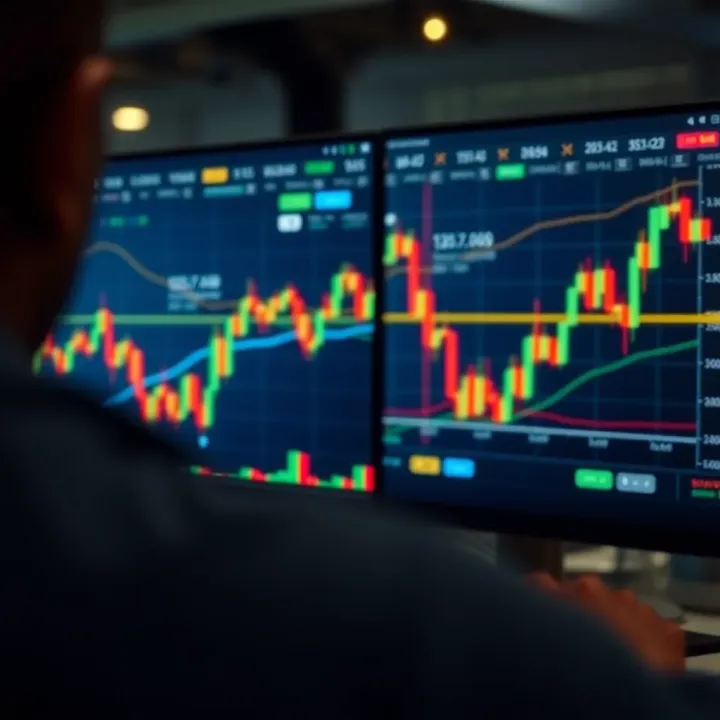
Discover proven forex trading strategies designed for Nigerian traders 🇳🇬. Learn risk management, market analysis tools, and practical tips to boost your success 📈.

Discover top forex trading strategies 📈 tailored for Nigerians 🇳🇬. Learn to blend technical and fundamental analysis with risk management for steady profits.
Based on 15 reviews