
Choosing the Best Forex Trading Indicator
📈 Discover how to pick the best forex trading indicators 🎯 for Nigerian traders. Learn strengths, pitfalls, and strategies to improve your trades effectively.
Edited By
Isabella Green
Forex trading does not happen around the clock, even though it feels like markets never sleep. For traders, investors, and analysts, understanding when the forex market opens and closes worldwide is key to creating effective strategies. Knowing these trading hours can mean the difference between missing golden chances or falling into unnecessary risks.
Trading hours stem mainly from different time zones because forex is a global market that operates on four major sessions: Sydney, Tokyo, London, and New York. Each session opens and closes at fixed times, and their overlaps present higher liquidity and volatility, which traders can exploit. For example, the London and New York sessions overlap roughly between 2 pm and 5 pm Lagos time, offering the best opportunities for active trading due to increased market activity.
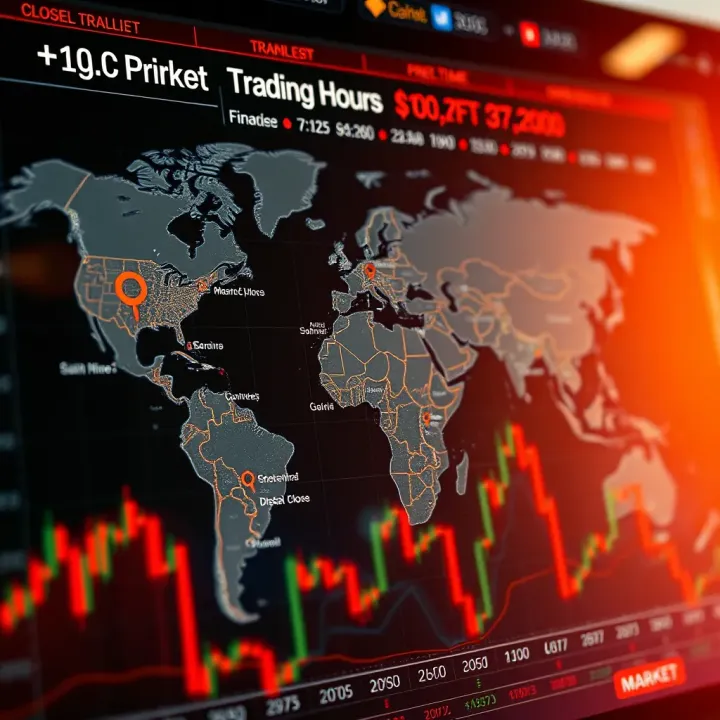
Timing is not just about clock hours; it shapes how price moves, market volatility, and trade execution. Nigerian traders need to sync their trading plans with these active sessions for better timing and profit optimisation.
Here are the key forex trading sessions with their timings relative to Nigerian time (WAT):
Sydney: 9 pm to 6 am
Tokyo: 12 am to 9 am
London: 8 am to 5 pm
New York: 1 pm to 10 pm
Trading during these hours affects the spreads, slippage, and price action. For instance, trying to trade during the Sydney session’s slow hours may lead to wider spreads — meaning Nigerian traders pay more for entering or exiting trades.
It’s useful to identify the overlap between sessions where liquidity surges, often noticed between London and New York sessions. During this period, currency pairs like EUR/USD and GBP/USD typically show more price movement and tighter spreads.
Managing time zones is also critical. Since Nigeria is in West Africa Time (WAT), some traders find it challenging to adapt to market hours that start late at night or continue into the evening. Using reliable trading platforms with good alert systems helps mitigate missing crucial market moves.
In the next section, we will look deeper into how these trading times impact strategy design and risk management specifically for Nigerian traders navigating local market realities such as naira volatility and power supply challenges.
Understanding the hours during which the forex market operates is essential for any trader, especially those in Nigeria dealing with global currency pairs. Forex trading does not follow the typical 9-to-5 pattern like other markets. Instead, it functions almost round the clock, thanks to its global nature. This 24/7 operation means there are always opportunities to buy or sell currencies, but knowing when these opportunities peak can make a real difference in trading success.
The global nature of forex trading means trading is possible at any time because the market spans multiple countries and time zones. Unlike stock markets restricted to their local hours, forex depends on the business hours of financial centres worldwide. For example, while Lagos sleeps, traders in Tokyo or London are actively exchanging currencies. This constant activity allows Nigerian traders to access the market outside their regular work hours if they wish.
Continuation through major financial centres ensures there is little downtime between trading sessions. When one market closes, another opens across the world. For instance, after the Asian session closes, the European session begins, followed shortly by the North American session. This handover keeps liquidity flowing and price movements continuous. Nigerian traders benefit here by planning trades around these overlaps, where volume and volatility increase, presenting better chances for profit.
Closing times and weekend breaks do create pauses in forex activity. While the market operates 24 hours during weekdays, it pauses from Friday evening to Sunday evening according to New York time. Nigerian traders should note this as weekend breaks can lead to gaps in pricing when the market reopens, potentially affecting open positions. Planning trades to exit or adjust positions before weekends reduces exposure to such risks.
The Asian session (Tokyo and Singapore) starts around 12 am WAT and runs until about 9 am WAT. It tends to be less volatile compared to other sessions but plays a significant role in setting trends for currency pairs involving the Japanese yen (JPY) and other Asian currencies. Nigerian traders might find this session quieter, which suits those preferring stable price movements or using longer-term strategies.
The European session (London and Frankfurt) opens at 8 am WAT and closes by 5 pm WAT, making it critical for Nigerian traders since it aligns closely with local business hours. This session is often the most active, generating the highest liquidity and volatility, especially involving the euro (EUR), British pound (GBP), and Swiss franc (CHF). Many price movements happen here, offering chances to capitalise on sharp swings.
The North American session (New York) starts at 1 pm WAT and ends around 10 pm WAT. Its overlap with the European session is the busiest period, with maximum volume and tight spreads. Currency pairs like USD/EUR and USD/GBP see significant activity, creating both risk and opportunity. Nigerian traders who can trade during these hours, even partially, tend to experience the most dynamic market action.
Knowing when and how these forex sessions operate helps Nigerian traders plan effectively. Aligning trading activity with market hours, especially session overlaps, improves access to liquidity and sharp price moves, crucial for maximising profit and managing risk.
This overview provides the groundwork needed before diving deeper into how traders in Nigeria can navigate time zones, manage volatility, and optimise their forex trading strategies around these global market openings and closings.
Understanding forex trading time from a Nigerian viewpoint is essential for aligning trading activities with global market rhythms. The forex market operates in various sessions across different time zones, and knowing how these relate to West Africa Time (WAT) helps traders plan better. For Nigerian traders, syncing their schedules with market hours isn’t just about convenience—it affects profitability, risk management, and trade timing.
The major forex markets—Tokyo, London, and New York—each open and close at set times tied to their local zones. Nigeria operates on WAT (UTC+1), which means traders need to adjust for these time differences. For example, the Tokyo session runs roughly from 12 am to 9 am WAT, London opens from 8 am to 5 pm WAT, while New York starts at 1 pm and closes at 10 pm WAT. Understanding this helps traders participate during the most active hours, rather than missing crucial movements that happen while they sleep or work.
Scheduling trades around Nigerian working hours can be challenging. Many traders hold day jobs or attend school during the day, so the London and New York sessions partially or completely overlap with typical Nigerian office hours. That means if you try to trade the New York session fully, you may find yourself awake late into the night. However, the early London session offers a good middle ground, starting from 8 am WAT, which is easily accessible for most Nigerians. Recognising this allows traders to pick trading sessions matching their lifestyle and commitments.
Daylight saving time (DST) in the UK and the US affects these trading hours twice yearly. When London and New York adjust their clocks, the WAT difference shifts from one hour less in summer to matching times in winter, or vice versa. Traders must be vigilant to update their calendars because DST can suddenly shift session overlaps and trading windows by an hour. For example, in summer, the London session opens from 7 am WAT due to BST (British Summer Time), offering an earlier trading start. Missing these adjustments could lead to mistimed trades and unexpected market risk.
Periods of high volatility often correspond to the overlaps of major trading sessions—particularly when London and New York markets are both open. These windows, typically between 1 pm and 5 pm WAT, show increased price moves and volume, offering opportunities for active traders looking to profit from rapid market swings. Nigerian traders who understand this can focus on these hours for strategies like scalping or day trading when profit potential is higher.
On the other hand, there are times when spreads (the cost of trading) narrow, making trading cheaper. Generally, these occur during peak liquidity periods, mostly when London overlaps with Tokyo or New York. On quiet sessions or just before market close, spreads widen, and execution slows down. For Nigerians mindful of transaction costs, trading during high liquidity windows cuts unnecessary expenses and improves trade efficiency.
Personal schedules and internet connectivity also play critical roles. Many Nigerians face intermittent power supply and network challenges, especially outside major cities. Thus, selecting trading hours with stable internet and sufficient time to focus lowers the chances of slippage or losing trades due to technical issues. Morning and early afternoon sessions often coincide with stable home or office internet, making them better choices. Plus, aligning trading with your natural alertness boosts discipline and decision-making quality.
For Nigerian forex traders, pairing market knowledge with practical time management creates an edge. Understanding when global sessions align with your daily routine and infrastructure realities is part of smart trading.
By keeping these factors in mind, Nigerian traders can craft sensible strategies that fit both the global market clock and their local environment, improving profitability and consistency.
The timing of forex trading significantly influences market volatility and liquidity. Traders who understand how different trading hours affect these factors can make better decisions, avoid unnecessary risk, and optimise profits. Market activity fluctuates across the day, mainly due to when various financial centres open and close. This creates periods of high and low volatility, as well as changes in liquidity, which directly impact spreads and execution.
The London and New York sessions overlap between 2 pm and 6 pm WAT. This window is the busiest trading period of the day, featuring the highest liquidity and volatility. Banks, hedge funds, and institutional traders in both Europe and the US are active then, pushing up trading volumes. For example, the EUR/USD pair typically sees sharp price movements and tight spreads during this period, making it attractive for active traders.
From practical experience, executing trades during this overlap provides better price stability and faster execution, reducing slippage risks. However, the increased volatility also means price swings can be sudden, so traders need to use tight risk management.
The overlap between Tokyo and London sessions happens roughly from 7 am to 9 am WAT. Although not as liquid as the London-New York window, this period offers unique movement in currency pairs involving the Japanese yen (JPY), British pound (GBP), and euro (EUR). For Nigerian traders focusing on JPY/GBP or EUR/JPY, this time can reveal early trends ahead of the European session.
Traders watching for breakouts or reversals might find good opportunities here, especially as Asian traders close, and European traders begin opening their books. The market can be less crowded, allowing for favourable entry points.
Nigerian traders can benefit by scheduling active trades during these overlap windows. Using daylight hours efficiently, especially the London-New York overlap in the afternoon, aligns well with local working hours. Traders can prepare by monitoring key economic data releases from Europe and the US, which often coincide with this session.
Beyond timing, Nigerian traders should leverage mobile trading apps and alerts to catch market moves during overlaps without being glued to their screens. For instance, setting notifications for GBP/USD during early London hours can allow quick reactions to significant volatility.
Currency pairs generally show increased price action when their respective sessions open. For example, GBP/USD often surges around 8 am WAT with the London session start, while USD-related pairs gain momentum around 2 pm WAT when New York opens. This tends to happen because traders act on news and position themselves, causing increased volatility.
Understanding these patterns helps traders predict when price swings are likely. For instance, a trader focusing on EUR/USD can plan trades around the London-New York overlap to capture peak movements, rather than during quiet Asian hours when the pair tends to move less.
Volatility can be a double-edged sword. While it offers profit opportunities through rapid price changes, it also exposes traders to bigger losses if not managed well. Nigerian traders should use stop-loss orders and adjust position sizes during high-volatility hours to protect their capital.
In particular, during major news events or economic releases that occur within these active sessions, price spikes can cause slippage or unexpected gaps. Traders who recognise this risk can either reduce active positions or avoid trading just before such events.
Outside major session overlaps, liquidity falls sharply, especially during the Asian session's closing and before London opens. Reduced liquidity leads to wider spreads and potential price gaps, which are unfavourable for scalpers or day traders relying on tight execution.
For Nigerian traders, this means avoiding trading currency pairs during these low activity periods or focusing on pairs with consistent liquidity, like USD/NGN and EUR/USD. Understanding when the market thins out helps prevent costly mistakes linked to sudden price jumps.
Timing your trades according to market activity cycles—knowing when sessions overlap or liquidity drops—can mean the difference between making steady profits and suffering unexpected losses.
In summary, forex trading time drives market volatility and liquidity levels. Nigerian traders who consider these factors and actively plan their trades around session overlaps and volatility patterns position themselves to trade smarter, safer, and more profitably.
Effective forex trading depends heavily on understanding and adapting to market hours. This means setting trading schedules that match periods of high market activity and liquidity can improve trade execution and profitability. Besides, harnessing technology to manage time zones and alerts helps traders stay alert to key market movements, especially in a market that runs around the clock.
Planning trades around session openings and closings is crucial because these times often bring significant price movements and higher liquidity. For example, the London session opening at 8:00 am WAT typically kicks off a burst of activity, especially when it overlaps with the Asian session’s close or the New York session’s opening. Nigerian traders can benefit by timing their trades around these hours to catch stronger trends or breakout opportunities rather than trading during quiet phases when the market may lack direction.
Using economic calendar events to avoid surprises helps prevent sudden losses caused by unexpected volatility. Important announcements, such as the US non-farm payroll or Central Bank of Nigeria (CBN) monetary policy decisions, can cause sharp price swings. Scheduling trades away from these announcements or preparing with tighter stop-losses reduces exposure to erratic market behaviour. Traders should consult reliable economic calendars daily and factor these events into their trading plans.
Selecting currency pairs active during preferred hours allows traders to focus on pairs with better liquidity and tighter spreads. For instance, if you trade mainly during the Asian session, pairs like USD/JPY or AUD/USD tend to be more active. Conversely, during the European session, EUR/USD and GBP/USD show higher volume and volatility. Picking pairs aligned to your available trading hours also improves execution speed and slippage, critical for the Nigerian market where internet connectivity can fluctuate.
Mobile apps with time zone converters simplify tracking global market sessions from Nigeria. Apps like ForexTime or MetaTrader provide built-in converters that adjust session times to West Africa Time (WAT), so you never miss key openings or closings. This feature is especially handy when daylight saving alters timings in Europe or America, preventing miscalculation that could cost trades.
Notification tools for key market openings keep traders notified about session starts or major news releases. Using apps that send alerts before London or New York sessions begin helps plan entry and exit points in real time. Receiving timely notifications means you won’t miss market spikes or liquidity surges, allowing you to trade smarter rather than harder.
Automated trading strategies and timing allow trades to be executed precisely when the market reaches preferred timings without constant manual monitoring. Nigerian traders may use Expert Advisors (EAs) on MetaTrader platforms programmed to open or close positions during high-liquidity sessions, such as the London-New York overlap. This automation saves time and minimises emotional trading, especially when connectivity issues disrupt constant market watching.
Aligning your trading schedule with forex market hours and employing technology to track sessions can markedly improve your trading outcomes in Nigeria’s dynamic environment.
By integrating these practical tips, traders enhance their ability to react quickly to market changes, reduce risks linked to timing errors, and maximise opportunities during active market sessions.
Timing stands as one of the most critical factors that can shape a trader’s success in the forex market. For Nigerian traders, understanding when to trade means more than just knowing global market hours—it directly impacts potential profits, risk management, and the overall trading experience. Aligning trades with the most active sessions can increase liquidity and reduce spreads, making transactions more cost-effective. For example, taking advantage of the London-New York overlap can offer a Nigerian trader access to higher volatility and better price movement, creating better chances for profitable trades.
Choosing the right trading hours can significantly boost profitability. Forex market activity peaks when key sessions overlap, such as the European and North American sessions. Nigerian traders who schedule trades during these periods often benefit from narrower spreads and greater price movements. For instance, a trader looking to buy EUR/USD might find better entry points during these peak hours than during the quieter Asian session. Conversely, trading during low liquidity periods increases the risk of slippage and poor execution.
Moreover, understanding these time windows helps avoid market gaps, which tend to occur over weekends or holidays when the market is closed. Nigerian traders who prepare in advance around such times can avoid unexpected losses or missed opportunities.
Trading forex requires attention and quick decision-making, which can be challenging given Nigeria’s busy daily routines. Tailoring trading schedules to fit personal lifestyle is essential to maintain discipline and avoid burnout. For example, the New York session runs late into the Nigerian evening; for someone with a 9-to-5 job, active trading during this time might not be practical.
To balance this, traders can focus on the European session, which largely overlaps with Nigerian working hours, or employ automated trading strategies that handle trades when they’re unavailable. This adjustment not only preserves mental sharpness but also helps sustain long-term engagement with the market.
The forex market evolves, influenced by economic events and policy shifts across countries. Nigerian traders must keep upgrading their understanding of trading time impacts as daylight saving adjustments, geopolitical developments, and technological advances alter market rhythms. For example, the onset of daylight saving in London shifts session hours relative to West Africa Time, demanding timely recalibration of trading routines.
Staying informed through economic calendars, financial news, and educational resources enables traders to anticipate changes that affect trading times and volatility. Continued learning ensures traders remain flexible and can exploit new time-based opportunities while managing emerging risks effectively.
Success in forex trading is not just about choosing the right currency pairs but also about trading at the right time. For Nigerian traders, being strategic with timing is a practical step towards improving profitability, balancing life, and keeping pace with dynamic markets.
By prioritising trading time, Nigerian traders position themselves to trade smarter rather than harder, maximising returns while protecting their capital in a demanding market environment.
📈 Discover how to pick the best forex trading indicators 🎯 for Nigerian traders. Learn strengths, pitfalls, and strategies to improve your trades effectively.

📚 Find the best forex trading books with our detailed guide. Learn key selection tips, review top picks, and apply lessons to boost your trading success! 💹
📈 New to forex trading? Learn how currency markets work, pick key strategies, manage risks, and get practical tips to start smart trading today in Nigeria.
🌍 Explore forex trading basics, proven strategies, and smart risk management tips tailored for Nigerian traders ready to boost their forex skills.📈💡
Based on 15 reviews