
Forex Trading Basics and Tips for Nigerians
Explore forex trading in Nigeria 🇳🇬 with practical insights on market basics, strategies, risks, and tips for both new and experienced traders 💹📊
Edited By
Grace Mitchell
Forex trading has become a popular avenue for Nigerians looking to grow their wealth beyond traditional savings or stocks. With the naira often facing volatility and inflation concerns, many traders see the currency markets as a way to diversify income sources and take advantage of global economic shifts.
But let’s be honest—a bunch of people jump into forex without a solid plan, thinking it’s a quick path to riches. The reality is far from that. You need to understand how the market works, pick brokers who won’t vanish with your money, and master risk management to avoid blowing up your account.
This guide aims to cut through the noise and deliver practical, no-nonsense advice tailored to Nigerian traders. Whether you're taking your first steps or looking to sharpen your strategy, we'll cover everything from broker selection to tools you actually need. Expect real examples, tips on staying compliant with Nigerian regulations, and strategies that fit local trading conditions.
In a market crowded with misinformation and ‘get-rich-quick’ schemes, having clear, actionable knowledge is your best bet. So, let’s get started and build a strong foundation for profitable forex trading right here in Nigeria.
Trading forex isn’t a sprint; it’s a marathon. Equip yourself with the right gear, mindset, and plan to stay in the race longer and come out ahead.
Understanding forex trading is the first step to stepping into the currency market confidently, especially for Nigerian traders. The appeal lies not just in its potential to make money, but also in its accessibility and the knowledge it offers about global economies. Knowing what forex trading is and why it matters helps traders set realistic goals and navigate the market with clarity.
Forex trading, or foreign exchange trading, is simply buying one currency while selling another at the same time. It’s one of the biggest markets out there, where currencies like the US Dollar, Euro, and Nigerian Naira exchange hands. Unlike stock markets, forex doesn’t have a central exchange—it happens over the counter through a network of banks, brokers, and dealers worldwide.
Practically, what this means is you’re speculating on whether a currency’s value will rise or fall against another, aiming to buy low and sell high (or sell high and buy low) to make a profit. For example, if a trader believes the US Dollar will strengthen against the Nigerian Naira due to upcoming economic policies, they might buy USD/NGN with the hope of selling it later at a better rate.
Forex markets operate 24 hours a day from Monday through Friday, cycling through major financial centers around the globe—starting in Sydney, moving to Tokyo, then London, and finally New York. This round-the-clock nature means Nigerian traders can engage with the market outside traditional business hours, offering flexibility.
Each trading session has unique characteristics; for instance, London and New York sessions are often the most volatile and liquid, providing more trading opportunities. However, it's important to understand that events from any country can impact currency prices at any time, so staying updated is key.
One big draw for Nigerian traders is the easy access to the forex market. Unlike stock exchanges that may close early or have strict trading hours, forex trading platforms run non-stop on business days. Traders don’t need to be in a fancy office or have a huge capital to start. All that’s required is a computer or smartphone and an internet connection.
Plus, many brokers offer Nigerian Naira as base currency and provide payment options like bank transfers, Neteller, or Skrill, making the whole process smoother. For example, if you want to trade USD/NGN, you can fund your account in naira without jumping through hoops, which wasn't always the case a few years ago.
Forex is one of the most liquid markets worldwide, with trillions of dollars traded daily. This liquidity means you can enter or exit trades quickly without worrying about price gaps or delays — quite different from some less liquid assets.
With leverage offered by many brokers, Nigerian traders can control larger positions with smaller amounts of capital. Of course, this comes with risks, but it does mean potential for bigger profits if trades go your way. For instance, a 50:1 leverage lets you amplify gains although losses can also pile up, so managing risk is non-negotiable.
Keep in mind: Forex trading isn’t a get-rich-quick scheme. Success comes from understanding the market’s workings, disciplined strategies, and patience.
By grasping the basics of what forex trading involves and seeing its appeal from a Nigerian trader’s perspective, you set the stage for better decision-making and realistic expectations down the road.
Picking the right forex broker in Nigeria isn’t just a box to tick—it can make or break your trading experience. For anyone serious about forex here, knowing where to place your trust and hard-earned money is the foundation of success. Reliable brokers offer fair trading conditions, secure transactions, and solid customer support, which are invaluable in a market riddled with scams or shady operators.
When you have a trustworthy broker backing you, it’s easier to focus on analysing the market rather than worrying if your money is safe or if your trades will execute properly. This section highlights the main checkpoints Nigerian traders should watch out for to avoid costly mistakes and frustrating experiences.
First off, check if the broker is properly regulated. Regulation means a broker is supervised by a recognized financial authority, which enforces strict rules to protect traders. For Nigerian traders, it's especially important to verify if the broker holds licenses from reputable bodies like the Financial Conduct Authority (FCA), Cyprus Securities and Exchange Commission (CySEC), or Australia's ASIC.
In practical terms, regulation ensures that the broker keeps client funds separate from their own and adheres to measures that prevent fraud. You can usually find regulation details at the bottom of a broker's website, but it’s wise to cross-check with official regulator websites to confirm authenticity. Avoid brokers with no licenses or dubious claims—this is often a red flag for scams.
Next, look closely at the trading platform the broker provides—this is where you’ll be spending most of your time. Platforms like MetaTrader 4 (MT4) or MetaTrader 5 (MT5) are popular because of their user-friendly interface, wide range of technical indicators, and reliable order execution. Some brokers also offer cTrader, which caters to traders who prefer more advanced charting tools.
Key features to consider include:
Real-time price quotes without delays
Variety of order types (like market, limit, stop)
Customisable charts and technical indicators
Mobile compatibility for trading on the go
Test-drive demo accounts where possible. This hands-on experience can reveal if a platform feels intuitive or cramped, which impacts decision-making during live trades.
Be clear about how a broker makes money, and how that affects your costs. Brokers typically charge through spreads—the difference between the buy and sell price—or direct commissions on trades. Nigerian traders should compare spreads across different brokers because tight spreads reduce the cost of trading, especially for scalpers or day traders who make many trades a day.
Some brokers advertise zero commissions but have wider spreads, which might not be the best deal overall. Others have fixed spreads, which can offer peace of mind during volatile markets. Also, watch out for hidden fees like withdrawal charges or inactivity penalties.
Several brokers have earned trust among Nigerian traders due to their strong local presence and tailored services. Names like HotForex, Alpari, Exness, and FXTM are widely used. These brokers often provide local payment methods, Naira account options, and Nigerian customer support which simplifies the trading process.
For example, Exness offers flexible deposit methods compatible with Nigerian banks and often features competitive spreads and fast withdrawals. HotForex is known for its versatile trading platforms and solid educational resources tailored to beginners.
Before committing, it helps immensely to dig into user experiences shared on forums, review sites, or social media groups dedicated to Nigerian forex trading. Keep an eye out for patterns in feedback on withdrawal speed, customer service responsiveness, and trade execution quality.
"One trader shared that with Alpari, withdrawal took just 24 hours through local bank transfer, which made a huge difference comparing to other brokers who delayed payments for days."
Such real-world insights can guide you beyond polished marketing and focus on what really matters: reliability and transparency. Avoid brokers with a large number of unresolved complaints or those known for slippage issues and poor trustworthiness.
By carefully evaluating these factors, Nigerian traders put themselves in a much better position to trade with confidence, kept safe from scams, and connected to brokers that work with them, not against.
Getting off to a strong start in forex trading isn't just about picking the right currency pairs or guessing market moves. The foundation lies in setting yourself up properly, especially when operating from Nigeria's unique market environment. This process can save you from headaches down the line and actually boost your chances of making consistent profits.
Before placing any trades, you need to have your account ready and funded properly, and access to a trading platform that suits your style and needs. It's a bit like preparing your tools before starting a project: without the right setup, even the best strategies won't work smoothly.
A solid trading career starts with a clear and simple account setup. For Nigerian traders, the process typically involves a few straightforward steps:
Choose a reputable broker: Look for ones regulated by authorities like the Financial Conduct Authority (FCA) or the Cyprus Securities and Exchange Commission (CySEC), with good reviews from Nigerian users.
Complete registration: Provide personal information and verify your identity with documents like your national ID or passport. This step is crucial for security and follows international standards.
Select an account type: Many brokers offer standard, mini, or micro accounts, catering to different levels of experience and capital.
Confirm your account: After approval, you'll get login details for your trading platform.
For funding your account, Nigerians commonly use several methods depending on convenience and fees. Bank transfers remain popular but can be slow and sometimes hit by local banking restrictions on forex transactions. That's where e-wallets like Skrill or Neteller come in handy; they offer faster deposits with lower hassle.
Other options like cryptocurrency transfers are growing in popularity but come with their own risks and volatility. Always check your broker's accepted payment methods before signing up to avoid surprises.
The choice of trading platform plays a huge role in your day-to-day experience. The most common platforms Nigerian traders use today include MetaTrader 4 (MT4), MetaTrader 5 (MT5), and cTrader. Each comes with its own flair:
MetaTrader 4 (MT4): Known for simplicity and reliability, MT4 is favored for beginner to intermediate traders. It supports automated trading through Expert Advisors, extensive charting tools, and a vast community offering custom indicators.
MetaTrader 5 (MT5): An upgrade from MT4, offering more assets for trading beyond forex, better order management, and improved analytics. However, it has a steeper learning curve.
cTrader: Suited for traders focused on tight spreads and fast execution, with a fresh interface and user-friendly tools for advanced technical analysis.
Each platform has mobile versions that allow trading on the go, which is especially important in Nigeria where consistent internet connectivity can vary.
For mobile trading, all three platforms offer apps compatible with Android and iOS devices, letting you monitor markets, place trades, and even set alerts directly from your phone. Given the spike in smartphone use in Nigeria, mobile platforms provide flexibility that desktop-only solutions can't match.
Keeping this setup phase lean and efficient helps you avoid tech frustrations and focus squarely on analyzing the markets and executing your strategy. A misconfigured account or getting stuck on an unfamiliar platform can cost you opportunities and money, so invest time now to get it right.
Starting out in forex trading without a solid strategy is like setting sail without a compass. That’s why mastering some basic trading strategies early on is essential for Nigerian traders looking to make informed decisions and avoid costly mistakes. These foundational strategies help you read market clues, manage your risks effectively, and build confidence in an often unpredictable market.
Whether you’re trading the popular USD/NGN pair or other major currencies, understanding technical and fundamental analysis gives you a practical edge. In this section, we'll focus on key techniques that will guide you through analyzing charts, spotting trends, and interpreting economic events that move currency prices.
Technical analysis is a method traders use to study past price movements to predict future market behavior. This approach is very hands-on and involves reading charts and applying various indicators.
Charts act as the trader’s map. The most common chart types—line, bar, and candlestick—each convey price information differently. For beginners, candlestick charts are often preferred for the patterns they reveal, like "doji" or "hammer," which hint at possible market reversals.
Indicators such as Moving Averages, Relative Strength Index (RSI), and Bollinger Bands help to filter noise and identify patterns in price fluctuations. For example, a 50-day moving average crossing above the 200-day moving average signals a potential buying opportunity, a phenomenon known as a "golden cross." These tools simplify complex data, making it easier for traders to decide when to enter or exit positions.
Spotting the trend is about figuring out whether prices are generally rising, falling, or moving sideways. Trends don’t last forever, but catching them early can boost your profits.
A simple way to identify trends is by observing higher highs and higher lows for an uptrend, or lower highs and lower lows for a downtrend. In Nigeria, where market volatility can spike during political or economic announcements, recognizing the prevailing trend can help avoid trades that go against the general price movement.
Remember: Trading against the trend is like swimming upstream. It’s a tough journey and often not worth the risk.
Unlike technical analysis, fundamental analysis looks at broader economic factors that influence currency values. This helps traders understand why prices are moving, not just how.
Key economic indicators, such as Nigeria’s inflation rate, interest rate decisions by the Central Bank of Nigeria (CBN), and GDP growth figures, heavily impact currency demand in the forex market.
For instance, if inflation in Nigeria rises unexpectedly, the naira (NGN) might weaken against the dollar because higher inflation erodes purchasing power. On the other hand, if the CBN raises interest rates, it might attract foreign investment, supporting the naira’s strength.
News events often cause sudden price swings. Political developments, trade agreements, and global crises can all push currency values up or down.
A practical example is when Nigeria announces a new oil production policy. Since oil is a major export, such news can influence the naira’s strength. For traders, staying up-to-date with news calendars and economic releases minimizes unpleasant surprises and allows swift reactions to market-moving events.
By combining these basic technical and fundamental strategies, Nigerian traders can build a robust approach tailored to local market realities. It’s about understanding the signals the market sends and reacting wisely, not shooting in the dark.
Risk management in forex trading isn't just a fancy term; it's the backbone of long-term survival and success in the currency market. For Nigerian traders, this step is vital because the forex market’s volatility can hit hard if you're not ready. Proper risk management means limiting losses and protecting your capital so you can stay in the game longer, rather than chasing big wins and blowing your account in a blink.
By focusing on managing risks, you not only keep your wallet safe but also build the kind of discipline that separates casual dabblers from serious traders. It's about making smart, calculated moves instead of gambling on guesses. Without good risk controls in place, even the best analysis and strategies can fail you.
Setting the right stop loss and take profit levels is a crucial step that helps you lock in profits and limit losses. Imagine you're trading the USD/NGN pair, and you've done your homework: the price looks poised to rise by 200 pips, but the market could dip by 50 pips first. Placing a stop loss just below that 50-pip drop marks your maximum loss if things don’t go as expected.
The trick is to avoid placing stops too tight, which might get triggered by normal market noise, or too wide, which can risk more than necessary. A good rule of thumb is to use recent support and resistance levels or technical indicators like the Average True Range (ATR) to guide your stop placement. Take profit settings can be guided by risk-to-reward ratios—aiming for at least twice the distance of your stop loss, so each winning trade covers the losses and turns a profit.
This practice helps automate your exit plans. Instead of staring at the screen all day, your stops and take profits act as safety nets, keeping your emotions and impulsive decisions at bay.
Discipline is what keeps your trading plan from going off the rails. Without it, traders often ignore their stops, hoping for a turnaround that rarely comes, or they prematurely close winning trades out of fear. In Nigeria, where market swings can be unpredictable, sticking to your pre-set stop loss and take profit orders prevents emotional losses.
Think of discipline as your trading bodyguard. When you resist the temptation to chase losses or double down on bad trades, you save yourself from big setbacks. Keep a trading journal to check how well you follow your rules, and use that feedback to strengthen your habits. Remember, successful trading is more about sticking to the rules than trying to hit jackpot trades.
Knowing how much of your account you're willing to risk on each trade is essential. A common guideline is to risk no more than 1-2% of your trading capital on one position. So, if your account balance is ₦100,000, you shouldn't risk more than ₦1,000 to ₦2,000 per trade.
To calculate this, figure out the difference between your entry price and your stop loss in pips, then multiply by the pip value per lot size. Adjust the position size so the potential loss matches your risk limit. This way, even if a trade goes south, your account won’t take a hit severe enough to derail your progress.
This method keeps your trading measured and steady, helping you avoid massive losses that can wipe out your account quickly.
Leverage is a double-edged sword—while it can amplify profits, it equally magnifies losses. In the Nigerian forex market, some brokers offer leverage as high as 1:500, which may seem tempting for traders wanting quick gains. However, overleveraging is a common pitfall that can drain your account with just a few bad trades.
Keep your leverage low and manageable, and always know how much exposure you’re taking with each trade. For instance, a leverage of 1:10 might slow down profit growth but gives your trades room to breathe without risking instant wipeouts. Many traders underestimate how quickly losses can accumulate when using maximum leverage.
Sticking to conservative leverage levels means you can endure rough patches without panic, giving you the chance to learn and adapt without losing your entire capital.
Managing risks effectively isn't about avoiding losses completely—that's impossible. Instead, it’s about controlling losses to safeguard your trading journey. Develop clear rules for stop loss, position sizing, and leverage use. Then, stick to them with discipline. That’s the surest way to keep your feet on the ground in the rollercoaster world of forex trading.
Navigating the forex market isn't just about knowing when to buy or sell; it’s also about using the right tools and resources to make informed decisions. For Nigerian traders, having access to effective trading signals, alerts, educational materials, and demo accounts can be a game-changer. These resources provide a foundation for understanding market movements, developing strategies, and practicing without risking real money.
Trading signals guide you on when to enter or exit trades based on market analysis. These signals can come from various sources such as professional forex analysts, automated trading systems, or social trading platforms like ZuluTrade and eToro. For example, a signal might suggest buying the USD/NGN pair after a central bank policy update. Nigerian traders should look for signals backed by transparent methods and track records to ensure reliability.
Not all trading signals are created equal. It’s crucial to assess the accuracy and consistency of signals before relying on them heavily. Look for performance history, user reviews, and the signal provider’s methodology. Avoid those promising high returns with little risk; often, it’s too good to be true. Testing signals on a demo account first helps gauge how well they fit your trading style.
Access to quality educational content helps traders build solid foundations. Websites like BabyPips, Investopedia, and Forex Factory offer free tutorials and up-to-date market analysis. Nigerian traders can also explore local platforms such as Nairaland’s forex section for community insights. That said, focusing on structured courses from platforms like Udemy or Coursera can offer more comprehensive training.
Demo accounts allow you to trade with virtual money in real market conditions. This hands-on practice is invaluable for understanding platform mechanics, testing strategies, and gaining confidence without financial risk. Most reputable brokers like FXTM, IG, and Alpari Nigeria offer demo accounts. Using these can help avoid mistakes driven by emotion once you move to live trading.
Remember, tools and resources are only as useful as the trader’s ability to use them wisely. Invest time in learning how to interpret signals and practice diligently to improve your chances in the fast-moving forex market.
Forex trading in Nigeria comes with its unique set of challenges that aren't as prevalent in other parts of the world. Nigerian traders must understand these hurdles to navigate the market effectively and avoid common pitfalls. Issues such as currency restrictions, banking policies, and regulatory demands often complicate what might otherwise be straightforward trading activities. Grasping these barriers helps traders develop realistic expectations and practical strategies tailored to their local environment.
Nigerian banks operate under strict currency controls imposed by the Central Bank of Nigeria (CBN). These controls limit access to foreign currency, affecting how traders deposit and withdraw funds in forex accounts. For example, converting Naira to USD for trading purposes can be a bureaucratic process, often involving longer waiting times and additional fees.
To deal with this, traders should anticipate delays and check regularly with their bank about forex transaction rules. Selecting brokers who have established partnerships with Nigerian banks can ease this burden, as these brokers often provide more streamlined funding methods tailored for local clients.
Because of these restrictions, alternative payment options like e-wallets (e.g., Skrill, Neteller) and cryptocurrencies have become popular among Nigerian traders. These methods allow for quicker deposits and withdrawals, sidestepping some traditional banking hurdles.
However, the use of such alternatives comes with its own set of risks and fees. Traders should verify the credibility of these platforms and calculate whether transaction costs might eat into their profits. It's also wise to combine these payment methods with a solid understanding of the timing and availability of funds, ensuring smoother trading operations.
Forex trading in Nigeria remains moderately regulated, with the Securities and Exchange Commission (SEC) overseeing investment activities but not explicitly regulating every aspect of forex trading. This creates a mixed bag where some brokers operate under proper licenses, while others might not prioritize regulatory compliance.
Nigerian traders are advised to choose brokers regulated by recognized bodies—like the Financial Conduct Authority (FCA) or the Cyprus Securities and Exchange Commission (CySEC)—as a safety measure. Keeping abreast of regulatory updates via SEC announcements ensures traders remain compliant and avoid fraudulent platforms.
The Nigerian tax system expects traders to report their earnings from forex trading as part of personal income or business profits. Failure to declare these earnings might attract penalties or legal complications.
While tax laws related to forex trading can be complex, keeping accurate records of all trades, profits, and losses helps significantly during tax filing. Hiring a tax consultant familiar with financial market regulations is highly recommended to navigate this properly.
Remember: Ignoring regulatory and tax obligations not only risks penalties but can also disrupt your trading journey.
Navigating these challenges requires patience, knowledge, and the right contacts—from reliable brokers to tax professionals. For Nigerian forex traders, understanding these nuances makes a big difference between enduring frustration and building a sustainable trading career.
In forex trading, especially for Nigerian traders navigating volatile markets and local economic conditions, building consistency is not just a goal—it’s a necessity. Consistent trading habits help avoid the rollercoaster of emotional highs and lows that can drain an account quickly. By focusing on steady improvements, traders can make better decisions, learn from each trade, and sharpen their skills over time. Performance doesn’t improve overnight, but a disciplined approach ensures progress is steady and measurable.
Keeping a trading journal might sound old school, but it’s one of the most practical tools for consistency. Writing down every trade, including why it was entered, the exit strategy, and the outcome, forces traders to think critically after every move. For instance, note what market conditions influenced your decision: Did you spot a clear trend? Was it based on a news event specific to the Nigerian economy or global changes? Over time, this record reveals patterns in your trading — what works and what doesn’t.
Many Nigerian traders make the mistake of relying solely on memory, but when you jot down your entries and exits immediately, you capture your real state of mind and strategy. This transparency makes it easier to identify bad habits and replicate successful moves.
A good journal isn’t just a log; it’s a learning diary. After a week or month, reviewing your trades helps highlight recurring errors—like chasing losses after a bad day or holding onto losing positions too long because of hope. On the flip side, analyzing wins identifies strategies that repeatedly pay off. For example, maybe a particular pattern during Central Bank announcements in Nigeria often leads to profitable trades for you.
The key here is honesty. It’s tempting to overlook mistakes, but by facing them directly, traders can adjust their tactics and mindset. This analysis drives real growth beyond just paper profits or losses.
Forex markets, especially with the fast pace of currency pairs like USDNGN, can tempt traders into impulsive decisions. An impulsive trade often comes from frustration or excitement rather than strategy. Nigerian traders feel this acutely when unexpected local news or rumors send the Naira on a wild ride.
Avoiding impulsive trades means sticking to your plan, even when the market seems to be screaming for action. If you’ve decided to trade only when certain signals appear, don’t jump in just because the price moves quickly. Using tools like stop-loss orders protects your trades and your emotions by removing the temptation to intervene endlessly.
Discipline in trading mirrors discipline in life—jumping on every chance usually leads to stumbles rather than wins.
Maintaining focus isn’t easy when the forex screen flashes with charts and numbers, but a few habits can help Nigerian traders stay sharp:
Set clear trading hours: Treat forex like a full-time job by dedicating specific hours, avoiding distractions during this time.
Use reminders and breaks: Regular short breaks prevent burnout and keep your mind fresh.
Limit screen exposure: Trading non-stop can get overwhelming; focus on a few currency pairs relevant to your strategy.
Mind your environment: Choose a quiet, comfortable spot for trading, away from distractions like loud TV or smartphone notifications.
These small measures help maintain clarity and improve decision-making, leading to better trading outcomes.
By carefully tracking trades and emotions, Nigerian traders can foster steadiness in their approach. Consistency comes from learning, self-awareness, and sticking to tested methods rather than chasing quick wins or reacting emotionally to market swings.
Explore forex trading in Nigeria 🇳🇬 with practical insights on market basics, strategies, risks, and tips for both new and experienced traders 💹📊
🌍 Explore forex trading basics, proven strategies, and smart risk management tips tailored for Nigerian traders ready to boost their forex skills.📈💡
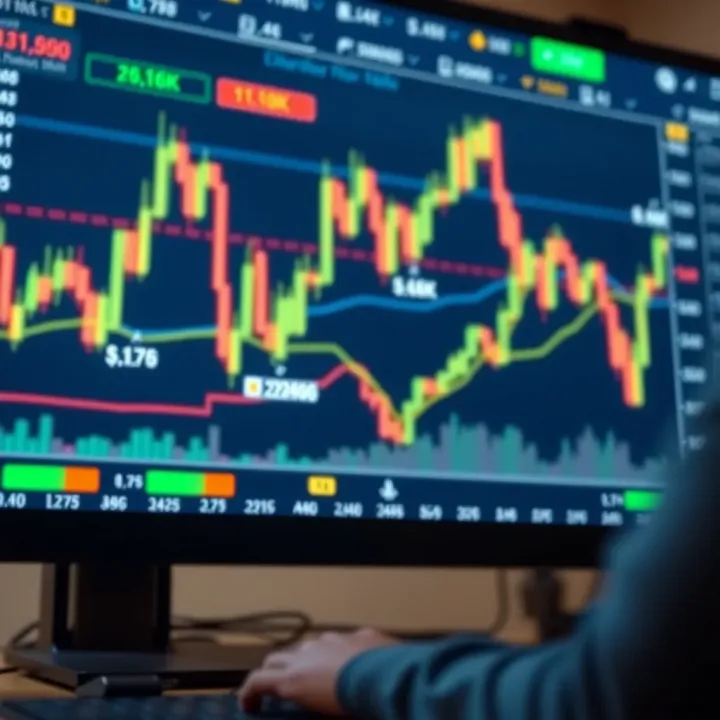
📈 Start your forex trading journey in Nigeria with this practical guide! Learn market basics, strategies, risk tips, and boost your trading confidence today.

📱 Discover how to choose the right forex trading app for Nigeria 🇳🇬. Learn key features, security tips, and ways to boost your trading success on mobile.
Based on 8 reviews