
How Forex Trading Works for Nigerian Investors
📊Learn how forex trading works for Nigerian investors. Understand currency pairs, market players, trading strategies, and safe access to earn ₦ in the forex market.
Edited By
Daniel Ross
Forex trading is buying and selling currencies to make profit from changes in exchange rates. For Nigerian investors, understanding how the foreign exchange (forex) market works is key to navigating this complex but potentially rewarding space.
The forex market operates globally, running 24 hours daily except weekends. This means traders in Lagos can respond to news in London or New York almost instantly. Unlike stock markets that trade company shares, forex deals with currency pairs such as USD/NGN or EUR/USD. These pairs show how much one currency is worth compared to another.

To grasp forex trading basics, focus on:
Currency pairs: A base currency and a quote currency. For example, in USD/NGN, the USD is the base, and NGN is the quote; the price tells you how many Naira buy one US dollar.
Pips and spreads: Pips measure the smallest price changes. The spread is the difference between buying and selling prices—a cost to the trader.
Leverage: Brokers often allow trading with borrowed funds, amplifying gains and losses. In Nigeria, it's common to see leverage of up to 1:100.
Nigerian traders should watch the Central Bank of Nigeria (CBN) policies carefully. Currency restrictions, exchange rate changes, and forex regulations impact all trading activities.
Trading forex without understanding the risks and local regulations is like embarking on Lagos traffic without knowing the routes.
Choosing a regulated broker authorised by Nigeria’s Securities and Exchange Commission (SEC) safeguards your investment and ensures transparency. Many platforms support online trading on mobile and desktop, making forex accessible even outside financial hubs.
In this article, you will find practical steps on how to start trading forex, manage risks, and identify strategies tailored to the Nigerian market. Whether you are a beginner or looking to refine your skills, the content aims to empower your decision-making fully.
By the end, you should confidently understand forex mechanics, evaluate currency trends, and know how to act on market signals intelligently. Welcome to the world of forex trading, where knowledge and caution blend to create valuable opportunities.
Understanding what forex trading entails is the bedrock of navigating the financial markets, especially for Nigerian investors eager to engage this global platform. Forex trading simply means buying and selling currencies to take advantage of changes in their exchange rates. This activity powers daily international trade, tourism, and investment flows, influencing how much goods or services cost across borders.
The basics of currency exchange involve swapping one currency for another, based on the belief that the currency bought will increase in value relative to the one sold. For example, if a Nigerian trader believes the US dollar will strengthen against the naira, they may buy dollars now to sell later at a higher price. This process is similar to exchanging naira for dollars when you travel abroad but with the intention to profit from the changing rate.
In everyday life, currency exchange affects how much you pay for imported goods or holidays abroad. On the trading floor, forex prices shift rapidly because of factors like economic data, political events, and trader sentiment around the world.
How forex trading differs from other investments lies in its high liquidity and 24-hour global reach. Unlike stocks or bonds that trade on specific exchanges during set hours, forex markets operate continuously from Monday morning in Asia to Friday evening in New York. This flexibility attracts investors who want to trade outside Nigerian market hours or respond immediately to global news.
Additionally, forex is often traded with leverage, meaning traders control larger amounts of currency with a smaller deposit. Though this can increase profits, it also raises the risk level. This dynamic is unlike more traditional Nigerian investments like property or Fixed Deposit placements, where changes happen more slowly and risk is comparatively lower.
Seeking profit from currency movements is the main reason Nigerians join forex trading. Currencies can fluctuate significantly due to political developments, Central Bank policies, or foreign investment flows. For example, anticipation of a CBN policy shift impacting the naira often leads to sharp price movements, creating opportunities for alert traders.
Forex trading allows people to benefit from both rising and falling markets through buy (long) or sell (short) positions. This dual direction trading is less common in stock markets unless special arrangements are made.
Use of forex for hedging and international business extends beyond speculation. Nigerian companies dealing in imports or exports use the forex market to protect themselves against unfavourable currency swings that might spike costs or reduce revenues. For instance, an exporter receiving payments in dollars might hedge by locking in exchange rates ahead, avoiding losses if the naira weakens unexpectedly.
Similarly, remittance companies and those expanding business overseas rely on forex trading to efficiently manage currency risk. This practical function underpins healthy trade relationships and financial planning.
Grasping the essence of forex trading equips Nigerian investors to understand risk, spot opportunities, and manage exposure effectively in a market that affects everyday economic life and business transactions.
Understanding how the forex market operates is vital for anyone interested in currency trading. It explains why currencies move, who the main players are, and when the best opportunities arise. For Nigerian investors, grasping these dynamics helps make informed decisions amid naira fluctuations and global economic changes.
In forex trading, currencies come in pairs, with one currency quoted against another. The first currency listed is called the base currency, while the second is the quote currency. For example, in the USD/NGN pair, the US dollar (USD) is the base, and the Nigerian naira (NGN) is the quote. The price reflects how much naira you need to buy one US dollar. This setup is essential because it shows exactly how currencies are exchanged and how profits or losses are calculated.
Currency pairs fall into three main categories: major, minor, and exotic. Major pairs involve the most traded currencies worldwide, such as USD, EUR, GBP, and JPY. These pairs attract the highest liquidity and tighter spreads, which means lower costs for traders. Minor pairs include currencies like the Australian dollar (AUD) or Canadian dollar (CAD) paired with the majors but exclude USD. Exotic pairs typically feature one major currency combined with a less frequently traded currency, like the Nigerian naira or South African rand. Exotic pairs can offer bigger price swings but often have wider spreads and less liquidity, so traders should weigh the risks carefully.
Banks and financial institutions dominate the forex market. They facilitate global trade and investment by providing currency exchange services and liquidity. For instance, a Nigerian bank might convert naira to dollars for a local company importing goods. Large transactions by these institutions influence price movements, making them significant players in the market.
Retail traders and brokers in Nigeria form another critical segment. With increasing internet access and fintech services like OPay and Kuda, more Nigerians can participate in forex trading through online platforms. Brokers act as middlemen, enabling retail traders to buy and sell currency pairs. Choosing a well-regulated broker is crucial to avoid fraud and ensure smooth trade execution.
One advantage of forex trading is its continuous nature. The market runs 24 hours a day, five days a week, shifting across global financial centres in London, New York, Tokyo, and Sydney. This round-the-clock operation means traders in Nigeria can participate whenever it's convenient, even outside traditional office hours.
Certain hours see more activity, particularly when multiple markets overlap. For example, the London-New York overlap between 2 pm and 5 pm WAT tends to have higher liquidity and price volatility. These peaks present trading opportunities but also require careful risk management. During less active hours, spreads might widen, making trading costlier.
Knowing when the forex market opens, who drives pricing, and how currency pairs function will help Nigerian investors navigate trading more strategically and profitably.
Forex trading offers a blend of benefits and risks that Nigerian investors need to grasp before getting involved. It opens doors to substantial profit potential thanks to its fast-moving nature, but it also holds dangers that can quickly erode capital if not managed well. Understanding the balance between risks and rewards helps traders make smarter decisions and protect their investments.
One major advantage of forex trading is its high liquidity. With trillions of dollars exchanged daily, forex provides easy entry and exit points for traders. This means you can buy or sell currencies like the US dollar or euro quickly without struggling to find a counterparty, even during volatile periods. For Nigerian traders, this ease of trade parallels what they experience in busy markets like Lagos’ Balogun Market — constant flow ensures you won’t get stuck holding a position.
Accessibility also stands out. Unlike stock markets that require substantial capital or broker-specific platforms, forex trading is open 24/5 to anyone with an internet connection and a trading account. Nigerian brokers and platforms like Kuda or OPay have made it simpler to fund accounts with naira, encouraging more retail traders from across the country to join.
The Nigerian naira regularly faces fluctuations due to factors like oil price changes, government policies, and foreign exchange controls. While volatility can be a source of risk, astute traders can see this as an opportunity to benefit from price swings. For example, during times of naira depreciation, those holding stronger currencies might profit when converting back to naira.
However, these movements are not always predictable. Knowing when to enter and exit based on naira volatility requires watching economic indicators and policy adjustments. Traders who succeed often combine this awareness with technical analysis to time their trades better.
Forex trading involves volatile currency pairs. The value of one currency against another shifts constantly, and this can work against a trader just as easily as it can bring profit. In Nigeria, this is particularly important because the naira can sometimes move drastically within short periods.
Adding to this is the use of leverage, where traders borrow funds to amplify their buying power. While leverage can boost gains, it also magnifies losses. For instance, with 50:1 leverage, a 2% adverse move wipes your entire invested capital. If not carefully managed, traders can rapidly lose their funds.
Unfortunately, the Nigerian forex space has seen its share of scams and unethical practices. Some unregulated brokers or promoters promise guaranteed returns or insider tips—claims that rarely hold true. Market manipulation, especially on smaller currency pairs, can mislead inexperienced traders into making poor decisions.
Being caught in such traps has led many Nigerian traders to lose their investments or even personal data. This highlights the need for vigilance and careful broker selection.
One practical tool to control losses is the stop-loss order. It automatically closes a trade when the price reaches a certain level, limiting downside exposure. For example, if you buy the dollar at ₦460 and set a stop-loss at ₦450, your position will close if the naira strengthens beyond your threshold, preventing further losses.
Regular use of stop-loss orders helps Nigerian traders avoid emotional decisions during rapid market swings and maintain disciplined risk management.
Staying updated on trustworthy financial news and economic reports is crucial. Nigerian traders should rely on established sources like Central Bank of Nigeria bulletins, reputable financial newspapers, and global economic calendars to anticipate market moves.
Ignoring key policy announcements or oil price shifts can leave traders blindsided. Combining technical indicators with solid fundamental analysis reduces guesswork and increases the chances of successful trades.
Protecting your capital in forex trading means balancing optimism with caution. Understanding risks while aiming for rewards is key to becoming a consistent trader in Nigeria’s dynamic forex market.
Starting forex trading in Nigeria requires understanding a few key steps, especially given the unique regulatory and economic environment. Getting set up the right way saves time and avoids unnecessary losses or risks. This section highlights practical steps Nigerian investors need to take to enter the forex market safely and effectively.
Before opening a trading account, confirm the broker is regulated. In Nigeria, brokers should ideally be licensed by the Securities and Exchange Commission (SEC). Regulatory approval means the broker complies with local rules designed to protect traders, reducing the chance of fraud. For example, brokers like FXTM and HotForex are among those that have some regulatory oversight and are popular with Nigerian traders.
The practical impact is clear: a regulated broker manages your funds transparently and offers secure trading platforms. Traders avoid scams that often target Nigerians with promises of unrealistic returns. Always verify the broker’s credentials on the SEC register or reputable forex watchdogs.
Several brokers cater specifically to Nigerian investors, offering payment methods in naira and customer support tailored to local realities. Examples include Alpari, OctaFX, and IG Markets. These brokers enable easier deposit and withdrawal processes compared to foreign-only platforms that might demand foreign bank accounts or cryptocurrency.
Moreover, these brokers often provide educational resources aimed at Nigerian beginners, helping newcomers understand market dynamics. Choosing such brokers can simplify your entry into forex trading and improve your chances of success.
Opening a forex account requires standard Know Your Customer (KYC) checks. For Nigerians, this usually means submitting a valid means of identification such as a National Identification Number (NIN), international passport, or driver’s licence, alongside proof of address like a utility bill.
These steps help the broker confirm your identity and comply with anti-money laundering laws. Meeting these requirements avoids account freezing and ensures smoother transactions. Sometimes, verification can seem cumbersome, but it’s an important safeguard both for you and the broker.
Once your account is ready, funding it in naira is critical for convenience and to avoid unnecessary forex conversion fees. Many brokers working with Nigerian clients accept deposits through popular local methods such as bank transfer, USSD payments, or Nigerian debit cards linked to GTBank, Zenith Bank, or Access Bank.
This approach lets traders avoid the headache of sourcing foreign currency upfront. When the broker converts your naira deposit to dollars or euros, be aware of the exchange rate offered to avoid losing more than necessary. Some brokers give daily updates on these conversion rates, so watch those carefully.
For beginners, learning to identify trends is a useful way to navigate the often volatile forex market. Trend following means analysing currency movements to trade in the direction prices are moving—buying when prices are rising and selling when falling.
Range trading, on the other hand, works well when prices oscillate between defined support and resistance levels. This strategy suits stable market phases typical for currency pairs involving the naira, especially when local economic events cause periodic price ceilings and floors.
Both strategies rely on chart patterns and basic technical analysis, making them accessible starting points for Nigerian traders.
Before risking real money, practising with a demo account can sharpen your skills. Most brokers offer demo accounts that simulate real market conditions using virtual funds. This tool helps you understand order types, test strategies, and get comfortable with the trading platform.
Nigerian traders, especially those new to online trading, benefit greatly from this. It reduces costly mistakes and builds confidence. Demo accounts also provide a safe space to experiment with leverage levels—critical since leveraging can amplify losses as much as gains.
Starting well in forex trading means choosing the right broker, following proper verification steps, funding your account wisely, and practising effective strategies with a demo. These build a solid foundation for a sustainable trading journey in Nigeria.
Understanding the legal framework in Nigeria helps forex traders navigate the market without falling into trouble. Regulations provide a safety net against fraud and unfair practices, while making sure your investments have a legitimate foundation. Nigerian authorities play active roles in forex trading, and knowing their rules can save you from costly mistakes.
The CBN closely monitors forex activities because of its effect on the Nigerian economy. One key policy is restricting access to foreign currency at the official rate for certain transactions, including speculative forex trades. This control aims to protect the naira and stabilise the foreign exchange market by curbing excessive demand for foreign currency.
Naira exchange controls dictate that Nigerian banks and authorised dealers handle currency exchanges under strict guidelines. This means trading forex outside regulated channels or at unofficial rates carries legal risks. For instance, many traders avoid circulating dollars bought on the black market partly because the CBN enforces sanctions against such activities. Practically, this control nudges investors to use properly licensed brokers and official platforms to guard their funds.
The SEC regulates forex brokers in Nigeria to ensure they meet financial standards and operate transparently. Licensing is not just a formality; it means a broker is vetted for sound practices, reducing the risk of fraud. As a trader, verify that your broker holds a valid SEC licence before depositing money to avoid unregulated operators who vanish with clients' funds.
Besides licensing, the SEC enforces consumer protection policies. These include requiring brokers to clearly disclose trading risks and costs. The SEC also sets rules on marketing practices to prevent misleading promises of guaranteed profits, which are common in scams. For Nigerian traders, these protections offer peace of mind and a legal avenue to report grievances.
Forex scams remain a real threat, often disguised as quick money schemes or secret strategies. Common red flags include brokers that demand unusually high upfront fees, promise guaranteed returns, or pressure you to recruit others. Platforms lacking transparent contact details or regulatory info should also raise suspicion.
If you spot suspicious activity, reporting to the SEC or the Economic and Financial Crimes Commission (EFCC) is crucial. Filing complaints helps authorities investigate and take down fraudulent operators. Staying alert and informed can prevent many Nigerians from becoming victims of these scams.
Trading forex in Nigeria requires not just an understanding of markets, but also of the rules that protect traders. Always prioritise regulated brokers and be wary of offers that look too good to be true.
In sum, regulations from the CBN and SEC form the backbone of secure forex trading in Nigeria. Respecting naira exchange controls, choosing licensed brokers, and recognising scams will help safeguard your investments as you navigate the forex market.
📊Learn how forex trading works for Nigerian investors. Understand currency pairs, market players, trading strategies, and safe access to earn ₦ in the forex market.
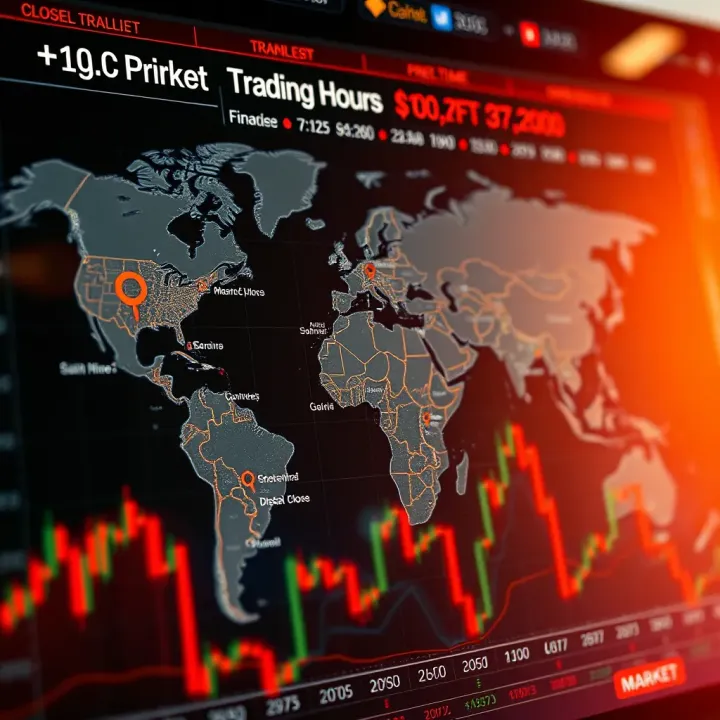
📈 Learn how forex trading times impact Nigerian traders 🌍 Master global market hours, handle time zones, and spot the best moments to trade for ₦ profit.
📈 Discover how to pick the best forex trading indicators 🎯 for Nigerian traders. Learn strengths, pitfalls, and strategies to improve your trades effectively.
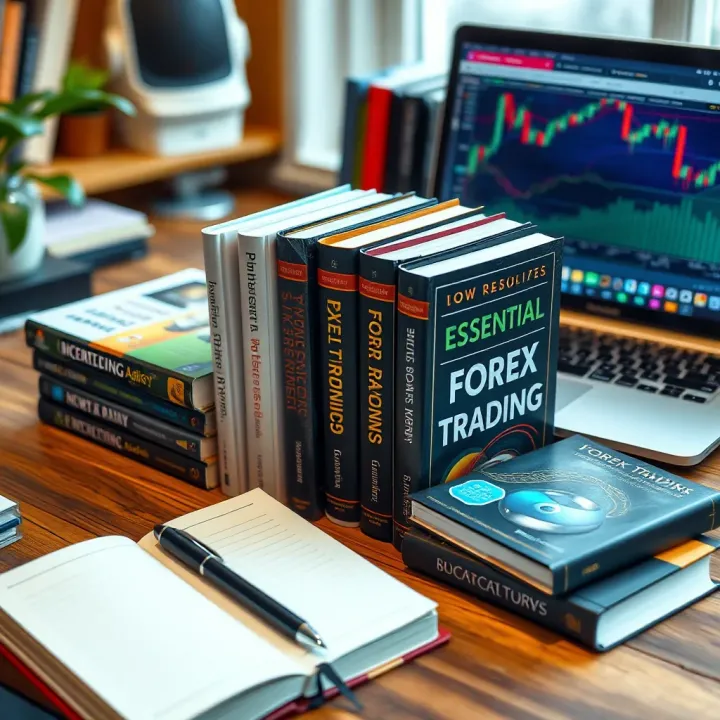
📚 Find the best forex trading books with our detailed guide. Learn key selection tips, review top picks, and apply lessons to boost your trading success! 💹
Based on 6 reviews