
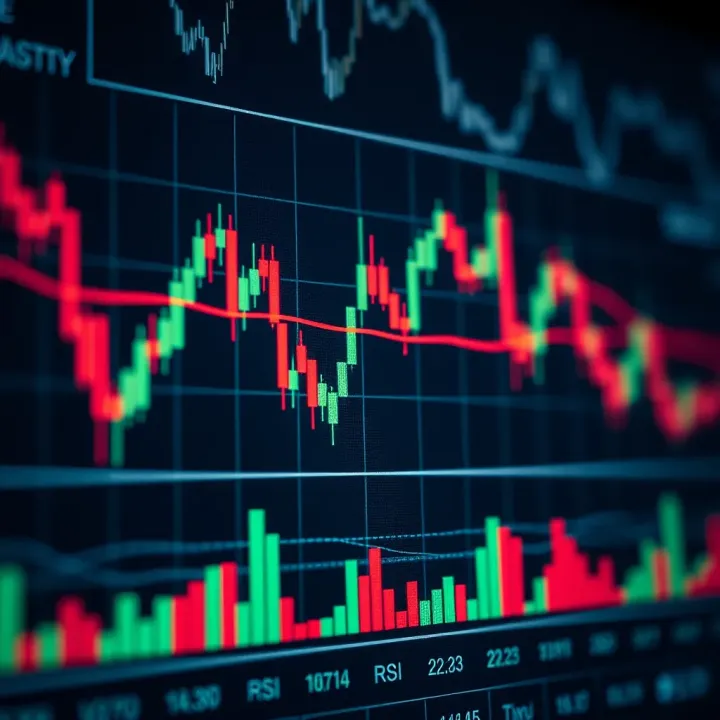
Choosing the Best Forex Trading Indicator
📈 Discover how to pick the best forex trading indicators 🎯 for Nigerian traders. Learn strengths, pitfalls, and strategies to improve your trades effectively.
Edited By
James Foster
Getting started with forex trading can seem overwhelming, especially with the vast sea of information online. That’s why solid, practical guides in PDF format serve as great starting points for Nigerian beginners. PDFs allow you to study offline, highlight key points, and revisit complex topics at your pace. Nigeria’s fast-paced digital growth has made downloadable guides easily accessible, offering a clear, structured way to learn essential forex concepts.
Before you even open a PDF guide, understand the core of forex trading: buying one currency while selling another, aiming to profit from exchange rate changes. For example, if you believe the US dollar (USD) will strengthen against the Nigerian naira (₦), you might buy USD/NGN with the expectation of selling later at a better rate.
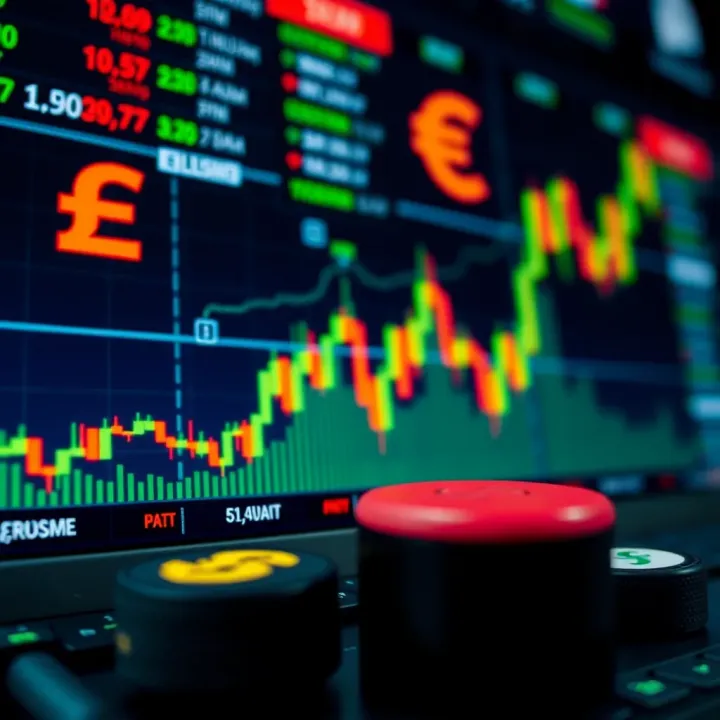
A practical PDF guide will break down trading jargon like "pip," "spread," and "leverage," explaining these terms in clear, everyday language. It may also provide charts and case studies relevant to the Nigerian market, such as how fluctuations in global oil prices impact the naira’s exchange rate. These real-world examples help you grasp how external factors influence forex.
Once armed with the basics, PDFs often cover how to choose a broker regulated by Nigerian bodies like the Securities and Exchange Commission (SEC) to protect your funds. They guide you through opening a trading account using a smartphone or laptop, and using local payment options like USSD or bank transfers for deposits and withdrawals.
"Studying PDF guides tailored for Nigerian forex traders connects you directly to practical tools and local realities, improving your chances of trading confidently and responsibly."
To get the most from PDF resources:
Set clear goals: Identify what you want to achieve — mastering strategy, risk management, or technical analysis.
Make notes: Highlight areas that need further study or clarification.
Apply as you learn: Use demo accounts to practise strategies discussed in the PDFs before risking real money.
Trading forex is a skill built over time. Practical PDF guides give Nigerian traders a grounded start, saving hours combing through scattered information. Through them, you’ll learn to navigate complexities, protect your capital, and spot promising opportunities in Nigeria’s vibrant and sometimes volatile financial environment.
Grasping the basics of forex trading sets a strong foundation for anyone aiming to succeed in the currency market. Understanding how and why currencies fluctuate helps you make informed decisions, rather than relying on guesswork. This section breaks down important fundamentals that every Nigerian trader should know before putting money on the line.
Forex trading involves the exchange of one currency for another in the global marketplace. Unlike buying products, this market deals solely with currency pairs, where traders speculate on the rise or fall of one currency against another. For example, when trading the USD/NGN pair, you’re essentially predicting whether the US dollar will strengthen or weaken compared to the Nigerian naira.
The forex market is highly liquid and runs 24 hours a day during weekdays, allowing traders to enter or exit positions at almost any time. It’s also decentralised, meaning it isn’t controlled by any single exchange or government, which makes it unique compared to other markets.
Forex differs from other markets, such as stocks or commodities, in several ways. While stock markets require buying shares of companies, forex trading focuses only on currency value movements. The leverage available in forex is typically much higher, letting traders control larger positions with less capital—but this also increases potential risk. Unlike commodities like oil or gold, currency pairs react strongly to geopolitical events, economic data, and central bank policies, often within minutes.
For Nigerian traders, certain currency pairs stand out due to their economic ties and liquidity. The USD/NGN pair is most relevant for everyday commerce and savings. Others like EUR/USD or GBP/USD attract traders interested in major global currencies. Knowing these pairs allows you to focus your learning and trading strategies where you’re likely to find more opportunities.
Global forex market hours run from Sunday evening to Friday evening Nigerian time, aligning with opening and closing of major centres like London, New York, Tokyo, and Sydney. The busiest periods—when Tokyo and London overlap or London and New York sessions cross—often offer higher liquidity and volatility. This means price movements can be sharper, presenting more chances for profit but also requiring careful risk control. Nigerian traders must plan trading times carefully, avoiding periods of low activity when spreads widen and trades become less favourable.
Learning these fundamentals helps you approach forex trading not as a lottery, but as a skill backed by clear understanding of markets, currency behaviour, and timely decision-making. Such knowledge sharpens your edge and keeps your journey realistic and manageable.
PDF guides play a significant role in learning forex trading, especially for Nigerians who need flexible and accessible learning tools. Unlike videos or in-person classes, PDFs allow you to learn at your own pace, revisiting tricky concepts without pressure. Many Nigerian beginner traders find PDF resources handy because they offer tangible materials to study offline, even in areas where internet access is irregular or costly.
PDF files are incredibly light and easy to save on your phone, tablet, or laptop. This portability means you can study forex trading on your daily commute in a danfo or during breaks at a mama put without depending on stable internet connection. A typical PDF can be loaded quickly, allowing you to refresh your knowledge anytime.
Moreover, PDFs can be printed if you prefer physical copies—ideal if you want to highlight or make handwritten notes alongside the text. This flexibility is difficult to match with online courses that require continuous internet availability.
Many forex trading PDFs are designed to guide learners through the basics before moving to advanced topics. This structure helps break down complex ideas like candlestick patterns or risk management into digestible segments. For example, a downloadable PDF from a trusted Nigerian forex educator may start with definitions, proceed to practical examples related to currency pairs like USD/NGN, and then introduce technical analysis in clear stages.
Such organisation keeps you from feeling overwhelmed, which often happens when learners jump straight into live trading without proper preparation.
Access to reliable PDFs is crucial. Nigerian forex trading forums and WhatsApp groups often recommend materials vetted by experienced traders. Websites of regulated brokers like FXTM Nigeria and reputable education platforms also provide valuable free PDFs. Choosing sources known in Nigerian circles helps avoid waste of time on useless or irrelevant contents that do not reflect local market conditions or currency peculiarities.
The forex space in Nigeria is ripe with scams, and bogus PDFs offering guaranteed profit tips are common. Always verify the publication date and author credentials. Reliable PDFs explain methods realistically without promising quick riches. They often include disclaimers about risks.
Older PDFs might miss recent developments, such as updates to CBN policies or changes in global market behaviour. Don’t hesitate to cross-check facts with trusted news sources or financial reports.

Reading is just part of the learning cycle. Put the insights from PDFs into practice using demo accounts provided by brokers like Kuda or OPay. This combination allows you to test strategies without risking actual naira.
For example, after learning about support and resistance levels in a PDF, try marking these on the demo platform charts and execute simulated trades. This approach deepens your understanding and builds confidence gradually.
Active reading improves retention. Jot down summaries of important ideas or formulas as you go through your PDFs. For instance, keep a separate notebook or digital file with key points on risk management percentages or chart reading techniques.
Review your notes regularly, especially before practising on the demo account. This habit transforms passive reading into active learning, preparing you better for live trading when the time comes.
Using PDFs effectively means more than just reading—they should be part of a broader learning strategy involving practice, critical thinking, and continuous updating based on current market realities.
Understanding core forex trading strategies is essential for anyone serious about success in the currency market. These strategies serve as the foundation for analysing price movements, timing entries and exits, and managing trades effectively. Without clear strategies, many traders end up relying on guesswork, which often leads to losses. This section breaks down the key approaches that you can learn from PDFs and apply practically, especially in the Nigerian context where market volatility and economic factors require a disciplined approach.
Charts are the bread and butter of forex trading. They visually represent price movements over time, with candlestick charts being especially popular. Each candlestick shows four key prices: opening, closing, high, and low within a time frame. This gives traders clues about market sentiment—whether buyers (bulls) or sellers (bears) are in control. For example, a long green candlestick in the USD/NGN pair might signal strong buying interest linked to a favourable CBN policy announcement. Learning to spot patterns like 'doji' or 'engulfing' can help anticipate reversals or continuations in price trends.
Several indicators make chart reading easier. Moving averages smooth out price data to show trends, while the Relative Strength Index (RSI) indicates overbought or oversold conditions. For a beginner, simple tools such as these are invaluable for filtering out noise and confirming entry points. For instance, when the 50-day moving average crosses above the 200-day moving average in a currency pair like EUR/USD, it might suggest a bullish trend. PDFs often guide you step-by-step on setting up these indicators on popular platforms like MetaTrader, making practical learning straightforward.
Fundamental analysis focuses on economic indicators that influence currency value. Nigerians trading forex should watch data like inflation rates, CBN’s monetary policy decisions, domestic oil production figures, and foreign reserves. For example, a higher-than-expected inflation figure in Nigeria might weaken the naira, affecting USD/NGN exchange rates. Staying updated on these releases (usually available in economic calendars) helps traders anticipate currency swings and position accordingly.
Politics and global events impact forex markets significantly. Trade tensions between Nigeria and key partners, election results, security issues in oil-producing regions, or global oil price shocks can alter currency value quickly. For example, escalating unrest in the Niger Delta often puts pressure on the naira due to fears of disrupted oil exports. Understanding these factors alongside economic data enhances a trader’s ability to predict short-term moves.
The best traders rarely rely on one analysis style. They combine technical signals with fundamental context for stronger confirmation. For instance, technical charts might suggest a buy on GBP/USD, but if UK economic data shows weakness, the trader may wait or reduce position size. This layered approach reduces blind spots and increases confidence.
A trading plan outlines when to enter or exit trades, how much to risk, and rules for managing losses. Beginners often overlook this, leading to emotional decisions. PDFs usually stress starting with simple plans: set entry points based on a moving average crossover, place stop-loss orders 50 pips away, and take profits at twice the risk distance. These practical steps help build discipline, protect capital, and make learning more structured.
Combining technical skills with an understanding of Nigeria’s unique economic and political landscape is key to building effective trading strategies and improving your chances of success in forex trading.
In forex trading, managing risks is not just about avoiding losses; it's about ensuring you can stay in the market long enough to build profits. Without proper risk control, even the best strategies will crumble. Protecting your capital means making deliberate choices to limit downside exposure while aiming for steady growth.
Controlling losses is vital for longevity in forex trading because the market can be unpredictable, with sharp swings triggered by unexpected news or economic changes. For instance, a sudden shift in Nigeria’s FX policy or geopolitical tensions in key currency zones can disrupt price action quickly. Without controlling your losses, a single bad trade can wipe out several weeks or months of gains.
Many new traders fall into traps like risking too much on one trade or chasing losses immediately after a setback. This behaviour often creates a cycle of heavy losses. It’s crucial to accept small losses as part of the game and keep your overall portfolio protected.
Newcomers often trade without a plan, jumping into markets on impulse rather than strategy. For example, they might use high leverage or ignore stop-loss orders, hoping prices will turn in their favour. Such gambles typically exhaust capital and confidence quickly.
Another frequent mistake is overtrading, where traders open too many positions to recover minor losses. This not only spreads focus thin but also increases transaction costs, lowering overall profitability. Patience and discipline are key lessons often highlighted in quality PDF guides.
Stop-loss orders and take profit levels are essential safety nets in forex trading. A stop-loss order automatically closes your position at a preset price to prevent further loss, while a take profit order locks in gains when a favourable price is reached. This setup helps traders avoid watching screens all day and guards against sudden swings.
For example, if you enter a trade on USD/NGN at ₦460 and set a stop loss at ₦455, you limit your loss to ₦5 per unit. Similarly, taking profit at ₦470 ensures your gain is secured when the market reaches your target, avoiding the risk of a swift reversal.
Position sizing and leverage management are equally important. Leveraged trading lets you control a large position with a small amount of capital, but it also magnifies losses. A common approach is risking just 1–2% of your total capital on any single trade. For instance, with ₦100,000 in your account, you shouldn’t risk more than ₦1,000 or ₦2,000 per trade.
By choosing correct position sizes and managing leverage prudently, you safeguard your capital from devastating declines during volatile sessions.
Handling emotions during market volatility is often the toughest part of trading. Fear and greed can cloud judgement, leading to premature exits or reckless trades. For example, seeing a rapid price drop might trigger panic selling, even if your analysis suggests holding.
Developing a calm mindset helps traders stick to their plan despite market noise. Strategies learned from PDFs, like journaling trades and reviewing mistakes, reinforce discipline and emotional control over time.
Maintaining discipline based on your PDF learnings means following your risk rules consistently. If your guide says to always set stop-loss orders and limit daily losses, failing to do so jeopardises your account. Staying committed to these rules, even after a streak of wins or losses, builds resilience and confidence to trade long term.
Protecting your capital through smart risk management is the foundation of all successful forex traders. Managing emotions and using tools like stop-losses enhances your chance of lasting profits.
In all, combining solid risk controls with emotional discipline turns forex trading from chance gambling into a measured business venture. Your PDF resources will be quite useful if you apply their wisdom sensibly in real-life market situations.
Starting forex trading in Nigeria requires careful choices to avoid common pitfalls. Your first task is finding a reliable broker who understands Nigerian trading realities and complies with global and local regulations. This foundation ensures your funds are secure and your trades executed transparently.
Regulation is the bedrock of trust in forex. Nigerian traders should prioritise brokers authorised by reputable bodies like the Financial Conduct Authority (FCA) or Cyprus Securities and Exchange Commission (CySEC). While the Securities and Exchange Commission of Nigeria (SEC Nigeria) focuses more on capital markets, checking brokers’ adherence to international standards reduces the risk of fraud. For example, a broker registered with FCA must keep client funds segregated and follow strict reporting rules, which protects traders from sudden loss of funds.
Besides licensing, look at the broker’s track record. Reviews from Nigerian trading forums or fintech platforms like Nairametrics can shed light on their reliability. Brokers offering clear terms, swift withdrawals, and transparent fee structures avoid the frustration many face with scams.
Payment convenience matters greatly. Nigerian traders benefit from brokers who support payment options such as local bank transfers, USSD payments, or trusted platforms like Paystack and Flutterwave. This minimises intermediary costs and delays common with international wire transfers.
For example, a trader funding an account via a bank transfer through GTBank or Access Bank has lower charges and faster processing than those using international credit cards. Also, options like e-wallets (Neteller, Skrill) work but ensure your choice matches with local regulations to avoid deposit or withdrawal hiccups.
Opening a forex account usually involves registering details like your name, email, and phone number, then verifying identity with documents such as your National Identification Number (NIN) or international passport. Nigerian brokers often require proof of residence, such as a utility bill, to prevent fraud and comply with anti-money laundering laws.
Verification might seem tedious but it’s important. A verified account avoids trading interruptions and delays when withdrawing profits. For instance, some brokers might block withdrawal requests if the verification is incomplete—a painful experience many beginners face.
Most brokers offer a demo account—essentially a simulation with virtual money. This is where you get to test trading strategies from your PDF guides without risking your ₦. Demo trading builds confidence and helps you understand the platform’s tools.
Practising on demo accounts also reveals how market volatility affects your trades. For example, you might see how the naira-dollar pair swings during announcements from the Central Bank of Nigeria (CBN). Transitioning to live trading without this practice often leads to unnecessary losses.
PDF guides provide theory; live trading gives reality. At the start, apply strategies with small trade volumes or ‘micro lots’. This cautious approach limits losses while realising gains. A Nigerian trader might start with ₦5,000 per trade to get familiar with price movements without risking a large portion of their capital.
Avoid rushing into complex trades until the basics are firmly in place. Combining your PDF notes with disciplined live practice traps bad habits early, so you don’t chase losses later.
Keeping records of your trades is vital. Use a trading journal or spreadsheet to note entry and exit points, outcomes, and which PDF strategies worked best. Over time, you’ll spot patterns and adjust your approach for better results.
For a Nigerian trader, tracking performance through local brokers’ platforms or third-party apps helps identify the best times to trade naira pairs or spot reactions to local economic news. Constant refinement based on real data beats blindly following textbook strategies.
Starting forex trading in Nigeria is more than opening an account—it's about choosing trustworthy partners, practising carefully, and adapting strategies. PDFs lay the groundwork, but live experience shapes your success.
📈 Discover how to pick the best forex trading indicators 🎯 for Nigerian traders. Learn strengths, pitfalls, and strategies to improve your trades effectively.

📚 Find the best forex trading books with our detailed guide. Learn key selection tips, review top picks, and apply lessons to boost your trading success! 💹
📈 New to forex trading? Learn how currency markets work, pick key strategies, manage risks, and get practical tips to start smart trading today in Nigeria.
🌍 Explore forex trading basics, proven strategies, and smart risk management tips tailored for Nigerian traders ready to boost their forex skills.📈💡
Based on 13 reviews