
All About Forex Trading: A Clear Guide for Nigerians
🌍 Explore forex trading basics, proven strategies, and smart risk management tips tailored for Nigerian traders ready to boost their forex skills.📈💡
Edited By
Emily Hawthorne
Forex trading involves the buying and selling of currencies to make profits from fluctuations in exchange rates. For many Nigerians, it presents not just an investment opportunity, but also a means to earn extra income given the naira's volatility and global economic shifts. However, getting started without a solid grasp can lead to losses, so understanding the basics is key.
Unlike stock trading, forex operates 24 hours a day during weekdays, allowing traders to enter and exit positions based on the changing market conditions worldwide. In Nigeria, platforms such as MT4 and popular brokers regulated by authorities offer access to these markets, but beginners must carefully assess which broker suits their needs.
Forex trading demands discipline and knowledge — it's not about quick wins but steady strategies.
To prepare, traders should familiarise themselves with concepts like pips (price interest points), leverage, and margin calls. For example, a small movement of 10 pips in a currency pair like USD/NGN can mean gains or losses of hundreds of naira depending on the position size.
Practical guides and updated PDF resources released in 2022 offer comprehensive walkthroughs on setting up trading accounts, analysing charts, and risk management. These materials help beginners understand how to spot trends, use stop-loss orders, and avoid common pitfalls such as overleveraging.
Starting with a demo account is a common recommendation. This allows you to trade virtual money and get a feel for market dynamics without risking actual funds. When ready, begin with small capital and employ strict money management rules.
Key practical steps for newbies include:
Choosing a reliable, CBN-compliant broker with transparent fees
Learning to read candlestick charts for entry and exit decisions
Setting realistic daily or weekly profit targets
Maintaining a trading journal to track performance and mistakes
Using risk-reward ratios to balance potential losses and gains
In Nigerian markets, where unforeseen events like fuel scarcity or policy announcements can move currency pairs unexpectedly, staying updated through business news and forex community forums adds an extra edge.
By grounding your forex journey in knowledge and practical methods, you can navigate the market with more confidence and minimise the chances of costly mistakes. This section paves the way towards understanding how to trade wisely using 2022's recommended strategies and PDF insights.
Grasping the basics of forex trading is vital before jumping into the market. It gives you a firm foundation to make calculated decisions rather than guesswork. Understanding key concepts like currency pairs, market hours, and the roles of different players helps navigate the complexity of forex trading confidently. For instance, knowing when the forex market is most active can influence when you trade, affecting profitability.
Forex trading, or foreign exchange trading, involves buying and selling currencies against one another with the aim of making a profit from changes in exchange rates. For example, if you believe the US dollar will strengthen against the Nigerian naira, you might buy USD/NGN currency pair, hoping to sell it later at a higher rate.
This market is the largest and most liquid financial market globally, operating 24 hours a day across different time zones. Its size and liquidity mean traders can enter and exit positions quickly, unlike some local markets with limited trading volumes.
Forex markets differ from other financial markets like stocks or commodities mainly in terms of liquidity and trading hours. While stock markets typically close after a few hours daily, forex trades continuously from Monday morning in Asia to Friday evening in New York. This allows traders more flexibility to respond to global economic events as they happen.
Trading in forex happens through currency pairs. A currency pair, such as EUR/USD, quotes the value of one currency relative to another. In this pair, EUR is the base currency, and USD is the quote currency. So, when the pair is quoted at 1.15, it means one euro equals 1.15 US dollars.
This quote reflects supply and demand dynamics influenced by factors like economic data, geopolitical events, and central bank policies. For Nigerian traders, understanding currency pairs with the naira, especially USD/NGN, is fundamental, as it relates directly to import/export activities and remittances.
The market's major players include central banks, commercial banks, hedge funds, corporations, and retail traders. Central banks, such as the Central Bank of Nigeria (CBN), often influence currency movements through policies. Retail traders like you and me participate mostly through brokers and online platforms.
Forex market hours span four main sessions: Sydney, Tokyo, London, and New York. Peak trading happens during overlapping hours, such as the London/New York overlap between 2 pm and 4 pm WAT, where volatility and trading volumes rise, creating opportunities and risks. Knowing these hours helps plan trades to avoid low liquidity periods that could lead to slippage or poor price execution.
Mastering these basics equips you with the groundwork to build your trading skillset and avoid costly errors early on.
By focusing on what forex trading is, how it differs from other markets, the role of currency pairs, and the key market players plus trading hours, you get a practical overview essential for anyone starting out in forex trading in Nigeria.
To navigate the forex market confidently, understanding key concepts like pips, lots, leverage, brokers, and trading platforms can't be overstated. These elements form the backbone of trading and directly affect how traders execute and manage their trades. Nigerian beginners who grasp these ideas early on can avoid costly mistakes and build a solid foundation.
A pip is the smallest price movement in a currency pair and usually represents 0.0001 for most pairs. For example, if the USD/NGN rate moves from 415.00 to 415.01, that’s a one-pip change. Knowing how many pips you gain or lose translates directly to understanding your profit or loss. Since forex prices fluctuate rapidly, keeping an eye on pips helps traders measure market movements closely.
Lots represent the size of the trade. There are generally three types: a standard lot (100,000 units of the base currency), a mini lot (10,000 units), and a micro lot (1,000 units). For beginners in Nigeria, starting with mini or micro lots is wiser because they require less capital and reduce risk exposure while learning. For instance, trading a micro lot in USD/NGN means you’re handling 1,000 US dollars worth of naira, making losses more manageable.
Leverage is like a double-edged sword—it allows you to control a larger position with a smaller amount of money. If your broker offers 1:100 leverage, ₦10,000 can control ₦1,000,000 worth of trades. Leverage amplifies both gains and losses, so managing it carefully is key. Many beginner traders overlook this and risk losing more than their initial capital. Nigerian brokers often offer different leverage levels depending on the account type, so always check and use leverage wisely.
Choosing a reputable broker in Nigeria matters as your broker handles your trades and funds. Look out for brokers registered with the Securities and Exchange Commission (SEC) Nigeria or other recognised local regulators. Avoid firms promising unrealistic returns or those without transparent fee structures. Reputable brokers provide good customer support, fast trade execution, and reliable withdrawal options. For example, GTMarkets and FXTM are popular choices with local traders for their trustworthiness and regulation.
Trading platforms are software where you analyse charts and place trades. MetaTrader 4 (MT4) and MetaTrader 5 (MT5) remain the most popular globally and among Nigerian traders due to their user-friendly interface, custom indicators, and automated trading features. Other platforms like cTrader and brokers' proprietary apps are also gaining traction. Beginners should choose platforms that are intuitive and stable. Trial accounts or demo versions let you practise before committing real money.
Understanding these concepts well positions you to trade smarter and reduce avoidable losses. It’s not just about buying or selling currencies but managing risk and using the right tools.
Getting started with forex trading in Nigeria is a key step for anyone serious about making money from the currency market. Unlike simpler markets, forex requires practical knowledge about regulations, account setups, and local banking realities. For Nigerian traders, understanding these specifics can save time and avoid needless headache, especially given the naira's volatility and local restrictions on foreign currency transactions.
Before you place a trade, you must open a forex trading account with a reputable broker accepted by Nigerian financial regulators. The process begins with submitting the required documents for identity and address verification, such as your National Identification Number (NIN), a valid passport or driver's licence, and a utility bill not older than three months. This ensures compliance with Anti-Money Laundering (AML) rules and protects both the broker and you from fraudulent activities.
Verification can take some days, so starting early is wise. For example, GTBank and Access Bank customers often find smoother verifications as brokers integrate with Nigeria's Bank Verification Number (BVN) database. After documents are cleared, you proceed to fund your account.
Next, consider the initial deposit and currency choices. Brokers usually require a minimum deposit, often between $50 and $200, which you must fund in either a foreign currency account (like USD) or naira. However, in Nigeria, converting ₦ to USD at official or parallel market rates can affect your capital greatly. It’s best to use brokers that accept naira deposits via bank transfer or payment platforms like Flutterwave or Paystack to avoid double conversion losses.
Additionally, some brokers allow deposits and withdrawals in stable cryptocurrencies or naira-linked digital wallets. This option can reduce fees and speed up transactions. Assess your preferred method carefully to avoid delays or excessive charges.
Forex trading PDFs serve as practical guides for beginners by condensing complex topics into digestible formats you can study offline. They provide step-by-step tutorials, explain jargon clearly, and often include screenshots of trading platforms familiar to Nigerians, such as MetaTrader 4 (MT4) or MetaTrader 5 (MT5). Using these PDFs helps you practise without risking real money, especially when paired with demo accounts.
Furthermore, many 2022 PDF materials focus on Nigerian market peculiarities, such as managing leverage wisely considering naira fluctuations or recognising scams tied to unregulated brokers. Resources from recognised institutions like the Securities and Exchange Commission (SEC Nigeria) or trusted forex educators are valuable for updating your knowledge regularly.
Among recommended 2022 PDFs for beginners are "Forex Basics for Nigerian Traders," which blends general trading principles with local contexts, and "Managing Risk in Volatile Markets," which addresses specific challenges Nigerian investors encounter. Accessing these materials can reduce costly mistakes and build your confidence before investing real funds.
Opening a forex account in Nigeria requires preparation and the right documents, while good educational resources like 2022 forex PDFs can make a big difference in your trading success.
Mastering basic forex trading strategies is essential for anyone stepping into the market. These strategies guide you on when to buy or sell currencies, helping to increase the chance of profit while managing risks. Without a clear strategy, even the most promising traders can easily lose their way, especially in Nigeria’s sometimes volatile currency environment.
Understanding the difference between technical and fundamental analysis is a solid first step. Technical analysis relies on past price data and chart patterns to predict future price movements. For example, a trader might use the 50-day moving average to identify trends in the USD/NGN pair. This is practical because forex prices often move in patterns caused by trader behaviour and market sentiment.
Fundamental analysis, on the other hand, examines economic indicators, news, and events that affect currency values. Consider the impact of Nigeria’s inflation rate or CBN’s monetary policy adjustments. If inflation spikes unexpectedly, the naira could weaken, influencing how traders position their trades. Combining both analyses helps you make more informed decisions rather than relying solely on charts or news alone.
Popular technical indicators like the Relative Strength Index (RSI) or Moving Average Convergence Divergence (MACD) provide signals about overbought or oversold currencies. For instance, if RSI shows an overbought signal for the EUR/USD pair, it might be a cue to prepare for a price drop.
Chart patterns such as head and shoulders or double tops are visual clues indicating potential reversals or continuations. A head and shoulders pattern forming on the GBP/USD chart could suggest a pending fall in the pound’s value. Recognizing these patterns can give you a trading edge, especially when they confirm signals from indicators.
Stop losses are orders that automatically close a trade at a set loss level, preventing your losses from getting out of hand. For example, if you buy the USD/NGN pair at ₦450 and set a stop loss at ₦440, your trade will close if the price drops to ₦440, limiting your loss.
Take profits work similarly but lock in gains when a target price is hit. If your take profit is ₦470, your position closes automatically when the price reaches that level. Using these tools keeps your trading disciplined and avoids the common pitfall of emotional decisions.
Leverage can boost your trading power, but it also magnifies losses. In Nigeria, some brokers offer leverage as high as 1:500, which is risky for beginners. It’s wiser to start with low leverage, maybe 1:10 or 1:20, to protect your capital.
Position size, or how much you trade, should be based on your total trading capital and risk tolerance. For instance, if you have ₦100,000, risking 2% per trade means you should lose no more than ₦2,000 on any single trade. Adjusting your position size accordingly helps to sustain your trading career, especially when the market moves against you.
Effective forex trading blends strategy with strong money management. Starting with simple analysis, using indicators wisely, and controlling risk helps you trade smarter, not harder.
Forex trading offers attractive opportunities, but it also comes with significant challenges and risks that beginners must understand to safeguard their investments. Grasping these pitfalls early helps you avoid costly errors and develop a disciplined approach to trading. This section highlights common mistakes and fraud risks Nigerian traders may face, alongside practical tips to navigate the often volatile forex market.
One major trap for novice traders is overtrading—opening too many trades at once or trading frequently without a clear plan. Often, this happens when a trader chases losses or tries to capitalise quickly on minor price moves. For example, a beginner might impulsively double their position size after a losing trade, hoping to recover instantly. This rarely works and can amplify losses rapidly.
Emotional decision-making also undermines trading discipline. Fear and greed can push traders to deviate from their strategies, causing premature exits or holding losing positions too long. Nigerian traders may find this especially tempting during volatile periods such as ember months or when naira exchange rates fluctuate sharply.
Maintaining self-control and sticking to a well-considered trading plan helps curb these behaviours. Using journals or apps to record trades and emotions can also highlight reckless patterns.
Many beginners overlook the crucial element of risk management. They might risk large proportions of their trading capital on a single trade or neglect stop-loss orders altogether. For instance, a new trader could open a position equivalent to 20% of their account balance, hoping for quick profits. Unfortunately, a sudden market move can wipe out this sizeable chunk almost instantly.
Proper risk control means limiting each trade to a small percentage of your account (typically 1–2%) and using stop losses to cap potential losses. Without this discipline, even a few bad trades can exhaust the trading account, making recovery difficult.
Risk also involves leverage awareness. High leverage magnifies gains but equally sharpens losses. Nigerian traders need to manage leverage carefully, given the local economic volatility.
Fraudulent brokers target unsuspecting beginners with promises of guaranteed returns or instant wealth. Watch out for brokers who ask for unusually high deposits upfront or pressure you to add funds quickly. Delays in withdrawals or inconsistent platform performance also raise red flags. For example, a broker without a transparent fee structure or one that blocks withdrawals may be dodgy.
Beware brokers who lack professional communication or provide vague answers to your inquiries. Scare tactics or overpromising results usually indicate scam operations.
To protect your funds, always trade with brokers regulated by respected authorities. In Nigeria, the Securities and Exchange Commission (SEC) oversees authorised forex operators. Confirming the broker’s registration with SEC Nigeria is essential for legal protection. Internationally recognised regulators like the Financial Conduct Authority (FCA) in the UK or the Cyprus Securities and Exchange Commission (CySEC) offer additional assurance.
Verification through regulatory bodies means the broker complies with strict standards relating to client fund segregation, transparency, and fair trading conditions. Trading with an unregulated broker exposes you to fraud, including fund misappropriation or platform manipulation.
Before entering any forex deal, check the broker’s regulatory status and reviews. This simple step can save you from severe financial losses.
Navigating forex trading successfully requires understanding both market risks and external threats like scams. Being aware and prepared helps Nigerian traders build confidence and make informed decisions in their trading endeavours.
🌍 Explore forex trading basics, proven strategies, and smart risk management tips tailored for Nigerian traders ready to boost their forex skills.📈💡
Explore forex trading in Nigeria 🇳🇬 with practical insights on market basics, strategies, risks, and tips for both new and experienced traders 💹📊
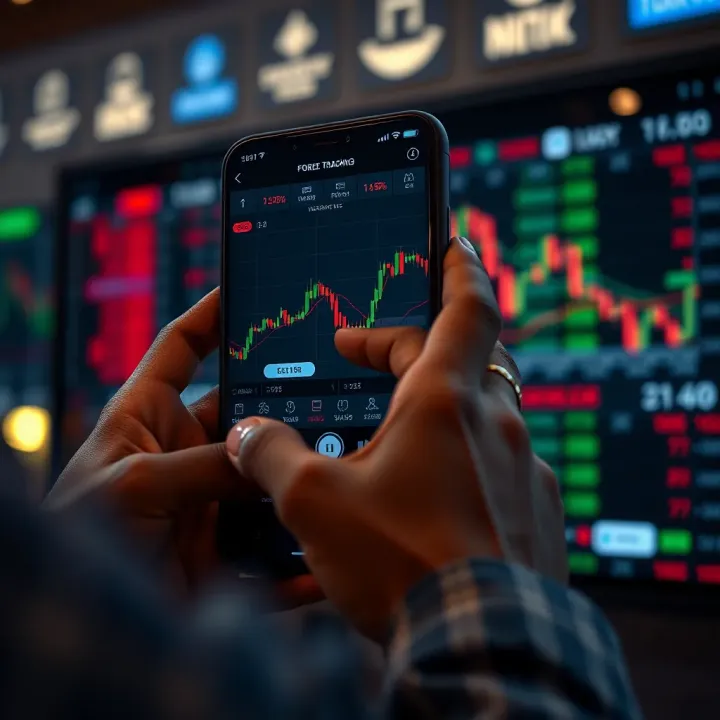
Looking to pick the best forex trading app in Nigeria? 📱 Learn what to watch for, explore top picks, and get tips to trade safely and smartly. 💹
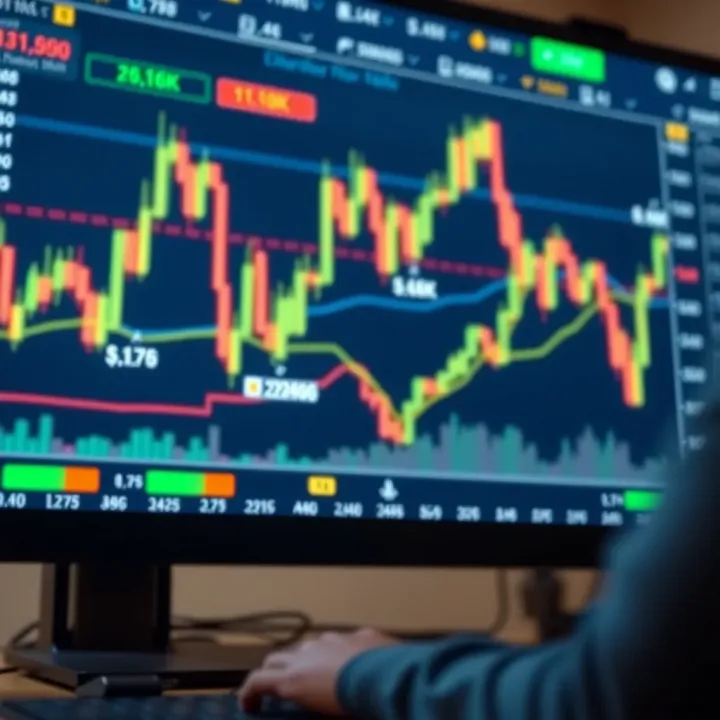
📈 Start your forex trading journey in Nigeria with this practical guide! Learn market basics, strategies, risk tips, and boost your trading confidence today.
Based on 11 reviews