
Forex Trading Hours: What Nigerian Traders Should Know
📈 Learn how forex trading times impact Nigerian traders 🌍 Master global market hours, handle time zones, and spot the best moments to trade for ₦ profit.
Edited By
Daniel Ross
Forex trading has become an attractive way for Nigerians to earn extra income, especially with the rise of mobile internet and fintech platforms. However, the role of a forex trading broker often remains unclear to many traders. Simply put, a forex broker is the middleman connecting you to the global foreign exchange market where currencies are bought and sold.
Understanding how brokers operate is essential for any serious trader. Brokers provide the trading platform, access to currency pairs, and execution of buy or sell orders. They also offer leverage, which can magnify your profits or losses. Importantly, brokers differ in terms of regulation, fees, account types, and trading conditions.
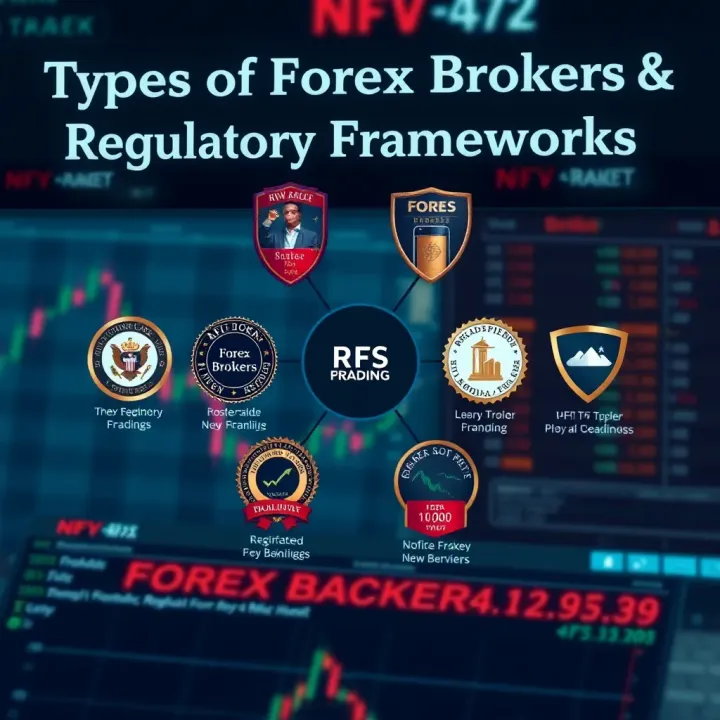
For Nigerian traders, navigating the broker scene requires paying attention to certain details. For example, choose brokers regulated by credible authorities like the Financial Conduct Authority (FCA) or the Nigerian Securities and Exchange Commission (SEC). Regulation ensures your funds receive some level of protection and the broker operates fairly.
Brokers generally fall into two categories:
Dealing Desk Brokers (Market Makers): These brokers create their own market and may take the opposite side of your trade. While their spreads tend to be fixed, there’s potential conflict of interest.
No Dealing Desk Brokers (ECN/STP): They connect traders directly to liquidity providers without internalising trades. This means variable spreads, generally faster execution, and usually lower conflicts.
Apart from the type, consider account features such as minimum deposit, leverage offered, types of available trading platforms (like MetaTrader 4 or proprietary apps), and customer support quality.
Choosing the right forex broker shapes your trading experience, affecting everything from costs to execution speed. Patience and research pay off here.
Many Nigerian traders underestimate the costs involved. Typical costs include the spread (difference between buy and sell price), commissions, and swap fees on overnight positions. Even small differences in spread can hugely impact long-term profitability.
Overall, understanding forex brokers helps you make informed decisions rather than blindly picking names. As you read on, this guide will break down key areas Nigerian traders must focus on to trade confidently and profitably.
A forex trading broker plays a central role in connecting you, the trader, to the global currency market. Understanding what a forex broker does and why it matters can help you avoid pitfalls and make informed choices that suit your trading style and financial goals. For Nigerian traders, this is particularly important due to factors like local regulatory frameworks and payment system peculiarities.
A forex broker is essentially an intermediary that provides access to the foreign exchange market, where currencies are bought and sold. Unlike stock markets, forex is a decentralized global market that requires platforms offered by brokers for trading. The broker offers an interface—usually an online platform or app—where you place trades. Besides just allowing transactions, brokers provide tools such as charts, analysis, and real-time price feeds to support decision-making.
For example, if you want to trade the currency pair USD/NGN, you cannot do it directly on your own. The broker facilitates this by acting as a go-between you and liquidity providers or other traders, processing your orders swiftly.
Forex brokers make trading possible by offering several critical services:
Execution of Trades: When you initiate a buy or sell order, the broker ensures the trade is executed on the market or within their system promptly and at the quoted prices.
Access to Leverage: Brokers provide leverage, allowing you to control larger positions with relatively smaller capital. For instance, a 1:100 leverage means you can trade ₦100,000 with just ₦1,000. While this can amplify profits, it also increases risk, so selecting a broker with responsible leverage limits matters.
Account Management: Brokers handle your trading account, recording all transactions, calculating profits or losses, and managing margin requirements.
Providing Market Data: Quality forex brokers supply real-time data and analytical tools, enabling you to understand market trends and make smarter trades.
Customer Support and Education: Good brokers offer customer service to resolve issues quickly and provide educational resources that help you understand forex better.
Choosing the right forex broker ensures smoother trade execution, safer funds, and better tools to support your trading journey.
Given the volatility of the naira and challenges like fluctuating exchange rates and limited banking hours during holidays, partnering with a dependable broker means you can manage trades with less stress. That said, always check the broker’s regulatory status and user reviews to avoid scams or hidden costs.
In summary, forex brokers do more than just connect you to the market; they provide the framework and tools that shape your trading experience. Knowing their roles clarifies why picking the right broker is your first major step in forex trading.
Understanding the types of forex brokers available is key to making smart choices in trading. Nigerian traders should know that brokers differ by how they execute orders and interact with the market. Selecting the right type influences trading costs, execution speed, and risk management.
Dealing Desk (DD) brokers, sometimes called market makers, set their own price for currency pairs. They may take the opposite side of your trade and profit from your losses or spreads. For example, a DD broker might buy a currency pair when you sell it and vice versa. This can sometimes lead to conflicts of interest, but DD brokers often provide fixed spreads and higher liquidity.
On the other hand, No Dealing Desk (NDD) brokers connect traders directly to the interbank market or liquidity providers without intervention. NDD brokers typically offer variable spreads and faster execution since orders pass directly to external sources. For Nigerian traders seeking transparency and speed, many prefer NDD brokers.
Market Makers are a subset of DD brokers. They generate liquidity by creating a market for currency pairs themselves, so your trades are internalised within their system. They can offer fixed spreads, which might be attractive if you want stable trading costs.
Electronic Communication Network (ECN) brokers fall under NDD brokers. ECN brokers aggregate price quotations from several banks and providers, then match traders' orders internally or externally. ECN accounts usually have tighter spreads but often charge a commission per trade. For traders using scalping or high-frequency strategies, ECN brokers offer better execution and pricing.
Nigerian traders can access both local and international forex brokers. Local brokers, though fewer, benefit Nigerians by offering naira-denominated accounts, local customer support, and payment options that fit Nigerian banking systems. Examples include locally registered firms like BGL Securities.
International brokers like FXTM, HotForex, and Pepperstone dominate due to their global presence, regulatory standards, and wide range of currency pairs. They often provide sophisticated platforms like MetaTrader 4/5 and educational resources. However, international brokers may require Nigerian traders to use USD or EUR accounts, affecting currency exchange considerations.
Access to brokers is influenced by payment methods, regulatory compliance, and internet infrastructure in Nigeria. Brokers offering convenient deposit and withdrawal options like bank transfers, USSD codes, or popular Nigerian e-wallets (e.g., OPay, Paystack) improve usability for local traders.
Moreover, brokers registered with Nigeria’s Securities and Exchange Commission (SEC) or partnering with Nigerian financial institutions offer greater assurance. This reduces the risk of fraudulent activities and enhances recourse options if issues arise. Internet speed and connectivity also shape broker choice, as some platforms perform better with stable connections.
Choosing the right broker type helps you trade with confidence, knowing your funds and orders are handled appropriately while minimising unnecessary costs.
In Nigeria’s evolving forex market, traders should weigh practical needs like payment convenience, regulation, and execution quality against trading strategies and budget. This understanding is the bridge to profitable, safe forex trading.
Selecting a good forex broker is more than just finding low costs or flashy platforms. Nigerian traders need to prioritise safety, ease of use, and services that fit their trading style. Understanding key features such as regulatory compliance, trading platforms, fees, and customer support helps you avoid costly mistakes while giving you a clearer path to profit.
Regulatory compliance is the backbone of trust in forex trading. Brokers authorised by recognised bodies like the Securities and Exchange Commission (SEC) Nigeria or international regulators such as the Financial Conduct Authority (FCA) in the UK or the Australian Securities and Investments Commission (ASIC) offer more safety. When a broker follows regulations, your deposits enjoy segregation from the firm's operating funds and safeguards against fraud or mismanagement.
For example, some Nigerian traders prefer brokers registered with SEC Nigeria for easier dispute resolution and local recourse. Remember, unregulated brokers might offer tempting bonuses but risk your capital security. Always check the broker’s licence details on official regulator websites.
The platform is your main interface for executing trades. Reliable, user-friendly platforms should offer real-time charts, diverse order types, and fast execution speeds. Most brokers provide MetaTrader 4 or 5 (MT4/MT5), widely regarded for their stability and range of tools.
For instance, if you're a technical trader, access to advanced indicators and charting on MT5 is crucial. Some brokers also offer proprietary platforms or mobile apps compatible with Nigerian internet conditions. Testing demo accounts helps decide which platform suits your trading approach.
Costs eat into your profits, so understanding how brokers charge for trades matters. Brokers might offer fixed or variable spreads—the difference between buy and sell prices. Variable spreads can be tighter but may widen during volatile markets.
For example, a broker with an average spread of 1.5 pips on EUR/USD could cost you more over several trades compared to one charging 0.5 pips plus a commission. Beware of additional fees like withdrawal charges or inactivity penalties. Comparing the total cost structure helps avoid surprises.
Efficient customer service is vital, especially when dealing with funds or technical issues. Top brokers provide 24/7 support via live chat, email, or phone, often with agents familiar with Nigerian traders' realities.
Education matters too. Quality brokers offer webinars, tutorials, and market analysis that help beginners and seasoned traders sharpen skills. For example, a broker that runs weekly market reviews and risk management sessions can empower you to trade smartly rather than on guesswork.
When choosing your forex broker, don't just settle for what looks good on the surface. Check their regulation, platform quality, costs, and how they support you. These features directly impact your trading success and peace of mind.
In summary, carefully weigh regulatory safety, platform functionality, cost transparency, and customer care before diving into forex trading. These elements work together to create a solid foundation for your trading journey, particularly in Nigeria’s unique market landscape.
Opening and managing a forex trading account in Nigeria goes beyond simply filling out an online form. It involves choosing the right account type, understanding deposit options that suit Nigerian financial systems, and practising solid risk management to protect your capital. These steps determine how smoothly you trade and how well you can respond to market changes.
Forex brokers usually offer various account types tailored to different trading needs. Commonly, you'll find standard, mini, and micro accounts. For Nigerian traders, a micro account is often a smart place to start because it requires a lower minimum deposit, typically around ₦20,000 to ₦50,000. This allows beginners to get hands-on experience without risking large sums.
Standard accounts often demand a higher minimum deposit—sometimes ₦200,000 or more—but they come with better spreads and access to extra tools. Some brokers also feature Islamic or swap-free accounts to comply with Sharia law, which can be appealing to Nigerian Muslim traders. Always check the broker’s requirements since minimum deposits and account features vary.
Bank transfers remain the most common and secure way to fund forex accounts in Nigeria. Most brokers accept direct transfers from major Nigerian banks like GTBank, Zenith, or Access Bank. Nigerian traders benefit because these transfers are familiar and can be tracked easily. However, bank transfers can sometimes take 24 to 48 hours to reflect, especially for international brokers, so it’s wise to plan ahead before trading.
The rise of mobile banking has made USSD codes an attractive funding option. Services like Quickteller USSD payment allow Nigerians without smartphones or internet access to deposit funds quickly. Mobile money platforms, though not as widespread in Nigeria as in some African countries, are gaining ground, especially in rural areas. This makes forex trading more accessible to traders outside Lagos and Abuja who might struggle with traditional banking.
E-wallets like Skrill, Neteller, and PayPal are popular among Nigerian forex traders for their speed and convenience. Linking these wallets to Nigerian bank accounts enables quick deposits and withdrawals without the need to share bank details with brokers directly. Some brokers also accept local fintech wallets such as OPay and PalmPay, but availability depends on the broker’s payment options. Before signing up, confirm the e-wallet services the broker supports and any associated fees.
Risk management is at the heart of successful forex trading. Nigerian traders should always set stop-loss orders to limit potential losses. Using only a small percentage of your account per trade—often around 1-2%—helps protect your capital during volatile market swings.
Keep emotions in check and avoid chasing losses, a temptation especially during embers months when market movements can be unpredictable. Education also plays a role: staying updated on local economic policies by the Central Bank of Nigeria (CBN) or international events that influence currency pairs will help you make informed decisions.
Good money management and disciplined trading are your best shields against the unpredictable world of forex.
Managing your account well means more than just knowing technical skills. Nigeria’s unique financial climate requires understanding available banking routes, fees, and timing constraints to make the most of your trading opportunities. With the right setup and sensible risk controls, you’re better positioned to profit from forex trading over time.
For Nigerian traders stepping into forex, understanding the costs linked to trading is vital. These costs can eat into your profits if you don’t plan properly. Knowing what each charge means and how it affects your trading can help you make smarter decisions and manage your funds better.
The spread is the difference between the buying price (ask) and the selling price (bid) of a currency pair. It's effectively the broker’s cut for facilitating the trade. For example, if the EUR/USD pair has a bid price of 1.1500 and an ask price of 1.1503, the spread is 3 pips. In practical terms, you start trading at a slight loss equal to the spread. Narrower spreads are obviously better as they lower your cost per trade.
In Nigeria, brokers may offer fixed or variable spreads. Fixed spreads don’t change, which might feel stable, but variable spreads often tighten during active market hours and widen otherwise. Traders must watch spreads especially during volatile periods, like around major US or European economic releases, where spread widening can increase costs unexpectedly.
Some brokers charge commissions in addition to spreads, especially ECN (Electronic Communication Network) types. This commission is usually a fixed fee per lot traded, say $3 to $7. If you trade a standard lot size regularly, commissions can add up, so factor this into your cost calculations.
Withdrawal fees also come into play, particularly if you are using international methods like wire transfers or credit cards common in Nigeria. Although many brokers offer free deposits, withdrawals sometimes attract charges ranging from ₦1,000 to ₦5,000 depending on the method and amount. Always check your broker’s withdrawal policy carefully. For Nigerians, options like bank transfers or e-wallets such as Paystack and Flutterwave tend to offer smoother and cheaper withdrawals.
Some costs are not obvious upfront. For instance, overnight rollover fees—also called swap fees—apply when you hold a position past the trading day. This fee can be positive or negative depending on interest rate differentials between currencies but often catches traders off guard.
Additionally, watch out for inactivity fees. If you leave your account dormant for a few months, some brokers start deducting fees, which eat into your balance.
Finally, be wary of currency conversion charges if your trading account is not in naira. Converting profits back to ₦ might involve unfavourable rates or extra fees from your broker or bank.
Always read the fine print on cost structures before choosing a broker. Hidden or unexpected fees can turn apparent wins into losses.
Understanding these costs helps you keep more of your earnings and avoid surprises. Balancing low spreads, reasonable commissions, and transparent fee policies will strengthen your trading confidence as a Nigerian forex trader.
📈 Learn how forex trading times impact Nigerian traders 🌍 Master global market hours, handle time zones, and spot the best moments to trade for ₦ profit.
Explore how binary brokers operate and learn tips tailored for Nigerian traders 🇳🇬. Understand regulation, risks, and key features to trade safely and smartly 📊.
📈 Discover how to pick the best forex trading indicators 🎯 for Nigerian traders. Learn strengths, pitfalls, and strategies to improve your trades effectively.
Find the best Forex trading platform for beginners in Nigeria 🇳🇬. Learn about safety, ease of use, costs, and educational tools to start trading confidently!
Based on 5 reviews