

Best Trading Apps to Make Money in Nigeria
Discover top trading apps in Nigeria 📱 Learn how to pick the best platform for safe investing, key features to watch, and tips to boost your earnings 💰
Edited By
Ethan Clarke
Forest trading apps represent a growing shift in how timber and other forestry products are bought and sold in Nigeria. These digital platforms create direct links between suppliers—such as local loggers or wood mills—and buyers, including furniture makers, exporters, and construction companies. By offering easier access to market pricing and product availability, these apps bring transparency to a sector traditionally dominated by informal arrangements.
In Nigeria, forestry remains a significant economic activity, especially in states like Cross River, Ondo, and Benue, where timber production and processing generate income for many rural communities. However, the traditional trade methods involve multiple middlemen, limited price visibility, and regulatory challenges. Forest trading apps attempt to tackle these bottlenecks by providing real-time listings, verified supplier details, and digital payment options.
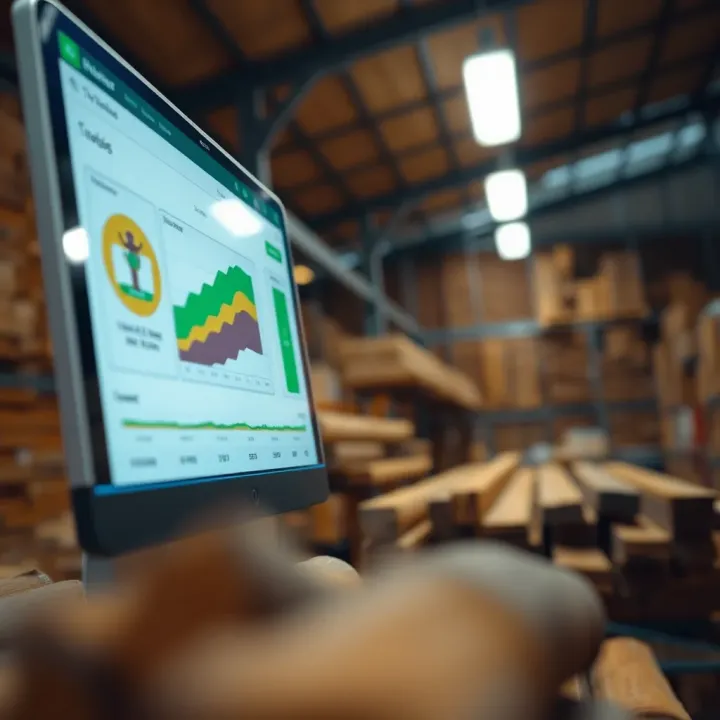
Some of these platforms also incorporate regulatory tools that help monitor legal compliance, forest certification, and sustainable harvesting practices. For instance, apps may require suppliers to upload the necessary permits before listing timber for sale, thus supporting efforts against illegal logging. This integration benefits both buyers and government agencies by simplifying enforcement and traceability.
Key features typically include:
User-friendly interfaces accessible via smartphones, which are increasingly common across Nigeria
Search filters allowing buyers to specify timber types, sizes, and quantities
Payment gateways supporting Naira transactions securely and promptly
Rating or review systems to build trust among traders
Despite these advantages, forest trading apps face challenges. Lack of broadband infrastructure in rural areas can limit access. Additionally, some suppliers hesitate to adopt digital tools due to unfamiliarity or mistrust. Payment security, data privacy, and ensuring that listed products meet quality standards remain ongoing concerns.
Forest trading apps offer a practical way to link Nigeria’s forest resource endowment with market demand, but their success depends on addressing connectivity, trust, and regulatory enforcement.
For investors and analysts, understanding the operations and dynamics of these platforms provides insight into an evolving market segment. They showcase how tech can improve traditional industries by increasing efficiency, reducing corruption risks, and promoting sustainable resource use. As Nigeria continues to digitalise commerce, forest trading apps stand out as a sector with tangible growth potential and broader socio-economic impact.
Forest trading apps have emerged as essential tools for modernising the trading of timber and other forest products in Nigeria. These digital platforms serve as marketplaces, connecting sellers and buyers directly, which traditionally relied on face-to-face negotiation and middlemen. In a country where the forestry sector remains vital to both the economy and local livelihoods, such apps simplify transactions, enhance transparency, and provide timely information crucial for decision-making.
Simply put, forest trading apps are mobile or web applications designed to facilitate the buying and selling of timber, firewood, charcoal, bamboo, and other forest products. Their primary purpose is to cut through the confusion and delays common in the conventional timber trade, offering a streamlined, efficient channel for all stakeholders—from small-scale loggers in rural communities to urban traders and exporters. Besides easing commercial transactions, these apps can help promote sustainable forestry by tracking source legality and supporting compliance with regulations.
Forest trading apps typically provide detailed product catalogues where users can browse various types of timber and forest products. These listings are categorised by species, quality grade, dimensions, and intended use. For instance, an app might list Iroko wood separately from Mahogany, noting whether the timber is rough cut or finished. This categorisation aids buyers in quickly filtering options that fit their project needs, saving time and ensuring clarity.
One standout feature is the availability of real-time pricing based on current market trends, regional demands, and supply fluctuations. This dynamic pricing helps traders in Lagos, Abuja, or Port Harcourt to gauge fair value before agreeing to deals. It also allows loggers in rural areas to set competitive prices without depending solely on middlemen’s estimates, reducing the chances of exploitation.
Forest trading apps include profiles that showcase a user's history, reliability, and ratings from past transactions. These profiles build trust, especially in a sector where verifying product origin or payment reliability can be challenging. For example, a timber buyer can review seller feedback or certifications attached to their account before committing to a purchase.
To complete deals, these platforms integrate secure payment gateways tailored for Nigerian users, supporting bank transfers, mobile money, or fintech wallets like OPay and PalmPay. This integration ensures faster payments, reducing delays typical of cash handling in remote forest communities. Some apps also have escrow features that hold funds until both parties confirm satisfactory delivery.
A typical user journey starts with registration, where the user sets up their profile, stating whether they are a logger, trader, or buyer. Upon logging in, the user browses product categories or searches for specific timber species. After selecting desired products, users check real-time prices and seller profiles. Negotiation or offer placement may follow through an in-app messaging system. Once agreed, the user proceeds to payment, either partially or fully via integrated gateways. The final step involves confirming delivery and reviewing the transaction.
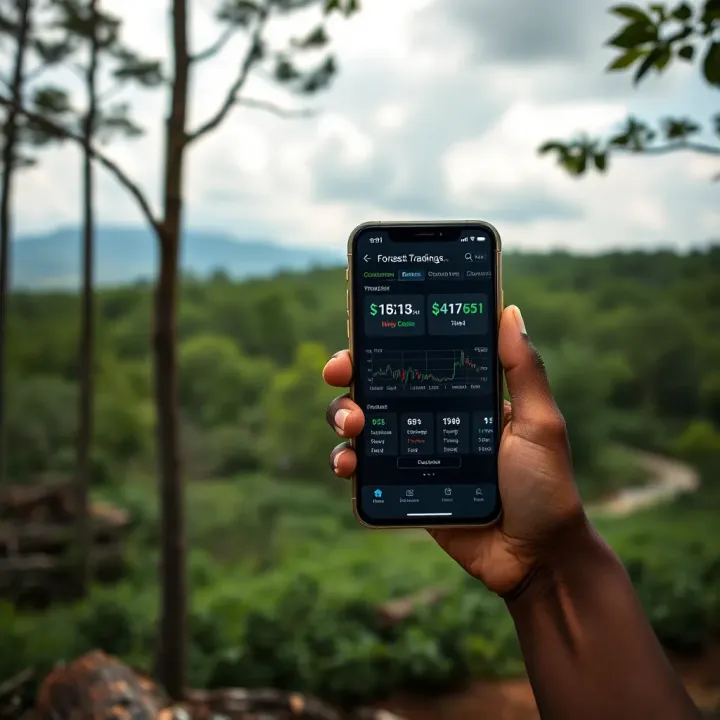
These apps aim to bring structure and transparency to Nigeria's forest product trade, making transactions faster, safer, and better informed for all involved.
By grasping how forest trading apps operate and their core components, traders and investors can tap into new opportunities addressing age-old challenges in Nigeria’s forestry sector.
Forest trading apps serve as vital tools in Nigeria’s forestry sector, connecting participants across the supply chain more effectively than traditional methods have allowed. These digital platforms help small-scale loggers, traders, and buyers transact with increased efficiency, addressing long-standing challenges such as limited market access and opaque pricing.
Forest trading apps bridge the gap between small-scale loggers and buyers by providing a marketplace where sellers can list timber products and buyers across Nigeria and even neighbouring countries can browse offerings easily. For example, a logger in Akure with limited physical market exposure can use these apps to reach furniture makers in Lagos or exporters in Port Harcourt directly, bypassing middlemen who often reduce profits. This connectivity reduces barriers such as transport logistics and information asymmetry, empowering smaller players to compete in a market previously dominated by established firms.
One core advantage of forest trading apps lies in enhancing transparency and tracking of timber products to curb illegal logging and fraud. By digitising records of origin, species, quantity, and seller credentials, these platforms create a verifiable chain of custody for each consignment. This helps regulators and buyers ensure products comply with forestry laws and sustainability standards. In Lagos, for instance, buyers can verify whether their timber is legally harvested through app features, reducing the risk of penalties and loss of reputation. The traceability also aids enforcement agencies like the Nigerian Conservation Foundation (NCF) to monitor and tackle illicit forest activities more competently.
Beyond trade facilitation, forest trading apps encourage sustainable management by embedding compliance features and sharing educational content about best practices. Some apps partner with forestry experts to provide guidelines on permissible logging volumes and reforestation requirements. This information motivates loggers to adopt responsible methods to maintain forest health. Moreover, apps can promote certified timber products, giving preference in search results to sellers who comply with sustainability certifications like FSC (Forest Stewardship Council). Supporting such standards nurtures market demand for environmentally friendly timber, aligning economic goals with conservation efforts.
By integrating technology with local forestry needs, forest trading apps transform Nigeria’s timber market into a more open, accountable, and eco-conscious sector.
Overall, as these apps evolve, their role widens from simple trade connectors to critical components of a regulated, sustainable forestry ecosystem, benefitting Nigerian businesses, communities, and the environment alike.
Forest trading apps have become vital tools for businesses and communities engaged in Nigeria’s forestry sector. These platforms deliver practical advantages that not only ease market interactions but also help secure better income for local suppliers and greater market reach for buyers.
One key benefit is improved market access. Small-scale loggers in remote areas often struggle to find buyers outside their immediate locality. Forest trading apps bridge this gap, enabling sellers to showcase their timber products to a larger audience. For instance, a timber seller in Ondo State can connect easily with furniture manufacturers or exporters in Lagos or Aba, increasing sales opportunities.
Price discovery is another important factor. These apps display real-time market prices, helping sellers and buyers gauge fair value without relying on middlemen. This transparency discourages price manipulation common in informal markets and allows traders to bid competitively. Over time, this leads to a more efficient pricing mechanism that reflects actual supply and demand.
Digital platforms streamline many processes, cutting down transaction times drastically. With integrated payment systems and clear product listings, buyers can complete orders without lengthy phone calls or physical visits. This efficiency reduces the reliance on costly intermediaries, lowering operational costs significantly for both sides.
Moreover, logging out premiums from unnecessary paperwork and manual tracking helps save time and resources. Without forest trading apps, many transactions depend on cash or delayed payments, exposing stakeholders to risks. Using mobile money or bank transfers through the platforms minimises delays and offers a secure record of payments.
Forest trading apps also improve adherence to Nigeria’s forestry laws. These platforms usually require sellers to upload documentation proving legal harvesting and permits. This digitised compliance reduces illegal logging activities by making it easier for regulators to track timber sources.
For example, the Nigerian Forestry Certification Scheme can be integrated into the app, allowing users to verify sustainable practices directly. This not only helps buyers meet export standards but also encourages loggers to harvest responsibly, preserving the forest for future generations.
By connecting stakeholders transparently and efficiently, forest trading apps are boosting economic opportunities while promoting sustainable forestry management in Nigeria.
Overall, these apps help Nigerian businesses and communities operate smarter and more competitively in the timber market. They open doors to larger markets, cut unnecessary costs, and support responsible forest use. As adoption grows, their impact on the forestry sector will become even more transformative.
Forest trading apps offer promising avenues for Nigeria’s forestry sector, but several obstacles and risks dampen their full potential. Addressing these challenges is essential to ensure the apps serve their purpose effectively and sustainably.
Most forestry activities in Nigeria take place in rural or semi-rural areas with patchy electricity and limited internet access. These infrastructure constraints create barriers for both app developers and end-users. For example, a logger in Ondo state may struggle to update product listings or check market prices due to slow or unavailable internet signals. Power outages—still common in many parts—further complicate app usage, forcing reliance on costly diesel generators. Without reliable connectivity and power, forest trading apps cannot deliver real-time information or seamless transactions, reducing their usefulness and user adoption.
Trust forms the backbone of any digital market. Yet, forest trading apps face significant challenges in securing user data amid growing cyber threats. Cases of fake listings, phishing attempts, or unauthorised access to payment details could undermine confidence in these platforms. Nigerian traders and buyers, especially small-scale operators, are often wary of online scams. If an app fails to safeguard personal data, or if there’s lack of transparency on data usage, users will quickly abandon it. Therefore, robust security protocols, clear privacy policies, and user education are vital to build lasting trust.
The regulatory environment in Nigeria presents another hurdle. Although agencies like the Nigerian Forestry Service set rules on timber harvesting and trade, enforcement remains weak. Forest trading apps may struggle to comply with complex or overlapping regulations, especially when users operate informally. Moreover, the absence of clear frameworks for digital forestry commerce causes uncertainty for app developers and investors. Without government collaboration or supportive policies, these digital platforms risk operating in a regulatory grey area. Tackling enforcement gaps and aligning app operations with national forest management goals is critical to prevent illegal logging and ensure sustainable trade.
The combined impact of poor rural infrastructure, concerns about data security, and unclear regulations demands coordinated efforts from developers, government, and local communities to unlock the full benefits of forest trading apps in Nigeria.
By recognising these practical challenges, stakeholders can develop targeted interventions that improve accessibility, protect users, and promote compliance. This approach will create a more reliable and efficient marketplace for Nigeria’s timber sector and encourage wider digital adoption.
The forest trading app sector in Nigeria is poised for significant growth, driven by rising demand for transparency and traceability in the forestry supply chain. These digital platforms are no longer just tools for buying and selling timber but are becoming vital in reshaping how forest products are managed and commercialised. Recognising the future prospects of these apps helps stakeholders—traders, investors, and regulators alike—understand the broad opportunities and challenges ahead.
Forest trading apps have traditionally focused on timber, but there is great potential in expanding to non-timber forest products (NTFPs) like honey, medicinal plants, rattan, and nuts. By including NTFPs, apps can tap into additional revenue streams and support diverse forest-dependent communities. For instance, communities in Cross River State harvest medicinal herbs and wild fruits, which have growing markets both locally and internationally. Digitising these trades can increase income, reduce dependence on timber, and promote sustainable resource use.
Including NTFPs also helps diversify the forest economy and encourages conservation. It allows app users to access a wider range of products while supporting sustainable harvesting, providing traceability for products often sourced informally. This expansion needs features tailored to NTFPs, such as seasonal availability indicators and quality verification mechanisms.
Illegal logging remains a major threat to Nigeria’s forests, undermining both economic and ecological stability. Forest trading apps offer a platform to combat this by integrating certification standards and tracking mechanisms directly into their systems. Through digital tagging and blockchain technologies, apps can verify legal sourcing and provide buyers with proof of compliance.
Certified timber sales via these apps uplift responsible actors and discourage illicit operations. For example, a platform that verifies wood origin using GPS coordinates and permits can help regulators monitor supply chains in real time. This transparency curbs fraudulent activities and reassures investors and buyers about product legality, hence strengthening the overall forestry sector.
The growth and success of forest trading apps hinge on strong collaboration among government agencies, tech companies, forestry bodies, and local communities. Each party brings unique strengths: the government offers regulatory frameworks, tech firms deliver user-friendly platforms, and forest communities provide on-ground resources and data.
Without such partnerships, apps risk losing relevance or failing due to regulatory gaps and lack of trust. For example, collaboration can streamline access to licensing data, integrate extension services, or secure funding for rural connectivity improvements. Collective efforts also help educate stakeholders, building capacity for better forest management.
Collaboration is not a one-off event; it must be ongoing to build trust, refine solutions, and scale impact effectively.
Looking ahead, forest trading apps in Nigeria will thrive by embracing product diversity, reinforcing sustainable practices, and nurturing partnerships. This approach promises a more transparent, profitable, and sustainable forestry sector, ultimately benefiting traders, regulators, and the environment.
Discover top trading apps in Nigeria 📱 Learn how to pick the best platform for safe investing, key features to watch, and tips to boost your earnings 💰

Explore top trading apps for Nigerian investors 📱💼. Compare features, ease of use, security, and cost to find the best fit for your trading goals.

Find the best trading app in Nigeria 🇳🇬 with ease. Compare fees, security, assets, and support to pick the perfect platform for your investments 📈.
📱 New to trading in Nigeria? Find the best beginner-friendly apps with low fees, strong security, easy features, and tips for a smooth start to investing.
Based on 10 reviews