

Top Crypto Trading Apps for Nigerian Users
Explore the best crypto trading apps for Nigerian traders 📱. Compare features, security 🔒, fees 💰, and ease of use to pick the right platform for you.
Edited By
Emily Foster
Crypto trading bots have become a game changer for many traders, especially in dynamic markets like Nigeria where quick decisions can make or break a deal. These automated tools handle trades based on algorithms, removing the need to stare at the screen all day. But with so many options out there, picking the right bot can be like finding a needle in a haystack.
In this guide, we'll unpack how crypto trading bots actually work, weigh their real advantages and drawbacks, and point out things Nigerians should keep in mind when choosing one. The crypto market is fast, and bots help by making trades faster than any human could. Still, not all bots are created equal — some come packed with security holes, while others might just be smoke and mirrors.

Whether you’re a seasoned trader or a newcomer eager to amp up your strategy, understanding these tools will help you trade smarter, not harder.
Remember, automation doesn’t mean you set and forget. Successful trading bots require tuning, regular checks, and a solid grip on market trends.
Next up, we'll cover what makes a good trading bot tick and how to spot the ones worth your money.
Understanding how crypto trading bots operate is essential for anyone looking to automate their trading activities effectively. In the fast-paced world of cryptocurrencies, these bots can execute trades without human delay, which is critical when markets are highly volatile. Knowing how they function helps traders set realistic expectations, avoid costly mistakes, and leverage automation intelligently to maximize profits.
Crypto trading bots connect to exchanges through APIs and monitor market conditions in real-time. When certain criteria are met, such as price thresholds or technical indicators, the bot triggers buy or sell orders automatically. For example, a bot set up to buy Bitcoin when its price dips 2% below its 24-hour average will place an order instantly once that condition is detected—much faster than manual trading.
This automation frees traders from the need to watch screens 24/7 and reduces the risk of missing trading opportunities due to human delay. Additionally, it ensures consistent execution without emotional distractions.
Trading bots commonly use several algorithmic strategies:
Momentum trading: Bots buy assets showing upward price momentum and sell when momentum fades.
Mean reversion: Based on the idea that prices tend to return to their average, bots buy undervalued assets and sell overvalued ones.
Trend following: Bots identify trends, like a consistent upward price movement, then enter trades aligned with the trend.
These strategies can be customized with parameters such as thresholds, timeframes, and stop-loss levels. For instance, a bot might be programmed to buy Ethereum only if its 7-day price average rises by more than 3%, helping traders stick to disciplined plans.
Arbitrage bots exploit the price differences of the same cryptocurrency across different exchanges. For instance, if Bitcoin is trading at $30,000 on Binance and $30,200 on Luno, an arbitrage bot buys at the cheaper price and immediately sells at the higher one—locking in a profit. This practice takes advantage of inefficiencies in markets but requires speedy execution due to tight margins and increasing market synchronization.
These bots are practical for Nigerian traders who use multiple platforms or access international exchanges where price discrepancies might occur.
Market-making bots provide liquidity by simultaneously placing buy and sell orders around the current market price. Their goal is to profit from the difference (spread) between the buy and sell prices. For example, a bot might place a buy order at ₦15,000 and a sell order at ₦15,200 for a certain crypto asset, profiting from each completed trade.
This type of bot benefits traders who want to earn small but frequent gains, especially in markets with lower trading volumes or wider spreads.
Technical analysis (TA) bots use historical price data and chart patterns to decide when to trade. They apply indicators like Moving Averages, Relative Strength Index (RSI), and Bollinger Bands to predict price movements.
For example, a TA bot might trigger a buy when the RSI indicates an oversold asset (RSI below 30) and sell when it becomes overbought (RSI above 70). These bots help traders utilize strategies that would take hours to execute manually, making them ideal for Nigerians keen on leveraging technical signals without constantly watching charts.
Choosing the right type of bot depends on your trading style, goals, and market conditions. Understanding how these bots execute trades and the logic behind their decisions is key to using them effectively.
Crypto trading bots offer several tangible benefits that make them appealing, not just to seasoned traders but also to those dipping their toes into crypto markets. They boost trading efficiency and open doors to strategies that would be hard to execute manually. Especially in fast-moving markets like cryptocurrency, these bots ensure traders don’t miss crucial opportunities or make costly mistakes driven by panic or overconfidence.
One of the standout perks of trading bots is their ability to place orders much faster than a human could. For example, when a bot spots a price dip on Binance or Coinbase, it can instantly initiate a buy order, capitalizing on short-lived market swings without delay. This speed is critical in crypto markets, where a few seconds can make the difference between profit and loss. A human trader simply can’t match this timing precision, especially across multiple trading pairs.
Bots operate 24/7, scanning the market relentlessly. Unlike traders, who need breaks and sleep, bots keep watching price movements, order books, and volume fluctuations round the clock. This continuous monitoring means they can react to market changes anytime, even when you’re away from your screen or asleep. For instance, if Bitcoin suddenly dips at 3 AM, a well-configured bot will automatically sell to limit losses, something a night-shift trader could struggle to manage consistently.
Traders are often their own worst enemies, driven by fear, greed, or impatience. Bots, however, don’t have emotions, so they don’t panic sell during a dip or chase pumps blindly. This trait helps prevent common traps like FOMO (fear of missing out) or despair selling. By sticking strictly to pre-programmed rules, they trim down errors caused by irrational decision-making. For example, a bot won’t suddenly change its strategy because it “feels” the market is turning—something that happens often to manual traders.
Consistency is a tough nut to crack in trading, yet bots excel here. They follow strategies to the letter without wavering, whether the market’s volatile or stable. Suppose your strategy targets buying Ethereum when its price drops by 5% and selling at a 7% gain; a bot will execute this plan consistently, avoiding lapses that human traders might have due to distraction or second-guessing. This steadiness can improve long-term results, particularly in the choppy waters of crypto markets.
Using crypto trading bots isn’t about handing over control blindly. It’s about enhancing your trading toolkit with tools that operate faster, stay focused, and execute strategies reliably—day in, day out.
In short, these advantages make trading bots valuable players, especially in a Nigerian trading environment where markets never sleep and timing is everything.
Automated crypto trading bots offer big perks, but it's important to look at the flip side too. Knowing the common risks and limits helps traders stay realistic and avoid nasty surprises. Bots can be game changers, but they're not a magic wand. They’re tools that work within certain boundaries, and if those limits get ignored, losses can pile up fast.
API keys are like digital passports for your trading bot to access your exchange account. If these keys aren’t handled right, it's like leaving your house keys on the doorstep. Hackers can snag these keys and execute trades or withdraw funds without your say-so. To protect yourself, only grant the least privileges necessary — for example, allow trading but disable withdrawal permissions. Also, keep your API keys secret and rotate them regularly. This simple step cuts the risk of unwanted breaches significantly.
Crypto bots need your data—both personal and trading info—to function. But once you hand over your data, you’re trusting the bot provider to keep it safe. Poor data storage practices or unsecured servers can leak sensitive info, exposing you to identity theft or even market manipulation. Always choose bots with transparent privacy policies and strong encryption. If a bot asks for more info than needed, that's a red flag to steer clear.
Crypto markets can swing wildly in minutes. Bots, which often depend on preset algorithms, may struggle or act incorrectly when prices jump or crash unexpectedly. For instance, a bot optimized for steady trends might keep buying into a dying asset during a flash crash, doubling losses fast. This is why bot users still need an eye on market conditions, ready to pause or tweak their settings when volatility spikes.
Not all bots are created equal. Some are built for specific strategies—like momentum trading or arbitrage—and can flop if conditions change. For example, arbitrage bots look for price differences across exchanges; but if exchanges update prices in sync, the bot’s edge vanishes. Similarly, a bot relying on moving average crossovers might produce poor signals during sudden market reversals. Traders must understand what their bot does well and monitor for weaknesses, adapting strategies when the market behaves differently.
In short, crypto bots can help automate trades but carry risks like security flaws and shaky performance during market turbulence. Being aware and prepared helps you trade smarter, not just faster.
When diving into crypto trading bots, it's easy to get dazzled by promise and hype. But what really matters is the set of core features that make a bot practical and reliable for everyday trading. These essential features aren’t just bells and whistles—they shape how effectively the bot can perform, how easy it is to use, and how well it fits into your trading style and risk tolerance.

Ease of setup is a big deal because not everyone’s a tech wizard. A trading bot with an intuitive setup process saves you headaches and time. Think of it as buying a simple kitchen gadget that’s ready to use out of the box versus a complicated machine needing a tech degree to operate. Bots like 3Commas or Bitsgap are known for clean, straightforward dashboards where connecting your account and launching your first strategy doesn’t feel like rocket science.
Adjustable trading parameters are equally important because no two traders are alike. Whether you’re about scalp trades squeezing out small profits or looking for swing trades over several days, you want to tweak settings like stop-loss, take-profit, trade size, and indicators. A bot locked into rigid, one-size-fits-all rules will leave you frustrated. For example, Quadency allows flexible parameter controls letting you dial in your risk exactly where you want it.
Testing strategies on historical data gives you a sneak peek of how your trading approach might've fared under past market conditions. It’s like rehearsing before the big show. This feature isn’t just nice to have—it’s critical. It prevents blind faith in your strategy and helps fine-tune settings before risking real money. Bots such as Cryptohopper come with built-in backtesting tools that let you simulate trades based on years’ worth of price movements.
Support for multiple indicators boosts the bot’s decision-making power. Relying on a single signal can be like driving blind on a foggy morning—dangerous and unreliable. Good bots support popular technical indicators (RSI, MACD, Bollinger Bands) and sometimes even custom indicators, letting you blend signals for better accuracy. This flexibility is especially useful in volatile markets like crypto, where relying on one indicator can mislead your trades.
Technical assistance availability can’t be overlooked. When your bot hits a snag, especially in a fast-moving market, you want prompt help. A responsive support team can save your portfolio from doing damage control on their own. Top bots usually offer live chat or quick ticketing systems. For instance, TradeSanta is praised for their chat support, which helps users resolve issues promptly.
Regular software updates ensure your bot stays compatible with exchanges, adapts to new crypto market trends, and patches security flaws. This isn’t just about new features; it’s about stability and trustworthiness. Bots neglecting updates risk becoming obsolete or vulnerable to hacks. Always check bot providers who roll out updates actively, signaling a commitment to their users and platform integrity.
Bottom line: Picking a crypto trading bot goes beyond just the initial hype or lowest price. Focus on usability, strategic flexibility, solid testing tools, and reliable support. These features make the difference between a bot that’s a headache and one that becomes your trusted trading partner.
In Nigeria's booming crypto scene, where market conditions can swiftly shift, having a bot packed with these essentials helps traders navigate choppy waters confidently and securely.
When diving into crypto trading bots, it’s essential to get a grip on the top contenders in the market. This section sheds light on some of the most trusted bots, showing what makes them tick. Understanding these bots' features, costs, and how users experience them provides invaluable insight for traders aiming to pick the right tool.
Some bots have built a solid reputation for reliability and effectiveness. For instance, 3Commas stands out for its user-friendly dashboard and a wide range of supported exchanges, making it a favorite among beginners and pros alike. On the other hand, Cryptohopper offers a strong emphasis on strategy customization and a marketplace for buying and selling strategies, which appeals to more experienced traders. Meanwhile, Bitsgap blends portfolio management with trading automation, plus it comes with a demo mode for those wanting to test before committing real funds.
Knowing what features each bot offers helps traders figure out what aligns with their trading style. For example, if you care about ease of use and quick start, a bot like 3Commas could be the best fit. But if you prefer digging deep into strategy tweaks, Cryptohopper or HaasOnline might be better options.
Pricing is a practical aspect that can’t be overlooked. Most popular bots use a tiered subscription model. For example, 3Commas offers plans ranging from $29/month to $99/month, depending on bot limits and features like smart trading terminals or portfolio management. Cryptohopper's plans start around $19/month up to $99/month, with access to different levels of trading bots and backtesting capacities.
Most bots offer free trials or demo accounts, a smart move to get a feel without risking cash. When considering costs, also look for hidden fees like exchange trading fees or withdrawal fees, as these can add up quickly. For Nigerian traders, considering local payment options or exchange integrations can influence the overall affordability as well.
A bot’s advertised success rate often grabs attention, but it’s crucial to dig deeper. Some bots report winning trades in the range of 60-70%, which sounds promising but doesn't tell the whole story—risk management and trade size play heavy roles in real profits.
For example, users of Gunbot often discuss the importance of strategy customization to boost success beyond mere win rate stats. Meanwhile, platforms like Pionex claim decent automation with grid and DCA bots, designed more for consistent gains rather than wild profits.
Remember, no bot guarantees profits—market swings can throw even the smartest bot off balance.
"A tool is only as good as the trader’s understanding and hands-on management behind it."
User feedback paints a clearer picture of daily bot usage. Many traders praise 3Commas for smooth UI and dependable customer support, while noting that learning to set up smart trades can take some patience. Conversely, HaasOnline is often described as powerful but with a steep learning curve, best suited to tech-savvy users.
Common gripes include unexpected outages or bot downtime during volatile market phases and occasionally high subscription fees when upgrading to advanced features. However, many users appreciate that regular software updates keep bots aligned with market changes.
These insights help traders set realistic expectations and avoid surprises after signing up.
By considering these key factors—features, pricing, and real user input—traders can make informed choices tailored to their trading goals. Whether you’re a cautious beginner or a seasoned investor, knowing the lay of the land ensures you don’t bet on a bot blindfolded.
Setting up a crypto trading bot properly is a crucial step to ensure your automation runs smoothly and safely. Many traders rush to hook their bot to an exchange without understanding the full process, which can lead to mistakes that are costly. This section walks you through the essentials, from linking your bot securely to your exchange to dialing in your strategy for trading success.
Before your bot can begin trading, it needs to communicate with your exchange account through what’s called an API (Application Programming Interface) key. Think of API keys like a special password given by your exchange; they allow your trading bot to place orders on your behalf while keeping your main login details safe.
When generating these keys, it's important to do so directly within your exchange’s official site or app to avoid scams. For instance, popular exchanges like Binance and KuCoin provide clear steps on how to create API keys with locked-down permissions. Avoid sharing these keys anywhere else or with any third party you don’t fully trust.
After generating your API keys, you need to set permissions—these define what your bot is allowed to do. Most bots require access to trading functions, but never give withdrawal rights to your API keys unless you have a solid reason and trust the bot’s security fully. For example, setting the API key with 'trade' enabled but disabling 'withdraw' protects your funds from unauthorized transfers while still allowing automated trades.
These permissions act like the traffic lights of your trading activities, guiding what the bot can and cannot do. Always double-check these settings before activating your bot to avoid any dangerous slip-ups.
A critical choice in bot setup is deciding which trading pairs your bot will work with. Trading pairs, like BTC/USDT or ETH/BTC, determine which cryptocurrencies your bot will buy and sell. Picking pairs with good liquidity (meaning lots of trading volume) is key to ensuring your bot can execute orders quickly without large price slippage.
For instance, in Nigerian markets, BTC/USDT and ETH/USDT are usually good picks due to their popularity across exchanges like Binance and Luno. If you choose obscure pairs, your bot might get stuck holding tokens that are hard to sell later, so beware.
Your bot isn’t a mind reader—it needs clear instructions on when to enter or exit trades, how much risk to take, and what profits to aim for. Setting stop-loss limits is a must to protect your capital if the market suddenly goes against your position. Similarly, defining target profit percentages helps your bot lock in gains instead of holding onto trades indefinitely.
As an example, if you set your bot with a 2% profit target and a 1% stop-loss, it will automatically sell when it reaches either of those levels. This approach keeps your trading disciplined, preventing emotional decisions. Always tailor these parameters to your risk tolerance and market conditions.
Remember, no trading bot is a set-it-and-forget-it tool. You need to monitor performance and adjust settings as conditions change to stay ahead.
With these foundational steps covered—secure API integration and smart strategy setup—you're well on your way to running a crypto trading bot that works efficiently and safely in the fast-moving markets.
Crypto trading bots can be a real game-changer for Nigerian traders, especially given the fast-moving nature of crypto markets. However, local factors such as exchange availability and regulations can complicate things. This section tackles the practical advice every Nigerian trader should know before jumping on the bot bandwagon. From picking compatible exchanges to staying on the right side of the law, these tips aim to keep your automated trading smooth and secure.
Nigerian crypto traders mainly use platforms like Binance, Luno, and Quidax, which support Naira (NGN) deposits and withdrawals. Binance is the most popular due to its wide range of coins and relatively low fees, but its services may be limited or restricted from time to time due to local banking hurdles. Luno offers a user-friendly option with strong local support but fewer available trading pairs. Quidax focuses on simplicity and quick fiat-on ramps but caters mostly to beginner traders.
Knowing which exchange fits your trading needs is vital because the choice affects liquidity, fee structure, and available trading pairs, all of which impact your bot’s efficiency.
Not every Nigerian-used exchange plays nice with trading bots. For instance, Binance supports API access robustly, making it friendly for most bots like 3Commas or Cryptohopper. Luno's API, however, is more limited and less documented, which can cause connection issues or incomplete feature support.
Always double-check if your preferred bot officially supports your exchange’s API. Testing API connections with small trades first is a smart way to avoid costly mistakes.
A smooth API connection means your bot will execute trades automatically, monitor market changes, and adjust strategies without hiccups. Without this, automated trading risks becoming manual again, defeating the purpose.
Nigeria's crypto regulations are still evolving, but the Central Bank of Nigeria (CBN) has placed restrictions on banks dealing with crypto exchanges since 2021. While this doesn't ban crypto trading outright, it complicates fiat-to-crypto transactions. Automated trading itself isn’t illegal, but traders must be cautious about how funds move between exchanges and banks.
The Securities and Exchange Commission (SEC) Nigeria has started focusing on digital assets, aiming to protect investors against fraud. Trading bots don’t have special regulation yet, but using them responsibly under general trading laws is crucial.
To stay compliant, Nigerian traders should follow these basic rules:
Use exchanges that comply with Nigerian Know Your Customer (KYC) and Anti-Money Laundering (AML) rules.
Avoid bots that promise guaranteed returns; these are often scams or overhyped.
Keep detailed records of your trades for tax reporting; automated trading can generate many transactions.
Regularly update bot software to patch vulnerabilities and maintain security.
Consult with financial advisors or legal experts familiar with Nigerian laws if you’re unsure.
In short, act like your trading bot is an extension of yourself. You’re responsible for all trades it executes, so a cautious, well-informed approach is the safest route.
By sticking to these practical tips on navigating exchanges and understanding regulations, Nigerian crypto traders can better harness the power of trading bots while avoiding common pitfalls unique to local conditions.
When using crypto trading bots, knowing the pitfalls to avoid is just as important as picking the right bot. Many traders, especially those starting out, jump into automation without fully grasping the nuances of how crypto markets fluctuate or the security risks involved. Messing up these basics can lead to significant losses or expose your assets to threats. The goal here is to help you steer clear of these common mistakes so your trading bot works for you, not against you.
Bots can process trades 24/7 without breaking a sweat, but they lack the intuition that human traders bring to the table. Market conditions like sudden regulatory announcements, geopolitical shocks, or unexpected exchange outages are tricky for bots to handle on their own. For example, when Nigeria’s Central Bank paused crypto transactions in 2021, automated bots running on typical indicators could not adapt quickly, resulting in unintended trades. This shows that even the smartest bots require a pair of human eyes to check what's happening in real-time and intervene when necessary.
Crypto markets are known for their rollercoaster rides, so a strategy that works well today might flop tomorrow. Effective bot users know how to tweak parameters regularly. Say you programmed your bot with a breakout strategy tailored to steady bullish trends; it might lose money during sideways or bear markets. Regularly reviewing bot logs, tweaking settings, or switching trading pairs according to market signals can save you from unnecessary losses. Ignoring this is like driving blindly on a busy road — sooner or later, you’ll crash.
API keys are the gateway for your bot to trade on your behalf, so losing control of them can be disastrous. In Nigeria, there have been reports where stolen API credentials led to unauthorized trades draining user accounts. It’s not just about losing funds; your entire trading strategy and data privacy are at stake. If hackers get hold of your API with full trading permissions, they can place risky orders, withdraw funds (if enabled), or even manipulate asset prices in smaller exchanges.
Always treat your API keys like your bank PIN — never share them publicly or store them in insecure places.
To keep your API keys safe, consider these steps:
Use API keys with limited permissions — no withdrawal rights unless absolutely necessary.
Regularly rotate your keys to minimize risk.
Enable two-factor authentication (2FA) on your exchange account.
Don’t store keys in plain text files or cloud services without encryption.
Avoid using bots or softwares from lesser-known sources that might mishandle your keys.
By adopting these security habits, you reduce the chance of unpleasant surprises and maintain control over your trades.
While crypto trading bots are a popular choice for automating trades, it's worth exploring other tools that cater to different needs and preferences. Alternative approaches like copy trading and trading alerts provide options that might better fit traders who want automation without fully handing over control to a bot.
How they differ from bots: Copy trading allows users to automatically replicate the trades of experienced investors rather than relying on algorithm-driven bots. This method is more about following proven traders' decisions in real-time, often on platforms like eToro or ZuluTrade. Unlike bots that execute trades based purely on preset rules, copy trading depends on the judgment and strategies of human traders. This can be appealing for those who want some level of automation but also want insights into another trader's mindset and performance.
Pros and cons:
Pros:
Easy for beginners: You don’t need advanced technical skills or to set complex parameters.
Learn by watching: Copying successful traders can be educational.
Diversification: You can copy multiple traders to spread risk.
Cons:
Dependence on others: If the trader you copy makes poor decisions, so will you.
Limited control: You can’t tweak the strategy once copying starts.
Potentially higher fees: Some platforms charge extra for copy trading.
Copy trading's value lies in its social element and transparency, but it may not suit traders wanting full control or those aiming for highly customizable strategies.
Setting alerts for entry and exit points: Instead of fully automated trading, some traders prefer setting alerts on price targets or technical signals using tools from exchanges like Binance or apps such as TradingView. This approach notifies you when a certain condition is met — say, Bitcoin dropping below a support level or hitting an RSI threshold — prompting you to make a trading decision. This method strikes a balance by combining speed and human intuition without giving all control to a bot.
Combining alerts with manual decisions:
Many traders find alerts useful because they keep you in the driver's seat. Rather than blindly trusting a bot’s algorithm, you get timely nudges to act but can still factor in market context, news, or gut feel before pulling the trigger. For example, if an alert signals a potential buy, you might check upcoming economic data or news events before executing. This prevents rash decisions and avoids overreliance on automation.
Trading alerts teamed with human judgment can be a powerful combo, especially in markets as unpredictable as crypto.
This hybrid approach suits those who want to stay hands-on while benefiting from timely market signals, reducing the risk of missing key opportunities.
In the end, while bots serve a distinct role in crypto trading automation, exploring copy trading and alert-based systems provides flexibility. These tools empower traders to automate parts of their workflow in a style that matches their comfort with risk and control — essentials for any serious trader in Nigeria’s dynamic crypto market.
Keeping an eye on where crypto trading automation is headed matters a great deal for any serious trader. The technology behind bots continues to shift, aiming to give traders an edge in a wildly unpredictable market. Looking ahead means understanding both the tech improvements on the horizon and the security tactics evolving to protect traders’ assets.
Potential improvements in strategy accuracy
AI and machine learning are slowly but surely making crypto bots smarter. By analyzing multi-layered market data, these machines can spot patterns that would escape most human eyes. This means bots could adjust strategies on the fly if the data hints at an upcoming price shift faster than traditional rule-based bots. For instance, a bot using AI might detect early signs of a market dip by picking up subtle signals in volume changes combined with social media sentiment, allowing it to minimize losses or capitalize on short-term opportunities.
The practical upshot? Traders might not need to tweak settings constantly or react to market swings manually. However, it requires a decent grasp of how these algorithms work to trust them fully and keep an eye open for unusual behavior. It’s wise to start small, testing AI-powered bots with manageable funds before going all in.
Challenges with adaptation
Despite the promise, integrating AI isn't plug-and-play. Crypto markets are notoriously volatile and driven by factors that sometimes defy straightforward data analysis, like sudden regulatory announcements or unexpected hacks. AI models might struggle during such black swan events, causing unexpected losses.
Also, constant model updates are necessary to keep pace with market changes, a process that demands technical expertise and can lead to bugs or false positives. Plus, overfitting—where a model gets too tailored to past data and fails in new scenarios—is a real pitfall. Therefore, combining AI insights with human oversight remains vital, rather than blindly trusting the system.
Use of decentralized approaches
When it comes to security, decentralization offers a fresh angle. Traditional centralized bots hold your API keys and trading instructions on their servers, which can become a juicy target for hackers. Decentralized trading bots, on the other hand, run more of their logic locally or spread across multiple nodes.
This means your keys never leave your control, reducing risks of leaks. For Nigerian traders especially, where cybersecurity infrastructure can sometimes lag, this model can offer peace of mind. Examples include bot platforms that integrate with wallets like MetaMask or Trust Wallet, allowing trades without sharing critical credentials directly with the bot provider.
Multi-factor authentication improvements
Simple password protection isn’t cutting it anymore. Today's top crypto bots are upping their game with multi-factor authentication (MFA), making unauthorized access much tougher. This can involve everything from SMS codes to hardware tokens like YubiKey.
For traders, adding MFA means one less thing to worry about when linking bots to exchanges. Even if someone snags your password, they’re stopped cold without that second layer of authentication. Exchange platforms like Binance and Coinbase are pushing stronger MFA integration, and bots that sync smoothly with these features help keep your trading automation secured.
Security isn’t just a bonus—it’s the backbone of sustainable automated trading. As bots evolve, the safety nets around them must grow stronger too.
Staying informed on these future developments equips traders to make smart decisions, balancing innovation with caution. Automation is here to stay, but those who understand the risks and tech behind it will trade a smarter game.
Explore the best crypto trading apps for Nigerian traders 📱. Compare features, security 🔒, fees 💰, and ease of use to pick the right platform for you.

Explore how to start crypto trading in Nigeria 🇳🇬 with this detailed guide covering basics, smart strategies, risks, and local regulations ⚖️💹.

Find the best crypto trading app in Nigeria 🇳🇬. Compare security, fees, supported coins, and ease of use to pick the perfect platform for you 📱💰.
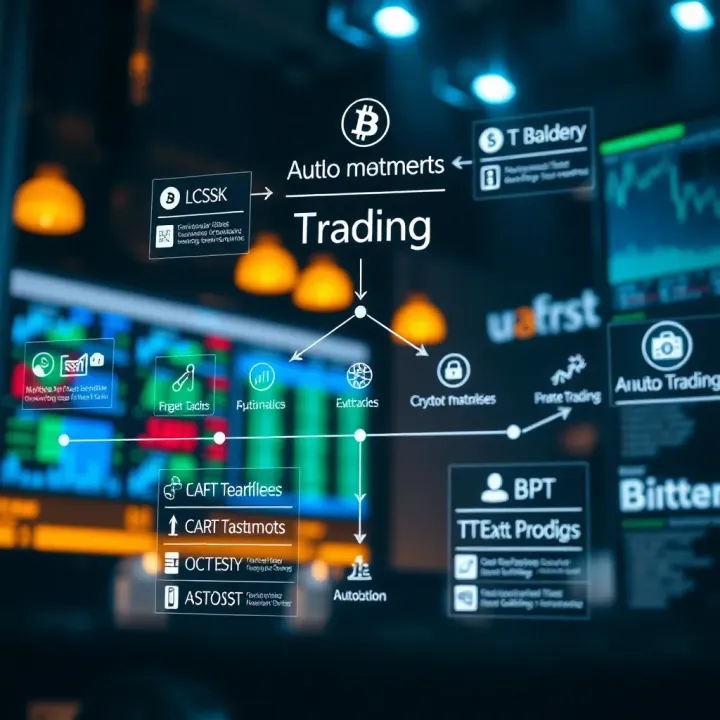
🔍 Nigerian crypto traders: Learn how to pick the right trading bot, understand key features, and use automation safely to boost your trading results! 🚀
Based on 6 reviews