
Best Forex Trading Apps in Nigeria
📈 Discover how to choose the best forex trading app for Nigerian traders, exploring key features, security tips, top picks, and strategies for success.
Edited By
Emily Foster
Choosing the right trading app can feel like finding a needle in a haystack, especially with so many options out there. For Nigerian investors, the decision involves more than just picking an app with flashy features—it means considering factors like local market access, security, and costs tailored to Nigeria’s financial landscape.
In this guide, we'll break down what makes a trading app suitable for Nigerian traders, whether you're just dipping your toes into investing or you’ve been at it for a while. You'll learn what to look for in terms of user experience, fees, safety measures, and regulatory compliance that can drastically affect your trading success.
A good app can make or break your trading journey—it's the difference between smooth sailing and bumping into unexpected hurdles.
We'll also compare popular trading platforms available in Nigeria, providing a clear snapshot of their pros and cons. By the end, you’ll be equipped to choose a trading app that fits your needs, budget, and confidence level so you can trade smart and stay safe.
When sifting through the sea of trading apps, focusing on key features can make the difference between a smooth trading experience and a frustrating one. For Nigerian investors, it’s not just about finding an app that works; it’s about finding one that suits local needs, supports diverse markets, and offers practical tools to make sound decisions. The right features save time, cut down on errors, and help you spot opportunities without getting overwhelmed.
A trading app should feel like second nature to use, where each button and menu is where you expect it, not hidden behind unnecessary layers. This matters especially when you want to react fast to market moves. For example, apps like the GTBank Investor’s app are known for their simple layouts, making it easier even for folks new to trading. Smooth navigation means less time hunting for options and more time making trades confidently.
Customization lets you tailor the app to your style. Imagine you want to keep an eye on a particular stock or market news—being able to set up alerts or change your dashboard layout can keep you in the know without clutter. For instance, platforms like Trove offer users the flexibility to arrange their home screen widgets and receive push notifications when prices hit your set targets.
Not everyone trades from a laptop or desktop. Many Nigerian traders rely on mobile devices due to their busy schedules or lack of constant desktop access. A trading app that works seamlessly on both platforms lets you switch between devices without disruptions. Apps such as Bamboo provide a fluid experience whether you're on your phone during a commute or at your PC in the office, ensuring you never miss a beat.
A versatile trading app should offer a variety of assets. Nigerian investors benefit from platforms that cover everything from local stocks on the Nigerian Stock Exchange to international Forex markets, commodities like gold and oil, and cryptocurrencies. For example, Remitano allows crypto trading alongside traditional assets, giving users extra options to diversify.
Being able to tap into both local and global markets opens up a world of possibilities and spreads risk. Apps like Chaka and Trove offer direct access to Nigerian stocks as well as access to the US stock market and others, helping investors balance their portfolios across economies.
Investors should look for apps that allow easy diversification to manage risk. This means not just different stocks, but also the ability to trade ETFs, indices, or commodities. Diversifying reduces dependence on one market segment, which can be a lifesaver during volatile times. Platforms that group assets into categories or offer easy filters make this task less daunting.
Keeping up with market trends and economic news is a must. Apps that integrate live news feeds, expert analysis, and up-to-date data let users make informed choices right from their screens. For example, apps like InvestPlus provide in-built market news specific to Nigerian markets alongside international updates.
For traders who like to dive deeper, having access to technical analysis tools is essential. Features like moving averages, RSI, MACD, and candlestick charts allow users to spot patterns and make more calculated trades. Apps such as MetaTrader 4, which works within Nigeria, come equipped with advanced charting tools preferred by experienced traders.
Learning never stops in trading. Apps that offer educational content like video tutorials, webinars, and articles help users sharpen their skills. This is especially useful for beginners or those trying new strategies. Platforms like Bamboo and Chaka increasingly include learning hubs to guide investors through basic and advanced concepts.
Choosing a trading app isn’t just about flashy features or cool graphics—it's about how these tools work for you in real life. A well-rounded app that combines ease of use, asset variety, and solid research resources can seriously boost your chances in the market.
Before picking any trading app, understanding the costs and fees involved is like knowing the fine print before signing a contract. It directly affects how much you take home after your trades, so it’s far from just a formality.
Costs can sneak up on you if you’re not careful. For example, two apps might look identical in features, but one might have hidden fees that quietly chip away at your profits. In Nigeria’s market, where every naira counts, knowing these charges saves you from nasty surprises and helps you budget better.
When it comes to commissions, apps generally take one of two routes: flat fees or percentage-based commissions. Flat fees mean you pay a fixed amount for each trade, regardless of size. For instance, if you pay ₦500 per trade, it doesn’t matter if you’re buying ₦10,000 or ₦100,000 worth of shares— the fee stays the same. This setup can be a good deal for bigger trades since the commission doesn’t inflate with trade size.
On the other hand, percentage-based commissions charge you a small cut of your transaction’s value. A typical rate might be 0.5% per trade. So, for a ₦50,000 trade, you'd pay ₦250 in commissions. This system might seem fair, but it can get pricey for heavy or frequent traders.
Knowing which structure fits your trading style helps you keep costs manageable. For casual investors, flat fees might keep things straightforward. Heavy traders might prefer percentage commissions only if trade sizes stay small.
Apart from commissions to the app providers, Nigerian traders should also consider brokerage fees set by the Nigerian Stock Exchange (NSE) and licensed brokers. These fees vary and can add up, typically ranging from 0.5% to 1.5% depending on the broker and trade volume.
For example, if you use a local brokerage like Stanbic IBTC or Meristem, their charges might include a spread or minimum fees apart from commissions. Some apps bundle these charges transparently, but others might list them separately. It’s wise to check the fine print or chat with customer support beforehand.
Understanding brokerage fees helps you avoid overpaying and ensures a realistic view of how much your trades will actually cost.
Once you start making profits (or even if you’re just moving funds around), withdrawal fees come into play. Many apps charge a fee when you transfer money from your trading account back to your bank. This fee can range from a few hundred to a couple thousand naira depending on the app.
If you’re not careful and withdraw frequently with small amounts, these fees can quickly eat into your gains. Some apps waive withdrawal fees above a certain threshold, so it’s smart to plan withdrawals to minimize these costs.
Another cost to watch out for is currency conversion, especially if you’re trading international assets. If your base currency is Nigerian naira but you buy U.S. stocks or forex pairs, the app will convert your funds, and banks or apps usually add a margin on top of the interbank exchange rate.
This margin might seem small but adds up. For example, you might see an exchange rate that’s 3-5% worse than the official rate. Apps like eToro or Interactive Brokers disclose these costs, but some smaller platforms might bury them in the terms.
Being aware helps you factor in these expenses and compare effectively between apps.
Some trading apps also impose monthly or annual account maintenance fees. These can cover things like platform upkeep, data costs, and customer service.
While a fee of ₦1,000 per month might not sound like much, for active traders or those just starting out, it can eat into returns. On the flip side, many apps waive such fees if you maintain a minimum balance or trade regularly.
Checking for any account maintenance charge is a worthwhile step, so you aren't caught off guard with recurring deductions.
Understanding every layer of costs—from commissions to hidden fees—helps Nigerian investors choose an app that truly fits their budget and trading habits. Don’t just chase shiny features; make sure the app's price tag suits your wallet too.
In today’s trading world, especially for Nigerian investors, security and regulatory compliance can’t be overlooked. Picking a trading app with weak security is like leaving your front door wide open—financial data and investments become easy targets for cybercriminals. On top of that, the right legal oversight ensures these platforms play by the rules, protecting you from shady dealings and outright fraud. Essentially, a strong focus on security and compliance gives you peace of mind, helping you trade confidently without worrying about losing your hard-earned money.
Encryption is the backbone of data protection on trading platforms. Simply put, it converts your info into a secret code while it’s being sent over the internet. Look for apps that use at least 256-bit SSL encryption, the same used by banks worldwide. This means that even if someone intercepts your data, they’ll just see gibberish. For Nigerian investors dealing with multiple currencies or international assets, encryption stops hackers from stealing sensitive details like your bank info or login credentials.
Two-factor authentication (2FA) adds an extra lock on your trading account by asking for two proofs of identity before granting access. Usually, this means your password plus a code sent to your phone. The beauty here is that even if a hacker cracks your password, they won’t get in without that second piece. Many top apps, including well-known ones like eToro and Interactive Brokers, have 2FA built in. Enabling this feature is one of the simplest, yet most effective steps you can take to protect your account from unauthorized access.
The Securities and Exchange Commission (SEC) Nigeria is the watchdog overseeing the Nigerian capital market. Any trading app offering access to the Nigerian Stock Exchange must register with SEC, ensuring it meets certain operational and security standards. For example, SEC requires transparency from brokers regarding costs and risks, which safeguards investors from hidden charges. Following SEC regulations also means the app must store customer funds securely and report suspicious activities. Always check whether the platform you’re eyeing shows SEC registration; this simple step can save you from unreliable or illegal operators.
Trader apps that connect you to global markets often comply with watchdogs like the Financial Conduct Authority (FCA) in the UK or the US Securities and Exchange Commission (SEC US). These agencies have strict rules on fund segregation, audit trails, and timely customer payments. So, an app regulated by respected international bodies adds an extra layer of protection and credibility. For Nigerian investors venturing beyond local stocks into forex or cryptocurrencies, this kind of oversight matters—a lot. It helps ensure the platform isn’t a fly-by-night operation and that complaints will be taken seriously.
In the world of trading, trust isn’t a luxury; it’s a necessity. Prioritize platforms that showcase solid security measures and clear regulatory compliance to guard your investments and enjoy the journey without unexpected shocks.
By prioritizing security features like encryption and 2FA, alongside ensuring the platform complies with SEC Nigeria and international financial rules, Nigerian investors can step into the trading arena with confidence. It's these behind-the-scenes safeguards that make the difference between a smooth ride and an uphill battle in the trading app world.
Picking the right trading app can feel overwhelming given how many options there are, especially for Nigerian investors who want something that fits local needs but also offers global opportunities. The popularity of certain apps often comes down to how well they blend ease of use, security, and access to markets Nigerian traders care about.
In this section, we'll look at some trading platforms that have carved out a strong foothold in Nigeria, whether because they specialize in the Nigerian Stock Exchange (NSE) or because they offer easy access to international markets. Understanding these options will help investors make choices that align with their trading goals and day-to-day realities.
Access to the NSE is the backbone for many Nigerian investors. Apps like Chaka and Bamboo have built their reputations on providing straightforward, reliable access to the NSE alongside Nigerian government bonds and other local assets. This direct line means investors can buy shares in familiar companies like Dangote Cement and MTN Nigeria without jumping through hoops.
These platforms are designed to handle local trading hours, market specifics, and even tax requirements, which makes life easier for investors who want to keep everything streamlined. For example, Bamboo lets users purchase NSE securities alongside popular U.S. stocks, which makes for convenient diversification.
Despite the rise of self-service apps, responsive customer support remains a must, especially for newer traders or those navigating complex transactions. Local apps such as Cowrywise and Tradr offer Nigerian-specific customer service channels including WhatsApp support and call centers that understand the local banking networks and regulatory environment.
This tailored support can save users from hefty mistakes — say, if they’re unsure how to transfer funds from a Nigerian bank or if they hit unexpected withdrawal delays because of currency conversion. It’s these practical conveniences that can make a big difference in keeping investors confident and trading smoothly.
For Nigerian investors eyeing global markets, international trading apps like eToro and Interactive Brokers open doors to stocks beyond Nigeria’s borders — from U.S. tech giants like Apple and Tesla to European blue-chip companies. This is a huge draw if you're looking to spread risk or tap into faster-growing sectors outside the domestic space.
Such apps typically provide real-time market updates and a broad range of instruments, including forex and commodities. This means Nigerian investors can jump in with whatever strategy they prefer, without being limited to the NSE’s scope.
One practical challenge with international apps is moving money in and out without excessive fees or long waits. The best platforms recognize this and offer multiple Nigerian-friendly payment methods, including local bank transfers, USSD payments, and even partnerships with Nigerian fintech firms like Paystack.
For example, Interactive Brokers supports Naira deposits and withdrawals through their network, while eToro allows card payments and electronic wallets popular in Nigeria. This makes it easier for investors to get funds where they need them, reducing frustration and encouraging more active trading.
When choosing apps, Nigerian traders should weigh both the market access and the ease of handling funds locally, since one without the other can quickly become a hassle.
Overall, the right trading app will depend on whether you want concentrated exposure to Nigerian stocks or a ticket to global markets. Both local and international apps bring valuable features, so consider your goals, how comfortable you are with cross-border transactions, and the kind of customer support you might need along the way.
Picking a trading app isn't a one-size-fits-all deal, especially when you're looking at different experience levels. For Nigerian investors, finding the app that matches your trading skills can save you a lot of headaches and even help you avoid costly mistakes. Beginners need simplicity and guidance, while seasoned traders want tools and flexibility to execute complex strategies.
Imagine a newbie jumping into an app designed for pros; it’d be like getting a manual for a spaceship when you're just learning to ride a bike. On the flip side, an experienced trader stuck with a basic app might feel handcuffed, missing out on crucial features that impact their trades. Knowing what suits you best helps you maximize the app’s benefits and grow your portfolio with confidence.
For those just dipping their toes in trading, simplicity is king. An app with a clean, straightforward layout takes the pressure off learning the ropes. Nigerian investor-friendly apps like Chaka and Bamboo focus heavily on making the interface easy to navigate—big buttons, clear labels, and a step-by-step process. Features such as customizable dashboards mean you won’t get overwhelmed by a million charts and numbers straight away.
When using such apps, it’s easier to monitor your portfolio and make trades without second-guessing. The less time you spend figuring out how to place an order, the more time you can spend learning market behaviour and improving your strategy.
A solid trading app for beginners typically includes a demo or practice mode. This lets you trade with virtual money, so the real stakes aren’t scary. Apps like Securities Africa or Trove offer demo accounts tailored for Nigerian investors, allowing users to get comfortable with live market data minus the risk.
Using these features helps you understand how orders work, test strategies, and get used to price moves without burning cash. It's a safe playground that builds your confidence—once you feel ready, switching to real trading feels much less daunting.
Experienced traders need more than just buy and sell buttons. Detailed charts with multiple technical indicators — think MACD, RSI, Bollinger Bands — are standard tools to spot market trends and entry points. Apps like MT4/MT5 or Interactive Brokers cater to this crowd and are accessible to Nigerian investors looking for deeper market analysis.
Order variety is another biggie. Having access to stop-loss, limit orders, or trailing stops means you can control risk better and automate parts of your trading plan. These features provide flexibility critical for those who aren’t just guessing but following tested strategies.
For the really seasoned players, some apps offer API access, allowing them to connect their trading accounts to custom software or bots. This might sound technical but is a game-changer for traders into algorithmic or high-frequency trading.
Customizable dashboards, alerts based on price movements, and the ability to design your own indicators or bots make apps like Interactive Brokers and eToro popular choices among Nigerian advanced traders. This level of personalization enables traders to act faster and more precisely, which can give a competitive edge.
Picking the right trading app that fits your experience not only simplifies your trading journey but also equips you with the right tools at each stage. Start simple if you're new, and as you gain confidence, migrate to apps offering deeper functionality.
Finding your footing with the right app means investing smarter, avoiding unnecessary frustration, and growing your skills gradually within the dynamic Nigerian market.
Getting started with trading through an app can feel like stepping into a buzzing marketplace where every stall promises treasures. But just like in any marketplace, a bit of caution goes a long way. Tips on how to begin safely are vital because they help investors dodge common pitfalls early on, protect their funds, and build confidence while learning the ropes. This section walks you through practical steps to take as a Nigerian investor—keeping your money safe and setting you up for long-term success.
Managing risk in early trades is all about keeping your losses small while you get to know the market and the trading platform. Jumping in with large sums can lead to big losses if the market moves against you or if you make beginner’s mistakes. For instance, starting with a mere ₦10,000 instead of ₦100,000 can shield your capital while you learn.
Many apps offer the ability to set stop-loss orders, which automatically sell a security when it hits a certain price to limit losses. Utilizing this tool in early trades lets you control risks more effectively. Remember, in trading, staying in the game beats trying to hit a jackpot right away.
Learning from market behaviour without large exposure means using minimal funds to observe how your chosen assets move and how different news or events influence prices. For example, you could monitor the price of Nigerian Bank stocks during earnings season with a small stake to see if your predictions hold up.
Using demo accounts available on apps like Trove or Bamboo allows you to practice trades using fake money. This approach lets you understand order execution and market fluctuations without any financial risk. The key is patience; take your time to spot trends and patterns without risking large chunks of your capital.
Verifying app credentials is a non-negotiable step before entrusting your money to any trading platform. Always check if the app is regulated by the Securities and Exchange Commission (SEC) Nigeria or recognized international bodies such as the Financial Conduct Authority (FCA) in the UK.
Real Nigerian-focused apps like Trove and Chaka openly display their regulatory status and have customer service numbers reachable during business hours. Avoid downloading apps from unknown sources—stick to popular app stores like Google Play or the Apple App Store.
Always take a moment to read through user reviews, but approach with caution—fake reviews can mislead you. Look for consistent feedback about app stability, withdrawal speed, and customer support responsiveness.
Recognizing fraudulent offers and schemes is crucial, especially with the spike in online scams. Offers promising guaranteed profits or large returns in a very short time are red flags. For example, a message offering 50% return within a week with "zero risk" is almost certainly too good to be true.
Be wary of unsolicited messages or emails urging you to invest quickly or revealing "secret" trading strategies. Scammers often create fake social media profiles or websites resembling legitimate trading apps. To spot these, double-check app names, URL spellings, and confirm details independently.
If an app requires unusual personal information upfront or asks you to transfer funds outside the app to an unknown account, steer clear. Always keep your passwords private and avoid clicking on suspicious links, even if they appear to come from "trusted" contacts.
Safe trading starts with smart choices about where and how you invest. Following these tips helps Nigerian investors protect their hard-earned money and avoid pitfalls that new traders often fall into.
📈 Discover how to choose the best forex trading app for Nigerian traders, exploring key features, security tips, top picks, and strategies for success.
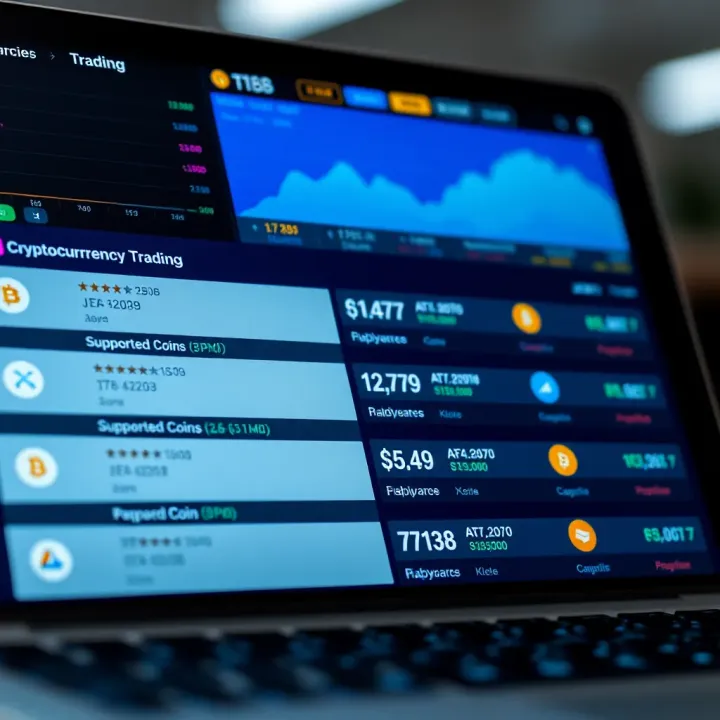
Find the best crypto trading app in Nigeria 🇳🇬. Compare security, fees, supported coins, and ease of use to pick the perfect platform for you 📱💰.

Explore top trading apps for Nigerian investors 📱💼. Compare features, ease of use, security, and cost to find the best fit for your trading goals.
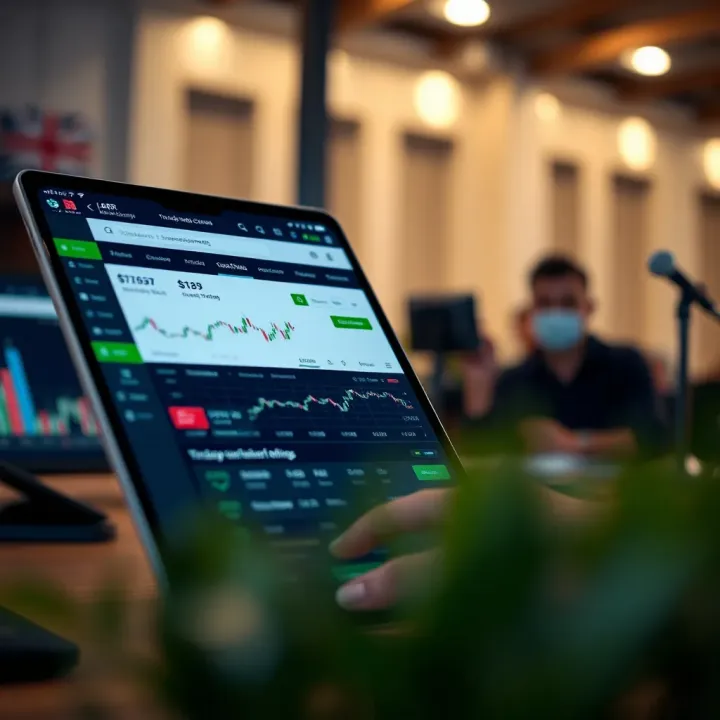
Explore the ABR trading app tailored for Nigerians 🇳🇬. Learn its key features, security tips 🔒, supported markets 📈, and how to trade smartly for success!
Based on 12 reviews