
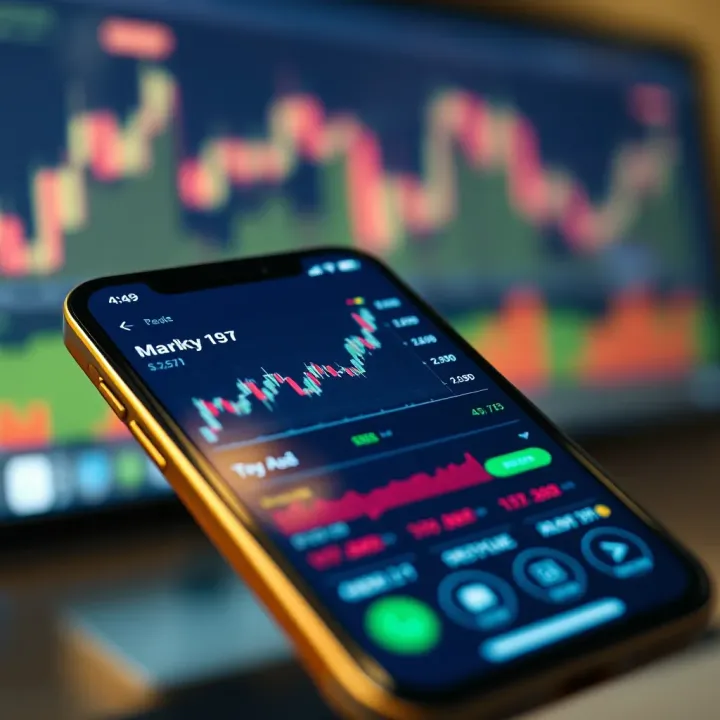
Best Trading Apps to Make Money in Nigeria
Discover top trading apps in Nigeria 📱 Learn how to pick the best platform for safe investing, key features to watch, and tips to boost your earnings 💰
Edited By
James Foster
In Nigeria, online trading is no longer a niche activity reserved for a select few—it’s growing fast as more investors look to take charge of their financial futures from their smartphones. But with so many trading apps out there, how do you pick one that won’t leave you in the lurch or make your head spin with hidden fees and complicated interfaces?
This guide is here to cut through the noise. We'll break down exactly what features matter most when looking for an online trading app tailored to Nigerian investors. From how secure the platform is, to whether it handles Naira smoothly, to what kind of user experience it delivers, we’ll cover it all.
By the time you finish, you’ll have a straightforward checklist to weigh your options and spot the trading platform that fits your style—and your budget. No jargon, no fluff, just the facts you need to make a confident choice in Nigeria’s vibrant but sometimes tricky market.
Choosing the right online trading app can make or break your investment strategy—getting it right means more time growing your money and less time troubleshooting.
In the sections that follow, expect clear tips, real-world examples, and practical advice tailored specifically for traders and investors dealing in the Nigerian context.
When navigating the bustling Nigerian investment scene, spotting an online trading app that ticks the right boxes makes all the difference. Investors need apps that not only work but also work well under local conditions and user habits. This means zeroing in on key features that simplify trading and boost confidence in the platform. Let's break down what you should be scouting for.
A cluttered app defeats the whole purpose of quick, efficient trading. Nigerian investors, whether fresh or seasoned, benefit immensely from straightforward menus and clear paths to key functions. Imagine opening an app and immediately finding your portfolio, market watch, and trade execution tabs without hunting through layers — that’s the mark of thoughtful design. Apps like Chaka and Trove succeed here by using intuitive layouts that make the experience less taxing and more productive.
You want market data presented without the fog, so you can act fast and smart. Price charts, stock tickers, and status alerts should be easy on the eyes and digestible at a glance. For instance, apps that visualize stock trends with simple graphs rather than overwhelming numbers help you gauge movements quickly. This clarity supports better decision-making, especially when markets can shift without warning.
Trading shouldn't feel like decoding a secret message. Placing an order—whether buying shares or selling forex—needs to be a smooth tap or two. The goal is to reduce friction; for example, allowing users to set limits, view estimated fees instantly, and confirm trades before submission helps avoid costly mistakes. Apps that offer shortcuts to frequent orders or support one-click trading can significantly speed things up for active traders.
Look for apps that cover a broad spectrum of stocks, including Nigerian companies listed on the Nigerian Stock Exchange and popular international firms. The ability to move between local and global markets without hopping through different platforms is a huge time-saver. For example, Access Bank and Dangote Cement stocks are staples for local investors, but mixing in shares from the NYSE or LSE broadens opportunities.
Many Nigerians turn to forex and commodity trading to diversify their portfolios. The app should offer major currency pairs like USD/NGN and commodities such as gold and oil, reflecting Nigeria’s economic interests. Trading platforms like FXTM and IG Markets are noteworthy here. Access to these markets allows investors to hedge risks or speculate on global price shifts.
It’s no secret that crypto is gaining traction in Nigeria despite regulatory uncertainties. Apps providing a secure gateway to popular cryptos like Bitcoin and Ethereum alongside derivatives such as futures contracts cater to risk-tolerant traders who want more than traditional assets. However, ensure the app handles these with proper transparency on fees and risks, because hair-raising volatility is par for the course.
Markets don’t wait, and neither should you. Up-to-the-second pricing data lets Nigerian investors seize fleeting opportunities and dodge sudden downturns. Apps that lag by even a few seconds can lead to missed trades or unexpected losses, so look for platforms with solid real-time feeds from exchanges.
Knowing the news behind market moves is worth its weight in gold. Whether it’s political developments in Abuja or global economic shifts, integrated news feeds within the app help traders stay informed without toggling between apps. Platforms such as Bloomberg and Reuters often provide such feeds, helping Nigerian investors connect dots quickly.
Good apps arm users with charting tools, indicators, and sometimes AI-driven insights to make sense of market trends. For instance, tools like Relative Strength Index (RSI) or Moving Averages can help spot entry and exit points in stocks or forex. These features empower traders to combine intuition with data-backed analysis which is vital in volatile markets like those in Nigeria.
Choosing a trading app isn’t just about picking the flashiest layout or the biggest list of assets. It’s about finding a platform that fits your money goals, respects your time, and keeps you connected to what truly matters as you trade.
When you're diving into online trading, protecting your cash and private info isn't optional—it’s a must. Security measures in trading apps guard against theft and fraud, giving you peace of mind. Nigerian investors face unique challenges, including cyber scams targeting unsuspecting users and fluctuating regulatory landscapes. So, picking a platform with solid security is as important as choosing the right stocks.
SSL (Secure Sockets Layer) is the backbone of safe data exchange on any trading platform. It encrypts your information—like login details or transaction data—so hackers can't snoop on it while it's zipping through the internet. For Nigerian traders, who often connect through public or less secure networks, SSL prevents eavesdropping and data theft. Always make sure your trading app uses SSL; you can spot this by looking for a padlock symbol in your browser or app.
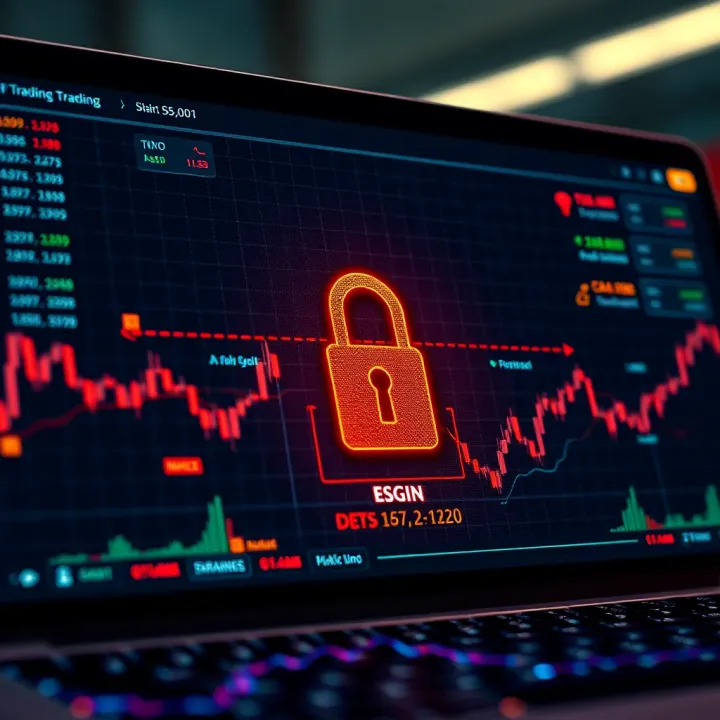
Two-factor authentication adds an extra shield by requiring two pieces of evidence before letting you access your account. Usually, you enter your password (first factor), then a one-time code sent to your phone (second factor). This means even if someone steals your password, they can’t get in without the second code. For Nigerian investors, enabling 2FA drastically reduces the risk of unauthorized access. Almost every top trading platform nowadays offers this; don’t skip turning it on.
Trading apps must follow Nigerian regulations to operate legally; this protects you from scams. The Nigerian Securities and Exchange Commission (SEC) enforces licensing rules that demand certain standards—like capital requirements and financial reporting. An app licensed by SEC indicates it's been vetted for fairness and transparency. Using unlicensed apps is like walking blindfolded in a busy market—danger lurks everywhere.
Besides local rules, many reliable trading apps also meet international standards like the Financial Conduct Authority (FCA) from the UK or the Securities and Exchange Commission (SEC) in the US. This means they adhere to strict rules on data handling, client fund segregation, and dispute resolution. Platforms that comply internationally often provide more reliable customer protections, appealing to Nigerians who trade foreign stocks or currencies.
A top-tier trading app constantly scans for unusual actions, like logins from weird locations or huge, sudden trade orders. If something smells fishy, the app flags or even pauses the activity pending verification. This helps catch hacking attempts before damage is done. For Nigerian users, where cybercrime is on the rise, this proactive monitoring is a must-have.
Good apps offer features like automatic logouts after inactivity, limits on withdrawals, and alerts for any account changes. Some platforms even let you whitelist trusted devices or IP addresses that can access your account. These protections reduce the chance of someone messing with your investments, especially if your phone or login details fall into the wrong hands.
Keeping your investments secure is not just about preventing loss—it's about knowing your app puts your safety first. When you check for these security measures, you’re cutting out a lot of future headaches and focusing on making smart trading decisions.
By prioritizing these security aspects—encryption, authentication, licensing, and fraud detection—you ensure your money's in good hands while navigating Nigeria's online trading space.
Choosing the right trading app boils down to matching the tool with your specific investment habits and needs. An app that's a perfect fit for one person might be cumbersome or costly for another. It’s like selecting shoes—you want something that fits well, suits your style, and stands up to your daily activities. Taking time to evaluate your personal approach to trading helps avoid frustration and financial loss.
Your trading style shapes what features in an app are most important. If you’re a long-term investor who prefers to hold stocks for years, an app that emphasizes research tools and portfolio tracking is likely a better fit. Take, for example, a Nigerian investor studying companies listed on the Nigerian Exchange Group. They’ll want dependable charts and comprehensive news coverage to make informed decisions over time.
Conversely, day traders need fast, responsive platforms with real-time prices and quick execution. These traders thrive on rapid moves in the market, often closing positions within hours or minutes. Apps like FXTM or IG offer features such as instant trade execution and alerts that support this strategy well.
Risk tolerance is another key factor. If you’re cautious and prefer safer bets, an app with strong risk management tools—like stop-loss orders and portfolio diversification features—will be useful. On the other hand, if you’re more of a risk-taker comfortable with volatility, you might want a platform offering access to derivatives or cryptocurrencies, albeit understanding the added risk.
Having reliable help on standby when technical hiccups arise is not just a bonus, it’s often a necessity. Check if the app offers round-the-clock customer support, especially since markets never sleep. For example, apps like Bamboo and Trove, which have a growing user base nationwide, provide support via live chat and email that’s quite responsive.
Don’t overlook what other users say. Reading real user reviews and feedback can reveal patterns—whether it’s frequent downtime, slow withdrawals, or poor assistance that might not be obvious from the app’s promotional materials. Nigerian investors often share insights on forums like Nairaland or Reddit, giving you a clear picture.
Since many Nigerian traders rely on smartphones, mobile performance is critical. An app that crashes or lags during a crucial trade could cost you dearly. Look for stability mentioned in user reviews or tech evaluations. For instance, apps optimized for lower-end Android devices common in Nigeria tend to perform better under limited internet conditions.
Also, verify compatibility with both Android and iOS devices. Many Nigerians use Tecno or Infinix Android phones, but some also own Apple products. An app that works smoothly on multiple platforms widens your access and flexibility.
Remember, the best trading app adapts to your trading style, offers reliable customer support, and runs smoothly on your preferred device. Taking these steps ensures that the app becomes a tool that works for you, not one that causes you headaches or lost opportunities.
By carefully considering these practical aspects—trading style, risk appetite, support structure, and device compatibility—you’re on your way to picking a trading app tailored to your unique journey in the Nigerian market.
Understanding the costs and fees associated with online trading apps is critical for Nigerian investors. These expenses can quietly chip away at your returns if you're not careful, so knowing exactly what you're being charged helps you make smarter choices. It’s not just about picking the app with the lowest upfront cost, but understanding the full financial picture.
When it comes to commission, some trading apps charge a flat fee per trade, while others take a percentage of the transaction value. For example, a flat fee might be ₦500 per trade regardless of your order size, which can be great if you often trade large volumes because you won’t be penalized with higher fees. On the flip side, a percentage fee—say 0.5% of the trade value—might be better if you deal with smaller trades, as you pay less overall.
Think about your trading style here: if you’re a day trader making lots of small trades, a flat fee could eat into your profits quickly. But if you’re investing larger sums occasionally, the flat fee might save you money.
Many investors overlook subtle fees buried in the fine print. For instance, some apps might add a charge for placing orders outside regular hours or for cancelling trades. Others sneak in service fees or platform maintenance costs that can jump unexpectedly.
Always ask or check reviews for these hidden traps. If an app isn’t upfront about every charge, it’s wise to consider alternatives. Transparency matters because these extra fees can stack up and quietly cut into your investment gains.
Moving money in and out of your trading account can come with its own fees, especially when using Nigerian banks. Some trading apps charge users to cover bank transfer costs, which might be ₦250–₦500 per transaction.
If your app supports multiple deposit methods, explore options like using e-wallets or mobile money services, which sometimes have lower fees. For instance, apps linked with GTBank or Access Bank may offer smoother, cheaper transfers.
Since many platforms operate internationally, you may have to convert Nigerian Naira to US dollars or euros when investing overseas. This conversion often comes with a spread or service charge.
Always check the exchange rate margins and fees your trading app applies. Even a small difference—say 1% above the market rate—can add up. Using platforms partnered with local banks that offer real-time conversions could save you money.
Some trading apps penalize users who leave their accounts dormant for too long. If you aren’t trading or logging in for months, the app may charge an inactivity fee, sometimes monthly or quarterly.
This fee can be frustrating, especially if you’re a casual investor or taking a break. Make sure you know if this applies by reading the terms carefully; switching to an app without such fees might be a better fit.
Certain platforms charge for premium access to detailed market data or advanced charting tools. While basic info is usually free, paying subscribers get real-time news, in-depth analysis, and trading signals.
If you’re just starting, these extras might not be necessary. But for serious traders, subscribing to such services within an app like IG or eToro can be worth the cost, improving decision-making.
Before finalizing your choice of trading app, list all possible fees and weigh them against your trading habits. Sometimes paying a little more upfront avoids nasty surprises down the line.
By staying alert to these costs and fees, Nigerian investors can better protect their investments and choose trading apps that fit their budget and trading style perfectly.
Knowing the popular trading apps among Nigerians is key when you're picking a platform. These apps have been tested by users across the country, reflecting what's working well and what’s missing in the market. Choosing a platform that's widely used can mean better customer support, community insights, and a track record of reliability.
Apps like Chaka and Cowrywise have carved out strong niches in Nigeria by focusing on local market needs. For instance, Chaka offers access to both Nigerian stocks and international equities, making it easier for Nigerian investors to diversify. Local apps understand the country’s payment systems and regulatory environment better, which means less trouble with deposits, withdrawals, and compliance.
These platforms typically come with features tailored for Nigerian users, like Naira-based transactions and customer service during local business hours. This means you won’t feel lost when a problem arises.
Platforms such as Binance and eToro are global giants that Nigerian investors frequently use, especially for cryptocurrency and forex trading. These apps offer an extensive range of assets but may present challenges like currency conversion fees or higher withdrawal costs since they are not specifically designed for Nigerians.
Still, their broad asset selection and advanced trading tools appeal to experienced traders who want more than the basics. Keep in mind, verifying whether these apps comply with Nigerian regulations helps avoid surprises down the line.
An easy signup process can instantly make or break your trading experience. Apps like Troves stand out by allowing quick account creation with minimal paperwork, essential for Nigerians who don’t want to wait weeks to start trading.
Some apps require extensive ID verification or proof of address, which can cause delays, so it’s good practice to check these requirements beforehand. The smoother this step is, the faster you get to investing.
Listening to fellow traders offers real insight beyond glossy app descriptions. Nigerian investors often share their experiences on forums and social media, pointing out hidden fees or technical glitches.
For example, while TD Ameritrade is known for solid service, some Nigerian users mention slow transaction speeds. Meanwhile, Chipper Cash gets praise for its simplicity but criticism for limited investment options.
Before committing, check multiple sources of user feedback. Real-world opinions help you avoid platforms that look great on paper but underperform in daily use.
By understanding what others have faced, you can pick an app that fits your style and avoids common headaches.
Knowing which apps Nigerians favor helps narrow down choices to what's practical and reliable locally. Whether local or international, each option brings specific strengths and possible drawbacks. Factor in ease of joining and what the community says to find the best fit for your trading goals.
Discover top trading apps in Nigeria 📱 Learn how to pick the best platform for safe investing, key features to watch, and tips to boost your earnings 💰

📱 Discover how to choose the right forex trading app for Nigeria 🇳🇬. Learn key features, security tips, and ways to boost your trading success on mobile.
Explore the best crypto trading apps for Nigerian traders 📱. Compare features, security 🔒, fees 💰, and ease of use to pick the right platform for you.
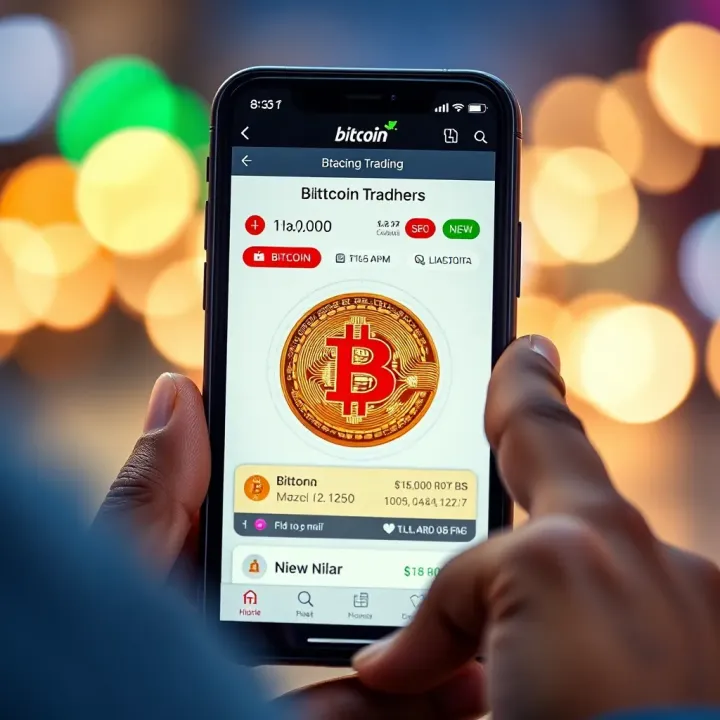
Looking for the best Bitcoin trading app in Nigeria? Explore top picks with strong security, easy use, fair costs, and reliable local support. 📱💰🇳🇬
Based on 14 reviews