
Best Forex Trading Sites for Nigerian Traders
Explore the best forex trading sites for Nigerian traders 🇳🇬. Compare brokers, fees, tools, and support to choose the right platform confidently 📈💼
Edited By
Emily Foster
Forex trading has become an accessible path for many Nigerians looking to grow their wealth beyond traditional avenues. But diving into forex without the right guidance can quickly turn a promising venture into a frustrating experience. The vast number of trading sites advertising their services makes choosing the right platform feel like finding a needle in a haystack.
This guide cuts through the noise to help Nigerian traders pick forex trading sites that suit their specific needs. We’ll look into what really matters—things like regulation status, fees, available trading platforms, and customer support. More importantly, the guide highlights common pitfalls and how to avoid them, helping you trade with confidence and clarity.
Whether you’re just starting out or have some experience under your belt, making informed decisions can save you from costly mistakes. So, let’s break down the key factors to consider before you deposit your hard-earned naira into any trading site. Remember, not all that glitters is gold, especially in the online forex world.
Before diving into the forex market, it's essential to get a good grip on what trading platforms really offer. For Nigerian traders, the choice of a forex platform isn't just about flashy features—it’s a practical decision that can affect how smoothly and securely you trade. The platform acts as your trading cockpit, giving you control over your trades, access to market data, and tools to analyze currency movements.
Choosing the right platform means considering your trading style, technical skills, and the level of support you might need. A simple interface might work for beginners, while experienced traders could look for platforms offering advanced charting or automated trading. For example, MetaTrader 4 and 5 remain favorites worldwide, including among Nigerian traders, because they strike a balance between functionality and ease of use.
One straightforward way to weed out dodgy brokers is by checking their regulation status. A broker regulated by respected bodies such as the Financial Conduct Authority (FCA) or the Cyprus Securities and Exchange Commission (CySEC) follows strict rules that protect traders. For Nigerian users, platforms licensed in trustworthy jurisdictions signal lower risk of malpractice or sudden shutdowns. Always look for clear proof of licensing on the brokerage's homepage or promotional material.
Remember, trading with an unregulated broker is like driving blindfolded—you never know what to expect.
Security shouldn't be an afterthought. Strong encryption protocols, two-factor authentication (2FA), and separate segregation of client funds help guard your money and personal details. Nigerian traders should prioritize platforms that apply SSL encryption for all transactions and offer secure login processes. For example, platforms like IG and FXTM use comprehensive security layers, reassuring traders that their data isn’t flying around unprotected.
A solid reputation means a broker has built trust over time, often visible through user reviews, industry awards, or years of operation. Nigerian traders can get a feel for a broker's reliability by reading feedback on forums like Forex Peace Army or Trustpilot. Platforms like AvaTrade and Pepperstone, for instance, have won consistent praise for transparency and customer service, which is crucial when you need prompt help or face technical hitches.
An intuitive interface saves a lot of headaches—especially for those just starting out. Platforms with clean layouts, straightforward navigation, and customizable views let you place trades without fumbling. Look for easy order execution, clear account management menus, and accessible support buttons. Some Nigerian traders appreciate platforms that use local languages or simple English to avoid confusion.
Trading on the go has become the norm, and Nigerian traders often rely on mobile apps due to variable internet access and busy lifestyles. A mobile platform should mirror the desktop experience as closely as possible, including charting tools, trade execution, and account management. Apps like MetaTrader and IQ Option have well-rated mobile versions, supporting smooth trading whether you’re commuting or just away from your desk.
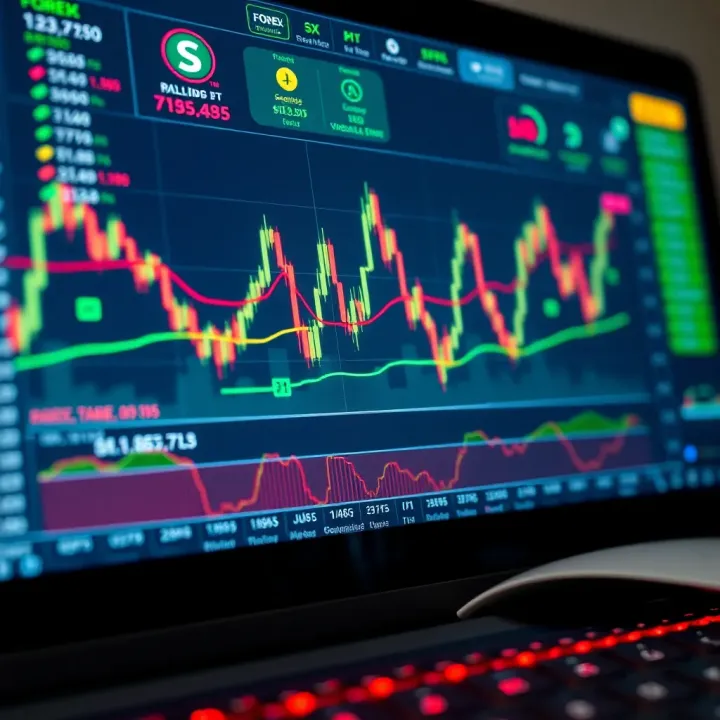
Charts are the bread and butter of forex trading. Rich charting tools let you spot trends, price levels, and patterns that influence your trading decisions. Key technical indicators—like RSI (Relative Strength Index), MACD (Moving Average Convergence Divergence), and Bollinger Bands—help you figure out when to buy or sell. Platforms geared toward Nigerian traders often include built-in tutorials explaining these tools or easy ways to add indicators as you get comfortable.
Understanding the nuts and bolts of forex platforms helps Nigerian traders pick sites that suit their needs, keep funds safe, and provide the right tools for successful trading. Take your time testing demo accounts before committing real money—the right platform could be the difference between consistent profits and costly mistakes.
When diving into forex trading from Nigeria, there are unique factors that cannot be overlooked. Nigerian traders face specific challenges and opportunities that affect how they choose a platform. Understanding these key considerations ensures smoother trading experiences, avoids unnecessary costs, and prevents falling victim to unreliable brokers.
To put it plainly, picking a forex site isn’t just about who offers the best charts or spreads. For Nigerians especially, it's about how easily you can fund your account, how quickly you can get support if something goes sideways, and what kind of payment methods fit local needs without fuss.
Bank transfers remain one of the most trusted methods for moving money within Nigeria. Many Nigerian forex sites and international brokers now accept payments directly from major Nigerian banks like GTBank, Access Bank, and Zenith. This means you can top up your trading account without juggling currency conversions or international wiring headaches.
Local payment options, such as Quickteller or Paydirect, have grown in popularity because they cut down on withdrawal times and reduce hidden charges. For instance, a trader using GTBank's online banking finds that deposits reflect faster compared to waiting several days for an international wire transfer. This practical advantage is crucial when market timing is everything.
E-wallets like Skrill and Neteller offer alternative ways to deposit and withdraw funds while keeping personal bank details private. They're especially handy if your brokerage doesn't support direct bank transfers from Nigerian banks. However, Nigerian traders should be aware of the sometimes high fees associated with e-wallet transactions.
Cryptocurrency adds another layer of flexibility. Brokers that accept Bitcoin or USDT allow Nigerians to bypass often slow banking windows. But caution is key here, as crypto markets are volatile, and converting funds back into Naira can involve additional steps and costs.
Timely access to funds makes a huge difference. Nigerian traders should always check how long deposits and withdrawals take on a given platform. Some brokers allow instant deposits but impose delays on withdrawals to verify compliance or manage fraud risk.
Fees also add up. Watch out for charges on currency conversions since most brokers operate in USD or EUR, while Nigerians deal in Naira. Plus, avoid platforms hiding fees in the small print, such as charges for inactivity or minimum withdrawal requirements.
When you hit a snag trading forex, you don’t want to wait a day just to get a response. Good brokers offer several support channels—like live chat, phone lines, and email—to cover all trader preferences.
On top of that, options that fit Nigerian time zones are a lifesaver. Imagine calling support at midnight only to realize they close when Nigerian markets are most active. That’s a recipe for frustration.
While English is Nigeria’s official language, some traders feel more comfortable communicating in Pidgin or even regional languages. Brokers offering support in local dialects can make complex trading discussions smoother and less intimidating.
For example, a beginner might find an explanation in simple Pidgin clearly breaks down trading jargon that standard English glosses over.
Speed matters, but so does the quality of the advice or solution offered. There's no point in a quick answer if it doesn't actually sort your issue.
Traders should test brokers by sending questions before signing up. Platforms that respond promptly and thoroughly show commitment, which reflects in their wider service quality.
Good customer support isn’t a luxury—it’s essential. For Nigerian traders navigating financial regulations and technical trading, knowing there’s reliable help at the other end can make all the difference.
Choosing forex trading sites with these Nigeria-specific considerations in mind can save you tons of headaches down the line. It helps to build trust, reduce costs, and navigate the local financial landscape easier while focusing on what matters most: trading smartly and confidently.
When picking a forex trading site, the costs and fees attached to trading play a big role in your overall success. Nigerian traders often overlook how spreads, commissions, and extra charges can eat into profits. Understanding these costs upfront helps you avoid nasty surprises and ensures you get the most bang for your buck when trading.
Spreads and commissions vary widely among brokers. Some platforms offer tight spreads but charge commissions per trade, while others have wider spreads with no commission at all. For instance, if you’re trading EUR/USD, a typical fixed spread might be 2 pips, but a variable spread could dip as low as 0.5 pips during peak hours—potentially saving you money if you time your trades well. Knowing these details helps tailor your choice to your trading style.
Deposit and withdrawal fees are just as important, especially for Nigerian traders who might use local banks or e-wallets. Excessive charges or long withdrawal times can cause frustration. An example would be a broker demanding a $100 minimum deposit with fees on every withdrawal—this might not suit someone trading with a smaller bankroll. Clear insight into these cost points empowers you to make smarter decisions.
A fixed spread stays the same regardless of market conditions. This predictability appeals to new traders who want consistent trading costs and less worry about sudden market volatility increasing fees. However, these spreads are usually wider, meaning you might pay more overall during stable market times.
Variable spreads fluctuate based on market liquidity and volatility. During calm trading hours, spreads shrink, sometimes drastically, which benefits active traders looking to minimize costs on each trade. But during busy news times or illiquid moments, spreads can widen sharply, causing unexpected increases in trade costs.
For example, LiteForex offers variable spreads that can go as low as 0.0 pips during peak hours but widen during off hours. This makes understanding market hours critical if you choose such a broker.
Some brokers charge a commission per trade alongside spreads. This is common among platforms offering low spreads. For instance, IC Markets charges commissions starting at $3.5 per round turn on their Raw Spread account but offers spreads as tight as 0.0 pips.
Traders using high-leverage or frequent trading strategies must calculate if commissions plus spreads add up to less than what they’d pay with just wider spreads.
Always dig deeper into the fine print to spot fees not stated upfront. Common hidden charges include inactivity fees if you don’t log in for a set period, overnight swap fees for holding positions past a day, and charges for certain payment methods.
Some brokers might look cheap initially but slap you with withdrawal fees or require costly currency conversions. For Nigerian traders, this could mean paying surprise fees when funding accounts via local bank transfers or withdrawing profits.
Watch out for fees that look small individually but pile up over time—these can quietly erode your earnings.
Different brokers have varying minimum deposit limits. For new Nigerian traders without large capital, platforms like ForexTime (FXTM) might be attractive since they require as little as $10 to start. In contrast, some brokers may ask for $500 or more, which might not be feasible.
Lower minimum deposits let you test the platform without a heavy upfront commitment but beware if they impose high spreads or fees in return.
Withdrawal policies differ, too. Some brokers set limits on how much you can pull out at once or how frequently. Others process withdrawals slowly, which can be frustrating if you need your funds fast.
For example, Pepperstone processes withdrawals within 24 hours, but some lesser-known brokers in Nigeria can take 3-7 business days, often causing traders to lose trust.
Always find out the exact timelines and limitations before committing your money.
Because many brokers operate internationally, you might be required to deposit or withdraw in USD, EUR, or other major currencies. This means your Nigerian Naira payments often face currency conversion fees charged by banks or the broker.
For instance, making deposits through a Nigerian bank to a USD account might result in conversion fees up to 3%, eating into your trading capital. Brokers like HotForex provide multi-currency accounts to minimize these costs, so it’s worth considering such options.
In short, dissecting every cost component—from spreads and commissions to deposit rules and currency conversions—helps Nigerian traders make clear-headed choices. These details matter more than the flashy offers or marketing pitches some sites push. Knowing precisely what you pay allows for tighter control over your trading expenses, meaning more money stays in your pocket where it belongs.
Trading tools and educational resources play a big role in shaping how successful a trader can be, especially for Nigerian traders stepping into forex. These elements aren't just extras—they're part of the backbone that supports better decision-making, reduces risks, and helps traders adapt as markets change.
Good trading tools let you analyze price movements, test strategies, and react quickly. Meanwhile, educational resources help build skills and knowledge that keep you sharp. Without the right tools and learning options, even the best trader can struggle to keep up.
Demo accounts give traders a chance to play in the market without putting any real money on the line. This is especially helpful for beginners who want to get the hang of how trading works or for experienced traders testing new strategies. For example, if you want to try swing trading or scalping techniques, using a demo account lets you see if these fit your style before risking your capital.
Most reliable forex sites offer demo accounts that mimic real trading environments, including live pricing and market conditions. This hands-on experience helps build confidence and avoids costly mistakes that can happen when jumping in blind.
Even the best demo accounts come with some downsides. Since there’s no actual money involved, traders often don't experience the emotional pressure real losses can bring. This can lead to overly aggressive trading or ignoring risk controls.
Also, some platforms limit how long you can use their demo accounts or restrict certain features. Nigerian traders should be wary and confirm these limits before relying heavily on demo accounts. Remember, the jump from demo to live trading requires mental adjustment as well as strategic.
Webinars and tutorials are like personal coaching sessions that help traders understand complex topics clearly. Many top platforms such as IG or FXTM provide ongoing webinars covering everything from basics to advanced technical analysis. This direct learning keeps Nigerians updated on forex basics and evolving market techniques.
These sessions usually include live Q&A and examples tailor-made for real market conditions, which makes learning interactive and practical rather than just reading theory.
Staying current with forex news matters a lot because currency values react fast to global events. Reliable forex sites provide up-to-date news feeds and economic calendars. Nigerian traders can track important announcements like interest rate changes or geopolitical developments that affect currency pairs like USD/NGN.
Using platforms like Investing.com or Bloomberg alongside your forex site can also give diverse perspectives and help you avoid lagging behind market moves.
Trading signals are alerts about possible trade opportunities based on technical or fundamental analysis. These can be a useful tool for Nigerian traders who want take some of the guesswork out of the process. Some services, like those from Trading Central or Autochartist, offer signals with detailed explanations to help traders understand the rationale behind suggestions.
Expert insights, such as market commentary from seasoned analysts, add more depth. However, it's essential to evaluate these ideas critically and not follow them blindly. A balance of expert advice with personal analysis often leads to smarter trading decisions.
In Forex trading, tools and education combined form the foundation—keeping you informed, prepared, and ahead of the curve in the fast-moving markets.
By paying close attention to these resources, Nigerian traders can sharpen both their skills and their competitive edge.
Selecting the right forex trading platform is not just about picking one with the flashiest interface or the lowest fees. Several pitfalls can lead to costly mistakes for Nigerian traders, especially those newer to the trading world. Avoiding these mistakes is critical because it protects your investment, saves time, and enhances your overall trading experience.
One common misstep is rushing into a decision without thoroughly vetting the broker. For instance, some platforms may look solid on the surface but hide tricky terms or lack proper regulation. Taking the time to understand each broker’s background, fees, and operational policies can mean the difference between a smooth trading journey and a frustrating ordeal.
Being aware of what signs to watch for can help traders stay clear of platforms that don’t have their best interests at heart. These errors might result in lost funds or unwanted restrictions. As you dive deeper into this section, you'll find practical tips to spot scams and verify credibility, plus crucial info on reading the fine print before committing your money.
It's a bitter pill to swallow, but the forex market does attract its fair share of scams. Often, fraudulent brokers will offer promises that sound too good to be true—like guaranteed profits or zero risk trading. If a platform pressures you to deposit large sums quickly or refuses to disclose clear trading conditions, that's an alarm bell.
Other warning signs include:
Lack of transparent contact information or untraceable office addresses.
Absence of regulatory licenses from authorities like the Nigerian Securities and Exchange Commission or internationally recognized bodies such as the FCA or CySEC.
Poor or no customer support, sometimes evident in slow or canned replies to inquiries.
Unrealistic bonuses that come with complicated withdrawal conditions.
Spotting these signs early can save a trader from falling victim to fraud. Always trust your instincts; if anything seems off, take a step back and do some extra digging.
Verifying a broker’s credentials is a smart move that every trader should commit to. Start by checking whether the broker is registered with official regulatory agencies like the Securities and Exchange Commission (SEC) Nigeria or the Financial Conduct Authority (FCA) in the UK. These agencies maintain public registers searchable online.
Additionally, consider performing the following checks:
Look for audit reports or financial statements that the broker may publish.
Read independent user reviews on trusted trading forums and websites like Forex Peace Army or Trustpilot.
Confirm if the platform segregates client funds in separate accounts, which offers protection if the broker runs into financial difficulties.
Taking these steps can drastically reduce the risk of dealing with an unreliable broker.
Even if a broker appears above board, hidden withdrawal restrictions can catch traders by surprise. Some platforms impose minimum withdrawal amounts or delay processing times, which can tie up your money longer than expected.
Nigerian traders should pay close attention to clauses that mention lock-in periods, processing fees for withdrawals, or requirements to maintain a minimum balance. For example, a broker might require you to trade a certain volume before allowing withdrawals. Missing these details can severely impact your cash flow and trading plans.
Discussing withdrawal experiences in trader forums can provide insights that official documents might not clearly state.
Another area to watch is how brokers handle accounts that see little to no activity. Some sites charge inactivity fees after a period of months without trading, while others might even freeze or close dormant accounts without adequate notice.
Understanding these policies helps avoid unexpected charges or the inconvenience of having to reactivate an account. For those who trade sporadically or need breaks, knowing the inactivity rules upfront can save headaches down the road.
Always read the fine print carefully—what may seem like small print rules could have significant impacts on your funds and trading freedom.
Avoiding common mistakes when choosing a forex site mostly boils down to due diligence. With these practical tips, Nigerian traders can better protect their investments and focus on earning, not battling unnecessary hassles.
It's a good idea to wrap up the key points when looking for the right forex trading site. For Nigerian traders, this summary highlights what’s really important: regulation, payment ease, costs, and tools that make trading simpler.
When you know what to watch out for — like scams or hidden fees — you're less likely to get caught off guard. Think of it as double-checking the locks on your house. Also, picking platforms that fit your style and offer local payment options can save a lot of headaches down the line.
Regulation isn't just paperwork — it's your line of defense. Platforms regulated by respected bodies like the Financial Conduct Authority (FCA) or Cyprus Securities and Exchange Commission (CySEC) ensure a fair trading environment. For Nigerian traders, this matters because such oversight reduces risks of fraud or unfair practices. For instance, Pepperstone and IG are often praised for their compliance and protection measures.
Being able to fund your account easily is a must. Platforms supporting local bank transfers, such as Flutterwave or Paystack integrations, streamline deposits and withdrawals, saving you time and extra fees. Brokers like FXTM and Alpari allow Nigerians to use these local payment gateways, making transactions smoother and cutting the usual wait times.
Not every broker piles on complicated tools that confuse more than help. Ideal platforms have intuitive interfaces plus useful charting tools for technical analysis. MetaTrader 4 and 5 remain popular for their balance of power and simplicity. When brokers add tutorials or integrated news feeds, it’s a bonus—like having a helpful coach on standby.
Forex markets never sleep and neither should your learning. It’s smart to practice on demo accounts regularly and keep reading up on strategies. Staying sharp means you can react when the market shifts unexpectedly. Remember, even pros get their feet wet with trial runs.
Trading without a solid risk plan is like sailing without a compass. Set stop-loss orders, limit the amount you trade per session, and avoid chasing losses. Tools like trailing stops can help protect profits while keeping you in the game longer.
Forex can change with a tweet or economic report. Stay tuned to news sources like Bloomberg and Reuters, and check out updates from trusted analysts. A little daily reading goes a long way to spotting opportunities before others catch wind.
Remember, the best platform is the one that fits your unique needs and trading style. Keep your eyes open, exercise patience, and don't rush into trades. A well-chosen broker with solid tools and support makes trading in Nigeria a whole lot easier.
Explore the best forex trading sites for Nigerian traders 🇳🇬. Compare brokers, fees, tools, and support to choose the right platform confidently 📈💼
🔍 Discover how Nigerian traders can pick the best forex trading site by assessing regulation, features, costs, pairs & support for smarter trading.

📱 Discover how to choose the right forex trading app for Nigeria 🇳🇬. Learn key features, security tips, and ways to boost your trading success on mobile.
Explore forex trading in Nigeria 🇳🇬 with insights on markets, regulations, risks, tech, top currency pairs, and tips for beginners to trade smarter.
Based on 11 reviews