
Best Forex Trading Sites for Nigerian Traders
🌍 Looking for the best forex trading sites in Nigeria? Discover tips on regulation, fees, platforms, and support to trade confidently and avoid common mistakes! 💹
Edited By
Amelia Carter
Forex trading has become increasingly popular in Nigeria, drawing in a vibrant mix of traders eager to tap into the currency markets. With the rise of online trading platforms, Nigerian traders now have access to a broad spectrum of brokers and tools—but this abundance brings its own set of challenges.
Choosing the right forex trading site is more than just picking a flashy website. It’s about understanding regulations, fees, the trading tools on offer, and what kind of support you’ll get when needed. Not to forget, the local landscape means some platforms work better for Nigerians due to payment methods, currency options, and regulatory compliance.
This guide will break down these factors, highlight trustworthy and efficient forex trading sites, and steer you clear of scams or subpar services. Whether you’re a beginner or a seasoned trader, knowing the strengths and weaknesses of various platforms can save you time, money, and headaches.
From regulation checks to fee transparency and customer service responsiveness, we’ll cover the essentials. So if you’ve been scratching your head about which forex site fits your needs in Nigeria's unique market, keep reading—you’re about to get the lowdown you need to trade smart.
Understanding the ins and outs of forex trading platforms is a big deal, especially for Nigerian traders stepping into the fast-moving world of currency trading. A trading platform isn’t just a website or an app; it’s the bridge connecting you to the forex market. When you know what to look for, you’re better armed to avoid traps and make choices that actually work for your style and needs.
One of the very first boxes to tick is whether the site is regulated and licensed. This means it has passed certain standards set by financial authorities. For Nigerian traders, this often means looking for brokers licensed by the Nigerian Securities and Exchange Commission (SEC) or other respected bodies like the Financial Conduct Authority (FCA) in the UK or the Cyprus Securities and Exchange Commission (CySEC). A licensed broker is much less likely to pull a fast one on you. It also offers an element of protection, like segregated client funds and dispute resolution paths.
A trustworthy forex site must keep your money and data locked down tight. Look for platforms using up-to-date encryption technologies, like SSL certificates, to protect your personal info during transactions. Two-factor authentication (2FA) is another must-have; it’s like an extra padlock on your account. Security is not just about avoiding hackers but also safeguarding against internal mishandling of your funds.
Nothing spells out reliability better than a solid reputation among actual users. While one or two bad reviews are normal, a pattern of complaints about withdrawals, slippage, or customer service can be a big red flag. Check forums, trustpilot, or social media chatter specifically from Nigerian traders to see if the broker walks the talk. Positive feedback on platform stability, timely payments, and helpful support usually marks a good trading site.
Good platforms don’t just toss you into the deep end — they give you tools to swim. From real-time charts with multiple indicators to automated trading options, these features can sharpen your edge. MetaTrader 4 (MT4) and MetaTrader 5 (MT5) remain favorites among Nigerian traders for their balance of functionality and ease of use. Access to live news feeds and economic calendars integrated into the platform can also keep you in the loop without hopping between websites.
Not all accounts suit every trader. Look for platforms offering diverse account types, such as standard, mini, or ECN accounts, so you can pick what fits your budget and ambition. Some brokers offer Islamic swap-free accounts, which can be important for traders observing Shariah law. The minimum deposit, leverage options, and commission structure vary, so understanding these will help you avoid surprises and manage risk.
The market doesn’t take a break and neither should your support. Reliable platforms offer multiple support channels like live chat, phone, and email, often with Nigerian local phone numbers or WhatsApp access. The quality of support can make or break your trading experience — responsive and knowledgeable staff can answer your questions quickly and help troubleshoot issues before they become headaches.
Remember, a good forex trading platform feels more like a helpful partner than just a service provider. Picking one with solid regulation, strong security, user trust, and practical features sets you up for smoother trading trips in Nigeria’s forex scene.
Choosing popular forex trading sites is about more than just their name or reach—it's about how these platforms fit the unique needs of Nigerian traders. Factors like local support, currency options, regulatory compliance, and ease of funding play big roles here. Well-known sites often come with trusted reputations and solid resources that newcomers and pros alike find useful. But what's really important is how those sites actually serve the Nigeria market, from quick Naira deposits to familiar customer service.
In Nigeria, forex trading is supervised mainly by the Securities and Exchange Commission (SEC) and the Central Bank of Nigeria (CBN). These bodies set rules to protect traders from shady practices and to ensure fairness. For example, brokers operating within Nigeria must hold appropriate licenses and follow anti-money laundering procedures. This regulatory oversight means traders can be more confident their funds and trades are protected. If a broker isn’t licensed locally, it's a red flag; traders should proceed with caution or avoid such platforms altogether.
Several brokers have met the strict requirements to operate in Nigeria legally. For instance, Timbermill offers a local touch with compliance to Nigerian regulations and supports Naira deposits. Another example is FXTM (ForexTime), which is well-known and regulated in various jurisdictions, also accessible for Nigerians with good customer support and local payment options. At the same time, UFX is gaining traction, offering both regulated trading conditions and easy access for Nigerians. These examples prove that finding reputable brokers tied to Nigerian regulations is not only possible but advisable to reduce risk.
Apart from local brokers, many international platforms welcome Nigerian traders. Companies like IG Group, XM, and Pepperstone provide sophisticated trading tools, extensive education materials, and diverse asset options. These global brokers often offer multiple account types to suit different experience levels and trading styles. However, international brokers might not always have direct local regulation but compensate with licenses from respected authorities like FCA (UK) or ASIC (Australia). The key lies in evaluating their reputations and the security measures they apply.
When trading forex on international websites, Nigerians face practical issues like currency exchange rates and deposit methods. Many platforms accept USD or EUR deposits, meaning Nigerian traders need to convert Naira, often paying extra fees or waiting longer for transfers. Luckily, brokers like XM and HotForex provide local deposit options via bank transfers, Paystack, or e-wallets such as Skrill and Neteller, easing these challenges. Traders should always double-check how each platform handles deposits and withdrawals to avoid unexpected costs or delays.
Navigating forex trading platforms as a Nigerian trader involves a balancing act between regulation, convenience, and cost-effectiveness. Understanding these factors helps traders make better choices suited to their individual situations.
Picking the right forex trading website isn't just about flashy charts or big promises. For Nigerian traders, it means finding a platform that fits their budget, trading style, and technical needs without locking them into hidden fees or unreliable service. This section breaks down the core things to check so you don't end up with a site that drains your funds or leaves you hanging when you need help.
Spreads are the difference between the buying price and selling price of a currency pair. For Nigerian traders, tight spreads mean less cost per trade, which adds up especially when making multiple trades daily. For example, if a broker like FXTM offers spreads from 0.1 pips on EUR/USD, it could save you a good chunk compared to platforms with spreads of 1 pip or more. But watch out: super-low spreads might come with hidden fees elsewhere.
Fees on deposits and withdrawals can quickly eat into profits, especially if you trade with smaller amounts. Some platforms charge for each withdrawal or impose limits on free transactions. Take Exness, which offers free deposits through various Nigerian local banks but might charge a fee for certain withdrawal methods. Always check payment options and fees before settling on a broker to avoid nasty surprises.
Forex trading happens everywhere nowadays — not just on desktops. For Nigerian traders constantly on the move, a well-designed mobile app is a must. MetaTrader 4 and 5 are popular because they sync seamlessly across desktop and mobile, enabling traders to jump into the market anytime. Make sure your chosen platform supports your preferred device smoothly and that you can perform key tasks without a hitch.
Navigating a forex site that's tangled in complicated terms or unavailable in a familiar language can slow down decision-making. Platforms like IG and XM offer multiple interface languages and clear layouts that make spotting trends or placing orders easier. For Nigerian traders, English interface is a given, but having user-friendly dashboards and customizable charts means less time figuring out the platform and more time focusing on trades.
When your trade hits a snag, waiting hours or days for a reply won't cut it. Brokers like HotForex offer 24/7 customer support with live chat, email, and phone options tailored to various time zones. For traders in Nigeria, timely support can be the difference between catching a profitable market move or missing out completely.
Every trader starts somewhere, and platforms that provide clear guides and tutorials help shorten the learning curve. For example, AvaTrade offers extensive video tutorials and webinars that explain everything from basics to advanced strategies. This is beneficial for Nigerian traders who might not have easy access to in-person forex education.
Choosing the right forex trading site boils down to understanding the fees involved, ease of use, and the quality of support and learning resources offered. Don't rush this decision — taking a little extra time now can set you up for smoother trading and better outcomes down the line.
Choosing the right forex trading platform isn't just about finding low fees or flashy charts. There’s a minefield of traps that Nigerian traders need to avoid to protect their investments and trading experience. Common pitfalls can range from falling for scams to uncovering hidden charges that eat away your profits. This section will shed light on these hazards and offer practical advice to make smarter decisions.
Unfortunately, the forex world attracts its fair share of bad actors. One red flag is if a site promises guaranteed returns or unusually high profits with little risk—remember, no legit trader can promise this. Another warning sign is the absence of clear licensing information; credible brokers usually display their regulatory credentials prominently, such as licenses from the Nigerian Securities and Exchange Commission (SEC) or international bodies like the FCA or CySEC.
Also, be wary of sites with poor website design, endless pop-up ads, or pressure tactics urging you to deposit immediately. Look for fake testimonials or customer reviews that seem too scripted—often, these are just sugar-coated lies. Pay attention to withdrawal delays or refusals; if a broker makes it hard to get your money back, that’s a huge warning.
Before signing up, always verify the broker’s regulatory status through official sources. Don’t skip due diligence—do some digging on forums or social media groups where Nigerian traders hang out. Use demo accounts first; if a platform doesn’t offer one, consider it suspicious.
Don’t share sensitive information casually, especially on platforms that don’t offer robust encryption. When in doubt, start small and test the waters rather than pouring in large sums upfront. Keeping your antivirus and malware protection updated also helps guard against phishing scams disguised as broker communications.
Be smart and treat every platform with a healthy dose of skepticism. Protecting your capital starts with spotting these scam signals.
Hidden fees can be the silent killer of your trading gains. Brokers sometimes sneak in costs under vague labels—like inactivity fees, withdrawal charges, or even high conversion costs when you deposit Naira and want to trade in USD. Reading the fine print carefully is essential. Terms and conditions often hold the clues revealing these extra expenses.
Ask yourself questions like: Are there limits on how often I can withdraw? Does the broker charge for using certain payment methods? Are spreads widening during volatile sessions? Such conditions can tank your profitability faster than you'd expect.
Hidden restrictions don't just chip away your profits—they can also disrupt your trading strategies. If a platform limits access to important tools once your account balance drops or enforces a minimum withdrawal amount you can’t meet, you might get stuck with funds you can’t use freely.
These pitfalls also affect your flexibility. For example, if deposit methods aren’t convenient or withdrawals get delayed by days, it becomes a hassle and can hamper time-sensitive moves in the forex market. In practice, this might mean missing out on market swings or not responding quickly enough to change positions.
In short, hidden costs and restrictions can turn trading from an opportunity into a headache. Always budget for potential ancillary charges and consider how they may interfere with your trading rhythm.
Avoiding these common pitfalls means you’ll have a smoother, safer, more cost-effective trading experience. Stay alert, do your homework, and don’t let sneaky tricks spoil your forex journey.
Starting out in forex trading can feel like stepping into a busy marketplace without a map. For Nigerian traders, practical tips aren't just helpful—they're necessary to navigate the unique challenges and opportunities of the forex world here. This section zeroes in on actionable advice that gives newbies a fighting chance at success, emphasizing hands-on approaches and risk control strategies.
Demo accounts are essentially the training wheels of forex trading. They let you practice without the pressure of losing real money. This safe environment helps you get comfortable with order execution, chart reading, and timing your moves, which can save a lot of wasted cash early on. It’s like learning to drive a car in an empty lot before hitting the freeway.
Platforms like IG and XM offer easy-to-use demo versions that mimic live trading conditions closely. When choosing a demo account, look for one that offers realistic spreads and real-time data. This way, you’ll get a sense of how your trades will actually perform once real money’s on the line.
Risk management might seem boring compared to the thrill of nailing a big trade, but it’s the cornerstone of survival in forex. Two key tools stand out here: stop losses and position sizing.
Use of Stop Loss: A stop loss is your safety net. It automatically closes your trade at a set loss level to shield your account from drastic falls. Without it, a sudden market swing could wipe out a sizable chunk of your funds. Imagine setting a stop loss on a USD/NGN trade to cap losses at 2%—this sets a clear limit on how much you’re prepared to lose on one trade, keeping emotions out of the picture.
Effective Position Sizing: This is about not biting off more than you can chew. Position sizing means deciding how big your trades should be based on how much capital you have and how risky the trade is. For instance, if your trading account holds 100,000 NGN, placing a trade worth 10,000 NGN (10%) might be too aggressive for a beginner. A safer approach could be risking just 1-2% per trade. This prevents one bad bet from drying up your funds and lets you stay in the game longer.
The key takeaway? Treat forex trading like a marathon, not a sprint. Using demo accounts to hone skills and strictly managing risks keeps your trading journey steady and less stressful.
With these tips, Nigerian traders get a practical playbook to trade smart, reduce surprises, and build confidence steadily in the dynamic world of forex.
🌍 Looking for the best forex trading sites in Nigeria? Discover tips on regulation, fees, platforms, and support to trade confidently and avoid common mistakes! 💹
🔍 Discover how Nigerian traders can pick the best forex trading site by assessing regulation, features, costs, pairs & support for smarter trading.

📱 Discover how to choose the right forex trading app for Nigeria 🇳🇬. Learn key features, security tips, and ways to boost your trading success on mobile.
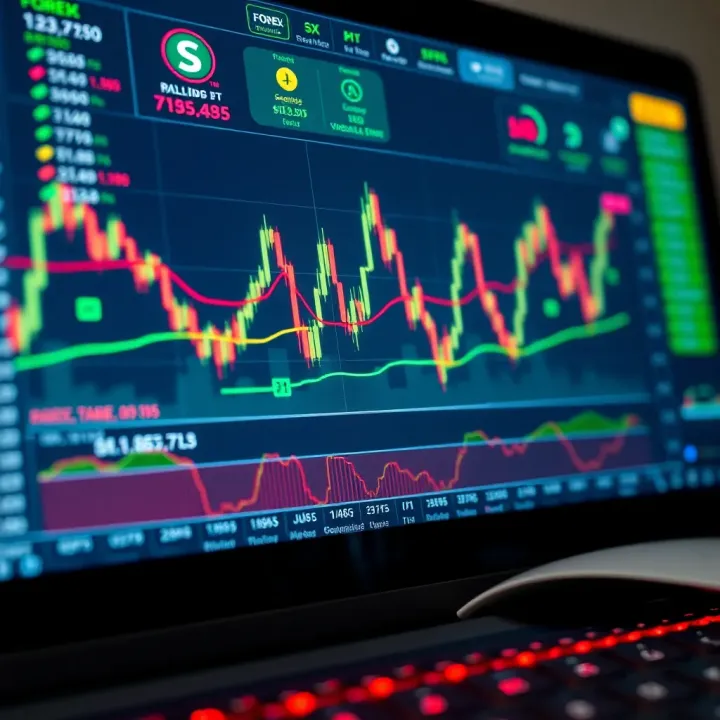
Explore forex trading in Nigeria 🇳🇬 with insights on markets, regulations, risks, tech, top currency pairs, and tips for beginners to trade smarter.
Based on 9 reviews