

Best Copy Trading Apps for Nigerian Traders
Discover how to pick the best copy trading app in Nigeria 🇳🇬! Learn key features, risks, and tips to get started confidently in copy trading today.
Edited By
Charlotte Evans
Copy trading has become a buzzword in Nigeria’s growing financial scene, especially among traders who want to step into investment without navigating all the complexities alone. But with so many apps out there claiming to be the best, how do you pick the right one? This guide is here to help you sift through the noise and understand what really matters.
Nigeria’s youthful and tech-savvy crowd is drawn to copy trading because it offers a way to learn by doing—and sometimes even earn—by mirroring experienced traders’ moves. Yet, picking a copy trading app isn’t just about flashy features or popular names. It’s about matching the app’s offerings to your needs, understanding the risks, acknowledging the local market regulations, and knowing what to look out for.

In this article, we’ll break down the essentials: what copy trading is, why it’s catching on in Nigeria, what features you should prioritize, and how to navigate the local regulatory landscape. We’ll also compare some popular apps available locally to give you a clearer picture. By the end, you should have a practical sense of how to get started safely and smartly.
Choosing the right copy trading app isn’t just about convenience—it’s about protecting your investments and learning in a way that suits your style and risk appetite.
Copy trading has become a popular gateway for many Nigerian traders looking to participate in global financial markets without needing extensive expertise. This approach allows individuals to mimic the trades of more seasoned investors, effectively learning and earning simultaneously. In Nigeria’s context, understanding how copy trading works and why it resonates with local traders is crucial before diving into the practicalities of choosing an app.
The appeal largely stems from accessibility and the chance to generate passive income, especially in a market where traditional trading can feel daunting or out of reach. Moreover, local economic conditions, including currency fluctuations and market volatility, push traders toward tools that offer both flexibility and risk management backed by experienced traders' strategies. By grasping these fundamentals, Nigerian traders can better navigate the options and harness copy trading’s potential benefits.
Copy trading is a method where investors automatically replicate the trades of expert traders in real-time through a trading platform. Suppose you find a trader on an app who has a solid track record; with copy trading, your account will mirror their buying and selling actions proportionally. For example, if the trader buys 100 shares of a stock, your account buys shares according to your investment size.
This is particularly useful because it removes the guesswork and constant monitoring that new traders often struggle with. Instead of conducting chart analysis or following news stories religiously, beginners get to ride on the decisions of someone with experience. It’s not foolproof, though; losses can still happen, so understanding this risk is important before investing.
While copy trading focuses on mirroring trades exactly, social trading is broader and includes sharing insights, strategies, and discussions. Imagine social trading as a community where traders chat about market moves, post predictions, and exchange tips, kind of like a trading-focused social network. In contrast, copy trading is more automated — you follow a trader’s moves without manual intervention.
The distinction matters because some platforms mix the two. However, for those keen on less active management, pure copy trading strikes a better balance by offering a set-and-forget approach, whereas social trading demands more participation and learning.
Copy trading lowers barriers by allowing people who lack technical expertise or market knowledge to participate in investing. Many Nigerians are cautious about stock trading due to perceived complexity or the time it demands. The chance to let a skilled trader handle day-to-day decisions makes entry smoother, avoiding the frustration of losing money from uninformed choices.
Additionally, several copy trading platforms offer demo or low-minimum investment accounts, so beginners can test waters without committing large sums upfront. This baby step approach helps build confidence.
In Nigeria, where side hustles and multiple income streams are common, copy trading presents the opportunity to earn money with limited active involvement. For example, a busy professional or student can allocate funds to follow a well-performing trader and watch their portfolio grow without actively trading themselves.
Passive income is appealing because it frees time while still creating wealth. However, one must remember it’s not guaranteed cash flow; markets fluctuate and losses are possible, so managing expectations is key.
Nigeria faces unique financial market challenges: currency instability, limited access to global markets, and sometimes thin local market liquidity. Copy trading apps often provide access to a wide array of assets like forex, commodities, and international stocks, which might be otherwise difficult to trade directly from Nigeria.
For instance, a Nigerian trader can copy a forex expert trading EUR/USD pairs through a licensed platform, gaining exposure to currency markets less affected by local turmoil. This diversification helps mitigate risks tied directly to Nigeria’s economic conditions.
Remember: Not every copy trading app fits Nigeria’s regulatory environment, so understanding local compliance and security standards protects users from scams and losses.
Overall, understanding the basics and why copy trading appeals in the Nigerian setting is the first step toward making smarter investment choices. It sets the stage for evaluating apps based on features, costs, and legal safety, which will follow in the subsequent sections.
When picking a copy trading app, especially here in Nigeria, certain features can make or break your experience. Whether you’re a newbie trying to find your feet or an experienced trader looking for smoother sailing, these factors matter. They ensure you don't just have an app, but one that truly fits your trading style and keeps your investments safe.
Intuitiveness for beginners
A tidy, straightforward interface is a lifesaver, particularly if you’re just starting out. The app should guide you, not leave you scratching your head. Think of it as a friendly tour guide through the complex world of trading—clear menus, simple charts, and plain language make a world of difference. For example, eToro is popular partly because it’s easy to navigate even if you’ve never traded before.
Mobile app performance and reliability
In Nigeria, where many rely on smartphones as their main device, the app must run smoothly without crashing or lagging, even on slower networks. Imagine missing a trade just because the app froze—that’s money lost. Look out for apps that offer consistent performance and quick load times. Good apps like ZuluTrade keep a steady connection and alert you to trades at the right moment.
Variety of strategies available
Not every trader thinks or acts the same, and neither should your app limit your choices. Whether you prefer aggressive growth, safe dividend picks, or forex trading, having a mix of strategies on one platform lets you diversify. This variety also helps Nigerian traders navigate local economic shifts and global market swings without putting all eggs in one basket.
Transparency of trader history and results
Trust but verify is the motto here. A good app lets you peek behind the curtain at a trader’s past performance, risk levels, and even how consistent they’ve been over time. Transparency helps you pick traders not just based on shiny profit numbers but real, solid stats. For instance, apps like Covesting provide detailed performance graphs and risk assessments that help you make informed decisions.
Data protection measures
With rising cybercrime, keeping your personal and financial data under lock and key is vital. The best copy trading apps encrypt your information, use two-factor authentication, and keep their systems updated against breaches. Without these safeguards, your data is vulnerable—not worth the risk considering the sensitive nature of trading accounts.
Compliance with Nigerian and international financial regulations
An app that follows local and global rules isn’t just playing by the book—it’s protecting you. Compliance with the Nigerian Securities and Exchange Commission (SEC) or similar bodies adds credibility and reduces the chances of scams. Look for apps licensed within Nigeria or internationally regulated by authorities like FCA or CySEC for that extra peace of mind.

Subscription or commission models
Copy trading isn’t free, but knowing how you’ll be charged helps avoid surprises. Some apps charge a monthly subscription, others take a percentage of profits, and some combine fees. Decide what fits your budget and trading volume. For instance, NAGA offers a clear commission model which can be easier to understand for newcomers.
Hidden charges to watch out for
Watch your back for fees tucked away in the fine print—withdrawal fees, inactivity charges, or currency conversion costs. These can eat into your profits unnoticed. Always check the fee schedule carefully before committing. Apps with clear, upfront fee disclosures save you from nasty surprises down the road.
Choosing the right copy trading app isn’t just about flashy features or big promises. It’s about the details—the smooth user experience, trustworthy trader options, solid security, and fair fees—that build a solid foundation for your trading journey in Nigeria.
Knowing which copy trading app suits your style and needs is half the battle won. In Nigeria, where the market is still evolving and the interests of traders are diverse, popular apps stand out by offering tailored features that address local concerns like ease of use, security, and cost effectiveness. This section digs into the most widely used copy trading platforms, highlighting what makes them tick and how they could fit into your trading life.
Among the apps used widely in Nigeria, a few names like eToro, ZuluTrade, and NAGA come up frequently. eToro, for example, is favored for its user-friendly interface and social trading options, allowing novices to follow seasoned traders hands-on. The platform offers a demo account feature that lets you test strategies without risking money upfront —a huge plus for beginners in a country where financial literacy can be a challenge.
ZuluTrade shines for more experienced traders by focusing on professional trader statistics and offering auto-trading features that are highly customizable. Its unique reward system for popular traders also incentivizes performance, ensuring you’re following credible experts.
NAGA is popular among Nigerian users who want access to a broad range of markets including cryptocurrencies and forex. It offers a simple copy trading setup and has a strong customer support system that deals well with regional inquiries.
User reviews often highlight the reliability of these platforms in handling payments and withdrawals without excessive delays, which is crucial given Nigeria’s sometimes tricky banking environment. For instance, eToro receives praise for its wide network and security, though some users mention occasional glitches in mobile app refresh rates.
ZuluTrade’s reputation is bolstered by its transparency in trader performance metrics, helping users feel confident in whom they follow. However, some Nigerian users have pointed out that commission fees can eat into profits if not monitored closely.
NAGA, while popular, has mixed reviews regarding market spreads and fee structures, suggesting potential users keep an eye on the cost of trading along with the range of instruments offered.
Choosing an app also depends on the markets you’re interested in. eToro supports stocks, commodities, indices, forex, and cryptocurrencies, giving it a well-rounded offering for diverse portfolios. ZuluTrade focuses more on forex and cryptocurrencies but pairs this with detailed historical trading data that appeals to data-driven investors.
NAGA offers an impressive list of instruments ranging from traditional asset classes to newer digital assets. This makes it attractive for Nigerian traders looking to diversify beyond just forex or stock market basics.
Flexibility varies between apps. eToro allows users to set stop-loss levels, adjust trade sizes, and choose which trades to copy in a straightforward manner, making it beginner-friendly yet powerful. ZuluTrade provides in-depth control over copied trades, such as modifying trade parameters mid-copy or setting risk thresholds, which benefits more hands-on traders.
NAGA’s control options are balanced—they offer basic controls like trade size adjustments but may lack some of the more granular options seen in ZuluTrade. Still, the app’s ease of switching traders and quick copy setup makes it quite popular for those who prefer simplicity.
When picking an app, consider not just the list of features but how those features match your trading habits and goals. It's not just about having options; it's about having the right options for you.
To sum it up, Nigerian traders should weigh these platforms based on accessibility, market coverage, user trust, and the level of control they offer. Understanding these aspects will help you avoid tool overload and find an app that makes your trading journey comfortable and effective.
Getting into copy trading can be tempting, especially with tales of quick wins floating around. But stepping in without a plan is like walking through a crowded market blindfolded — you might bump into trouble. Taking some practical steps before you dive in can save you both headaches and money.
Copy trading is not a guaranteed money machine. Even the best traders hit rough patches. It’s critical to understand that profits go hand in hand with risks. For instance, if a trader you follow loses 5% of their portfolio, your copy account will reflect a similar drop. This is why assuming you’ll make money every time is setting yourself up for disappointment.
By recognising the shaky nature of markets, you can prepare mentally and financially. Accept that losses are part of the game. This mindset helps prevent emotional decisions like panic selling when the market dips.
Knowing how much to invest is a common hurdle. You don’t want to throw in everything you have and then stress over losses. It’s wise to earmark only the money you’re willing to lose without affecting your daily life — call this your "play money."
For example, if you have a monthly income of ₦150,000, maybe start with 5–10% for trading, roughly ₦7,500 to ₦15,000. This reserved fund limits your risk and helps maintain peace of mind. Sticking to budgets also helps track your progress and improve your trading strategy over time.
Not all traders wear the same hat. Some might be aggressive with high returns but sky-high risk, while others prefer steadier growth. Look beyond just the percentage of returns — dig into the details like the consistency of profits, maximum drawdown (biggest loss), and duration of their trading history.
Don’t just chase the trader with the 50% monthly gain without checking how much of that was risky gambling. A trader showing 10-15% steady monthly gains over a year with low drawdown often beats a volatile high-flier in the long run.
Numbers can be faked or cherry-picked. Check if the copy trading app provides transparent profiles including verified past trades and follower reviews. Some platforms also label traders who have passed background checks or are regulated.
Cross-check information if possible, and avoid traders who promise unrealistic returns or show streaks that look too good to be true. An experienced trader won’t guarantee profits, but will have a clear and transparent record.
Once you start copying, your work isn't done. Markets shift, and so do trader performance. Set aside time weekly or monthly to review how your chosen traders are doing. Are they sticking to their strategies? Have they started trading differently?
Some apps let you set alerts for significant changes in performance or unusual trading activities. Use those tools. If a trader shifts from low-risk to risky moves without clear reasoning, it might be time to reconsider.
Not every trader you follow will fit your goals forever. It’s healthy to cut losses and move on when things go south. For instance, if a trader’s portfolio loses more than a threshold you set (say 10%), or if their strategy no longer aligns with your risk tolerance, consider stopping the copy.
Also, diversifying by following multiple traders with different styles can cushion your portfolio. If one underperforms, others might balance the loss, reducing overall risk.
Keep in mind, vigilance and discipline are your best friends while copy trading. It’s not a “set and forget” scheme; active monitoring helps avoid nasty surprises.
In sum, careful preparation and regular check-ups make copy trading much safer and more rewarding for Nigerian traders. Setting goals, choosing wisely, and staying engaged will push you closer to success than blind faith ever could.
Navigating the regulatory environment is a big deal for anyone interested in copy trading—especially in Nigeria, where financial markets are evolving fast. Understanding the legal backdrop helps traders dodge pitfalls that could cost time, money, or worse. When you know what’s legit and what’s not, you’re better positioned to make smart choices about which copy trading apps to trust and use.
The Nigerian Securities and Exchange Commission (SEC) is the watchdog that oversees securities trading activities within the country, including copy trading platforms that deal with stocks or other regulated instruments. The SEC’s role is to ensure that companies and platforms adhere to laws which protect investors and maintain market integrity.
For example, before a copy trading app targets Nigerian traders, it must register with the SEC and comply with reporting standards. This means traders have a clearer picture of how regulated the service is, reducing the chance of falling for a rogue operator. Nigerian traders ought to check if the app they’re considering has SEC approval—a red flag if it doesn’t.
Common compliance rules demand transparency and fairness. This involves:
Clear disclosure of risks involved in copy trading
Accurate reporting of trader performance and history
Adequate customer identity verification (KYC procedures)
Measures against money laundering (AML rules)
Copy trading services have to follow these to stay legal in Nigeria. For traders, this translates to platforms that respect basic rights and provide data you can trust. For example, a platform that neglects KYC is more prone to fraud, which is definitely one to avoid.
Fraud is a real concern in the trading world. Spotting red flags early can save headaches. Some common warning signs include:
Promises of guaranteed, huge returns with little to no risk
Lack of clear information on trading history or the strategies used
Pressure tactics urging quick investment decisions
Poor or fake reviews and unverifiable credentials of traders on the platform
If an app or trader sounds too good to be true, it probably is. Nigerian traders should always be cautious and dig deeper when something feels off.
Due diligence isn’t just a fancy phrase; it’s about doing your homework before committing money. Here’s what to do:
Verify the registration: Confirm the copy trading app is registered with the SEC.
Check user feedback: Look for real reviews from Nigerian users – not just cherry-picked testimonials.
Review trader profiles: Examine the performance data and see if it’s transparent and realistic.
Start small: Test the service with a small amount before going all in.
Use official communication channels: Confirm support contacts and avoid sharing private data on suspicious platforms.
Staying alert and informed is the best defense against fraud in copy trading. Don’t rush; take time to comprehend the platform and trader reputation.
Understanding the regulatory framework and how to spot scams isn’t just about safety—it’s about empowering yourself to trade with more confidence and less guesswork. Especially in a market like Nigeria’s, where digital finance is growing rapidly, these insights can protect your hard-earned money and make the whole trading experience smoother.
Choosing the right copy trading app is the final piece of the puzzle for Nigerian traders aiming to tap into global markets with local convenience. This decision impacts not just convenience, but also the security, potential profits, and long-term success in trading. Nigerian traders should consider apps that offer clear trader performance records, strong security protocols, and user-friendly interfaces—essentials that minimize mistakes and maximize confidence.
For example, an app like eToro is popular due to its transparency and community features, but its fee structure might not suit everyone. Meanwhile, platforms like ZuluTrade or NAGA offer different approaches to copy trading with varying controls. Understanding such nuances can help traders avoid costly surprises.
Always weigh features against costs and reviews against your own trading goals before settling on a platform.
Copy trading allows even novice Nigerians to engage in financial markets by mimicking experienced traders.
Apps must be chosen based on ease of use, variety of traders, regulation compliance, and cost.
Popular platforms offer distinct advantages, but local legal requirements and security must not be overlooked.
Setting realistic goals and consistently monitoring your portfolio can help manage risks effectively.
When you're just starting out, avoid rushing into any one app or trader profile without due diligence. Start small, test the waters on demo accounts if available, and keep an eye on how the trader behaves across different market conditions. Never ignore red flags such as lack of transparency or aggressive marketing tactics.
Also, consider the Nigerian regulatory environment. The Nigerian Securities and Exchange Commission has been increasing scrutiny, so sticking to well-regulated and transparent platforms reduces the risk of falling victim to scams.
In essence, copy trading in Nigeria can be rewarding if approached with patience and the right information. Don’t just chase quick wins; focus on building knowledge and confidence step by step.
Discover how to pick the best copy trading app in Nigeria 🇳🇬! Learn key features, risks, and tips to get started confidently in copy trading today.
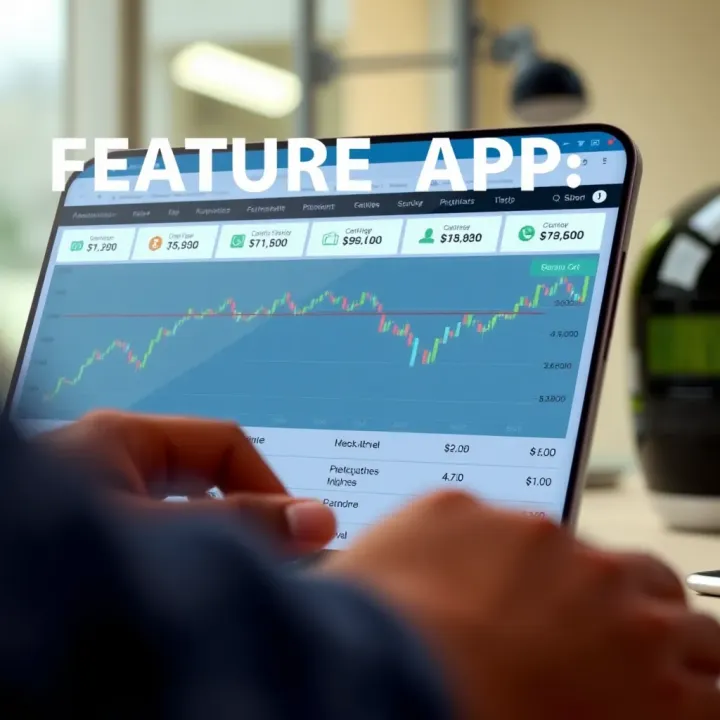
Find the best trading app in Nigeria 🇳🇬 with ease. Compare fees, security, assets, and support to pick the perfect platform for your investments 📈.

📱 Discover how arbitrage trading apps work in Nigeria! Learn key features, benefits, risks, and steps to trade smartly and boost your profits.

Discover top trading apps in Nigeria 📱 Learn how to pick the best platform for safe investing, key features to watch, and tips to boost your earnings 💰
Based on 12 reviews