

Understanding Binary Investment in Nigeria
Explore binary investment basics, risks, rewards, and smart strategies ⚖️ tailored for Nigerian traders to navigate this fast-moving market confidently 📈.
Edited By
Isabella Martin
Non-binary gender describes identities that don’t fit neatly into the traditional labels of male or female. It covers a broad range of experiences where individuals may feel they are both, neither, or somewhere in between. Unlike the usual binary understanding, non-binary opens up space for diverse gender expressions.
The concept challenges long-held assumptions about gender being strictly male or female, showing instead it as a spectrum. In practical terms, this means someone assigned male at birth could identify as non-binary and prefer pronouns like they/them or neopronouns, not he/him. Similarly, someone might shift their gender identity over time without settling on a fixed category.
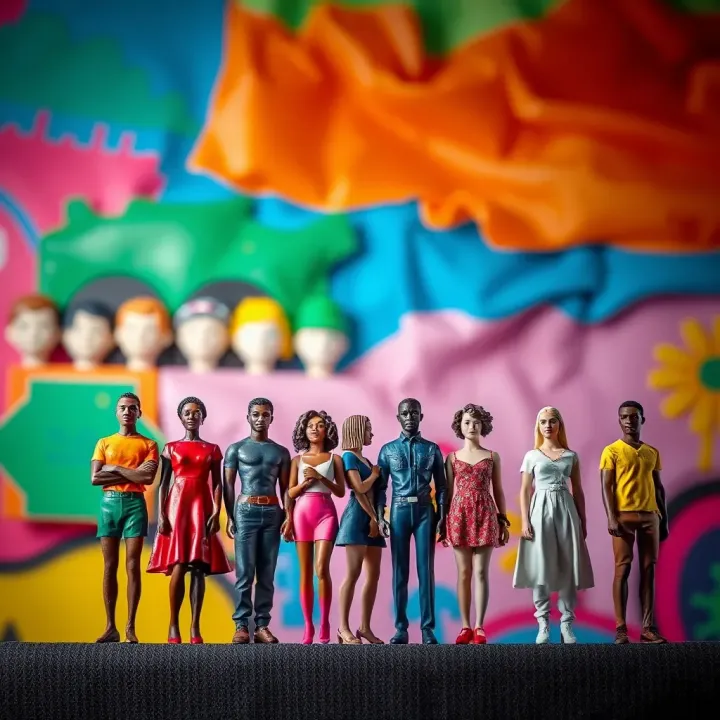
Recognising non-binary identities helps Nigerian society become more inclusive, especially as discussions on gender diversity grow within workplaces, schools, and social circles.
Non-binary is an umbrella term that includes several identities such as:
Genderqueer: Rejects conventional gender categories altogether.
Genderfluid: Experiences shifts between genders depending on time or context.
Agender: Identifies with little to no gender.
Bigender: Moves between two distinct gender identities.
Each identity has unique traits but shares a common thread: they all sit outside the male-female binary.
In Nigeria, traditional gender roles are deeply rooted and often rigid. Non-binary individuals face challenges, including lack of understanding, stigma, and limited legal recognition. These challenges affect access to services, work environments, and social acceptance.
That said, Nigerian youth, especially in urban areas like Lagos and Abuja, increasingly engage with gender diversity issues through social media and advocacy groups. This has sparked awareness about pronouns, gender-neutral language, and the importance of respecting people’s gender identities.
Non-binary gender, gender identity in Nigeria, Nigerian gender diversity, non-binary individuals challenges, gender spectrum Nigeria
This section sets the foundation for understanding non-binary gender, pointing out its complexities and the social realities faced within Nigerian settings. It prepares traders, investors, and analysts to appreciate broader social dynamics that can influence workforce diversity and market trends.
Understanding what non-binary gender means lays the foundation for recognising identities beyond the usual male and female categories. This is essential because it helps dispel misconceptions and promotes respect in social and professional spheres, including finance and investment sectors where diversity influences decision-making and workplace culture. Being clear about non-binary gender also aids in creating inclusive policies that recognise the varied experiences of individuals.
Non-binary gender refers to identities that don't fit entirely within the traditional male or female labels. Unlike the binary classification, non-binary people might feel their gender is both, neither, or somewhere in between. For example, someone may identify as neither man nor woman but as their unique self. This distinction matters practically when it comes to official documents, workplace environments, or social settings, where binary assumptions might exclude or misrepresent them.
Instead of viewing gender as two fixed points, the spectrum model shows it as an array of possibilities. This helps explain how people’s experiences can vary widely—some may feel more masculine, while others lean toward femininity, and some shift across this spectrum over time. Recognising gender as a spectrum encourages flexible thinking and policies that better capture human diversity rather than forcing people into limited categories.
Genderqueer is a broad term often used for those who reject traditional gender distinctions entirely or mix multiple genders. Genderfluid refers to individuals whose gender identity changes over time or depending on the situation. Agender people, on the other hand, identify as having no gender at all. Understanding these terms allows organisations and communities to better support colleagues or members with varied gender experiences rather than assuming fixed labels.
There are many other non-binary terms like bigender, demigender, or neutrois, each with specific nuances. For instance, bigender individuals identify as having two genders either simultaneously or switching between them. Recognising these variations helps reduce one-size-fits-all thinking and enhances empathy. In practice, personalising communication (such as respecting specific pronouns) can greatly improve inclusion.
Awareness of non-binary gender identities goes beyond language; it impacts policy, workplace interaction, and how society respects human difference, crucial in a diverse country like Nigeria.
Allowing space for non-binary recognition can improve mental health outcomes.
Inclusive identification systems ease access to services.
Business organisations benefit from diverse perspectives on decision-making.
Being precise and respectful about non-binary gender definitions shapes how Nigerian society moves forward towards fairness and respect for all.
Language plays a central role in how non-binary individuals express their identities. The pronouns a person chooses are more than just words—they reflect how they see themselves and how they want to be recognised in society. Using the correct pronouns affirms identity and fosters respect, which is vital in environments like workplaces, schools, and public spaces.
Common gender-neutral pronouns include 'they/them', which many non-binary people prefer over traditional 'he/him' or 'she/her'. These pronouns avoid assigning gender and can be used for both singular and plural references without confusion. Other sets like 'ze/hir' or 'xe/xem' offer alternatives for those who prefer distinct terms beyond traditional options.
These pronouns are not just linguistic choices but practical tools to reduce misunderstanding and social friction. For example, a Nigerian professional who identifies as non-binary may use 'they/them' in emails and meetings, signalling their identity clearly while keeping communication respectful and simple.
Pronouns reveal a person's gender identity in a way visible to others. For non-binary individuals, being referred to correctly can boost confidence and social inclusion. Incorrect usage, however, can feel alienating or disrespectful. This applies not just in personal settings but also formal Nigerian institutions where acceptance is growing but still limited.
In practice, acknowledging pronouns means asking and using the terms individuals have chosen. This openness contributes to building trust and shows a readiness to recognise diverse identities beyond male and female. It also helps dismantle stigma in professional and social Nigerian contexts.
In Nigerian families and communities, language often reflects deep-rooted traditions. Introducing new concepts like non-binary pronouns requires patience and sensitivity. Many may not be familiar with non-binary identities or the idea of gender-neutral language. Gently explaining the purpose of preferred pronouns, possibly using examples in everyday speech, can ease understanding and acceptance.
Practically, some families may adopt neutral names or avoid gendered terms when addressing non-binary members. Community groups, workplaces, and schools also have opportunities to encourage this adaptation by promoting respectful language policies.
Despite growing awareness, non-binary identities face hurdles in Nigeria due to cultural and religious norms valuing binary gender roles. Misunderstanding or refusal to use correct pronouns can lead to social exclusion or mental health struggles for affected individuals.
In many cases, official documents and public services still demand binary classification, limiting non-binary people’s recognition. This gap complicates communication, as Nigerian institutions rarely accommodate gender-neutral options, making respectful language a starting point for broader change.
Using correct pronouns is a simple but powerful step in respecting non-binary identities. It supports inclusion even when legal or cultural recognition is lacking, contributing positively to personal and communal well-being.
Understanding and practising respectful communication around pronouns is essential for investors, traders, and professionals in Nigeria. It fosters inclusivity, broadens perspectives, and reflects a commitment to social progress in an evolving business and social landscape.
Understanding cultural and social perspectives on non-binary gender in Nigeria sheds light on how historical legacies and modern dynamics shape recognition and acceptance of diverse gender identities. For traders, investors, and analysts, grasping these perspectives helps in navigating social factors that influence workplace inclusivity and consumer behaviour, particularly in Nigeria's evolving social landscape.
Pre-colonial Nigerian societies often had more fluid understandings of gender compared to strict male-female binaries. Certain ethnic groups recognised roles that went beyond conventional gender categories. For example, among the Igbo, there were instances of women taking on leadership positions traditionally held by men, and some communities had social roles that mixed gender attributes. These examples show that gender diversity was not entirely foreign in traditional Nigerian contexts.
This historical insight underlines that non-binary identities are not Western imports but have existing cultural precedents. Recognising this can help reduce stigma by connecting present-day gender discussions with indigenous histories.
Colonial powers imposed rigid gender binaries, often enforcing Victorian-era gender roles through laws and education systems. The British colonial administration introduced Christian ideals that narrowed the scope of acceptable gender expressions. This shift had a lasting impact, resulting in laws and social attitudes that criminalise or marginalise gender nonconformity.
Consequently, the colonial legacy contributes to contemporary legal and societal challenges non-binary individuals face in Nigeria. Understanding this history is crucial for analysts and policymakers aiming to support inclusive reforms or social change around gender.
Despite increasing global awareness, non-binary identities remain largely misunderstood or rejected in many Nigerian circles. Cultural conservatism and religious beliefs strongly influence social attitudes. Non-binary individuals often experience stigma, social exclusion, or pressure to conform to traditional gender roles.
This environment affects workplace dynamics, consumer engagement, and mental health outcomes. For businesses and investors, promoting diversity and inclusion means tackling these deep-rooted prejudices to foster better team cohesion and access to broader markets.
Media representation of non-binary people in Nigeria is still limited but gradually growing, mainly through social media platforms and activist groups that challenge mainstream narratives. Activists work hard to raise awareness and advocate for legal recognition and protection.
These efforts influence public conversations, helping shift perceptions and encouraging institutions to reconsider policies. For instance, NGOs and community groups provide support networks that improve visibility and acceptance of non-binary Nigerians. This trend signals potential changes in social norms and consumer attitudes over time.
Understanding the cultural roots and contemporary realities of non-binary identities in Nigeria equips stakeholders with the context needed for informed decisions in social, economic, and policy arenas.
Non-binary individuals face several hurdles that affect their daily lives, particularly in areas where gender norms are tightly enforced. Understanding these challenges is vital, especially for professionals who want to support diversity and inclusion effectively. These obstacles range from legal recognition to family expectations, each with practical consequences for personal freedoms and access to services.
In Nigeria, official documents like the National Identification Number (NIN), driver’s licence, and passports typically require a binary gender marker—either male or female. For non-binary people, this creates a significant problem as their identity isn't acknowledged on these forms. Without proper recognition, accessing financial services or engaging in contracts can become complicated because many institutions strictly verify gender markers.
Workplaces in Nigeria generally expect conformity to traditional gender presentations, which can lead to discrimination or exclusion of non-binary employees. Without legal backing for their gender identity, non-binary workers may face wrongful termination or harassment. In healthcare, the absence of recognition can result in inappropriate treatments or denial of care tailored to their needs, especially in mental health and sexual health services. This can discourage many from seeking medical attention or lead to misdiagnosis.
Family remains a cornerstone of Nigerian life, often carrying long-standing gender expectations. Non-binary individuals frequently encounter pressure to conform, such as dressing or behaving in ways that align with society’s male or female ideals. For example, a young non-binary person may be urged to wear traditional male or female clothing during ceremonies or to pursue careers aligned with their assigned gender. This pressure can cause tension, isolation, or even estrangement.
The combination of legal invisibility and family pressures seriously impacts mental health. Many non-binary Nigerians report feelings of anxiety, depression, and low self-esteem. The lack of supportive spaces multiplies this burden, sometimes leading to withdrawal from social life or reluctance to access mental health services. Mental health support must acknowledge these unique stressors to provide effective care.
The challenge for non-binary people in Nigeria is more than personal identity; it touches on legal, social, and economic dimensions that need proper attention if inclusivity is to be achieved.
By recognising these challenges, policymakers, employers, and society can take concrete steps to create a more understanding and equitable environment for everyone, regardless of gender identity.
Supporting non-binary individuals is essential for fostering social inclusion and improving wellbeing, especially in Nigeria where rigid gender norms often dominate. Moving forward involves creating environments where non-binary people can express their identities without fear of discrimination or exclusion. Doing so not only benefits individuals but also builds stronger, more diverse communities where everyone’s rights are respected.
Inclusive spaces start with recognising non-binary identities in practical ways. In workplaces, this means updating HR policies to accommodate non-binary employees, such as allowing gender-neutral dress codes and providing non-binary options on official forms. For instance, some Nigerian companies have begun including "Mx" alongside "Mr" and "Ms" in identification badges or staff records. Schools can also play a vital role by training teachers to respect students’ pronouns and by establishing anti-bullying policies protecting gender-diverse learners.
Public services like healthcare and security agencies should likewise adapt procedures to serve non-binary people respectfully. This includes recognising chosen names and pronouns and ensuring access to gender-affirming healthcare where possible. Practical steps like these reduce barriers to basic services and help non-binary Nigerians live openly and confidently.
Non-governmental organisations (NGOs) and community groups are at the forefront of championing non-binary rights in Nigeria. Groups such as the Initiative for Equal Rights (TIERs) offer legal aid and counselling to gender-diverse individuals facing discrimination. They also organise sensitisation workshops that educate the public about gender diversity beyond the male-female binary.
Community groups provide safe spaces where non-binary people can connect and share experiences. In cities like Lagos and Abuja, these networks use social media platforms to create online support systems. Their work not only empowers individuals but also challenges social stigma and promotes a culture of respect and acceptance.
Education is a powerful tool to change misconceptions about non-binary identities. Incorporating gender diversity into school curricula, even briefly, can foster understanding from a young age. Public health campaigns and media programs that address non-binary experiences help demystify the topic for wider audiences. For instance, documentaries or radio shows featuring personal stories of non-binary Nigerians help humanise the discussion.
Engaging opinion leaders such as religious figures, celebrities, and community elders to speak respectfully about gender diversity can also influence societal attitudes positively. This opens the door to broader acceptance in conservative settings where such topics remain sensitive.
Creating platforms for dialogue where people can ask questions and express views openly leads to deeper awareness. Community forums, online webinars, and discussion panels offer opportunities for non-binary voices to be heard. In contexts like workplaces or schools, facilitating these conversations helps reduce fear or misunderstanding around gender diversity.
Open conversations foster empathy and can break down harmful stereotypes by making non-binary identities visible in everyday life. They also encourage allies to support non-binary people actively, making respect and inclusion practical rather than just theoretical.
Supporting non-binary people isn't merely a matter of policy; it's about reshaping social attitudes to create a Nigeria where everyone can live authentically and with dignity.
Explore binary investment basics, risks, rewards, and smart strategies ⚖️ tailored for Nigerian traders to navigate this fast-moving market confidently 📈.
Discover how binary bots work in options trading ⚙️, their risks, types, and legal issues 🇳🇬. Get tips to judge legitimacy before using them!

Explore how binary option robots 🤖 operate in trading, their risks, benefits, strategies, and tips for Nigerian traders to choose reliable tools safely.
Explore the history 🌍 and cultural influence of binary gender, learn about non-binary identities, and the challenges beyond traditional roles in Nigeria.
Based on 8 reviews