
Understanding Binary Bots in Trading
🤖 Discover how binary bots operate in trading, their pros and cons, and smart tips for Nigerian traders to use them safely and effectively in the market.
Edited By
Sophie Lawrence
Binary bots have become a hot topic among traders and investors, especially in places like Nigeria where binary options trading is popular. These automated tools promise to make trading simpler by handling the decision-making process, but they often come with their own set of challenges and risks.
Understanding what binary bots are, how they operate, and what you need to consider before relying on one is essential for anyone serious about trading. This article will break down the mechanics behind these bots, their different types, legal concerns surrounding their use, and tips on how to spot trustworthy ones.
Whether you're a seasoned investor or a student learning the ropes, knowing the facts about binary bots can save you time, money, and potential headaches. Let's set the stage to explore these automated trading tools within the context of the Nigerian market, clear up common confusion, and offer practical advice to navigate this fast-moving world.
Understanding binary bots is essential for anyone interested in binary options trading, especially for traders and investors in Nigeria. These bots automate the trading process, aiming to make decisions faster and sometimes more reliably than humans can. Getting a grip on what binary bots are and how they fit into the trading environment can save you time, reduce errors, and possibly boost your trading results.
Binary bots are not some magic black box that guarantees profit. Instead, they’re tools—software that uses preset rules or algorithms to place trades automatically. This means those unfamiliar with trading can get involved, while experienced traders use these bots to handle some of the grind and analysis that goes into trading.
Many traders overlook how important it is to know the basics of binary bots before using them. Not only does it help manage expectations, but it also helps spot scams and poor-quality bots that flood the market.
In practical terms, a binary bot might analyze market data like currency pairs, commodities, or stock indices and decide when to buy or sell based on patterns it’s been programmed to recognize. For example, if you were trading USD/NGN (US Dollar to Nigerian Naira), a bot might detect repeated spikes at certain times and make trades accordingly, all without you having to watch charts all day.
Knowing how these bots work and their role in binary options trading can prevent costly mistakes. This section lays the groundwork for a clearer understanding by explaining exactly what binary bots are and how they integrate into everyday trading.
Simply put, binary bots are automated software tools designed to place trades on your behalf in binary options markets. They operate by running algorithms that analyze market signals and execute trades when certain conditions are met. Instead of a trader staring at fluctuating charts, a binary bot can monitor many market indicators simultaneously, making split-second decisions.
Binary bots come in different shapes and sizes. Some are basic, following simple pre-programmed rules like "buy if the price goes up by X% in Y minutes." Others are more sophisticated, using complex strategies based on technical indicators like Moving Averages or the Relative Strength Index (RSI).
Take the example of a binary bot designed for trading oil futures. It might gather data from price movements, calculate trends, then quickly open or close trades based on these insights without waiting for human confirmation. This speed can be a game-changer in markets where a few seconds can mean the difference between profit and loss.
Despite their advantages, it’s important to remember that binary bots are only as good as their programming and the data they receive. They cannot predict black swan events or unexpected market shocks, so they carry inherent risks.
Binary options trading is known for its simplicity: you predict whether an asset’s price will go up or down within a specific timeframe. However, the broad appeal also means the market is fast-paced and sometimes unpredictable. That’s where binary bots come in.
These bots fit into the trading ecosystem by automating the decision-making process based on pre-set rules, helping traders react to market changes quicker than they might manually. For example, instead of placing trades manually throughout the day— which can be stressful and error-prone—a trader can set their binary bot to execute trades following a specified strategy, like trading only during certain market conditions or time windows.
Additionally, binary bots can remove emotional bias from trading decisions. Humans tend to second-guess or panic, especially in volatile markets. Bots stick strictly to their programmed logic, which sometimes leads to more consistent results.
Still, this automation doesn't mean set-and-forget. Traders need to monitor their bot’s performance and adjust strategies as markets change. In fact, many traders in Nigeria combine manual oversight with binary bot use to balance automation’s speed with human judgment.
In summary, binary bots are tools that, when used wisely, can complement and improve binary options trading by offering faster execution and rational decision-making. But they require understanding and vigilance to truly be effective.
Understanding how binary bots operate is essential for anyone looking to get involved in binary options trading, especially in markets like Nigeria where automated tools are gaining interest. These bots take the complexity out of trading by using algorithms to scan markets and make decisions faster than any human could while managing trades around the clock. But don’t be fooled—this automation still requires a solid grasp of how these algorithms work, what data they rely on, and how they execute trades.
At the heart of any binary bot lies its trading algorithm. Think of this like the brain behind the bot, programmed with a set of rules based on technical indicators or market signals. For example, an algorithm might use moving averages or the Relative Strength Index (RSI) to decide when to buy or sell options.
It’s not magic—it's just math applied to market data. Let’s say an algorithm spots a pattern where the RSI drops below 30, indicating an oversold condition; it might trigger a buy signal expecting the price to bounce back soon. Traders should know that some algorithms are quite simple, while others are more complex, using machine learning techniques to adapt their strategies over time based on past performance.
Binary bots rely on a constant feed of market data, like price movements, trading volume, and even economic news releases. The quality and speed of this data feed can make or break how well the bot performs.
Most bots analyze charts and indicators to identify trends. For example, a bot might watch currency pairs like USD/NGN and factor in recent changes in oil prices or Central Bank announcements to fine-tune its trades. By examining this data in real-time, the bot attempts to predict where the market will go next.
It’s important to remember that bots can only work with the data they get. So, if the input is delayed or inaccurate, the trading decisions might falter. Traders should check what data sources their bots use and how frequently they update.
Once the algorithm has spotted a potential trade, the bot moves quickly to execute it. This swiftness reduces the time lag between deciding and acting—a big advantage in rapid markets.
For example, if the bot detects a bullish signal on the EUR/USD that fits its criteria, it can buy a call option immediately, then monitor the trade until expiration or a stop-loss trigger. Some bots also have settings where you can customize parameters like trade size, expiry time, and risk levels.
However, this quick execution isn't foolproof. Market slippage, sudden news, or technical glitches can affect outcomes. That’s why it’s wise for traders to combine bot activity with their own market insights and not rely entirely on automation.
Remember: Automated bots handle numbers quickly but they don’t understand context the way a human does. Combining both can provide a better edge.
In summary, grasping how binary bots operate means understanding their algorithms, the data they analyze, and the timing of their trades. For Nigerian traders, this insight helps decision-making and managing expectations when integrating bots into trading strategies.
Understanding the types of binary bots is essential for traders and investors because it helps them choose a tool that fits their trading style and goals. Not all bots are created equal; some come with advanced features and customization options, while others offer basic functions but for free. Knowing the differences can save money and reduce the risk of disappointment or losses.
Free binary bots are appealing, especially for beginners testing the waters. They usually offer basic trading functionalities without a cost, which means you can get a feel for how automated trading works. However, these bots often lack advanced algorithms and may not be regularly updated or supported. For example, some free bots might use outdated market signals, leading to less accurate trades.
Paid bots, on the other hand, often come with more sophisticated strategies and technical support. Platforms like Binary.com or Nadex sometimes partner with third-party developers who charge subscription fees for their bots. Paying for a bot doesn’t guarantee success, but it usually means the bot has been tested and improved. Many serious traders prefer paid bots, especially those promising backtested results and live updates.
When choosing between free and paid bots, consider how much control and accuracy you want. Free bots can be a good starting point, but relying solely on them could be risky if market conditions change quickly.
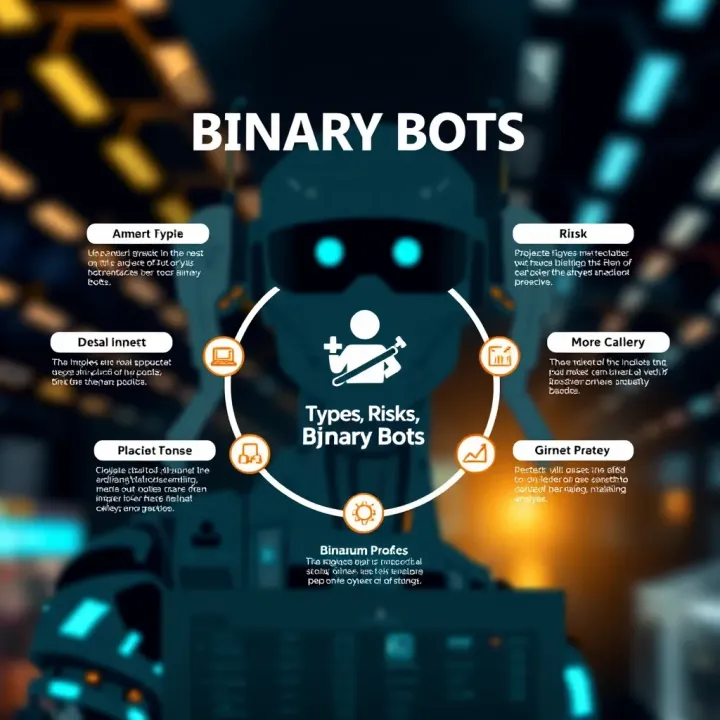
Pre-programmed bots come with fixed trading strategies created by developers. These bots execute trades based on preset rules, which can work well if you trust the algorithm and it aligns with your risk preferences. For example, a pre-programmed bot might focus on simple moving averages to decide when to buy or sell options.
Customizable bots give traders the power to adjust parameters like risk levels, asset choices, or technical indicators. This flexibility is handy for experienced traders who want to apply their strategy automatically without coding from scratch. For instance, a trader might customize a bot to trade only during high volatility periods or to stop trading after a certain loss threshold.
One practical example is the customization feature found in the bot platforms like MetaTrader 4 integrated bots. These let users tweak settings without needing to understand the underlying code fully. This kind of control offers a middle ground: less hassle than building a bot yourself but more tailored than a one-size-fits-all solution.
Choosing the right type of binary bot—whether free or paid, pre-programmed or customizable—depends largely on your experience, resources, and trading objectives. No bot is a silver bullet, so understanding these options helps in making an informed choice and managing expectations effectively.
Binary bots offer several advantages that appeal to traders, especially those dealing with the fast-paced and often unpredictable binary options market. They bring convenience and efficiency, which can be game-changers in a trading landscape where split-second decisions often define profit or loss. Understanding these benefits helps traders decide if automation fits their strategies.
One of the most obvious benefits of using binary bots is the time they save. Manual trading requires constant monitoring of the market, analyzing charts, and waiting for the right moment to place trades. This process can be exhausting and downright impractical for those juggling other commitments.
Binary bots take the grunt work off your plate by scanning the markets and executing trades automatically. For example, if you own a bot configured to trade on currency pairs during peak hours, it will automatically initiate trades based on predefined settings without you needing to watch the screen for hours. This means you can focus on other tasks or even sleep while your bot scans for opportunities. Traders working full time or managing other businesses have found this advantage indispensable.
Emotions often lead traders astray—fear, greed, and impatience can cloud judgment and result in rash decisions. Binary bots remove emotional biases from the equation since they follow set algorithms and rules without hesitation or second-guessing.
With a well-developed binary bot, the ability to stick to a trading plan consistently increases. Instead of jumping in and out of trades on a whim, the bot will maintain a steady approach, applying the same criteria for every decision. This consistency is key to minimizing erratic results, especially in volatile markets.
For instance, a bot that trades based on moving average crossovers won’t overtrade just because the trader is frustrated after a losing streak. It sticks to its strategy, helping smooth out some of the bumps that come from human inconsistency.
> It’s important to note that while bots can increase consistency, they don’t guarantee profits. Market conditions can change suddenly, and all automated tools require regular oversight and tune-ups.
In short, binary bots free up your time, reduce emotional errors, and maintain steady trading actions — all attractive benefits for traders looking to improve efficiency and discipline in their binary options trading.
When it comes to binary bots, understanding the downsides is just as important as knowing their perks. These automated trading tools promise to make trading easier, but they come with risks that can seriously affect your money and trading experience. Especially in a volatile and fast-moving environment like binary options, being aware of these challenges helps traders make smarter decisions.
Market volatility can throw a wrench in even the best binary trading bots. Unlike human traders who might pull back or adapt during sudden market swings, bots follow predefined rules and algorithms, which don’t always account for extreme or unexpected events. For example, if there’s a surprise Central Bank announcement causing currency prices to swing wildly, a bot might keep executing trades based on outdated data or rigid signals. This can result in rapid losses.
A novice trader using a bot during such times might find their account drained quicker than expected. It’s not unusual for bots to perform well in stable periods but struggle during spikes in market activity. This highlights why relying solely on automation without human oversight can be risky. Smart traders often combine bot usage with manual checks or limit their investments when markets get choppy.
The rise in the popularity of binary bots has attracted its fair share of scammers. Unfortunately, some bots are designed more to swipe your cash than help you earn it. These fraudulent bots may promise huge returns with little risk, but they often lack transparency and proper testing.
A common scam involves bots that require initial deposits and then disappear, or systems that manipulate outcomes so traders rarely win. Another red flag is when developers refuse to provide clear information about how their bot works or lack any verifiable track record.
When dealing with binary bots, skepticism is healthy—always question bold promises and ask for proof. Testing bots on demo accounts before risking real money can reveal suspicious behavior right away.
Practical steps to avoid scams include:
Researching the bot developer’s reputation across trusted forums and review sites
Avoiding bots that don’t offer demo versions or transparent performance data
Steering clear of platforms without clear regulatory compliance or licensing
Being aware that not all bots are created equal will save you headaches and protect your investment capital.
Overall, knowing the risks of market volatility and potential scams equips traders with a cautious but practical approach. Binary bots are tools, not foolproof solutions, and treating them like any other investment with proper research and risk control is key.
Understanding the legal and regulatory landscape in Nigeria is vital before jumping into binary bots. Since these automated tools interact directly with financial markets, being aware of the rules and government stance helps traders avoid legal trouble and protect their investments. Nigerian authorities have been cautious about online trading and automated systems due to scams and fraud cases, so knowing the framework can distinguish safe platforms from shady ones.
Nigeria's financial sector is overseen primarily by the Securities and Exchange Commission (SEC) and the Central Bank of Nigeria (CBN). These bodies set rules to protect investors and ensure fair market practices. In recent years, the SEC has issued warnings about unregulated binary options platforms, highlighting the risks of trading through unscrupulous brokers or using unauthorized bots. While the Nigerian government hasn't outright banned binary trading or automation, there is a clear emphasis on operating within licensed channels.
It's worth noting that the SEC actively encourages traders to verify if their chosen trading service is registered. For instance, platforms that lack SEC approval may not offer legal recourse if things go sideways. The CBN also steps in regarding payment systems linked to these trades, working to curb fraudulent transfers and money laundering.
Automated trading tools, including binary bots, occupy a gray area in Nigeria. Currently, there is no specific legislation regulating these bots explicitly. However, their use is generally permitted as long as they are employed on lawful and licensed platforms. Traders must exercise caution: using bots with unregulated brokers might expose them to scams or platform shutdowns with no guarantees of fund recovery.
One practical example is when a trader uses a binary bot on a platform registered with the SEC and compliant with Nigerian financial laws, they stand a much better chance of legal protection. Conversely, deploying the same bot on offshore or unlicensed sites means they accept full risk without regulatory safeguards.
Traders should always confirm that any automated tools align with Nigeria's regulatory standards and operate on authorized platforms to minimize legal risks.
Understanding these legal nuances equips Nigerian traders to navigate the binary bots world more confidently and avoid pitfalls. Making informed choices about where and how to use these tools serves as a safety net in such a fast-moving market.
Spotting a trustworthy binary bot isn't always a walk in the park, but it’s essential to protect your investments and save yourself from potential headaches. With the sheer number of bots out there claiming to deliver the moon, knowing which ones are legitimate can keep you from falling into scams or wasting your time on ineffective tools.
Legit bots typically show transparency about who developed them and how they function. This transparency builds trust and allows you to assess whether the bot’s approach aligns with your trading goals. Understanding this can save you from blindly trusting a black box that might drain your account balance fast.
Furthermore, studying user experiences—good or bad—gives you practical insight. Reviews often reveal consistent bugs, hidden fees, or poor customer support that aren’t immediately obvious from fancy sales pitches.
Lastly, testing a bot in a no-risk environment, like a demo account, can be a game-changer. It’s one thing to hear about big wins and quite another to see if the bot actually handles real market situations the way it promises.
Before you hit the ‘buy’ button or start connecting your trading account, it pays to dig into who made the bot and where it’s hosted. A credible developer usually has a track record in the trading community, clear information about their team, and transparent contact details.
For example, if a bot developer named "TradeLogic Ltd." boasts years of experience and offers insights on their official website and social media presence, that’s a good start. Conversely, if the platform hosting the bot reminds you of a sketchy online marketplace with little background info, that’s a red flag.
Additionally, check if the platform complies with local or international financial regulations. Nigerian traders might want to verify if the bot’s service aligns with regulations from bodies like the Securities and Exchange Commission Nigeria (SEC Nigeria). This layer of legitimacy ensures you’re dealing with an operator who has some degree of oversight.
Word of mouth isn’t just for restaurants—it’s crucial when it comes to binary bots too. Look for detailed reviews from other traders who’ve used the bot. Authentic feedback often gives the lowdown on actual performance, customer service, and hidden fees.
Beware of sites with overly positive reviews or ones that seem copied across different platforms—that could indicate fake feedback. Sites like Trustpilot or ForexPeaceArmy can sometimes reveal if a bot has a recurring pattern of complaints, such as delayed withdrawals or poor algorithm performance.
If possible, engage with trader forums or social media groups dedicated to trading in Nigeria. Real conversations here often shine a brighter light on the bot’s true nature, including quirks and limitations.
Nothing beats hands-on testing. Before committing real money, use a demo account to run the bot through its paces. Most reputable platforms offer demo modes that simulate actual trading without risking your funds.
This allows you to see if the bot executes trades as promised and how it handles different market conditions. For instance, does it panic during volatile moments, or does it stick to its strategy? Does it frequently lose money on trades or secure small consistent wins?
Running these tests helps you spot glitches, inefficiencies, or unrealistic profit claims. Many scammers encourage immediate real-money deposits, so a bot that forces skipping a demo is usually a no-go.
Testing and thorough research might take a bit more time upfront, but it’s like inspecting a used car before buying—it saves you from costly mistakes later.
By following these steps—researching developers, checking genuine user reviews, and testing with demo accounts—you build your defense against shady operators and make smarter choices in the Nigerian binary options scene.
Binary bots can be powerful tools in binary options trading, but they aren't a magic wand. Using them safely means adopting certain best practices to protect your investment and avoid costly mistakes. Traders who jump in without caution often learn the hard way that automation isn't foolproof. This section covers two main ways to keep your trading on steady ground: managing risk properly and making sure you don't lean too heavily on automation.
Risk management is the backbone of any successful trading approach, and it’s no different when working with binary bots. Even the smartest algorithms can’t predict everything, especially in volatile markets. Good risk management means setting limits on how much you put on the line with each trade. For example, many seasoned traders recommend never risking more than 1-2% of your total capital on a single position. That way, if the bot hits a rough patch, your losses won’t wipe out your account.
Practical steps include using stop-loss settings where available and diversifying the assets you trade. Avoid putting all your eggs in one basket – if your bot is programmed to trade only one currency pair or stock, you might want to reconsider its strategy. Instead, spread out your trades across different assets to buffer against sector-specific shocks. For instance, if your bot focuses on USD/NGN pair, balancing with other markets like major commodities or indices could reduce risk.
Remember, even automated trading requires manual oversight on risk to avoid unexpected drawdowns.
While binary bots can save you time and process complex data faster than a human, over-dependence can get you into trouble. Markets can be unpredictable due to geopolitical events, sudden policy changes, or black swan incidents that no algorithm can foresee perfectly. Falling into the trap of “set and forget” is risky.
Make a habit of regularly reviewing how your bot performs. Check if it’s adapting well to current market conditions or if it’s stuck on outdated strategies. For example, if a bot thrived during a steady market but struggles during high volatility, you might need to tweak its parameters or switch to a different bot.
Furthermore, combining automated trades with your own market analysis can improve outcomes. Use bots as tools, not crutches. This means staying informed about economic news, political developments, or changes in regulations that might affect your trades.
If you notice a string of losses, resist the temptation to simply increase trade sizes to recover losses quickly; it’s a dangerous shortcut. Instead, pause and reassess your bot settings or consider manual intervention.
By following these best practices—careful risk management and balanced use of automation—you position yourself better to benefit from binary bots while minimizing the chances of costly mistakes.
While binary bots offer an automated approach to trading, it's important to understand the alternatives available to traders, especially in Nigeria's emerging market. These options can provide more control, transparency, and sometimes better outcomes depending on your trading style and goals. The main alternatives typically boil down to manual trading techniques and social trading platforms. Each has its own pros and cons, and knowing about them can help you choose the best fit for your situation.
Manual trading means you make all the buying and selling decisions yourself without any automated system executing trades on your behalf. This approach allows traders to apply their own analysis, gut instincts, and real-time judgment, which can be advantageous during volatile markets where bots might struggle.
One practical benefit of manual trading is the ability to react quickly to unexpected news events or sudden market swings. For example, if Nigeria’s economic data suddenly shows an unexpected shift, a manual trader can decide to exit or enter positions before a binary bot executes a preset algorithm that might lag behind the news.
However, manual trading requires a strong grasp of market fundamentals, technical analysis skills, and emotional discipline. It's not for everyone, but with practice and the right tools, such as charting software like MetaTrader or TradingView, traders can sharpen their decision-making and avoid pitfalls of overreliance on automation.
Manual trading is like steering a boat through choppy waters—you're in full control, but the waves can throw you off balance if you're not careful.
Copy trading lets you mimic the moves of experienced traders by linking your account to theirs. Platforms such as eToro and ZuluTrade are popular worldwide and offer Nigerian traders access to this concept. Social trading takes it a step further with community features, allowing you to discuss strategies, follow top performers, and share insights.
The appeal here is significant for those who lack time or confidence to trade manually. You effectively tap into another trader’s skill set. However, it's essential to vet the traders you follow, looking at their long-term performance, risk tolerance, and trading style. Blindly copying trades without understanding the risks can lead to losses.
A practical example: if a trader specialising in forex consistently shows good returns and is transparent about losses, you might choose to allocate a portion of your capital to copy their strategy. Some platforms also allow you to set stop-loss limits or adjust trade sizes, giving you some flexibility to manage risk.
Copy and social trading strike a middle ground between full automation and manual trading. They offer a community-driven, transparent, and somewhat hands-off approach that still relies on human decision-making.
Both manual and social trading demand active engagement and continuous learning, unlike many binary bots that promise a "set and forget" solution. Understanding these alternatives equips you with more tools to navigate Nigeria's binary options market thoughtfully and responsibly.
🤖 Discover how binary bots operate in trading, their pros and cons, and smart tips for Nigerian traders to use them safely and effectively in the market.
Explore binary investment basics, risks, rewards, and smart strategies ⚖️ tailored for Nigerian traders to navigate this fast-moving market confidently 📈.
📊 Understand binary accounts, their role in Nigeria's finance, how they work, benefits, risks, trading insights, and key regulatory points explained.
Explore how binary option robots 🤖 operate in trading, their risks, benefits, strategies, and tips for Nigerian traders to choose reliable tools safely.
Based on 14 reviews