

Understanding Binary Investment in Nigeria
Explore binary investment basics, risks, rewards, and smart strategies ⚖️ tailored for Nigerian traders to navigate this fast-moving market confidently 📈.
Edited By
Oliver Bennett
The gender binary refers to the classification of gender into two fixed categories: male and female. This division is deeply rooted in many societies worldwide, including Nigeria, where traditional norms often reinforce it strongly. At its core, the gender binary assumes that everyone fits neatly into either masculine or feminine roles based on biological sex. However, this simplistic view overlooks the complex realities of human identity.
Historically, many Nigerian cultures had more fluid understandings of gender before colonial influence introduced and tightened rigid categories. Today, the binary persists in laws, education, workplaces, and family expectations, often limiting how people express themselves socially and professionally.
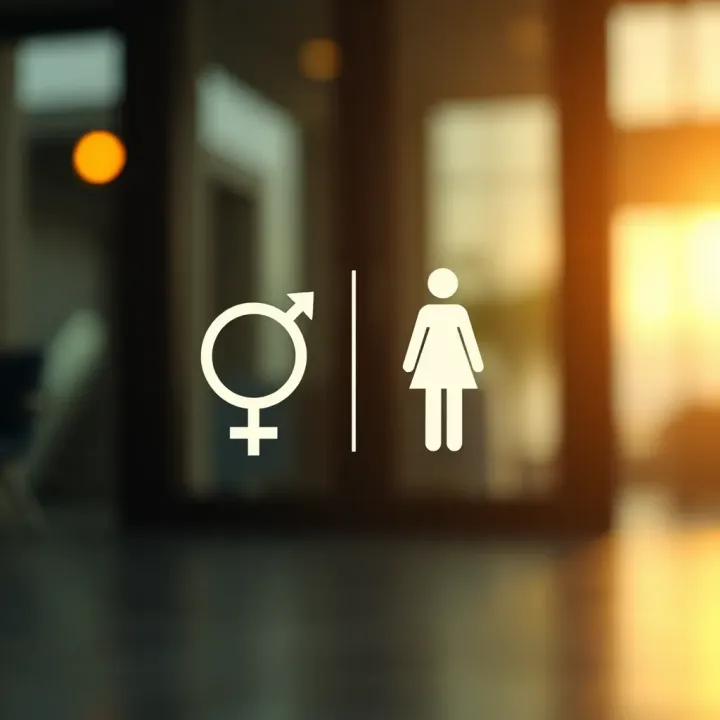
The gender binary impacts economic and social participation, influencing everything from job opportunities to community roles in Nigerian society.
For example, women may face barriers in male-dominated sectors like finance or trading, not just due to gender but also because of entrenched expectations about what roles they should pursue. On the other hand, men who don't conform to traditional masculine ideals risk social alienation.
It’s also important to note that the binary excludes those who identify as non-binary or transgender. These individuals challenge the idea that gender is strictly male or female. In Nigeria, non-binary and transgender people often face social stigma and legal challenges, complicating their access to healthcare, employment, and education.
Understanding the gender binary requires looking beyond fixed boxes to see how these categories shape life chances and restrict personal freedoms. For traders, investors, and analysts, recognising these social dynamics can inform better engagement with diverse Nigerian markets and communities.
Key points to consider:
The gender binary is an enforced social system, not a natural law.
Gender roles linked to the binary affect economic participation and leadership.
Non-binary and transgender identities exist but are frequently marginalised.
These dynamics matter for inclusive business strategies and equitable policies.
Moving beyond strict gender categories can create space for more innovation and fairness in Nigerian society. This article will explore alternatives and the impact of recognising diverse gender experiences.
Understanding what the gender binary implies is key to grasping how societies organise and interpret differences between people. This concept refers to classifying everyone strictly as either male or female based on physical traits observed at birth. In the Nigerian context, this classification influences everything from social expectations to legal regulations and personal identity.
The gender binary rests on the idea that there are only two distinct, opposite sexes: male and female. People are expected to fit neatly into one of these categories, which often align with biological sex characteristics such as genitalia and chromosomes. In practice, this binary shapes daily life—gender determines what clothes one wears, which roles one takes in family and community, and even career paths considered appropriate.
For example, in many Nigerian families, boys are often encouraged to take up leadership roles and pursue fields like engineering or law, while girls are pushed towards caregiving roles or professions like teaching and nursing. These expectations emerge from the fixed binary outlook that links gender strictly to one’s birth sex.
Gender classification is not purely biological but deeply cultural. Different societies create systems to organise individuals into gender roles that suit their values and social structures. In Nigeria, cultural norms regarding gender can vary widely between ethnic groups, yet the binary remains dominant overall.
The Yoruba, Igbo, and Hausa peoples, for example, have traditional beliefs about what behaviours and responsibilities align with being male or female. These labels are historically embedded and passed down across generations, therefore reinforcing the gender binary’s grip on social organisation.
Biological sex refers to physical and genetic attributes like chromosomes, hormone levels, and reproductive anatomy. Gender identity, however, is a person's internal sense of self as male, female, a blend of both, or neither. The gender binary assumes these two always match, but this is not always the case.
In Nigeria, where recognising non-conforming gender identities still faces significant challenges, mixing up biological sex with gender identity can marginalise individuals whose sense of self does not align with birth sex. Understanding this distinction is vital for addressing the struggles of transgender and non-binary Nigerians.
Before colonialism, many Nigerian societies had flexible and diverse understandings of gender roles. Though most cultures observed male and female distinctions, roles were often practical and fluid. For example, among some Igbo communities, women took part in trade and land ownership, roles that may not fit rigid binary expectations.
Similarly, the Yoruba recognise roles for women in religion and governance that go beyond basic domestic stereotypes. These examples show that traditional societies could accommodate varied expressions of gender for communal benefit.
British colonial rule imposed a stricter gender binary on Nigerian society through legal, educational, and religious systems. Colonial administrators and missionaries encouraged Victorian-era understandings of male and female roles, linking them to Christian morality and Western law.
This influence often suppressed indigenous gender systems that allowed for greater diversity. Today’s rigid binaries partly stem from these colonial legacies, which remain visible in Nigeria’s legal and social treatment of gender.
Globally, many societies recognise more than two genders. For instance, some Native American communities have long acknowledged "Two-Spirit" identities, while South Asian cultures identify a third gender known as hijras.
These practices provide practical lessons for Nigeria on how gender systems can be more inclusive and flexible. Recognising gender beyond the binary can reduce social tensions and support those who do not fit conventional categories.
The gender binary deeply shapes social norms and personal identities, but it is neither universal nor fixed. Broadening our understanding helps build a more inclusive society.
The gender binary—the classification of gender strictly as male or female—deeply influences social structures and everyday interactions in Nigeria. It affects expectations in family, education, work, law, and health, with consequences for individuals’ opportunities and rights. Understanding these impacts is key to appreciating not only the limitations of fixed gender roles but also the challenges faced by those who do not fit neatly within this binary.
Gender roles in Nigerian families often assign men the responsibility of financial provision, while women are expected to manage domestic tasks and raise children. This division shapes household dynamics and decisions, sometimes limiting women's economic independence. For example, women may find it difficult to pursue business ventures or salaried jobs due to pressure to prioritise family care.

At workplaces, these ingrained roles influence hiring and promotion decisions. Men dominate leadership positions in sectors such as banking and oil and gas, while women are more present in teaching or nursing. Such norms can restrict career ambitions and wage growth for many Nigerians.
From early schooling, boys and girls receive different messages about what subjects or careers suit them. Boys might be encouraged towards sciences and engineering, while girls face subtle nudges to focus on arts or social sciences. This division can limit Nigeria’s pool of skilled professionals, especially in STEM fields.
Parents and teachers might steer students accordingly, affecting performance and self-belief. For example, a girl interested in computer science may be discouraged indirectly but persistently, leading to fewer women in tech roles—an important sector in Nigeria’s growing digital economy.
Nigerian films, music, and adverts often reinforce the gender binary by depicting men and women in stereotypical roles—male heroes, female supporters, or objects of beauty. These portrayals shape public perceptions about what men and women ‘should’ be like.
Music videos may showcase macho behaviour as ideal for men, while women appear mainly as accessories or homemakers. Such representations contribute to entrenched gender expectations and limit societal acceptance of more fluid or diverse gender expressions.
In Nigeria, official documents like the National Identification Number (NIN) and passports require individuals to declare gender as ‘male’ or ‘female’. This binary system poses problems for those whose gender identity does not align with these fixed options, leading to challenges in accessing services or exercising rights.
Mistmatches between appearance and official gender markers can cause delays or denial of access at banks, airports, and government offices—significant hurdles in a bureaucratic system that values conformity.
Healthcare access is also shaped by the gender binary. Medical services and health campaigns often target men and women differently, sometimes ignoring the needs of transgender or non-binary Nigerians. For instance, gender-affirming treatments are rarely available or recognised within mainstream healthcare.
Moreover, reproductive health policies generally focus on cisgender women, leaving gaps for others who might require specialised care. This can affect mental health, wellbeing, and even survival for marginalised groups.
Nigerian laws largely reflect binary gender norms, with little recognition of non-binary or transgender identities. The Same Sex Marriage (Prohibition) Act 2014 and other regulations may indirectly criminalise those who express gender non-conformity.
Lack of protective legislation exposes transgender and non-binary people to harassment, discrimination, and violence without legal recourse. Reforming the legal framework to include gender diversity is crucial for protecting rights and promoting equality.
The rigid gender binary in law and society not only confines individuals' roles but also restricts their access to essential services and protections, emphasising the urgent need for inclusive reforms in Nigeria.
Understanding these aspects helps traders, investors, analysts, and policymakers see how gender influences economic participation and social inclusion in Nigeria's complex environment. Recognising these impacts opens pathways for more inclusive policies and business practices that accommodate diverse gender identities.
Exploring experiences beyond the gender binary is vital to understanding the full spectrum of gender identities and expressions in Nigerian society. This focus sheds light on those who do not fit into the traditional male/female categories and highlights the social, legal, and cultural challenges they face. Recognising these experiences can inform more inclusive policies and foster a society where everyone has room to express their identities freely.
Non-binary individuals identify outside the conventional categories of ‘male’ or ‘female.’ Terms like genderqueer, genderfluid, and agender describe different ways people experience their gender beyond the binary framework. These identities are not always visible, yet they represent a growing awareness and acceptance of gender diversity worldwide.
In Nigeria, non-binary and gender non-conforming individuals often encounter misunderstanding and stigma due to deeply entrenched binary gender norms. In many communities, expressing a gender outside male or female is seen as challenging cultural or religious values. This results in social exclusion and sometimes discrimination in workplaces or schools. For example, a non-binary student may struggle to obtain recognition or support within the education system, which typically operates within rigid gender classifications.
Visibility remains a key hurdle. Many non-binary Nigerians keep their identity private due to fears of rejection or violence. However, social media platforms provide spaces for expression and connection, helping to build awareness and community support. Increased representation in Nigerian media and activism offers slowly growing recognition, but acceptance is far from widespread.
Transgender Nigerians face significant social and legal barriers. Socially, they often endure prejudice, discrimination, and even violence because of gender transition or expression. Legally, Nigerian laws do not explicitly protect transgender people’s rights, which complicates processes like identity documentation changes or legal recognition. For example, a transgender person may find it impossible to change the gender marker on official documents, leading to difficulties in accessing services.
Access to gender-affirming care such as hormone therapy or surgeries is limited and often expensive in Nigeria. Few medical practitioners offer specialised services, and stigma within the healthcare system discourages many from seeking help. This lack of accessible care impacts not only physical health but also mental wellbeing.
Despite these challenges, community groups and activists in cities like Lagos and Abuja provide vital support for transgender Nigerians. These organisations offer counselling, legal aid, and safe spaces for dialogue. Advocacy efforts increasingly push for policy reforms to protect transgender rights and improve access to healthcare. Their work is crucial in driving gradual social change and expanding acceptance.
Understanding and acknowledging experiences beyond the gender binary is essential for building a fairer Nigerian society. It helps create inclusive environments where everyone, regardless of gender identity, can participate fully and safely.
Questioning the strict male-female division opens up space for more inclusive ways to understand gender. These alternatives offer practical benefits for individuals who don’t fit neatly into fixed categories. Looking at indigenous and modern perspectives shows how gender can be more flexible, reflecting the rich diversity of human experience.
Before colonial rule, many Nigerian societies recognised gender beyond just male and female. Among the Igbo, for example, women could take on titles and roles traditionally assigned to men, such as the Omu – a female chief with significant authority. This blurred clear-cut gender lines in power and social participation. Similarly, the Yoruba culture honoured Gelede masquerades, celebrating both male and female spiritual forces without strict binaries.
These practices show Nigerian traditions have room for gender complexity, challenging current rigid attitudes. Reviving and appreciating such customs might create more acceptance for gender diversity today.
Beyond Nigeria, cultures across Africa recognised third or even fourth gender categories. The Bugis people of Indonesia, often referenced in African gender studies, identify five genders, each with distinct social functions. Closer to Nigeria, among the Maasai and Zulu, individuals sometimes assume gender roles based on social needs rather than anatomy.
The key takeaway is that many African societies use gender roles pragmatically to maintain community balance, not as absolute biological categories. This flexibility points to practical models Nigeria could learn from.
Indigenous methods highlight the value of seeing gender as fluid and context-dependent. They stress social roles and responsibilities over fixed labels. This approach can reduce discrimination because it focuses on contribution and belonging rather than anatomy.
Embracing indigenous gender diversity can encourage policies that protect all Nigerians without forcing conformity to outdated binaries.
Instead of a simple male/female line, modern thought frames gender as a spectrum with many possibilities. People may identify at various points or shift over time — for example, someone might feel more masculine some days, more feminine others. This idea better matches the lived experiences of many Nigerians, especially younger generations engaged on social media platforms.
Recognising spectrum concepts helps businesses and institutions adapt services like health care, HR policies, and public facilities to be inclusive and effective.
Education plays a major role in shifting attitudes on gender. When schools incorporate lessons about gender diversity tailored to Nigerian contexts, it prepares young people to respect differences and reduces stigma. Media also matters; responsible Nigerian outlets can challenge stereotypes by sharing real stories from non-binary and transgender Nigerians.
Practical awareness campaigns can be community-based, involving religious and traditional leaders to foster understanding and support.
Accepting gender fluidity affects drafting laws around identity documents, anti-discrimination, and access to services. Nigeria’s current frameworks mostly ignore non-binary realities, causing exclusion from voting, healthcare, and education.
Policy changes informed by a spectrum approach could lower social tensions, improve mental health outcomes, and promote fairer participation in the economy.
In finance and business, recognising multiple gender identities can widen market reach and encourage innovation in product design and customer service. Policymakers and investors have much to gain from endorsing gender-inclusive policies that reflect Nigeria’s diverse population.
Moving towards gender inclusivity is vital for Nigeria’s social and economic progress. It challenges the rigid gender binary that limits personal freedom and opportunity for millions, especially non-binary and transgender Nigerians. In business and finance, embracing gender inclusivity can improve workforce diversity, drive innovation, and expand market reach. For traders, investors, and analysts, understanding these social shifts is key to recognising emerging trends and risks in Nigeria’s evolving market.
Schools hold the key to shaping more inclusive mindsets from a young age. Incorporating lessons that explain the spectrum of gender identities beyond just male and female helps children grow up respecting differences. For example, introducing inclusive curricula that discuss gender diversity alongside cultural and historical stories can reduce stigma. This approach prepares new generations to participate in workplaces and markets that value diverse talents and perspectives.
The media shapes public opinion powerfully. Nigerian broadcasters, newspapers, and online platforms must portray all gender identities fairly and accurately. Fair representation helps normalise gender diversity, reducing misinformation and prejudice. When popular TV shows or news outlets feature stories portraying transgender and non-binary experiences authentically, it fosters empathy and social acceptance. This also opens business opportunities in new entertainment and advertising niches.
Beyond formal education and media, community engagement remains essential. Public forums, town halls, and grassroots campaigns provide spaces where people share their stories and ask questions without judgement. These discussions deepen understanding and spark support for gender-inclusive policies and practices. Effective outreach can bridge generational and cultural gaps, promoting social cohesion and better-informed economic decisions.
One practical step towards inclusivity is reforming state-issued documents like the National Identification Number (NIN) and voter registration cards. Gender-neutral or expanded options beyond "male" and "female" provide recognition to non-binary and transgender Nigerians. This reduces bureaucratic hurdles when accessing services or employment, leading to better participation in the formal economy.
Legal reforms must safeguard the rights of non-binary and transgender individuals against discrimination in workplaces, healthcare, and social settings. Clear anti-discrimination laws enhance social stability by protecting vulnerable groups and encouraging equal economic participation. For example, laws banning unfair dismissal based on gender identity encourage Nigerian employers to adopt inclusive hiring practices.
Countries like South Africa and Canada offer models with laws recognising multiple gender identities beyond the binary. These policies include gender-neutral passports and workspaces that accommodate diverse gender expressions. Nigeria can adapt such frameworks to its local realities, aligning with international best practices for human rights and economic inclusiveness. Adopting progressive policies signals to investors and business partners that Nigeria supports equality and innovation.
Moving towards gender inclusivity is not just about social justice; it makes good economic sense. A more inclusive Nigeria harnesses the talents and creativity of all its people, strengthening the nation’s growth prospects and global competitiveness.
Explore binary investment basics, risks, rewards, and smart strategies ⚖️ tailored for Nigerian traders to navigate this fast-moving market confidently 📈.

Discover how binary bots work in options trading ⚙️, their risks, types, and legal issues 🇳🇬. Get tips to judge legitimacy before using them!

Explore how binary option robots 🤖 operate in trading, their risks, benefits, strategies, and tips for Nigerian traders to choose reliable tools safely.
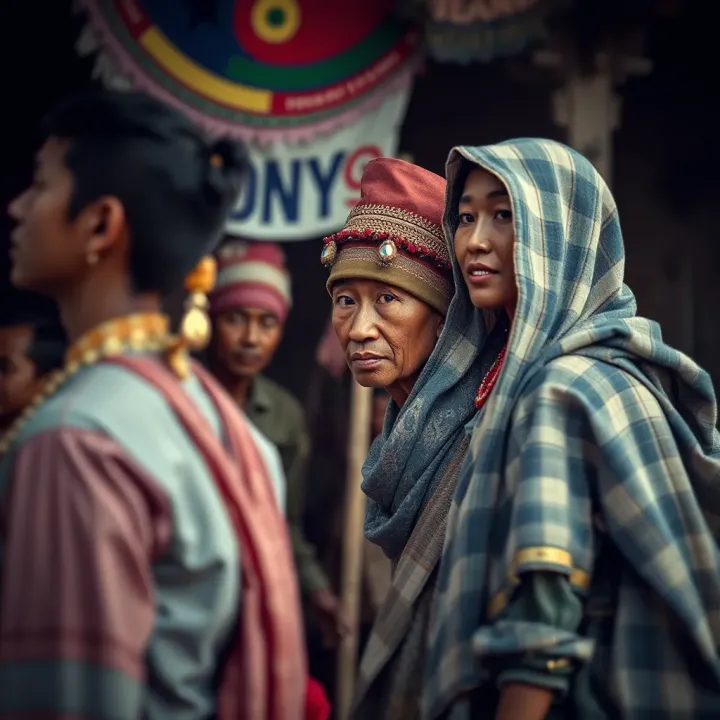
Explore the history 🌍 and cultural influence of binary gender, learn about non-binary identities, and the challenges beyond traditional roles in Nigeria.
Based on 13 reviews