

Understanding Binary Signals in Digital Systems
📡 Discover how binary signals power digital tech in Nigeria and worldwide, from mobile networks to fintech apps, with clear examples and common challenges explained.
Edited By
Amelia Price
Free binary signals are tools that traders use to identify potential opportunities in the financial markets without paying upfront fees. They deliver specific guidance, often indicating whether an asset’s price will rise or fall within a set time frame. While many platforms offer paid signals, free binary signals can be a starting point, especially for novice traders or those wanting to test the waters.
These signals usually take the form of simple alerts, such as "Call" or "Put," meaning buy or sell options respectively. For example, a signal might suggest placing a 'Call' option on the USD/NGN currency pair based on market analysis. The key appeal is accessibility—anyone with internet access can receive them through messaging apps, specialised websites, or broker platforms without upfront cost.
Behind these free signals are various sources ranging from automated algorithms to experienced analysts. Algorithms scan historical data, trends, and market news to generate predictions. Human analysts, on the other hand, apply technical indicators and fundamental analysis before sending signals. However, free signals often use more generic models and are less tailored than their paid counterparts.
Remember: No signal—free or paid—can guarantee profit. Always combine signals with your own research and risk management strategies.
Traders often use free binary signals to get a feel for market patterns or confirm their own analysis. For instance, a trader in Lagos might receive a signal suggesting a 'Put' option on Brent crude when global oil prices falter, helping them react promptly.
However, the risk lies in signal reliability. Many free services prioritise attracting users over accuracy, sometimes sending contradictory or delayed signals. It's crucial to cross-check signals against trusted sources and avoid relying solely on them for large investments.
Here are some practical tips to assess free binary signals:
Check the signal provider’s track record over weeks or months
Observe if signals include explanations or charts
Use signals alongside demo trading before real money
Avoid providers promising guaranteed wins or high returns fast
With these points, free binary signals can become a useful part of your trading toolkit, particularly if you stay cautious and informed.
Free binary signals are essentially trade alerts that offer timely information on potential market moves without costing traders a dime upfront. For traders, especially those starting out or operating with limited capital, understanding what these signals are and how they function can make a tangible difference in spotting profitable opportunities or avoiding losses.
These signals simplify the decision-making process by flagging when an asset’s price might rise or fall within a short period. However, relying solely on signals without understanding their origin or accuracy can lead to costly mistakes, so it’s vital to grasp their workings fully.
Binary signals act like early warnings or tips for traders, indicating when to execute a trade based on market data trends. For instance, a trader might receive a signal suggesting that the price of a particular currency pair is likely to increase in the next 30 minutes, prompting them to place a call option. These alerts help traders react quickly in fast-moving markets, reducing the time spent on manual analysis.
Binary options are financial contracts where traders predict whether an asset’s price will be above or below a certain level at a set expiry time. The payout is fixed—either the trader wins a predetermined amount or loses their stake. This all-or-nothing nature means quick, informed decisions are crucial, making accurate signals valuable. Understanding this framework clarifies why signals focus on simple up/down predictions.
Some free binary signals come from experienced analysts who study charts, market news, and patterns to offer trade suggestions. Their insight often includes watching global economic releases or geopolitical events that might affect prices. This human touch can capture nuances algorithms miss but may also lag behind rapid market shifts.
On the other hand, automated systems use algorithms programmed to scan market data and spot patterns repeatedly. These bots can send signals instantly and operate 24/7, which is useful for markets like forex that never sleep. However, they depend heavily on the quality of their programming and data feed, making them sometimes vulnerable during volatile or unexpected events.
Many signal providers use email or SMS to send alerts, ensuring traders receive notifications straight to their phones or inboxes. This method is handy but can be delayed by network issues, which might be crucial when seconds count in trading.
More recently, signals are delivered via mobile apps and chat platforms like Telegram or WhatsApp groups. These channels often allow real-time interaction, enabling traders to ask questions or discuss strategies. The instant nature of these platforms helps traders stay connected and respond faster, especially when combined with push notifications.
Free binary signals serve as practical tools for traders aiming to make timely trade decisions, but knowing how they originate and reach you is key to using them wisely.
Finding reliable free binary signals in Nigeria is key for traders looking to improve their chances without spending upfront. Since the quality of free signals varies widely, knowing where to look helps traders avoid wasted time and money. Locally relevant platforms ensure signals consider Nigerian market peculiarities like currency volatility or regional asset trends.
Telegram channels have become one of the most popular hubs for free binary trading signals in Nigeria. Traders appreciate the real-time delivery and the ease of joining groups focused on specific markets or assets. For example, some Nigerian-focused groups share signals on forex pairs, incorporating local economic news to refine trade alerts. Telegram allows quick feedback via chat, enabling users to verify or discuss signals.
However, not all Telegram channels are trustworthy. It's wise to monitor multiple channels and confirm signals with your own research before acting. Still, Telegram provides a practical, cost-free way to get immediate market insights and notice emerging trends.
Active trading forums and online communities provide another valuable avenue. Forums like the Nigerian Traders Network or international platforms with Nigerian members offer space for peer exchange about free signals, strategies, and broker recommendations. You benefit from shared experiences, questions answered by seasoned traders, and sometimes even exclusive signal threads.
These communities foster critical thinking and reduce blind reliance on any single provider. They also keep traders updated on market conditions affecting signal reliability in Nigeria, such as naira fluctuations or CBN policies.
A signal provider's performance history is a straightforward way to separate reliable offerings from hype. Good providers usually display past results with transparency — showing wins and losses over weeks or months. Nigerian traders often post independent reviews on forums or social media, highlighting consistent accuracy or warning about unreliable sources.
Checking these reviews reduces the risk of falling for signals that promise high returns but deliver losses. When your peers mention a service positively and back those claims with evidence, it’s a sign worth noting.
Trustworthy signal providers share clear success metrics, such as win rates or average return per trade. They avoid unrealistic claims like 100% guaranteed profits, which often signal scams. Providers that acknowledge their occasional losses and explain their methodology build more confidence.
In Nigeria, transparency also means sharing how often signals arrive, the assets covered, and how signals are formulated based on market events. Traders relying on such providers can better manage expectations and risks.
Free signals give traders access to potentially useful trading tips without upfront fees, which is ideal for beginners testing the waters. You can try out different strategies and evaluate providers without financial commitment. However, these free services sometimes lack depth or timing precision due to limited resources.
The main drawback is that free signals may come without detailed explanations or risk management guidelines. Some are delayed or generic, making them less effective in volatile markets common in Nigeria.
Paying for binary signals can make sense when the provider offers verified, consistent accuracy and accompanying support like tutorials or risk advice. Serious traders often benefit from premium services that combine automated data, expert insights, and timely delivery.
If a paid service has a solid reputation with testimonials from Nigerian traders and transparent terms, it might increase your winning chances enough to justify the cost. Always approach paid services cautiously, ensuring they don’t promise the moon but offer real value backed by evidence.
To sum up, your best bet in Nigeria is to start with popular free platforms like Telegram channels and trading forums, verify providers through track records and transparency, and consider paid options only after thorough verification.
Free binary signals can guide traders in spotting market opportunities. However, understanding their risks and limits is key to avoiding costly mistakes. Knowing where these signals fall short helps you use them more wisely and protect your funds.
Market volatility impact: Rapid market shifts affect binary signals severely. For instance, a signal predicting a price rise might become worthless within minutes of unexpected economic news or geopolitical events. In Nigeria, where naira exchange rates or oil prices can shift abruptly, signals may quickly lose accuracy.
This delay often arises because free signals rely on algorithms or manual checks that cannot instantly adjust to sudden market moves. By the time you receive a signal, conditions might have changed, making the signal less useful or even misleading.
Overreliance on signals without personal analysis: Relying solely on free binary signals without doing your own research creates vulnerability. Suppose a signal advises a call option on a stock without considering recent earnings reports or sector performance. Blindly following it can lead to unexpected losses.
Successful traders always verify signals through technical indicators or news events. Using signals as a starting point rather than a final instruction helps you spot when they are off. It also builds your trading skills, making your decisions more informed and less dependant on others.
Unrealistic promises of guaranteed profits: Scammers often lure traders with claims of 90% or 100% win rates in binary options. No signal provider can guarantee such consistent success because markets are inherently unpredictable.
For example, a Telegram channel might boast "risk-free signals every day". This is a classic red flag. Expecting sure profits sets you up to lose, especially if you invest large sums based on those promises. Always be sceptical of offers that sound too good to be true.
Fake testimonials and social proof: Some free signal services display fabricated reviews or fake user testimonials to appear credible. These can be copied from other sources or generated by bots.
Check for inconsistencies like repeated phrases, stock photos, or overly generic praise. Genuine users usually share nuanced feedback, including some negative points. If a provider relies heavily on such testimonials without verifiable proof of results, treat it with caution.
Always remember: no signal can replace solid personal analysis and due diligence. Avoid shortcuts that promise easy money; instead, focus on learning and managing risks carefully.
By recognising these risks, you can better protect yourself while exploring free binary signals. Treat them as one tool among many, not the whole weaponry for trading success.
Using free binary signals without a sound trading approach is like trying to drive without a map — you might get somewhere, but chances are you'll get lost. Incorporating these signals effectively requires combining them with your own tools and strategies to make smarter trading decisions. This section breaks down key steps to help you use free signals wisely and avoid common pitfalls.
Technical analysis involves studying price charts and market indicators to predict future movements. Even if you receive free binary signals, it pays to check the signals against simple tools like support and resistance levels, moving averages, or RSI (Relative Strength Index). For example, if a signal suggests a call option on a currency pair but technical analysis shows strong resistance at that level, you might reconsider entering the trade.
Using these basics can filter out false signals, preventing unnecessary losses. Many beginners overlook this step, relying only on the signals they get; supplementing signals with your own chart reading adds a layer of protection.
Economic releases, political developments, or central bank announcements can suddenly shift markets. Suppose a free binary signal recommends putting on an option right before a major Nigerian Central Bank policy announcement — the market could move unpredictably. Checking economic calendars and news updates alongside signals helps you understand whether an event may affect your trade's outcome.
This combined approach is especially vital in Nigeria where key events like NNPC policies or CBN interest rate changes often cause sharp market swings. Don’t just trust the signal blindly; know the 'why' behind market moves.
No matter how confident you feel about a signal, always cap the amount you risk per trade. A common rule is not to risk more than 2-5% of your total trading capital on a single trade. For instance, with ₦100,000 in your trading account, limit bets to ₦2,000 to ₦5,000 per trade.
This protects your account from big losses if the signal turns out wrong. Overcommitting on one trade can wipe out gains or even your whole fund. Discipline in money management keeps you in the game longer.
Binary trading can be stressful; losses hurt, and wins excite. Emotional decisions like chasing losses by increasing stakes or ignoring exit plans often come from putting too much trust in signals alone. Keeping emotions in check means treating signals as clues, not guarantees.
Develop rules upfront — for example, stop trading after three losses, or take a break after any big variation in your balance. This prevents rash moves that drain your capital and leave you frustrated.
Don’t rely on just one free signal provider. Look out for similar signals from different reputable sources before making a move. If two or three sources suggest the same trade direction on an asset, the signal’s reliability rises.
This approach reduces your chances of following misleading tips. Nigerian traders often check Telegram channels alongside apps like OANDA or MT4 alerts for confirmation. Always cross-check before committing your money.
Over time, identify which signal sources give the most consistent, accurate tips. Track their performance over weeks or months, not just once or twice. Reliable providers blend experience and data well and tend to produce a pattern of wins.
Discard providers who make big claims but fail to deliver in practice. Remember, in trading, consistency beats flash-in-the-pan results. Choose signal sources you trust to build confidence in your strategy.
Effective use of free binary signals is not about blind followership but smart integration with your own research and tactics. With proper verification, money management, and multiple checks, signals become valuable tools — not risky guesses.
📡 Discover how binary signals power digital tech in Nigeria and worldwide, from mobile networks to fintech apps, with clear examples and common challenges explained.

Master binary multiplication in easy steps! Learn how base-2 maths works, see real computing uses, and get practical tips for handling this vital digital skill 💻✍️
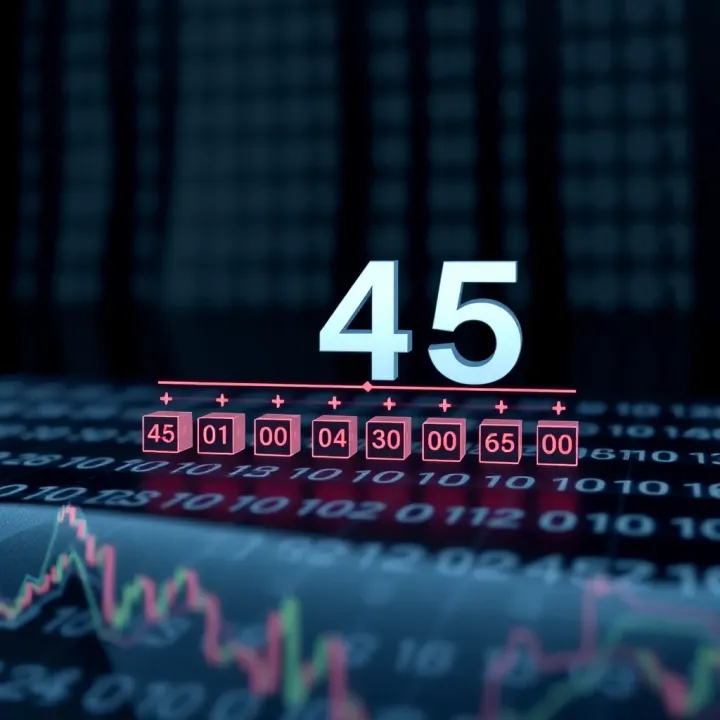
Learn how to convert 45 from decimal to binary with clear steps and practical examples. Understand binary basics and see why it matters in tech and everyday life 💻⚙️

💻 Explore how binary format shapes computing and data storage, learn binary number basics, applications, and clear up common misconceptions in tech.
Based on 9 reviews