

Understanding Binary Investment in Nigeria
Explore binary investment basics, risks, rewards, and smart strategies ⚖️ tailored for Nigerian traders to navigate this fast-moving market confidently 📈.
Edited By
Isabella Clarke
Binary trading has caught the interest of many Nigerian investors eager to explore alternative markets. Unlike traditional trading, binary trades offer a simple yes-or-no proposition: will the price of an asset rise or fall within a specified time? This fixed-risk, fixed-reward structure appeals because it’s straightforward to grasp, even for those new to investing.
For example, you could predict whether the price of Nigerian oil futures or the NGX Banking Index will increase in the next hour. If your prediction is correct, you earn a predetermined payout; if not, you lose your initial investment. This clarity helps investors control potential losses better than many other methods.
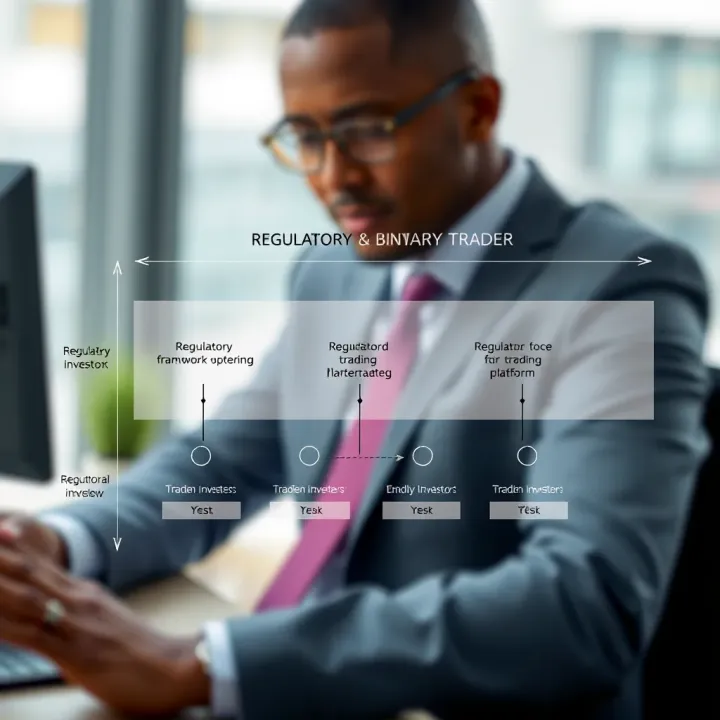
That said, binary trading is not without pitfalls. Brokers often lure traders with promises of quick gains, but the reality is more complex. It demands an understanding of market conditions, timely decision-making, and risk management. Nigerian traders must also navigate regulatory constraints, especially as the Central Bank of Nigeria and Securities and Exchange Commission monitor such activities to protect investors.
Binary trading can offer attractive opportunities, but only when approached with a clear strategy and awareness of associated risks.
Practical steps for Nigerian investors interested in binary trades include:
Studying asset price trends across equities, commodities, forex, or cryptocurrencies.
Choosing regulated trading platforms to ensure safety and compliance.
Setting strict limits on investment amounts to avoid overexposure.
Using demo accounts to practice trading without risking real money.
By blending these steps with knowledge of market drivers specific to Nigeria—like oil price fluctuations or local currency movements—investors can improve their chances of success.
In short, understanding the mechanics, advantages, and risks of binary trades equips Nigerian investors to make smarter decisions. This guide will unpack each aspect in detail, helping you approach binary trading confidently and responsibly.
Understanding how binary trades operate is fundamental for anyone considering this form of investment. Binary trading simplifies speculation on asset price movements by offering a straightforward yes-or-no outcome, making it accessible even for beginners. By knowing the mechanics, Nigerian investors can appreciate the practical benefits and inherent risks, allowing them to make informed decisions.
Definition of binary trades: Binary options are financial contracts where the trader predicts whether the price of an asset will go up or down within a set time frame. Unlike traditional trading, where profit depends on how much the price changes, binary options only care about the direction. This simplicity fits well with many Nigerian investors who prefer clear risks and rewards.
Yes-or-no nature of trades: Each binary trade boils down to a straightforward question: will the asset's price meet a specific condition by expiry? For example, "Will the price of Brent crude oil be above $70 by 3 pm today?" If the prediction is correct, the trade returns a fixed payout. If not, the investment is lost. This clarity helps traders avoid complicated calculations.
Fixed payout and risk: The attractiveness lies in knowing both potential gain and loss upfront. Suppose you invest ₦10,000 on a binary option with an 80% payout. If you win, you receive ₦18,000 (your capital plus ₦8,000 profit). If you lose, you forfeit the entire ₦10,000. This fixed-risk model protects investors from unexpected losses spiralling beyond their initial stake.
High/Low or Call/Put options: The most common form involves predicting whether an asset’s price will be higher or lower than a set level at expiry. For instance, predicting that the NGX All-Share Index closes higher than today’s value by afternoon. It's simple and suits quick decisions.
Touch/No-touch options: Here, the trader bets on whether the asset price will touch a particular level during the trade period. For example, will the Naira-Dollar exchange rate touch ₦800/$1 within one hour? This option suits more experienced traders familiar with market volatility.
Range options: This type involves guessing if the asset price will stay within a certain band until expiry. Nigerian investors might predict whether the price of palm oil remains between ₦400 and ₦450 per litre during the day. Range trades can provide safer bets in less volatile markets.
Stocks and indices: Nigerian investors can trade on stock prices like Access Bank or indices such as the NGX Banking Index. These trades rely on market movements influenced by corporate reports or economic news, offering insight into Nigeria’s financial sector performance.
Forex currency pairs: The Nigerian forex market commonly involves pairs like USD/NGN or EUR/USD. Binary options here let traders speculate on exchange rate moves influenced by CBN policies or international trade news. Forex pairs provide ample trading opportunities given the frequent currency fluctuations.
Commodities like oil and gold: Commodities are popular in Nigeria due to their economic impact. Binary options on crude oil or gold prices enable investors to capitalise on global demand shifts, OPEC decisions, or local disruptions in production.
Understanding the specific types and underlying assets in binary trading equips Nigerian investors with the practical tools necessary to navigate this market confidently and responsibly.
Binary trading has gained traction among many Nigerian investors because it offers a straightforward and time-efficient way to engage with financial markets. Unlike traditional trading, which can involve complex strategies and uncertain fees, binary trading provides clear outcomes based on simple predictions. This ease of use, combined with limited financial risk, makes it attractive especially for those new to investing or those looking for quick market exposure.
Easy to understand mechanics: Binary trades operate on a yes-or-no principle — your task is to predict whether an asset's price will rise or fall within a set time. This clarity removes the need to grasp complicated market dynamics or chart patterns immediately, making it quick to pick up. For example, a trader in Lagos might buy a binary option predicting the price of oil will increase within the next hour, knowing return or loss is fixed.
Short expiration times: Many binary trades expire within minutes or hours, unlike traditional investments that may linger for days, weeks, or months. This speed allows investors to test strategies and make decisions swiftly, fitting well with the fast-paced lifestyle of many Nigerians juggling multiple hustles. That said, the short timeframe means traders must monitor markets closely and act decisively.
Fixed investment amount: When placing a binary trade, you decide exactly how much money to invest — say ₦2,000 — and cannot lose more than that amount. This contrasts with leveraged trading, where losses can multiply unexpectedly. By capping your investment, binary options let you manage risk more transparently, keeping your capital safe within your set limits.
Known potential losses upfront: Since the payout and loss amounts are predetermined before you enter the trade, you always know your worst-case scenario. For instance, if your chosen payout is 80%, investing ₦5,000 means you either gain ₦4,000 or lose your ₦5,000, with no surprises afterwards. This upfront knowledge helps investors plan better and avoid emotional decisions after trades unfold.
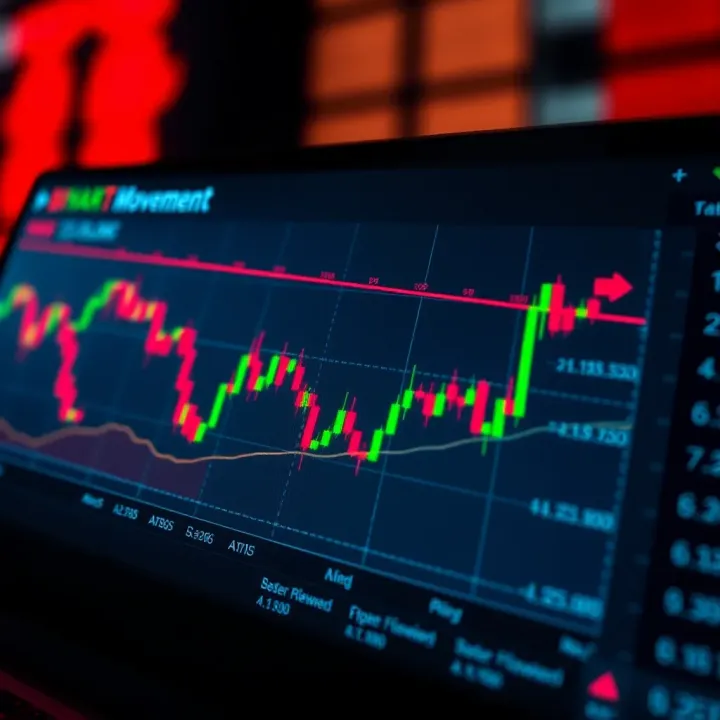
Low minimum deposits: Many binary trading platforms accept deposits as low as ₦1,000 or less, making it easier for everyday Nigerians to start without heavy capital. This low entry barrier contrasts with some stockbrokers demanding large sums, enabling more people to participate in financial markets.
Mobile and online platforms: The rise of mobile internet and affordable smartphones in Nigeria means that binary trading can be done anywhere, anytime. Platforms often have user-friendly apps that allow trading from the comfort of your home or even during a danfo ride through Lagos traffic. Such flexibility means more Nigerians can access trading opportunities without setting foot in a brokerage office.
Understanding these key appeals helps Nigerian investors assess whether binary trading suits their goals and lifestyles. Its blend of simplicity, controlled risk, and accessibility has made it a popular choice across diverse investor profiles.
Binary trading offers clear-cut opportunities, but it comes with several risks Nigerian investors must understand. Knowing these challenges helps in making better decisions and avoiding costly mistakes.
All-or-nothing payoff structure means you either get the fixed payout if your prediction is correct, or you lose your entire investment on that trade. Unlike traditional investing, where you might lose part of your stake, binary options don’t provide partial returns. For example, if you invest ₦10,000 on a call option for a stock price rise, you either gain a predetermined amount (say ₦18,000) or lose your ₦10,000. This makes it a high-stakes gamble rather than a typical investment.
This straightforward setup appeals to some traders but means the risk of losing capital is always present. You must be ready for the possibility of total loss on every trade.
Short expiry increasing volatility impact relates to how binary trades often have brief deadlines, from minutes to hours. Because of this, sudden market swings can drastically affect your trade's outcome. In Nigeria, unexpected news like changes in fuel subsidy or forex rate adjustments can send markets oscillating violently, making short-term bets risky.
Such quick expiry times make it harder to rely on fundamental analysis and increase the influence of random market jitters. Traders might see their option expire worthless simply because of minor fluctuations.
Unregulated brokers targeting Nigerian traders are a major problem. Many platforms operating in Nigeria offer binary trading but lack oversight from recognised financial authorities. Such brokers may manipulate trading software to falsify results, delay withdrawals, or vanish with traders' funds. Nigerian traders often fall prey to these scams, especially if they are tempted by promises of guaranteed returns.
This risk underlines why it's critical to research and verify a broker's credentials. Avoid platforms that do not provide transparent information or refuse to answer questions about their regulation.
Warning signs to watch out for include unusually high promised returns, pressure to invest more money quickly, lack of proper licensing information, poor customer support, and unclear trading terms. If a platform insists on deposits via obscure payment methods or delays your withdrawal requests, treat it as a red flag.
Always test a broker with small amounts first and never share personal banking details without certainty of their legitimacy.
CBN stance on binary options is quite cautious. The Central Bank of Nigeria has warned against engaging in binary options due to their speculative nature and high risk. While the CBN has not outright banned binary options, it has discouraged banks and financial institutions from facilitating payments for these trades.
This stance shows that binary trading is not mainstream or fully backed in Nigeria’s regulated financial system, adding an extra layer of risk for investors.
Importance of choosing licensed providers cannot be overstated. Nigerian traders should prioritise brokers regulated by recognised global bodies such as the UK’s Financial Conduct Authority (FCA) or Cyprus Securities and Exchange Commission (CySEC). Licensed providers tend to offer more reliable platforms, better dispute resolution, and legal recourse.
Selecting a licensed provider mitigates the risk of fraud and ensures compliance with international trading standards, giving you better protection for your ₦ investments.
Always approach binary trading with caution, knowing its risks and working only with trusted, regulated brokers to safeguard your funds.
Successful binary trading demands more than luck—it requires well-thought-out strategies that help manage risks and improve decision-making. For Nigerian investors, applying effective strategies is necessary given the volatile nature of asset prices and the all-or-nothing payout structure. This section covers core tactics essential for enhancing your edge while keeping losses manageable.
Using price charts and indicators: Price charts display the historical movement of asset prices, and analyzing these can reveal trading opportunities. Nigerian traders often use candlestick charts, which show open, high, low, and close prices within specific periods. Indicators like Moving Averages or the Relative Strength Index (RSI) help identify momentum and overbought or oversold conditions. Suppose you notice the price of crude oil consistently bouncing off a particular level—this can guide you to predict upward or downward moves in your binary trade.
Identifying trends and reversal points: Capturing price trends is critical for binary trading success. Traders look for higher highs and higher lows to confirm an uptrend or the opposite for a downtrend. Similarly, reversal points mark where the price changes direction. For example, if Nigerian naira currency pairs show a weakening trend after reaching a resistance zone, you might predict a ‘put’ option. Recognising such patterns earlier increases the chances of winning fixed-payout trades.
Setting investment limits: Sticking to a predetermined limit on how much to invest per trade helps shield your portfolio from massive losses. For instance, many seasoned Nigerian traders recommend allocating no more than 2–5% of your total trading capital to each binary trade. This control guards against the temptation to chase losses and preserves funds even when a few trades go wrong.
Diversifying trades across assets: Placing all bets on one asset increases vulnerability to sudden price swings. Diversification means spreading trades across different instruments like stocks, forex pairs, or commodities. A Nigerian investor might trade the NGX index one day, then oil or gold prices the next. This approach cushions against sector-specific shocks and steadies overall performance.
Chasing losses: Many traders fall into the trap of trying to recover losses quickly by investing more or placing reckless bets. This often leads to further losses and depleted capital. Nigerians especially should guard against this, particularly in volatile markets like forex. Taking a break after a loss helps clear the mind and avoid emotional decisions.
Overtrading: Trading too frequently may look like more opportunities but often results in poor judgement and higher transaction costs. It's better to wait for clear signals and quality setups than to jump into every price move. For instance, placing multiple trades during low liquidity times in Nigerian markets can be a sure way to lose.
Neglecting market news: Binary trades depend heavily on price movements influenced by economic data, political events, or central bank actions. Ignoring Nigerian economic indicators, CBN policy changes, or global shocks can lead to surprise losses. Staying updated allows you to anticipate volatile moments and adjust your strategy accordingly.
Careful strategy and discipline separate casual gamblers from successful binary traders. For Nigerian investors, combining technical analysis with prudent risk management and market awareness offers the best chance to make informed, profitable trades.
Selecting the right binary trading platform is a major step for Nigerian investors aiming to trade wisely. The platform serves as your gateway to the market, so it needs to offer reliability, user-friendly navigation, and smooth financial transactions. Picking a platform without careful consideration can lead to wasted time, lost funds, or exposure to scams, especially with the increasing number of brokers targeting Nigerian traders.
Trustworthiness is non-negotiable when it comes to choosing a trading platform. A reliable platform operates without constant glitches, executes your trades swiftly, and upholds the terms promised. Nigerian investors should prioritise platforms with a strong track record, positive user feedback, and clear regulation compliance. For instance, platforms licensed by reputable authorities like the UK’s Financial Conduct Authority (FCA) or CySEC tend to maintain higher operational standards.
A platform’s reputation often reflects how well it treats traders, handles disputes, and manages withdrawals. Those with regular complaints about delayed payouts or hidden charges should be avoided, no matter how attractive their offers look.
Trading platforms should offer a smooth, intuitive experience, especially for beginners or casual investors. Complex interfaces can lead to costly errors or missed opportunities. Top platforms arrange information clearly, provide helpful tutorials, and allow easy order placement with minimal clicks.
For Nigerian users, mobile responsiveness is key because many trade using smartphones. A well-designed mobile app or website that runs fast even on modest data connections will help traders manage their investments on the go, avoiding challenges like slow loading or frequent crashes.
Simple and secure payment options matter for efficient fund management. Nigerian traders benefit from platforms supporting local payment methods such as USSD codes, bank transfers from Nigerian banks, and wallet services like OPay or PalmPay. Avoid platforms that rely solely on international cards or wire transfers, as these can be inconvenient and costly.
Transparent withdrawal processes are just as vital. You should know how long it takes to access your profits and whether there are fees or limits on withdrawals. Platforms that delay payments or impose confusing conditions can drain your earnings unnecessarily.
Several global brokers have established reputations among Nigerian investors. Companies such as IQ Option, ExpertOption, and Binary.com have gained popularity due to their regulated status, transparent fee structures, and advanced trading tools. These brokers often offer demo accounts, letting you practice without risking real money.
However, not all global platforms support local payment methods or provide Nigerian Naira trading accounts. It's important to check if a broker suits your currency needs and complies with regulatory guidelines relevant to Nigeria.
Platforms that integrate easily with Nigerian banking systems simplify deposits and withdrawals. For example, being able to fund your account via USSD codes like *737# (used by some banks) helps you avoid long queues or international transaction frustrations.
Direct bank transfers within Nigeria also reduce conversion fees and speed up fund availability. This local payment focus reduces hassles and enhances your overall trading experience.
When your trades or platform functions hit snags, quick support prevents losses and stress. A binary trading platform should have responsive customer service available through live chat, phone, or email, preferably 24/7.
For Nigerian investors, support during local market hours or regions helps address challenges like transaction delays or login problems swiftly. Waiting endlessly for answers is frustrating and can undermine your trading confidence.
Nigeria’s linguistic diversity means platforms offering customer service in English plus major languages like Hausa, Yoruba, or Igbo help bridge communication gaps. Multilingual support ensures clearer understanding of terms, conditions, and troubleshooting steps, reducing misunderstandings.
Also, clear communication builds trust—especially when navigating complex issues related to payments or account verification. Platforms without this feature might leave you stranded when you most need assistance.
Choosing a reliable binary trading platform with user-friendly features, secure payments, and dependable support is essential for Nigerian traders to protect their investment and trade smartly.
Ultimately, spending time on selecting the right platform saves you from avoidable setbacks and sets you up for a smoother trading journey.
Explore binary investment basics, risks, rewards, and smart strategies ⚖️ tailored for Nigerian traders to navigate this fast-moving market confidently 📈.

Discover how binary bots work in options trading ⚙️, their risks, types, and legal issues 🇳🇬. Get tips to judge legitimacy before using them!

Explore how binary option robots 🤖 operate in trading, their risks, benefits, strategies, and tips for Nigerian traders to choose reliable tools safely.

🤖 Discover how binary bots operate in trading, their pros and cons, and smart tips for Nigerian traders to use them safely and effectively in the market.
Based on 10 reviews