
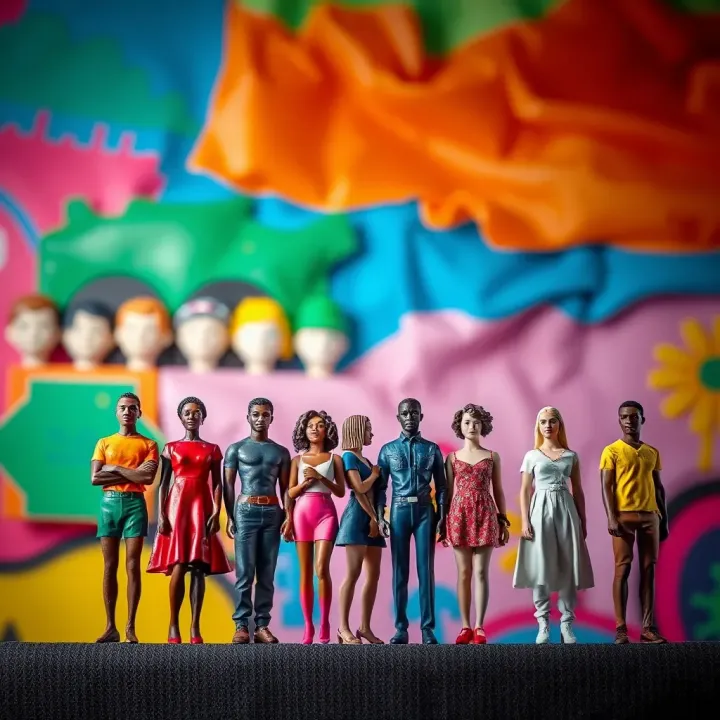
Understanding Non-Binary Gender in Nigeria
Explore non-binary gender identities beyond male and female ⚖️, including social challenges and how Nigerian society views gender diversity 🇳🇬. Learn more here.
Edited By
Isabella Martin
Non-binary celebrities are increasingly visible in Nigeria’s entertainment scene, challenging traditional ideas about gender and identity. Their presence reshapes how society talks about gender beyond the usual male-female divide. In many cases, these public figures use their platforms to educate, inspire, and advocate for acceptance in communities where conservatism still influences many people's views.
Unlike the straightforward narratives surrounding binary gender identities, non-binary celebrities navigate complex personal journeys marked by societal misunderstandings and media scrutiny. They face challenges such as misgendering, exclusion, and stereotyping, yet they continue to push boundaries in music, film, fashion, and social media.

The visibility of non-binary individuals in popular culture plays a key role in normalising diverse gender expressions, making it easier for others to embrace their true selves.
Representation on Screen and Stage: Non-binary stars in Nollywood and Nigerian music introduce stories and styles that reflect a spectrum of gender experiences, prompting conversations that were rare before.
Media Portrayal Challenges: Despite progress, Nigerian media sometimes sensationalises or misrepresents these celebrities, affecting public perception negatively. Correcting this is vital for genuine inclusion.
Social Media Influence: Platforms like Instagram and Twitter give non-binary celebrities direct access to their audience, allowing them to control their narrative and foster communities around gender acceptance.
Non-binary celebrities influence more than just entertainment; they affect social norms and policies related to gender identity. Their visibility helps push civil society organisations and policymakers to consider more inclusive approaches. For example, conversations around school curriculums and workplace policies increasingly acknowledge gender diversity partly due to public personalities championing these causes.
In essence, non-binary celebrities in Nigeria are not just entertainers but vital agents of social change. Their impact resonates beyond the red carpet into everyday life, encouraging Nigerians to rethink gender identity with more empathy and openness.
Grasping what it means to be non-binary is essential in unpacking the growing visibility of non-binary celebrities in entertainment and society. It sheds light on broader conversations about gender diversity, challenges traditional binaries, and fosters respect for everyone's experience. For traders, investors, or analysts, this understanding can influence how media, brands, and cultural products resonate with evolving social values that affect markets.
Non-binary refers to people whose gender identity does not fit neatly into the categories of male or female. Unlike the binary concept, non-binary individuals might identify as both, neither, or somewhere along the gender spectrum. This idea helps break outdated norms that limit people’s expression to strict categories. For example, a Nigerian actor who identifies as non-binary might choose pronouns like "they/them" instead of "he" or "she," challenging how society usually labels gender.
Though related, non-binary is distinct from transgender. Transgender people have a gender identity differing from their sex assigned at birth, but usually within the male-female binary. Non-binary people don’t strictly identify as either male or female, which may or may not involve medical or social transition. Understanding this difference is useful to avoid lumping all gender-nonconforming identities into one group, which can obscure individual experiences and needs.
Gender exists on a spectrum, not as fixed points. This means identities can blend, shift, or resist labels altogether. Non-binary identities reflect this fluidity, making space for people to express themselves without rigid boxes. This perspective encourages inclusivity in workplaces, media, and social policies, influencing consumer behaviour and public discourse around gender norms.
Historically, Nigerian societies have clear roles for men and women, shaped by cultural practices and community expectations. For example, in many ethnic groups, men are seen as providers while women manage the home and social rituals. These roles have often restricted gender expression and reinforced binary thinking, complicating acceptance of non-binary identities.
Colonial rule imported Western gender binaries and Christian moral codes to Nigeria, which hardened traditional fluid gender roles that existed before. These influences introduced stricter legal and social penalties for gender non-conformity, which still linger today. Recognising this helps explain some societal resistance non-binary people face and the importance of contextualising gender issues within Nigeria’s history.
Today, attitudes are gradualy shifting as younger Nigerians engage with global ideas through social media, arts, and activism. While many still hold conservative views, there is increasing visibility of non-binary individuals and discussions about gender diversity in urban centres like Lagos and Abuja. This slow change has implications for media representation, inclusive marketing, and policy debates concerning human rights and social cohesion.
Understanding non-binary identity is not just about recognising personal differences; it's about aligning cultural narratives with evolving realities that affect society, markets, and governance.
By recognising non-binary identity’s complexity and cultural context, you better appreciate the challenges and contributions of non-binary celebrities shaping Nigeria’s entertainment industry and wider society.
Understanding the profiles of prominent non-binary celebrities gives practical insight into how they challenge traditional gender norms and influence public opinion. Their visibility in entertainment not only fosters awareness but also offers role models for those grappling with gender identity. For traders and investors, recognising this cultural shift is key as it influences consumer behaviour, media trends, and brand alignment strategies in Nigeria and beyond.
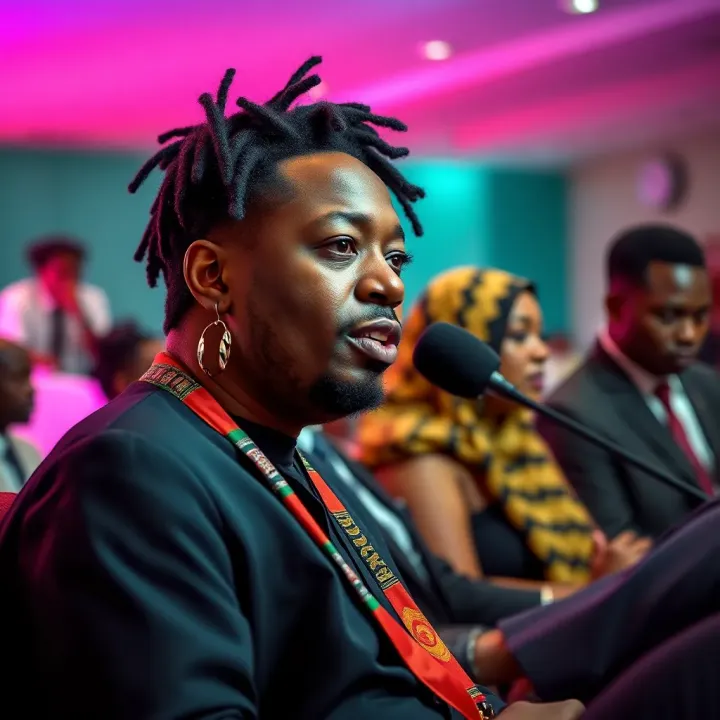
Several actors and musicians openly identify as non-binary, using their platforms to normalise gender diversity. For instance, Sam Smith and Demi Lovato have publicly shared their non-binary identities, which has expanded the conversation in global entertainment circles. Their openness helps break down stereotypes and signals to global media the importance of inclusive representation.
Such figures significantly influence global conversations about gender by sparking debates and policy discussions beyond entertainment. Their visibility forces industries to reconsider binary classifications in casting, marketing, and talent management. In investment terms, this shift is reflected in rising demand for inclusive content and products, signalling potential market opportunities.
Public advocacy by non-binary celebrities often involves participation in campaigns and speaking engagements that promote LGBTQ+ rights. These acts are more than symbolic; they mobilise support and affect public policy discourse. For example, model Indya Moore uses their influence to raise awareness about gender inclusivity and healthcare access, impacting both social attitudes and philanthropy.
In Nigeria and Africa, artists and entertainers are challenging long-held gender conventions. Musicians like Lady Donli and actors such as Jumoke Technically use their work to question rigid gender roles. Their efforts resonate deeply within local and diasporic communities, creating new spaces for non-binary expression that were previously marginalised.
Visibility in Nigerian media remains limited but is steadily improving, with podcasts, online shows, and social media platforms offering platforms for non-binary voices. This growing presence challenges the traditional narratives and offers Nigerians exposure to gender diversity, encouraging broader acceptance.
The role these figures play in promoting gender inclusivity goes beyond entertainment; they are often involved in grassroots advocacy and supportive networks. By highlighting non-binary identities in public discourse, they help destigmatise gender non-conformity and inspire institutional conversations, which can influence workplace policies and social attitudes, key for sustainable progress.
Recognising non-binary celebrities is not just about representation; it reflects a societal shift affecting markets, media, and cultural dynamics relevant to investors and analysts watching Nigeria’s evolving social landscape.
Non-binary celebrities impact consumer trends and brand strategies.
International non-binary figures influence policy and entertainment globally.
Nigerian and African talents are reshaping local perceptions and media narratives.
Their advocacy encourages institutional inclusivity and social change.
Understanding these profiles equips professionals to better interpret cultural shifts affecting Nigerian society and economy.
Non-binary celebrities in Nigeria and beyond face unique hurdles that affect both their public and private lives. These challenges often stem from misunderstanding, limited visibility, and the legal and social environment. Exploring these obstacles helps us grasp the difficulties that accompany their push for acceptance and equal representation.
Stereotypes and misinformation frequently distort the image of non-binary individuals. Many media outlets rely on outdated or incorrect ideas about gender identity, reducing non-binary people to caricatures or confusing them with transgender identities. In Nigeria, where awareness is still growing, such misrepresentation fuels ignorance and prejudice. For instance, mistaken labels or misgendering in interviews can damage a celebrity’s credibility and reinforce harmful stereotypes to the public.
Limited media coverage in Nigeria further complicates matters. Non-binary stories are rarely told in mainstream Nigerian media, which prefers binary gender narratives reflecting traditional societal norms. When non-binary celebrities emerge, coverage is often superficial or sensationalised, focusing on their gender identity rather than their talent or achievements. This narrow framing restricts public understanding and prevents meaningful discussions about gender diversity in Nigerian society.
Impact on public perception is significant because media shape how society views non-binary people. When coverage is scarce or skewed, many Nigerians hold biases or simply don't understand non-binary identities. This gap slows social acceptance and heightens stigma. For example, a non-binary actor might be widely known but misunderstood by fans and advertisers, limiting support and endorsements that could advance their career.
Stigma and discrimination within society pose daily risks. Nigerian culture, largely conservative, often views non-binary identities as taboo or moral failings. This leads to name-calling, exclusion, and even threats against celebrities who publicly identify as non-binary. Such social rejection affects mental health and limits networking opportunities necessary for career growth.
Lack of legal recognition for non-binary identities is another barrier. Nigerian law does not acknowledge gender beyond the male/female binary, affecting official documents like passports and driver's licences. A celebrity who identifies as non-binary may face mismatched identity papers, complicating travel, contracts, or engagements abroad. Without legal safeguards, they remain vulnerable to discrimination without recourse.
Effect on career opportunities and personal safety cannot be overstated. Employers and promoters might hesitate to work with non-binary celebrities due to perceived controversy or fear of backlash from customers and sponsors. Moreover, public figures risk harassment and violence from individuals or groups hostile to gender non-conformity. Safeguarding both livelihood and wellbeing requires navigating these threats tactfully, often at great personal cost.
Non-binary celebrities in Nigeria contend with layers of misunderstanding and legal gaps that affect how society treats and values them.
Understanding these challenges highlights the courage non-binary figures exhibit in stepping into the spotlight. It also emphasises why greater media accuracy, legal reforms, and social support are not just fair but necessary for progress.
Non-binary celebrities carry significant weight in pushing inclusivity within both entertainment and wider society. Their visibility challenges rigid gender norms that often exclude many Nigerians who do not fit neatly into male or female categories. For investors and analysts, understanding this evolving narrative is key given its ripple effects on media, fashion industries, and consumer behaviour patterns.
Campaigns and public discussions led by non-binary celebrities have become vital platforms for raising awareness about gender diversity. For example, Nigerian artists who openly identify as non-binary engage audiences through interviews, social media, and public panels, sparking conversations that would otherwise remain hidden. These discussions break stereotypes and encourage acceptance by educating both younger and older generations on fluid gender identities.
Supporting LGBTQ+ organisations in Nigeria remains a practical avenue where celebrities contribute beyond words. Many collaborate with grassroots NGOs, providing funding or visibility for programs that offer counselling, legal aid, or safe living conditions for LGBTQ+ persons. This backing helps strengthen the fragile support systems essential in a country where laws and social attitudes often marginalise these communities.
Creating safe spaces in entertainment involves non-binary artists fostering environments where all gender expressions are welcome without fear of discrimination. This can be seen in independent film projects or music festivals that actively feature diverse gender identities, encouraging inclusion while providing career platforms for non-binary talents. Such spaces improve mental health and professional prospects for individuals otherwise excluded.
Breaking traditional gender norms in style is one way non-binary celebrities reshape cultural perceptions. By blending masculine and feminine aesthetics, they inspire Nigerian fashion designers and consumers to experiment beyond conventional choices. This shift not only creates new market segments but also influences brands to adopt more inclusive product lines, appealing to a broader group.
Non-binary narratives in storytelling enrich Nigerian media with fresh perspectives rarely seen before. Incorporating characters or real-life stories of non-binary individuals in Nollywood or online platforms challenges the dominant binaries and fosters empathy. These narratives also encourage scriptwriters and producers to embrace diversity as a creative strength rather than a niche demand.
Impact on younger generations is profound as young Nigerians begin to see identities beyond the binary. Role models from entertainment give them permission to express themselves authentically, reducing isolation and boosting self-esteem. This cultural shift also influences education and youth advocacy groups, which increasingly include gender diversity in their outreach and programmes.
Non-binary celebrities do not just represent themselves; they advocate a broader acceptance that transforms industries and reshapes Nigeria’s social fabric. Their influence extends to multiple sectors that investors and analysts should watch closely, reflecting broader consumer and cultural changes.
In summary, the role of non-binary celebrities in promoting inclusivity extends beyond personal visibility. They engage actively with communities, reshape industries, and empower younger generations, contributing to measurable social progress and economic opportunities linked to diversity and representation.
As Nigeria’s cultural and legal landscapes evolve, understanding the future of non-binary acceptance and progress becomes a key issue. For investors and stakeholders, recognising shifts in social attitudes and policies can indicate emerging markets in media, fashion, and technology targeting gender diversity. Nigerian celebrities openly embracing non-binary identities are part of this change, pushing conversations into mainstream spaces that were once reluctant to acknowledge gender beyond the male-female binary.
Dialogue around gender identity has gained momentum in Nigerian society, partly due to younger generations challenging established norms. While many still hold conservative views, online platforms and urban centres are witnessing more open discussions about what it means to identify as non-binary. This has practical impacts: brands and entertainment industries increasingly consider gender diversity in their messaging, recognising the economic potential and social responsibility.
For example, Lagos-based fashion labels have started featuring gender-neutral collections, reflecting a shift in consumer demand. Such developments show that the conversation is not just theoretical but influences real business dynamics. This openness also helps reduce stigma, encouraging more Nigerians to express their identities candidly.
Local media has slowly broadened its coverage of gender identity and non-binary issues, moving beyond sensationalism to more thoughtful reporting. Newspapers and entertainment shows now include interviews with non-binary public figures, providing nuanced perspectives rather than stereotypes.
This expanding coverage helps normalise non-binary identities and informs the public, indirectly supporting social acceptance that investors and media houses can tap into. Yet, coverage remains uneven across regions and platforms, highlighting an area for growth and investment, especially in digital media.
Social media plays a critical role in visibility and advocacy for non-binary Nigerians. Platforms like Twitter, Instagram, and TikTok offer spaces where individuals share experiences, raise awareness, and build communities regardless of mainstream media limitations.
These platforms also attract brands eager to engage younger, socially aware audiences by promoting inclusivity. For example, campaigns by Nigerian fintech startups and lifestyle brands have embraced gender-neutral messaging on social media, signalling a strategic response to changing consumer values.
Nigeria’s laws currently do not recognise non-binary gender identities legally. The country’s identification documents and legal systems rely on the binary male-female classification, creating barriers for non-binary people in accessing rights related to healthcare, education, employment, and legal recognition.
This lack of legal recognition also poses risks in discrimination, complicating efforts to address workplace equality or protection from harassment. For businesses and investors, this gap suggests caution but also signals areas where advocacy and engagement may open new fronts for policy reform.
Though formal recognition is limited, pressure is growing from civil society groups and international bodies to update legal frameworks. Some Nigerian human rights organisations have started campaigns pressing the government to recognise diverse gender identities in national policies.
If successful, these efforts could introduce legal protections against discrimination and promote equal opportunities, which could improve the working environment for non-binary individuals. For companies operating locally, such changes would affect human resource policies, compliance, and corporate social responsibility programmes.
Global human rights frameworks increasingly acknowledge non-binary identities, which influences Nigeria through diplomatic channels and international partnerships. Countries advancing legal recognition and protection set precedents that Nigerian policymakers cannot easily ignore.
This international trend also affects funding and support for Nigerian NGOs advocating for gender inclusivity. For investors, aligning strategies with these global shifts offers long-term advantage, especially in sectors like entertainment, tech, and consumer goods that respond quickly to social trends.
Embracing non-binary visibility and progress is not just a social matter but a strategic consideration for those involved with Nigeria's evolving cultural economy.
Explore non-binary gender identities beyond male and female ⚖️, including social challenges and how Nigerian society views gender diversity 🇳🇬. Learn more here.
Discover how binary options logos affect trader trust in Nigeria. Learn design elements, brand impact, and tips to spot reliable platforms in this growing market 📈🛡️
Explore the meaning of non-binary identity beyond male and female 🏳️⚧️, understand challenges, Nigerian cultural views, and evolving social recognition today.

Master binary multiplication in easy steps! Learn how base-2 maths works, see real computing uses, and get practical tips for handling this vital digital skill 💻✍️
Based on 11 reviews