
Effective Forex Trading Strategies for Nigerians
Discover top forex trading strategies 📈 tailored for Nigerians 🇳🇬. Learn to blend technical and fundamental analysis with risk management for steady profits.
Edited By
Sophie Grant
Forex trading in Nigeria has gained massive attention over the past decade. With Nigeria's growing internet penetration and mobile connectivity, more Nigerians are trying their hands at currency trading. But with opportunities come challenges—volatile market swings, currency fluctuations, and the need for sound strategies tailored to local conditions.
This article dives into practical strategies Nigerian traders can apply to navigate the forex market with more confidence. We'll cover essential topics like risk management, technical and fundamental analysis, and building a trading plan that suits the Nigerian economic environment.
By understanding these core areas, traders and investors can avoid common pitfalls such as overtrading or poor money management, which often lead to losses. Whether you’re a beginner or already active in the market, this guide offers clear, actionable advice to help improve your forex trading results.
Successful trading requires more than luck—it needs discipline, knowledge, and a strategy that fits your unique situation.
Through real examples and straightforward explanations, the goal is to equip Nigerian traders with tools that can realistically boost their chances of making consistent profits in forex market conditions influenced by both local and global factors.
Grasping the fundamentals of forex trading is indispensable for anyone aiming to succeed, especially in Nigeria's dynamic forex scene. Without a solid foundation, even the best strategies can fall flat. This section breaks down the essential elements, giving a clear snapshot of what forex trading entails and why it matters.
Forex, short for foreign exchange, involves buying one currency while simultaneously selling another. It’s the world's largest financial market, with an estimated daily turnover of over $6 trillion. This market operates over-the-counter, so it has no centralized exchange, which means it functions 24/5 across different global financial centers. For Nigerian traders, forex opens doors to profit opportunities by taking advantage of currency value fluctuations caused by economic events, geopolitical shifts, or market sentiment.
Currencies are traded in pairs like EUR/USD or USD/NGN, meaning you’re betting on the relative strength of one currency against the other. For example, if you believe the US dollar will strengthen compared to the Nigerian naira, you’d buy USD/NGN. The first currency is the base, and the second is the quote. Understanding the types of pairs—majors, minors, and exotics—helps traders pick those with better liquidity and tighter spreads, which can make a big difference in costs and potential profit.
Forex markets never sleep, but activity varies by session: Asian, European, and US trading hours. Each offers unique volatility and volume patterns. For instance, the London and New York sessions overlap, typically bringing the most price movement. Nigerian traders often find the London session aligns well with their local time, offering good liquidity. Picking the right time to trade can influence the success of your trades, as some currency pairs move more during specific sessions.
This group includes individual traders like you and me, trading from computers or smartphones. Retail traders contribute to market liquidity but generally face challenges like limited access to interbank rates and higher spreads. In Nigeria, retail trading has surged in popularity thanks to online brokers and mobile technology, but it requires careful education and discipline to avoid common pitfalls like overtrading.
Big players like banks, hedge funds, and brokerage firms handle massive volumes daily. Their trades can move markets, especially in less liquid pairs. Financial institutions have access to deeper market insights and tighter spreads, giving them an edge. Observing their actions via price patterns or volume can give clues about the bigger picture for retail traders.
These are the heavyweights in forex. Central banks like the Central Bank of Nigeria influence currency values directly through interest rate policies and interventions. For instance, when the CBN adjusts monetary policy or intervenes to stabilize the naira, it can lead to swift moves in EUR/NGN or USD/NGN. Understanding their role helps traders anticipate certain market moves tied to national economic goals or political agendas.
Knowing who’s behind the market moves provides perspective that can shape smarter trading decisions. Whether you're trading naira pairs or more liquid majors, the reasons behind the price moves matter.
Having a good handle on these basics lays the groundwork for deeper strategies on risk management, technical, and fundamental analysis—next steps on the road to trading success.
Building a solid trading plan is like laying the foundation of a house. Without it, your efforts in the forex market might collapse at the first sign of market turbulence. For Nigerian traders, having a clear plan tailored to local economic factors and market conditions is essential. It helps you stay focused, avoid chasing every market move, and measure progress with realistic benchmarks.
A good trading plan outlines your goals, preferred trading style, risk limits, and how you react to changing conditions. It equips you to make decisions based on facts, not emotions — a common pitfall many new traders face. Plus, with the naira’s fluctuations and regional financial developments, a thoughtful plan helps you navigate more confidently.
Setting profit targets is not about dreaming big but about aiming for achievable returns. For example, instead of hoping to double your account every month (which rarely happens), you might set a goal to grow your capital by 3-5% monthly. This keeps expectations in check and discourages reckless trades.
Profit targets should be specific and measurable. Say you start with 100,000 NGN; a 5% monthly goal means you’d aim to make 5,000 NGN per month. This encourages discipline and helps you track what’s working. Over time, these small gains compound to substantial profits.
One practical tip is to tie profit targets to your trading style. Scalpers, who take many small trades, might set modest daily targets, while swing traders, holding positions for days, focus on larger, less frequent gains.
Forex trading isn’t a get-rich-quick scheme, especially in Nigeria, where market hours and available trading time vary depending on your daily routine. Be honest about how much time you can dedicate.
If you’re working a full-time job, day trading might demand more hours than you can realistically provide, leading to stress and poor decisions. So, setting a time commitment upfront helps align your trading style with your lifestyle. For instance, dedicating 30 minutes each evening for analysis and trade management might suit swing trading better than day trading.
Keep in mind that patience plays a big role here. Building skills and seeing consistent profits can take months. Tracking how your time investment matches your results helps you adjust goals fairly and avoid burnout.
Day trading involves opening and closing positions within the same day. Scalping is an even faster version, where trades last a few minutes or seconds. These styles require quick decision-making and constant market monitoring.
For Nigerian traders with access to reliable internet and a keen eye for charts, day trading can be rewarding but demanding. Since the market runs 24 hours, catching the most volatile sessions aligned with Nigerian time — like London and New York openings — is vital.
A downside is the high stress and transaction costs. Without strict discipline, losses can pile up quickly. Day traders often rely heavily on technical indicators like moving averages and RSI to act fast.
Swing trading involves holding positions from a few days to a couple of weeks. It suits traders who can’t watch the screen constantly but still want to capitalize on short- to mid-term trends.
This style works well in Nigeria due to less demand for nonstop market attention. Swing traders can be more selective with trades, focusing on economic events like Nigerian PMI releases or central bank decisions, to inform entries and exits.
Because trades last longer, position size and stop losses must be carefully managed to withstand interim market noise. Swing trading offers a smoother ride than scalping but requires patience.
Position trading is a long-term approach where trades are held for weeks, months, or even years. It’s ideal for those who prefer to analyze fundamental factors over technical ones.
In Nigeria, position trading can be a smart way to play major trends influenced by economic cycles, like shifts in oil prices impacting the naira. You might buy USD/NGN anticipating devaluation trends or adjust based on government policy announcements.
While this style demands less screen time, it requires strong conviction and the ability to ignore short-term market noise. Position traders often use fundamental analysis tools more than rapid chart patterns.
Developing a plan focused on realistic profit goals, a time commitment that fits your life, and a trading style that matches your personality and resources will set you up better than chasing quick wins. Remember, consistency beats flashy gains every time.
Risk management is the backbone of any successful forex trading strategy, especially in Nigeria's dynamic market environment. Without proper risk controls, even the most promising trades can quickly turn into significant losses. The core idea is simple: protect your trading capital while giving yourself room to grow. This means knowing when and how much to risk on each trade, setting limits that prevent emotional decisions, and safeguarding your profits.
Losses are part and parcel of forex trading, but what separates seasoned traders from novices is how they minimize these losses. Avoiding large losses isn't just about limiting damage—it’s about ensuring you have enough capital left to continue trading and learning. For instance, if you enter a trade without a stop-loss order, a sudden market move could wipe out a sizeable chunk of your account. Practical risk management says keep your risk per trade to a small percentage of your total capital—many experts recommend 1-2%. That approach acts like a shock absorber so you're not thrown off track by one bad trade.
Think of your trading capital as fuel for a long drive. Burn through it too fast, and you won't get far. Preserving your trading capital means making conservative decisions that keep you in the game over the long haul. For example, don't chase after high-risk setups just because you're eager to recover losses—this leads to reckless decisions. Instead, use strategies like diversification and position sizing to make measured, consistent trades. By doing this, your money lasts longer, giving you more opportunities to profit.
Locking in profits isn’t a sign of weakness—it’s smart trading. Setting take-profit levels helps you automatically close trades at a desired profit point, stopping greed from eating away your hard-earned gains. For example, if you buy USD/NGN anticipating it will rise 2%, setting a take-profit order at that level ensures you exit once your target is reached. This lets you walk away with your profit even if the market reverses later.
A stop-loss order acts like a safety net. By predefining where you’ll cut losses, it prevents emotions from making you hold on too long to a losing position. Consider a trade on EUR/USD where you set a stop-loss 50 pips below your entry. If the price falls to that point, your trade closes, limiting your loss. This discipline guards your capital and prevents small losses from snowballing into catastrophic ones.
Knowing how big a position to take is key. Position sizing depends on how much of your account you're willing to risk on a trade, which varies by individual comfort levels. Let’s say you have ₦500,000 and decide to risk 1% per trade—that equals ₦5,000 risk. If your stop-loss distance is 100 pips, your position size should be set so that a 100-pip move equals ₦5,000 loss. Calculating this precisely helps avoid overexposure.
Volatility can make markets swing wildly. When trading pairs like GBP/JPY, which are known for big moves, it’s wise to reduce position size to reflect higher risk. Conversely, with more stable pairs like USD/CHF, you might afford larger positions. Adjusting your exposure based on current market conditions can help avoid surprise losses, keeping your trading strategy resilient through ups and downs.
Managing risk well isn't about avoiding losses completely—it's about controlling them so you stay in the game longer and keep your trading strategy on solid footing.
Well-executed risk management techniques give Nigerian forex traders peace of mind and a much better chance of long-term success. Focus on avoiding big losses, safeguarding your capital, and sizing positions wisely—these simple but effective steps can make all the difference.
Technical analysis is a cornerstone for many successful forex traders, especially in the Nigerian market, where local economic events can cause sudden price swings. The approach focuses on studying price charts and volume data to make informed predictions about future market movements. Instead of guessing, traders use technical tools to spot patterns and trends that reveal the underlying momentum of currency pairs.
Using technical analysis effectively means understanding not only the tools but also the market context. For example, a trader in Lagos monitoring the USD/NGN pair may notice price reacting strongly to Nigeria’s central bank announcements. By using technical analysis, the trader can identify strategic entry and exit points that balance risk and reward.
Trendlines and channels are fundamental in visualizing where the market is headed. A trendline is drawn by connecting consecutive lows in an uptrend or highs in a downtrend, giving traders a clear line of support or resistance. Channels expand this idea by drawing a parallel line opposite the trendline, forming a corridor within which price moves. Traders in Nigeria often use these to spot breakout opportunities—like when the Naira suddenly strengthens against the Dollar, breaking out of a downward channel.
Knowing how to apply trendlines helps avoid chasing the market. For example, if the price repeatedly bounces off a trendline but fails to break it, entering trades on each bounce could net consistent gains. Channels give a clearer picture by marking both the ceiling and the floor, making it easier to set stop-loss orders.
Support and resistance levels act like invisible walls in the market where prices tend to stop and reverse. Support marks a price floor where more buyers step in, while resistance is a ceiling where sellers take control. Nigerian forex traders pay attention to these levels especially when trade volumes surge around economic reports.
To use these levels effectively, observe past price action—where did the market stall or reverse? These natural barriers can signal smart places to place buy or sell orders or to tighten stops. For instance, if USD/NGN falls towards a well-established support, a trader might expect a bounce, making it a potential buy zone.
Moving averages simplify the noise of intraday price movements by smoothing out fluctuations to reveal the trend’s direction. The most common are the Simple Moving Average (SMA) and Exponential Moving Average (EMA). Nigerian traders use them to identify crossover points as trade signals. For example, when the short-term EMA crosses above the long-term SMA, it may hint at an upward trend beginning.
Benefits of moving averages include clear visuals and adaptability to various time frames, whether you trade the volatile Nigerian market daily or hold positions longer.
Relative Strength Index (RSI) measures the magnitude of recent price changes to evaluate overbought or oversold conditions. It moves between 0 and 100; RSI above 70 often signals overbought markets, while below 30 suggests oversold conditions. For Nigerian traders, RSI can be useful during periods of sharp currency moves—say, during political uncertainty when the market could be overstretched.
Applying RSI helps avoid buying at tops or selling at bottoms by providing momentum confirmation. However, RSI works best combined with other tools, like support and resistance, to avoid false signals.
MACD (Moving Average Convergence Divergence) combines trend following and momentum in one indicator. It tracks the relationship between two EMAs and generates buy or sell signals through crossovers and divergences. Nigerian traders value the MACD for spotting shifts in market momentum during event-driven periods like budget announcements.
The MACD line crossing above the signal line can point to a bullish signal, suggesting upward momentum is picking up. Conversely, a crossover below signals selling pressure. Adding a histogram shows the strength of the move, giving traders more nuance to their decisions.
Effective use of technical analysis tools boils down to understanding their signals, combining them smartly, and always validating with real market conditions.
By mastering trendlines, support/resistance, and key indicators like moving averages, RSI, and MACD, traders in Nigeria can better navigate forex’s ups and downs. This knowledge not only sharpens entry and exit timing but also improves overall confidence amidst the market’s unpredictability.
Fundamental analysis plays a vital role in forex trading, especially for Nigerian traders who want to make sense of currency movements beyond charts and numbers. It’s about looking at the bigger economic picture and understanding what’s driving the demand and supply for currencies. By paying attention to economic health, political shifts, and other macro factors, traders can make better-informed decisions rather than just guessing.
The real edge here comes from knowing what's happening in the world outside the charts—things like Nigeria’s inflation trends or U.S. interest rate changes. This helps traders anticipate when a currency might surge or drop. It’s not foolproof, but combining fundamentals with technical insight can avoid some nasty surprises.
These indicators are like a currency’s report card. GDP shows how fast a country's economy is growing. For instance, if Nigeria's GDP growth stops or slows down, the Naira could weaken against other currencies because investors may see less opportunity there.
Inflation is the sneaky villain affecting currency value. High inflation usually means prices are rising quickly, which can erode purchasing power and make a currency less attractive. For example, Nigeria’s inflation hitting double digits often pressures the Naira down.
Interest rates, set by central banks, impact money flow. Higher rates generally attract foreign investors looking for better returns, thus strengthening the currency. When the Central Bank of Nigeria hikes rates, traders often expect the Naira to benefit. But keep in mind, sudden hikes could also slow economic growth.
Understanding these indicators allows you to predict how currencies might move and helps set up better trades. Monitoring Nigeria’s National Bureau of Statistics or reliable global sources for regular GDP, inflation, and interest reports is a practical step.
Central banks hold the reins on monetary policy and their announcements often move forex markets immediately. When the Central Bank of Nigeria (CBN) makes a statement or decision — like altering interest rates or adjusting foreign reserves policies — traders get an important clue about the currency’s future.
Sometimes, the impact is swift and sharp. For example, a surprise interest rate cut might spark a sell-off in the Naira, while signaling tightening measures could boost it.
To make the most of these announcements, keep an eye on scheduled CBN meetings and press releases. Watching how past announcements affected the market helps build instincts for predicting market reactions.
An economic calendar is like your trading weather report—it shows upcoming events that are likely to shake the forex market. These calendars list data releases, central bank talks, elections, and other key events with expected impact levels.
For Nigerian traders, this means you get a heads-up on when the CBN might announce a decision or when global events like U.S. non-farm payroll figures are due. Preparing in advance prevents getting caught off-guard.
Most trading platforms provide reliable economic calendars. Make it a habit to check them daily, note the events with high impact, and plan your trades accordingly.
Forex markets hate uncertainty and political drama can really stir the pot, especially in countries like Nigeria where elections, policy changes, or external relations sometimes cause sharp moves.
Consider how Nigeria’s general elections or shifts in oil export policies influence the Naira. Investors get cautious before major political events, sometimes leading to volatility.
Geopolitical factors from outside Nigeria—like trade disputes between the U.S. and China—also ripple through forex markets. Knowing about these tensions helps traders avoid emotional decisions.
Keeping up with trusted news sources and political analysis helps you stay informed. When you spot a brewing crisis or policy shift early, you can steer your trades more confidently.
Mastering fundamental analysis is about patience and observation. It won't always signal the exact moment to buy or sell, but it gives you a solid foundation to understand why the market moves the way it does, helping you avoid wild guesses and build a smarter trading approach.
By carefully blending economic indicators, central bank insights, and current affairs into your trading routine, you'll move beyond the noise and make decisions rooted in real-world facts, which has proven essential for sustainable forex trading success in Nigeria.
Trading forex isn't just about charts and numbers; it's often more a battle against your own mind than the market itself. Psychology and discipline play a huge role in ensuring long-term success, especially in fast-moving markets like Nigeria's forex environment. When emotions like fear or greed overpower a trader, even the best strategies can fall apart. Discipline keeps you anchored, helping you stick to your plan rather than chasing after every sudden market movement.
Strong psychological control helps traders avoid costly mistakes and stay on course when things don’t go as planned. For example, a trader might panic and close a position too early, missing out on a rebound, or get greedy and take an uncalculated risk that wipes out gains. Maintaining discipline means making decisions based on your strategy and data, not emotions.
Recognizing fear and greed is a vital step. These emotions can cloud your judgment significantly. Fear often manifests as hesitation or premature exits, causing missed opportunities. For example, if the Naira suddenly weakens during a political event and a trader hastily sells off positions without evaluating the bigger picture, they might lock in losses unnecessarily. On the flip side, greed can push you to overtrade or increase risk to chase higher profits, which often leads to big setbacks.
One way to keep these feelings in check is to pause before making a trade—ask yourself if the decision suits your plan or if you are reacting to a gut feeling. Practicing mindfulness or even setting specific rules, like only trading during certain hours, helps manage these impulses.
Sticking to your strategy means following your trading plan no matter what noise the market makes. It’s tempting to deviate after hearing one loud tip or seeing a big move, but this can quickly erode your progress. Say you planned a swing trade targeting the USD/NGN pair based on technical signals; abandoning your setup just because the price dips a little might turn a winning trade into a loss.
Commitment to your strategy includes setting stop-losses and take-profits clearly and not moving them out of fear or greed. This way, your trades respect the risk limits you've chosen rather than emotional whims.
Keeping a trading journal is a surprisingly effective habit many forget. Writing down your trades, reasons for entry and exit, and post-trade reflections provide clarity and help recognize patterns in your behavior—both good and bad. For instance, a trader might notice they consistently perform worse when rushing trades in the afternoon or when they skip their morning analysis routine.
This journal acts as a personal coach, nudging you to stay mindful and improve over time. Nigerian traders especially can benefit from this because the local market can be volatile, and tracking every nuance helps reduce guesswork.
Reviewing and adjusting your approach is about learning from those journal entries and market experience. Forex isn’t static; what worked a year ago may no longer be effective. Regularly analyzing your results and tweaking your strategy ensures you stay relevant and effective.
If you find your trading style doesn’t fit well with the Nigerian market’s typical volatility or that certain pairs behave unpredictably around economic announcements, adapt by adjusting your risk levels or trade timing. This practice keeps you flexible and resistant to stubbornly sticking to losing strategies.
Consistency and discipline in trading turn small wins into steady growth, while emotional control guards against the common pitfalls that can turn profits into losses.
In short, psychology and discipline form the backbone of successful forex trading. Mastering this area may be less flashy than mastering technical skills, but it is equally, if not more, important—especially for traders operating within Nigeria’s complex market landscape.
Picking the right forex broker is a make-or-break decision for any trader, especially in Nigeria where the market has plenty of options but varying levels of trustworthiness. Your broker isn't just the middleman for trades; they're the gateway to the entire forex market experience. This choice affects everything from trade execution speed to your security and ability to access analytical tools. A careless pick can lead to unnecessary headaches—delayed withdrawals, unexplained charges, or even outright fraud.
The first checkpoint is reputation. A reputable broker sticks out not just by how slick their website looks but through a strong track record of transparency and reliable customer service. Names like FXTM and IG Markets are quite well-regarded by Nigerian traders for their credibility and straightforward dealings. Avoid brokers that promise sky-high returns with no risks—those are usually red flags.
Always check if the broker is transparent about their fees, spreads, and whether they execute trades fairly. For instance, brokers who operate dealing desks might generate conflict of interest, so knowing your broker’s business model helps.
Regulation is the backbone of a safe trading environment. In Nigeria, the Securities and Exchange Commission (SEC) oversees forex brokers. They ensure brokers comply with rules meant to protect traders. Before depositing your funds, verify the broker’s license through SEC’s official records or trusted financial watchdogs like the Financial Conduct Authority (FCA) in the UK or the Cyprus Securities and Exchange Commission (CySEC) if the broker is international.
Regulated brokers in Nigeria usually follow strict guidelines around client fund segregation and transparent reporting. This means your money is kept separate from the broker’s operational funds, reducing risk if things go south. One practical tip: if you come across a broker operating without clear, verifiable licensing, it’s best to steer clear.
Once you've nailed down the broker’s credibility, the trading platform is the next critical piece. A straightforward, user-friendly interface makes managing trades, tracking market moves, and executing orders smooth and less stressful. Platforms like MetaTrader 4 and 5 remain popular because they balance powerful functions with intuitive layouts even beginner traders can handle.
For Nigerian traders, having a platform optimized for mobile is a big plus given the widespread smartphone use. Imagine trying to close a losing trade quickly on a clunky app—frustration guaranteed. Make sure your broker offers a platform that lets you monitor your trades clearly, navigate quickly, and doesn’t freeze during volatile market moments.
No trader, whether newbie or seasoned, thrives without the right tools to analyze the market. Access to robust charting tools, technical indicators (like RSI, MACD), and real-time news feeds enhances your decision-making capabilities. Some brokers bundle this with educational resources and demo accounts to let you test strategies before risking real cash.
For example, AvaTrade provides excellent integrated tools and an economic calendar so you can stay on top of major events affecting currency moves. Nigerian traders should look for brokers that offer these features without hidden fees or restrictions.
Choosing a broker is not about picking the flashiest or cheapest option. It's about trust, security, and having the practical tools you need to make smart trades. Spend time vetting brokers carefully and test their platforms before committing your funds.
In short, the right broker provides a secure, transparent environment and a platform tailored to your trading style — key factors that can make all the difference in your forex journey.
Leverage can be a double-edged sword in forex trading, especially for traders in Nigeria who are often keen to maximize their returns in a challenging economic environment. Using leverage effectively means understanding both its potential to boost profits and the risks it carries. Without careful management, leverage can wipe out your trading capital quickly, so it’s essential to approach it with caution and a clear strategy.
Leverage allows you to control a large position with a small amount of capital. For example, with 50:1 leverage, a $100 deposit can control up to $5,000 in the market. This means even a small price movement can result in significant profits. But remember, the same magnification applies to losses. A 1% adverse move could turn your $100 into a loss rapidly if you're not careful. Traders often forget this and end up chasing losses, hoping the market will turn in their favour, which rarely ends well.
Smart traders always keep their exposure in check to avoid catastrophic losses. This means using stop-loss orders, limiting the amount of leverage on any single trade, and never risking more than a small percentage of your total capital on one position—commonly 1–2%. Let’s say you have $1,000 in your account and are trading with a broker offering 50:1 leverage. Instead of jumping in full throttle, allocating $10 to risk per trade with proper stop losses can help you survive losing streaks and stay in the game longer.
The Nigerian financial market watchdogs, including the Securities and Exchange Commission (SEC) Nigeria, have put certain constraints on leverage to protect traders from excessive risk. Brokers operating within Nigerian jurisdiction usually offer leverage ratios around 30:1 or lower, aligning with global standards. It’s wise to comply with these limits because they are designed to curb reckless trading and protect your financial well-being.
Adhering to recommended leverage means a better chance of staying afloat during volatile market phases. Rather than gambling with high leverage, Nigerian traders are encouraged to focus on learning, practicing with demo accounts, and gradually increasing their exposure as their skill improves.
Using leverage wisely isn't just about picking high ratios but about balancing risk and reward responsibly to protect your investments over the long run.
In summary:
Use leverage conservatively; don’t get tempted to crank it up too high.
Always set stop-loss orders to manage risk.
Be aware of and follow Nigerian regulatory limits on leverage.
Regularly review your trades to adjust your exposure depending on market conditions.
This mindful approach helps Nigerian forex traders protect their capital while still benefiting from the potential that leverage offers.
Demo accounts are like the training wheels every forex trader in Nigeria should use before hitting the real market. They offer a risk-free chance to test out your trading strategies and get comfortable with the platform so you don’t end up throwing your money down the drain. Think of it as practicing your free kicks thousands of times before the actual game — it builds confidence and sharpens your skills.
Using a demo account lets you experience the market's ups and downs without the stress of losing actual money. This is especially useful for beginners who are still figuring out the ropes and testing different ideas. By practicing regularly on demo accounts, you can iron out mistakes and adapt strategies before going live.
Every forex platform has its quirks and features that can either make or break your trading experience. Spending time on a demo account allows you to get to know these functions well—like how to place orders, set stop-loss and take-profit levels, or use charting tools. For example, platforms like MetaTrader 4 or MT5 have lots of technical indicators and customizable layouts that need some getting used to. Without this hands-on practice, you might fumble when quick decisions are needed in real trading.
Getting to grips with these tools also helps you execute your trades faster and more accurately, something vital in fast-moving markets. You can try out different order types or switch between timeframes effortlessly once you're familiar with the platform’s layout and capabilities.
Backtesting means running your trading strategy against historical price data to see how it would have performed in the past. This method lets you evaluate if your strategy holds water without risking a dime. It’s like taking a car for a spin on a simulator before driving it on busy Nigerian roads.
For instance, if your strategy is based on moving average crossovers, backtesting can show how often it triggered profitable signals or false alarms. Platforms such as TradingView or MetaTrader offer backtesting tools, enabling you to tweak your approach based on past market behaviors.
Backtesting sharpens your trading edge by helping you understand the strengths and weaknesses of your system—leading to smarter choices when real money is on the line.
Knowing when to leave the comfy confines of a demo account is a tricky but essential step. If you consistently make profitable decisions on the demo and follow your trading plan without emotional hiccups, you might be ready. However, don't rush it just because you’re itching to make money.
Evaluate your performance by tracking metrics like win/loss ratio, average gains versus losses, and how well you stick to your risk management rules. If these numbers look solid over several weeks or months, it signals your preparedness.
Be honest with yourself; if you find recurring mistakes or emotional trading in the demo environment, keep practicing. Real money trading amplifies emotions, so your decision-making needs to be rock solid first.
The switch from demo to live trading often hits traders with an emotional wall. It's a different ball game when your own naira is at stake—it can stir feelings of fear, greed, or impatience that didn't appear in the risk-free demo.
To manage this, start small with real trades and use strict risk management techniques like tight stop losses and low position sizes. This helps limit emotional stress while you get used to live market pressure.
Also, keep your trading journal updated, noting emotional states alongside results. Awareness of your emotional triggers helps you stay disciplined.
Remember, trading with real money is not just about strategy but also about controlling your mind. Practice patience and treat losses as learning moments rather than personal failures.
By leveraging demo accounts smartly and making careful steps towards live trading, Nigerian traders can build a solid foundation and avoid costly rookie mistakes. This approach maximizes your chances of success in the challenging forex market.
It’s no secret that the forex market is constantly moving and shifting. For traders in Nigeria, keeping up with market developments isn’t just an option—it’s a must. This helps you stay informed about changes that could impact your trades directly, whether influenced by global economic trends, local policy shifts, or geopolitical tensions.
Think of the forex market as a living beast that reacts quickly to news, economic data, and political events. Staying updated allows you to catch potential opportunities and dodge unexpected risks. For example, when Nigeria’s central bank adjusts interest rates or when the Naira faces pressure due to external shocks, being in the loop helps you tweak your strategies right away rather than getting caught flat-footed.
Continuous education is the secret sauce for long-term success. The currency market never stops evolving, and neither should your knowledge. Resources like financial news portals, webinars by experts from Nigerian institutions like the Nigerian Stock Exchange, and global platforms like Bloomberg or Reuters provide up-to-date insights that are relevant for your trades.
On-the-ground understanding from local experts and communities is just as important. Joining forums with fellow traders, or seeking mentorship from experienced forex traders in Lagos or Abuja, offers real-time insights and a chance to learn from mistakes and wins. These communities can help you see the market through different lenses, which you won’t get just from reading charts.
"Trading without learning is like sailing without a compass – sooner or later, you’ll drift off course."
Forex trading can be a lonely road if you go it alone. Having a group to bounce ideas off of or a mentor to guide you can make all the difference. Nigerian traders often turn to WhatsApp groups, Telegram channels, or local trading workshops for this kind of support.
Mentors bring practical wisdom—they don’t just teach theory but also how to handle the emotional rollercoaster of trading. They help with refining your trading plan and keeping discipline, which is often the toughest hurdle.
The market’s mood can flip overnight due to economic data releases or political events, especially in a country as dynamic as Nigeria. It’s essential to keep your trading plan flexible.
Reviewing strategies regularly is a smart move. If a method that worked well in a stable market starts bringing losses during volatile times, it’s time to rethink. For example, if you relied heavily on trend-following during calm periods, sudden Naira devaluation or oil price swings might require a shift to more cautious tactics like short-term scalping.
Adjusting to volatility shifts means monitoring how wild price swings become and scaling your trade sizes accordingly. When markets go haywire, smaller positions can save your capital from crashing, while calmer days might allow for bolder moves. Tools like the Average True Range (ATR) indicator can be handy here, showing how much a currency pair moves on average.
Adapting also means keeping a close eye on Nigeria-specific indicators such as oil revenue reports or election-related news, which tend to spike volatility.
Always remember, flexibility isn't weakness—it's a trader's best defense against the unexpected.
In short, staying current with market developments and adjusting your game plan accordingly isn’t just smart—it’s essential for maintaining an edge in the Nigerian forex scene.
Understanding what traps to dodge is just as important as knowing which strategies to follow. In forex trading, especially within Nigeria's fast-moving market, even a slight misstep can drain your account quicker than you'd expect. This section sheds light on the common pitfalls traders frequently encounter and how steering clear of them can preserve your capital and sanity.
Overtrading happens when a trader opens too many positions or trades too frequently without solid reasons. A typical warning sign is when emotions, not analysis, drive decisions—perhaps after a loss, trying to get even quickly by placing impulsive trades. Nigerian traders might feel the pull to rush trades due to volatile local events or high hopes for forex riches, which can exacerbate this. The results? Burn-out and depleted funds. When risks aren’t carefully managed, losses amplify and the entire trading plan can unravel in no time.
The best way to steer clear of overtrading is to stick rigidly to your trading plan. Set clear daily or weekly limits on the number of trades or amount of capital risked and honor them. For example, if you decide to risk not more than 2% of your capital on a single trade, keep it tight—even if the market feels ripe. Also, schedule regular breaks away from the screen to prevent decision fatigue. Keeping a trading journal helps spot patterns of overtrading, making this mistake easier to catch and fix early on.
Skipping risk management or ignoring discipline isn’t just careless—it’s a fast track to losses. Common traps include neglecting stop-loss orders, chasing after big wins without considering possible downside, or trading based on tips from social media without verifying facts. In Nigeria, where internet rumors or hype can spread fast, these traps are especially risky. Without discipline, traders might abandon their well-crafted strategies on a whim, leading to inconsistent results.
Fostering discipline starts with creating and sticking to a strategy that includes risk controls like stop-loss and take-profit orders. Treat these orders as non-negotiable rules rather than suggestions. Habitually reviewing your trades and reflecting on emotional temptations helps strengthen self-control over time. Regular, realistic goal-setting keeps expectations in check and guards against reckless moves. Remember, steady progress beats risky leaps.
Tip: Always view risk management not as a limit but as a tool that protects your capital so you can stay longer in the game.
Avoiding these mistakes isn't just about preserving your account balance—it builds a strong foundation for becoming a smarter, more confident trader in Nigeria's vibrant forex market.
Discover top forex trading strategies 📈 tailored for Nigerians 🇳🇬. Learn to blend technical and fundamental analysis with risk management for steady profits.
Discover why Forex trading is gaining popularity in Nigeria 🇳🇬. Learn about its flexibility, liquidity, 24/7 market access, low entry costs, and how tech boosts your profit potential 📈.
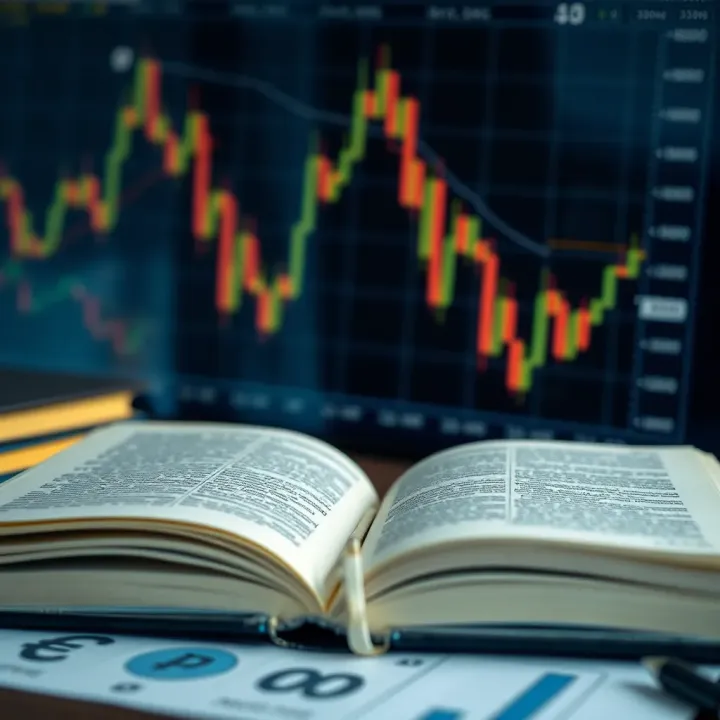
📚 Find the best forex trading book for Nigerian traders! Learn key skills, top picks & tips to choose books matching your trading style effectively.
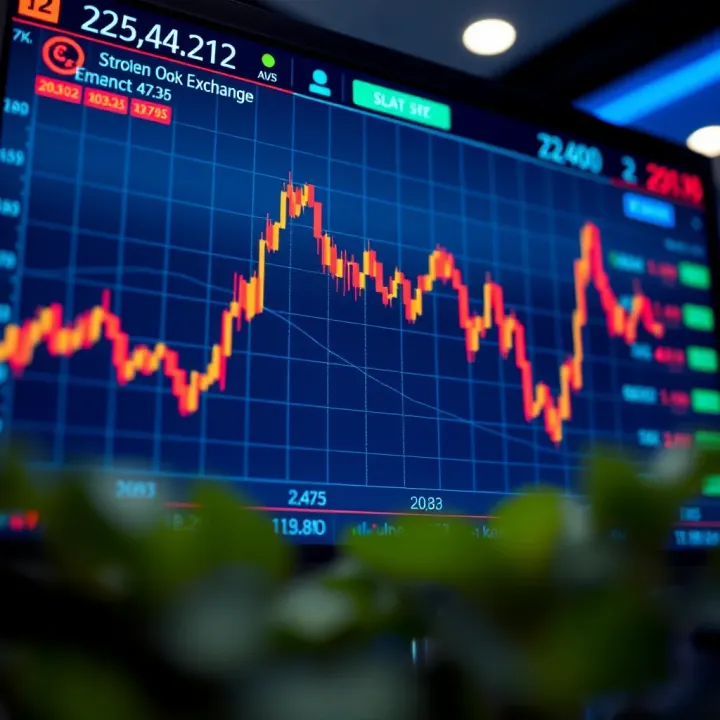
📈 Ready to start forex trading in Nigeria? This guide breaks down key concepts, practical steps, strategies, and tips on risk and choosing brokers.
Based on 8 reviews