

Understanding Risk Management Certification in Nigeria
Risk management certification in Nigeria builds your skills to spot and reduce risks across sectors, boosting career growth and meeting rising business demands 📊🔥
Edited By
Charlotte Hughes
Disaster risk management (DRM) addresses how societies prepare for, respond to, and recover from hazards that can disrupt lives and economies. In Nigeria, this becomes even more pressing due to frequent challenges such as flooding, communal conflicts, and industrial accidents. Understanding DRM helps investors, traders, and analysts evaluate not just the immediate damages but also the ripple effects on business and economic stability.
Nigeria faces a wide range of risks—from natural events like seasonal floods in Lagos and riverine communities to man-made crises including pipeline vandalism and urban fires. These risks expose vulnerabilities in infrastructure, healthcare, and supply chains, affecting markets and livelihoods. Hence, DRM is not just a government affair; private sector investors and local communities must also play active roles.
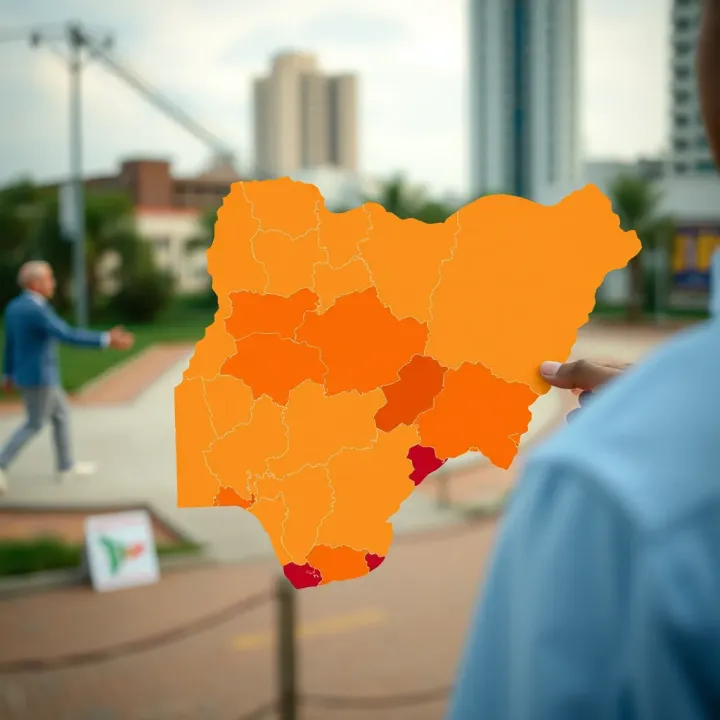
Risk identification: Mapping hazards like erosion-prone areas or flood plains.
Risk assessment: Quantifying potential impacts on local economies and infrastructure.
Prevention and mitigation: Building stronger drainage systems or enforcing safety regulations in oil facilities.
Preparedness: Training emergency responders and educating communities on evacuation protocols.
Response: Coordinating immediate aid and maintaining supply chains.
Recovery: Rebuilding housing, restoring markets, and reviving businesses.
Investment decisions often rely on how well a company or region manages these elements. For example, a manufacturing site near the Niger Delta that neglects mitigation against oil spills risks costly shutdowns.
Disasters disrupt production, strain local currencies, and affect stock prices, especially in sectors like agriculture, oil, and manufacturing. Traders looking at commodities must factor in seasonal flood forecasts and political tensions that could impact supplies. Analysts rely on DRM policies to gauge economic resilience during crises.
Strong disaster risk management reduces downtime and losses, preserving investor confidence and stabilising financial markets.
Nigeria's challenges are worsened by limited funding and infrastructure gaps, but technology—from satellite weather forecasts to mobile alerts—offers fresh opportunities.
Understanding these strategies and hurdles provides a clearer picture of Nigeria's economic landscape and guides smarter financial and investment choices amid uncertainty.
Understanding the foundations of disaster risk management (DRM) is vital for grasping Nigeria's approach to disaster preparedness and response. These fundamentals guide effective planning, coordination, and resource allocation to minimise the impact of disasters. For instance, knowing how flood risks translate into vulnerable communities in Lagos can help investors and policymakers make more informed decisions.
Disaster risk management involves identifying, assessing, and reducing risks from natural and human-made hazards to protect lives, property, and economic interests. Practically, DRM is not just about reacting to disasters but anticipating and mitigating their effects through planning and safe development practices.
In Nigeria, disasters range from floods and erosion to conflicts and industrial accidents. DRM covers preparing for these events, responding swiftly during crises, and facilitating recovery measures to restore normalcy. For traders and investors, understanding DRM means recognising potential risks to assets and operations and supporting strategies that build resilience against disruptions.
Types of disasters relevant to Nigeria include natural hazards like flooding in riverine communities and drought in the northern states, as well as human-induced challenges such as communal clashes and insurgency in the Northeast. These events frequently disrupt business activities, supply chains, and market stability, underscoring the need for tailored DRM strategies.
Key components of DRM involve risk identification, risk reduction, preparedness, response, and recovery. Risk identification involves data collection and hazard mapping. Risk reduction cuts across infrastructure improvement and community training. Preparedness focuses on early warning and education, while response addresses immediate relief efforts. Recovery aims for rebuilding and returning life to normal conditions. Each phase is interconnected and requires investment and concerted efforts.
Government agencies and their responsibilities centre on setting policies, mobilising resources, and coordinating efforts across ministries and states. The National Emergency Management Agency (NEMA) plays a lead role, supported by state emergency bodies and ministries such as the Environment and Health. Their actions range from flood control projects to coordinating relief distribution during crises. For investors, engaging with these agencies ensures compliance and contributes to regional stability.
Community participation and non-governmental organisations (NGOs) are critical, especially in identifying local risks and implementing grassroots programmes. NGOs such as the Red Cross and local groups often provide training, raise awareness, and support victims during emergencies. Community involvement helps tailor solutions to local needs and enhances early warning effectiveness.
Private sector involvement and international partners add further strength. Private companies often contribute funding, technology, and logistics support. For example, fintech firms may facilitate cash transfers during emergencies, while telecommunications companies help maintain communication channels. International partners, including the United Nations and donor agencies, provide technical expertise and financial aid. Partnership across these sectors maximises resource use and reaches communities faster.
Coordination among all stakeholders ensures that disaster risks are managed comprehensively, limiting losses and boosting Nigeria’s resilience for investors and citizens alike.
Understanding and assessing risks and vulnerabilities is central to managing disasters effectively in Nigeria. This process helps spot which regions, communities, and sectors face the greatest threats and why. Proper assessment guides policymakers, investors, and risk managers to allocate scarce resources wisely and prepare targeted interventions that can reduce loss and accelerate recovery.

Flooding and erosion regularly affect many parts of Nigeria, especially in the coastal and riverine states like Lagos, Rivers, and Delta. Seasonal heavy rains cause rivers to burst banks, damaging homes, farmland, and vital infrastructure such as roads and bridges. Urban areas face additional challenges from poor drainage systems and unplanned developments that worsen flooding. For example, the 2022 flood in Kebbi displaced thousands and caused extensive crop losses, impacting food prices and local economies.
Erosion is another serious issue, particularly in southeastern states like Anambra and Enugu, where gullies can swallow farmlands and houses. This physically destroys livelihoods and creates long-term vulnerability by removing topsoil and weakening land stability.
Drought and desertification predominantly threaten northern Nigeria. Areas such as Borno, Yobe, and parts of Kano experience reduced rainfall and degrading vegetation, choking farming activities that millions rely on. The shrinking Lake Chad basin also symbolises this challenge, directly affecting irrigation and fishing communities. Consequent food insecurity drives rural-urban migration and increases pressure on city infrastructures.
Desertification risks grow with climate change, threatening to convert productive land into arid zones that no longer sustain crops or livestock. This seriously undermines agricultural investments and regional economic growth.
Terrorism and communal conflicts add a complex layer to Nigeria's disaster landscape. The Boko Haram insurgency in the northeast not only causes death and displacement but disrupts markets, supply chains, and agricultural cycles. Similarly, clashes between farmers and herders in the Middle Belt destroy farmlands and provoke community distrust. These security threats reduce investor confidence in affected regions and complicate humanitarian response.
Understanding these human-made risks alongside natural hazards broadens disaster assessment beyond weather events alone, emphasising the need for integrated approaches to risk management.
Data collection and mapping techniques form the backbone of risk assessment. Satellite imagery, Geographic Information Systems (GIS), and remote sensing are increasingly used in Nigeria to map hazard-prone areas, vulnerable populations, and critical infrastructure. For instance, mapping flood zones in Lagos helps local authorities plan evacuation routes and investment priorities.
Accurate data collection combined with real-time monitoring supports informed decision-making by government agencies, financial institutions, and insurers. The National Space Research and Development Agency (NASRDA) contributes satellite data that aids flood prediction and drought monitoring, which enhances preparedness.
Community-based risk identification complements technical assessments by tapping local knowledge. Communities understand their environment and its hazards intimately and can reveal risks that satellite data might miss, such as informal drainage blockages or conflict-prone spots.
Engaging communities through workshops and participatory mapping allows identification of early warning needs and promotes ownership of DRM strategies. For example, farmer groups in Kaduna have mapped flood-prone farmlands and suggested practical adaptations. This bottom-up approach creates realistic, locally accepted plans that complement top-down policies.
Use of early warning systems is a practical tool that translates risk assessments into action. Nigeria deploys early warning alerts for weather events, infestations, and security threats through platforms like Nigeria Meteorological Agency (NIMET) forecasts, mobile SMS alerts, and community radios.
Early warnings allow traders, farmers, and local governments to take timely measures—securing assets, diversifying planting times, or evacuating vulnerable populations. However, challenges remain in disseminating alerts widely, especially in rural locations with limited connectivity. Improving early warning effectiveness can reduce human and economic losses significantly.
Assessing risks accurately helps Nigeria avoid flying blind. It informs planning, reduces wasted investment, and lays the foundation for resilient growth amidst environmental and security challenges.
This focused examination of hazard types and assessment methods provides investors, analysts, and finance professionals with the insights needed to make informed decisions and support sustainable disaster risk management in Nigeria.
Effective disaster preparedness and response strategies are vital to minimising damage and loss of lives when disasters strike Nigeria. Given the country's vulnerability to floods, droughts, and conflicts, having a clear approach to readiness and immediate action can save communities and economies from severe setbacks. This section dives into the practical steps Nigeria can take to strengthen its disaster management capabilities, focusing on emergency planning, capacity building, and coordination during crises.
Developing disaster emergency plans means creating detailed, practical blueprints that define roles, responsibilities, and procedures before a disaster occurs. These plans ensure authorities and communities know what to do and when, reducing confusion during emergencies. For example, Lagos State's flood emergency plan outlines evacuation routes, shelter locations, and communication channels, helping prevent chaos when floodwaters rise.
Training response teams and volunteers enhances readiness by equipping people with skills to act swiftly and safely. This includes teaching first aid, search and rescue techniques, and crisis communication. Actual drills involving community volunteers and officials regularly test these skills, such as the Nigerian Security and Civil Defence Corps (NSCDC) collaborating with NGOs to conduct mock disaster scenarios. Proper training helps reduce casualties and accelerates recovery efforts.
Public education and awareness campaigns create informed communities that can recognise risks and take preventive action. Radio programmes, school workshops, and social media are useful platforms for spreading messages about disaster preparedness — like how to store water safely during droughts or identifying early flood signs. When people understand hazards and know simple protective steps, vulnerability falls dramatically.
Inter-agency collaboration ensures various government bodies and organisations work together efficiently during disasters. For instance, the National Emergency Management Agency (NEMA), Nigeria Police Force, and Ministry of Health combine efforts to provide a coordinated response in crises like communal conflicts. Without such collaboration, duplication of effort or resource wastage can occur, leaving affected persons underserved.
Communication and information sharing are essential to keeping everyone updated on evolving situations. Timely and accurate information — relayed through radio, SMS alerts, or social media — allows authorities and communities to adjust plans rapidly. During the 2020 floods in Benue State, frequent updates helped residents relocate ahead of worsening conditions, illustrating how effective communication saves lives.
Logistics and resource mobilisation involve organising supplies, transportation, and manpower swiftly to where they are needed most. This may include mobilising trucks for relief materials or activating local suppliers for food and water. For example, during the 2019 northeast insurgency displacement, NGOs partnered with the government to streamline delivery of essentials to camps, demonstrating how logistics planning is key to disaster response success.
Proper disaster preparedness and response help safeguard lives, protect investments, and maintain economic stability, which is critical for traders, investors, and all stakeholders operating in Nigeria.
Strategising around these elements enables a structured, timely, and effective reaction to disasters, mitigating damage and speeding up recovery.
Recovery and building resilience after a disaster are vital steps that allow Nigeria to bounce back stronger and reduce the impact of future crises. This phase goes beyond immediate relief; it involves repairing damage, restoring basic services, and preparing communities and infrastructure for the challenges ahead. For investors and finance professionals, understanding how recovery links with economic stability and growth is crucial, especially in an economy like Nigeria’s where disasters can quickly derail developmental progress.
Restoring infrastructure and services is the backbone of post-disaster recovery. Roads, bridges, power supplies, and water systems often sustain heavy damage during floods or other disasters, disrupting daily life and economic activities. In Lagos, for example, flooding has frequently destroyed sections of key roads and affected electricity distribution networks. Prompt restoration ensures that businesses, markets, and transportation can resume normal operations, preserving investor confidence and preventing further economic loss.
Support for affected individuals and communities focuses on helping people regain stability after disasters. This includes providing temporary shelters, healthcare, psychological counselling, and livelihood restoration. Take the case of internally displaced persons from conflicts in the North-East, where government agencies and NGOs offer rehabilitation programmes to restore farming and trading activities, helping victims regain their independence. The sooner communities recover, the quicker the overall economy stabilises.
Economic recovery measures involve policies and investments to revive economic activity. Governments may offer tax incentives, grants, or loans to affected businesses, especially small and medium enterprises that form the economy's backbone. For example, after severe flooding in some Nigerian states, authorities collaborate with the Central Bank of Nigeria (CBN) and private banks to provide affordable credit and flexible repayment plans. These measures cushion economic shocks and speed up return to growth.
Infrastructure planning and land use policies are essential for reducing future disaster risks. Avoiding construction on flood plains, strengthening building codes, and designing roads and drainage systems that handle heavy rainfall can limit damage. Some Nigerian cities are beginning to adopt smarter zoning laws to prevent informal settlements in high-risk areas, which helps shield assets and lives from disasters.
Integrating climate adaptation means adjusting policies and infrastructure to cope with changing weather patterns. Nigeria faces increased drought in the North and unpredictable rains in the South. Investments in drought-resistant crops, water harvesting technologies, and climate-resilient housing can ease these pressures. Taking climate change into account protects investments and ensures sustainable economic activities.
Community empowerment and sustainability focus on strengthening local capacities to handle disasters. Training community groups to manage response, educating people on early warning signs, and encouraging savings schemes for emergencies build resilience from within. When communities can help themselves, it reduces pressure on government resources and supports continuous development.
Recovery and resilience are not just goals but ongoing processes, especially in Nigeria’s diverse and challenging environment. For traders, investors, and analysts, recognising this reality helps in making informed decisions and supporting sustainable growth.
By prioritising rehabilitation alongside long-term strategies, Nigeria can better protect its economy and people from future disasters.
Disaster risk management (DRM) in Nigeria faces a mix of hurdles and potential openings that shape how the country prepares for and responds to crises. Understanding these challenges and opportunities is essential for devising strategies that are not just realistic but capable of driving tangible improvements. Practical issues like limited funds and technological gaps often hold back DRM efforts, but emerging solutions in technology and collaborative partnerships offer a chance to close these divides.
One major challenge lies in budget allocations and financial gaps. Government funding for disaster management is frequently insufficient compared to the scale of Nigeria’s risks. For example, agencies responsible for emergency response often struggle with limited operational budgets, affecting everything from equipment purchases to staff training. This shortfall forces reliance on reactive spending post-disaster, rather than investing in preventive measures that could reduce long-term costs.
Moreover, financial resources are unevenly distributed across states, with some less economically endowed regions particularly disadvantaged during emergencies. Practical consequences include delayed relief operations and inadequate rehabilitation, which prolong social and economic disruptions after disasters.
Donor agencies and partnerships play a vital role in bridging these funding gaps. International bodies like the United Nations Office for Disaster Risk Reduction (UNDRR) and various NGOs provide grants and technical support that supplement government efforts. However, these partnerships require proper coordination to ensure aid aligns with local needs and avoids duplication.
Partnerships with the private sector, including Nigerian fintech firms like Paystack and Flutterwave, are emerging as promising channels for mobilising rapid funds through digital donations and crowdfunding during emergencies. These collaborations can improve transparency and speed up resource delivery to affected communities, enhancing overall disaster response effectiveness.
The use of Geographic Information Systems (GIS) and satellite data is transforming risk assessment and monitoring in Nigeria. GIS tools help map flood-prone areas, erosion hotspots, and conflict zones with precision, aiding agencies in targeting interventions more efficiently. For instance, during the 2012 floods in Lagos, satellite imagery informed rescue efforts by identifying submerged regions and accessible routes, reducing response times significantly.
Mobile technology has also become a lifeline for communication in disaster scenarios. With mobile phone penetration well over 80% in Nigeria, alert systems can disseminate warnings and safety instructions swiftly to millions, even in remote communities. SMS-based platforms and mobile apps enable community members to report hazards in realtime, improving situational awareness for authorities.
Improving early warning and response using tech depends on integrating various digital platforms for real-time data sharing and decision-making. Nigeria’s National Emergency Management Agency (NEMA) now leverages weather forecasting data fed via mobile alerts to trigger timely evacuations before floods or storms. Despite these advances, challenges remain in ensuring consistent network coverage in rural areas and building local capacity to interpret data for quick actions.
Efficient funding and technology uptake will determine Nigeria’s ability to reduce disaster impacts in the future. Tackling these issues head-on offers a practical path towards strengthened resilience and faster recovery.
In summary, financial constraints and tech gaps present serious challenges but also open doors to innovative solutions in Nigerian disaster risk management. Capitalising on partnerships and evolving technologies can improve preparedness and response, ultimately safeguarding lives and assets across the country.
Risk management certification in Nigeria builds your skills to spot and reduce risks across sectors, boosting career growth and meeting rising business demands 📊🔥

📊 Understand risk management foundations and best practices to safeguard Nigerian businesses, handle uncertainties confidently, and promote sustainable growth amid challenges.

📊 Explore how individuals and businesses in Nigeria manage finance and risk amid economic challenges. Learn practical methods, tech roles, and regulatory impact on ₦ decisions.
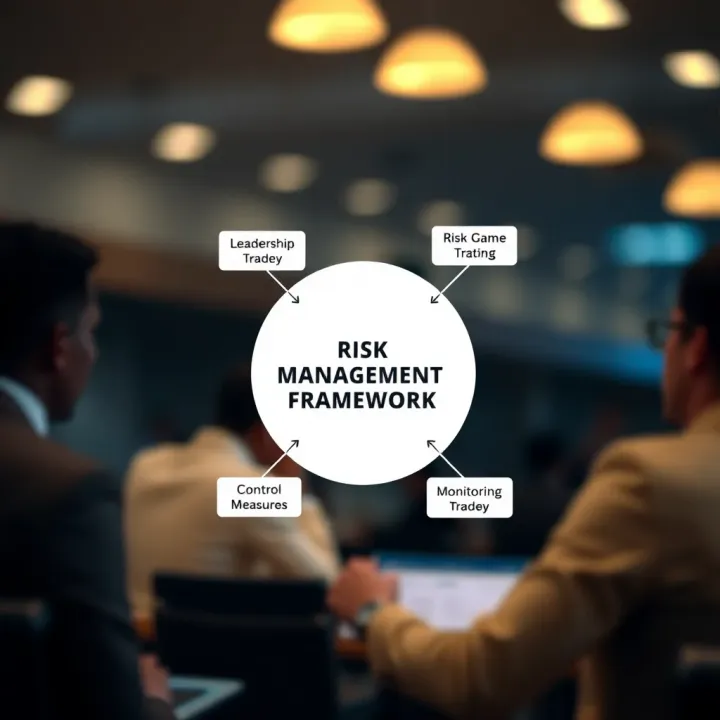
Learn how Nigerian firms can build a strong risk management framework to tackle business challenges, improve decisions, and protect operations 🚦📊💼
Based on 14 reviews