
Choosing the Right Crypto Trading Platform in Nigeria
Learn how to choose the best crypto trading platform in Nigeria 🇳🇬 with tips on safety, fees, regulation, and features to trade bitcoin and altcoins securely.
Edited By
James Whitaker
Selecting the right forex trading platform can make a real difference, especially in a market like Nigeria where factors like currency volatility, regulatory shifts, and internet access vary widely. Since forex trading involves significant financial risks, choosing a platform that balances usability, security, and cost is essential for any trader or investor.
Most Nigerian traders start with popular platforms like MetaTrader 4 (MT4) and MetaTrader 5 (MT5), thanks to their wide acceptance and reliable features. These platforms offer robust charting tools, automated trading options, and compatibility across devices. However, newer platforms tailored to the African market, such as Pocket Option or Olymp Trade, are also gaining ground, often providing simpler interfaces and lower entry barriers.
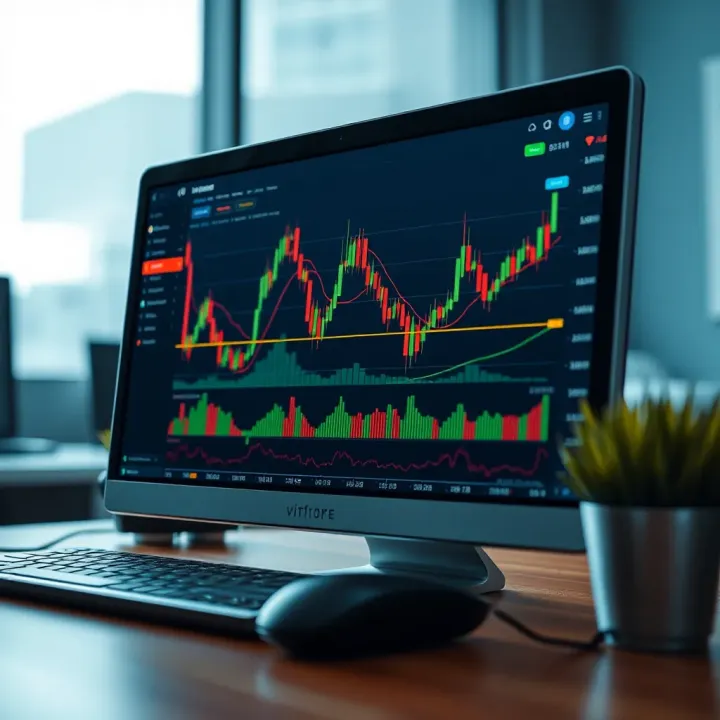
Beyond platform brand, look out for features like real-time price feeds with minimal lag, multiple currency pairs including the US Dollar-Naira (USD/NGN) pair, and an easy-to-navigate dashboard. Platforms that allow both demo and live trading accounts help users practice without risking actual money—a useful feature for beginners.
Security cannot be compromised. Check if the platform has proper encryption, two-factor authentication (2FA), and is compliant with Nigerian financial regulations. Platforms regulated by bodies such as the Securities and Exchange Commission (SEC) Nigeria add an extra layer of trustworthiness.
Costs also matter. Watch for hidden charges like withdrawal fees or inactivity penalties that can quietly eat into your profits. Transparent fee structures and competitive spreads boost overall trading efficiency.
Finally, technological considerations affect your trading experience. Platforms that perform well even with limited or unstable internet connections suit Nigerian traders facing frequent network disruptions. Mobile app availability is another plus, given that many Nigerians trade on smartphones.
In essence, recognising the local realities—like naira fluctuations, power supply issues, and regulatory frameworks—helps you choose a platform that empowers your forex trading journey rather than hampers it.
Getting a clear grip on forex trading platforms is the foundation for anyone serious about trading currencies in Nigeria. These platforms serve as your gateway to the forex market, and their design and functionality can make a big difference in your trading success. Whether you are a trader, investor, or analyst, understanding these platforms helps in selecting the right tool that matches your needs and trading style.
A solid knowledge of forex trading platforms allows you to pinpoint features that enhance efficiency and reduce risks. For example, some platforms offer advanced charting tools essential for analysing currency trends, while others focus more on quick execution speeds, necessary when trading volatile pairs like USD/NGN. Knowing the options available helps you avoid common pitfalls like delays in order execution or inadequate security measures.
A forex trading platform is specialised software that connects traders to the foreign exchange market. It facilitates placing buy or sell orders, provides live price feeds, and often includes analytical tools for better decision-making. Think of it as the control centre where traders manage their activities, monitor charts, check news updates, and interact with brokers or market makers.
For instance, if you are trading the naira against the dollar, a reliable platform will show the real-time exchange rate, let you place your trades instantly, and provide tools to analyse past price movements. This digital access eliminates the need to be physically present at a trading centre.
Desktop software platforms are installed directly on your computer. This setup generally offers the most robust and feature-rich environment. These platforms tend to provide better execution speeds and comprehensive charting tools, tailored for professional traders or those who prefer forex trading as a full-time activity. A popular example is MetaTrader 4 (MT4), widely used by Nigerian traders for its versatility.
Despite their power, desktop platforms require a reliable computer and stable internet connection to perform optimally. This can be a hurdle in locations with frequent power outages or unreliable internet, common challenges in many Nigerian cities.
Web-based platforms run entirely in internet browsers without needing installation. They are convenient and accessible from any computer with internet access. This type caters well to casual traders or those switching between multiple devices.
Because they do not rely on heavy local computing power, web platforms like TradingView allow easy access while still offering solid tools, including social trading features. However, their performance and speed can be affected by internet quality, which varies widely across Nigeria.
Mobile trading apps offer traders the freedom to manage trades on the go through smartphones or tablets. This is particularly useful in Nigeria where many rely heavily on mobile devices for internet access. Apps like the MT4 mobile version, Oanda, or local fintech platforms like Kuda’s investment feature, offer convenient trading while commuting or during breaks.
These apps support essential functions like chart monitoring, trade execution, and push notifications for price alerts. However, their limited screen size can affect detailed technical analysis, so they serve best as a complement to desktop or web platforms for active traders.
Choosing the right type of forex platform depends largely on your trading needs, lifestyle, and reliability of internet and power supply where you operate.
When picking a forex trading platform in Nigeria, knowing what features really matter can save you from unnecessary frustrations and losses. The right tools don’t just enhance your trading experience—they can also protect your investments and improve your decision-making. Here, we break down essential features that should be on your checklist.
The platform’s user interface (UI) significantly impacts how smoothly you trade. A clean, intuitive design means you spend less time navigating and more time focusing on market movements. For instance, if you’re a beginner using platforms like MT4 or MT5, you want straightforward dashboards where placing orders and checking balances is simple, even on a small phone screen. Nigerian traders who juggle busy schedules need platforms that don’t require a lengthy learning curve, especially when internet speed fluctuates.

Trading forex effectively depends on analysing market trends and data. Platforms loaded with advanced charting tools, multiple timeframes, and indicators—like moving averages or Bollinger Bands—help reveal patterns in price movement. Take, for example, using these tools to spot support and resistance levels before the Central Bank of Nigeria (CBN) announces changes. Some Nigerian-focused platforms also offer news feeds tailored to local financial developments, giving you timely insights that can affect the naira’s exchange rate.
In forex trading, every second counts. You need a platform that executes trades promptly to prevent slippage—the difference between expected and actual price. This is vital in volatile markets where oil prices or political events trigger rapid currency movements. Platforms with reliable servers and low latency keep your trades timely; a delay of even a few seconds could mean loss, especially for scalpers or day traders in Lagos or Abuja who depend on swift moves.
A good platform lets you customise your trading environment, from setting alerts to personalising watchlists. More advanced traders often use automated trading features like Expert Advisors (EAs) in MT4/MT5, which can execute trades based on predefined criteria. This is particularly useful for traders who cannot monitor the market constantly, perhaps because of day jobs or family commitments common in Nigerian cities. Automating repetitive tasks reduces human error and ensures you don’t miss good opportunities.
Choosing a platform without these features is like driving in traffic without a clear route—costly and risky. Make sure your chosen platform fits your trading style and offers robust tools to handle both the calm and storm in the forex market.
In summary, your forex platform should be simple yet powerful, fast and dependable, equipped with smart tools, and flexible enough to meet your needs. Taking time to assess these features upfront can help protect your capital and increase your chances of success in the ever-changing Nigerian forex market.
Ensuring strong security and regulatory compliance in forex trading platforms isn’t just a formality—it's critical for protecting your funds and personal information. In Nigeria, where forex trading is increasingly popular, the choice of a platform backed by solid security measures and proper regulation can mean the difference between a smooth trading experience and significant financial loss.
Regulation by Nigerian bodies like the Securities and Exchange Commission (SEC) and the Central Bank of Nigeria (CBN) serves as a safeguard for traders. These authorities set guidelines that brokers and platforms must follow, reducing the risk of fraud and malpractice.
A regulated platform undergoes regular audits and must adhere to financial reporting standards, offering Nigerian traders peace of mind. For example, it’s not uncommon for unregulated platforms to delay withdrawals or suddenly disappear, leaving traders stranded. By sticking with platforms approved by Nigerian regulators, users decrease the likelihood of such issues.
Data encryption is like putting all your sensitive information inside a locked box that only you and the platform can open. Forex platforms use encryption protocols (typically SSL) to scramble details such as login credentials, bank information, and trade data from hackers. For Nigerian traders, this is crucial especially when using public Wi-Fi or shared internet connections—which are common.
Without encryption, your data is vulnerable to interception by cybercriminals aiming to steal personal or financial information. Platforms that clearly disclose their encryption practices are preferable, giving users extra assurance that their information travels securely.
Two-factor authentication (2FA) adds a second layer of protection to your trading account. Instead of logging in with just a password, 2FA requires an additional verification step, like entering a code sent via SMS or generated by an authenticator app.
This simple feature can prevent unauthorised access even if your password is compromised. In Nigeria, where phishing scams and data breaches happen severally, 2FA significantly lowers the chances of your account being hacked, making it a must-have security element for any reliable forex trading platform.
Segregated client funds mean that the money you deposit is kept separate from the platform or broker’s operational accounts. This separation protects your investments if the broker faces financial difficulties or insolvency.
In practice, if the brokerage struggles, your funds remain untouched and can be returned to you, unlike being tangled in a company’s debts. This method is a sign of a transparent and trustworthy platform. Before choosing where to trade, confirm that the broker or platform provides account segregation, particularly for Nigerian traders seeking added security against market uncertainties and local economic fluctuations.
Choosing a forex platform with proper regulation and strong security features isn’t optional for Nigerian traders; it’s essential for safeguarding your investments and maintaining confidence in a volatile market.
By focusing on these aspects, you position yourself to trade more confidently, knowing your funds and information are protected by layers of security and proper oversight.
Understanding the costs involved in forex trading is vital for any trader operating in Nigeria’s fast-growing forex market. Fees can significantly eat into profits if not carefully considered. Besides, knowing what to expect helps traders compare platforms more effectively and avoid unpleasant surprises.
The most common cost in forex trading comes from spreads and commissions. A spread is the difference between the buy (ask) and sell (bid) prices of a currency pair. For example, if the spread on USD/NGN is 50 kobo, you effectively start the trade at a 50 kobo loss per naira traded. Platforms often advertise tight spreads, but it's important to check if these widen unpredictably during volatile periods.
Commissions, on the other hand, are flat fees or a percentage charged per trade. Some brokers offer zero-commission trading but compensate with wider spreads. For a Nigerian trader, choosing between low spreads with commissions or wider spreads without commission depends on trading frequency and style. For instance, a scalper making several trades daily will likely prefer tighter spreads even if a commission applies.
Deposit and withdrawal fees also impact your trading budget. Some platforms charge fees for funding your account or transferring profits back to your local bank. Because Nigerians often use multiple payment methods—bank transfer, USSD codes, or payment wallets like OPay or Paystack—platforms should support cost-effective options.
Imagine funding your account with ₦50,000 but incurring ₦1,500 in bank charges or platform fees; that’s a 3% cost before trading even starts. Likewise, withdrawal fees can catch traders off guard if not checked beforehand. Platforms that waive these fees or offer free withdrawals once a month tend to be more trader-friendly.
Some forex platforms impose account maintenance or inactivity fees, occasionally deducted monthly or quarterly. For traders who do not trade regularly, or who keep funds idle, such charges can reduce capital significantly over time.
For example, a dormant account fee of ₦2,000 per month may appear small but totals ₦24,000 annually—money better used for actual trading. Nigerian traders should verify if such fees exist and consider platforms without maintenance charges, especially if they plan to trade once in a while or hold longer positions.
When choosing a forex platform, balancing costs with the features provided is key. A platform with low fees but poor execution speed or limited analytical tools may cost a trader far more in lost opportunities than a slightly pricier but better-equipped alternative.
Ask yourself:
Does the platform offer reliable execution, preventing slippage?
Are the charting tools and indicators advanced enough to support your strategy?
How transparent is the fee structure? Hidden charges can kill your edge.
Is customer service responsive when dealing with deposit or withdrawal issues?
A good tactic is to list down features you need and match them against the total cost of trading on the platform. This helps identify whether paying a little more offers a practical advantage in profits and trading experience.
Remember, the cheapest platform may not always be the best choice in Nigeria’s unique trading environment, particularly with fluctuating naira rates and local payment challenges.
Making cost-conscious decisions, while keeping an eye on platform quality, positions Nigerian forex traders to navigate the market more efficiently and profitably.
Selecting the right forex trading platform depends heavily on your level of experience. Beginners need simplicity and support, while seasoned traders often require advanced tools and flexibility to handle complex strategies. Understanding this difference helps you avoid frustration or missed opportunities in Nigerian markets where conditions demand sharp, reliable platforms.
New traders in Nigeria should focus on platforms that offer clean, user-friendly interfaces. Features like easy account funding using local bank transfers or USSD codes, clear charts, and educational sections help build confidence. For example, platforms like Binance and IG provide straightforward dashboards and abundant learning materials tailored for novices.
Additionally, these platforms usually have low minimum deposit requirements, allowing traders to start small and learn without significant financial risk. Customer support that responds promptly to common trading questions is also vital. Nigerian traders often benefit from platforms with integrated local payment options like OPay or Flutterwave, which simplify deposits and withdrawals.
Experienced traders, meanwhile, need platforms with comprehensive charting tools, fast trade execution, and customisable features. Platforms such as MetaTrader 4 (MT4) and MetaTrader 5 (MT5) fit the bill well. They support automated trading through expert advisors (EAs), multiple order types, and allow integration with third-party analytic tools.
Such platforms must also offer stable connectivity and low latency, especially important in volatile markets influenced by naira fluctuations and geopolitical events. Professionals often require access to deep liquidity pools and the ability to trade multiple currency pairs or assets including commodities and indices, which more advanced platforms provide.
Demo accounts simulate real trading environments without risking actual money. Nigerian traders should use these to familiarise themselves with a platform's layout, tools, and order processes. Practising with virtual funds lets you identify if the platform is intuitive and responsive enough before depositing naira.
For instance, using a demo on MT5 lets you test automated strategies or analyse tool responsiveness under realistic conditions. It’s a practical way to gain confidence, especially when switching between platforms or trying a new provider.
Some platforms offer risk-free trial periods with limited functionalities but allow you to access real market prices. Trial periods are good for testing execution speed and customer service responsiveness under live conditions without a full commitment.
Taking advantage of trials helps you gauge the cost-benefit ratio and decide if the charges justify the features. Nigerian traders should watch out for hidden fees during trials, such as surprising withdrawal costs, before fully transitioning.
Testing platforms with demos or trials can save you from costly mistakes and help choose a forex trading service that truly fits your trading style and objectives in Nigeria.
Learn how to choose the best crypto trading platform in Nigeria 🇳🇬 with tips on safety, fees, regulation, and features to trade bitcoin and altcoins securely.

Discover how to pick the best forex trading robot in Nigeria 🇳🇬. Learn key features, benefits, risks, and tips to trade smarter with automation 🤖📈.
Discover how profitable forex trading can be for Nigerians 🇳🇬. Learn key factors, common hurdles, and practical tips to boost your forex earnings in ₦ today 💹.
📈Discover how forex trading works, the main players, risks, and tips tailored for Nigerians ready to explore currency markets and earn in ₦ effectively.
Based on 14 reviews