
Binary Options Trading in Nigeria: A Practical Guide
📊 Explore binary options trading in Nigeria with this practical guide: learn how it works, legal tips, risks, popular platforms, and smart strategies.
Edited By
Charlotte Pierce
Binary trading has grabbed the interest of many Nigerians as a quick way to make money, but it comes with its own challenges. Unlike traditional investing where you buy and hold assets like stocks or bonds, binary trading involves predicting whether an asset’s price will rise or fall within a short time frame. The payoff is usually a fixed amount or nothing at all, which makes it simpler yet riskier.
In Nigeria, the appeal of binary trading lies in its speed and accessibility. You don’t need large capital, and many platforms allow trading via mobile phones—handy given our widespread mobile usage. For example, a trader might bet ₦10,000 on whether the price of crude oil or a forex pair like USD/NGN will be higher or lower in the next 15 minutes.
Binary trading offers high stakes with quick outcomes — it’s either all gain or all loss.
However, understanding how it works is vital before diving in. Unlike investing in stocks where value accumulates over time, binary trading depends heavily on timing and market volatility. Nigerian traders face added challenges, including price fluctuations in the naira and limited regulatory oversight. This makes it essential to approach binary trading with caution and proper knowledge.
Here’s what you need to keep in mind:
Straightforward choices: You only predict “up” or “down” within a set expiry time.
Quick results: Trades often last from 60 seconds to a few hours.
Fixed risk and reward: Know what you stand to win or lose before entering.
Platform variety: Several brokers operate online, but not all are regulated.
Binary trading is not about long-term wealth building but more like high-risk speculation. Still, for those who understand the nature of the market and can manage risk, it might serve as a complementary option to other investments. In the following sections, we’ll explore how to navigate the Nigerian context, legal considerations, and tips to trade wisely.
A solid grasp of binary trading and how it actually works is essential before you decide to put your money in. This knowledge lets you see if it fits your financial goals and how it differs from other investment options. For Nigerian investors, understanding the mechanism helps avoid unnecessary losses and scams, especially since the sector has plenty of unregulated players.
Binary options are a type of financial contract where the outcome is one of two possibilities: either you gain a fixed payout if your prediction is correct, or you lose your investment if it’s not. Think of it as a simple yes or no wager on whether an asset's price will rise or fall within a certain time frame. This simplicity attracts many traders, but it also means risk is quite binary: win or lose.
In practical terms, you first select an asset you want to trade on, such as a stock, currency pair, or commodity. Then, you decide if its price will go up or down before the trade expires. If your forecast matches the market movement, you get the agreed payout; if not, you lose the money you staked. For example, if you bet ₦10,000 that the price of crude oil will rise in 1 hour and it does, you might earn ₦18,000 – your ₦10,000 stake plus ₦8,000 profit.
Nigerian traders often see binary trading platforms offering popular assets like forex pairs (USD/NGN, EUR/USD), Nigerian equities listed on the NGX, crude oil prices, gold, and indices like the NSE All-Share Index. The choice depends on traders’ interest and market familiarity; forex pairs typically attract those who follow currency fluctuations closely, while commodities appeal to those tracking global demand and supply shifts.
The cornerstone of binary trading is predicting the price direction over a specified period. You either put a 'call' option if you expect the price to go up or a 'put' option if you foresee it going down. For example, if you anticipate that the price of Bitcoin will close higher than its current value in 30 minutes, you'd place a call trade accordingly. This straightforward approach is why many find binary trading appealing, but remember, accurate timing is as important as the correct price direction.
Binary trades have fixed durations, ranging from 30 seconds to several hours or even days. Short expiry times are common and encourage quick decisions – a trader may place multiple trades within a day. For instance, some Nigerian traders prefer 5-minute expiry periods to capitalize on rapid market changes. It's vital to choose expiry times carefully; shorter expiries may offer excitement but can be more unpredictable, while longer periods provide more time for market trends to settle.
Outcome in binary trading is straightforward: either you receive a predefined payout if your prediction is right or lose your initial stake otherwise. Payouts usually range between 60% to 90% of the invested amount. For example, trade ₦5,000 with an 80% payout, and if successful, you earn ₦9,000 total (₦5,000 stake + ₦4,000 profit). Platforms also clearly state the potential loss (your stake), making risk assessment easier. However, the all-or-nothing nature means you can lose your whole stake in a single trade, so managing exposure is critical.
Understanding the precise mechanics of binary trading—how trades are placed, the options available, and payout structures—helps Nigerian traders make informed choices and avoid costly mistakes in this high-risk market.
This clear picture of binary trading's functioning provides the basis for evaluating whether it suits your investment style and risk tolerance, especially amid Nigeria’s evolving financial ecosystem.
Binary trading has caught the attention of many investors in Nigeria because it offers an accessible and straightforward entry point into financial markets. Unlike traditional trading that might demand large capital and extensive market knowledge, binary trading presents a simpler format where traders predict market movements in a defined time frame. This simplicity, coupled with digital platforms, makes binary trading particularly attractive for Nigerians seeking quick engagement with financial markets.
Low capital requirements make binary trading appealing in Nigeria’s investment scene. Many platforms allow traders to start with as little as ₦1,000, far less compared to conventional shares or forex trading where opening balances could run into tens of thousands of naira. This low barrier attracts young investors, students, and even small-scale traders who may lack substantial capital but want to grow their money gradually. For example, a Lagos-based university student might use an app to place a trade predicting the price direction of oil within the next 30 minutes with ₦2,000.
Beyond capital, online platforms and mobile apps popular in Nigeria play a huge role in making binary trading accessible. Platforms like IQ Option and Binomo have mobile apps optimized for Nigerian users, supporting easy deposit methods including USSD codes and mobile money services such as Paga or OPay. This means many Nigerians can trade during their daily commute via danfo or keke, without needing a laptop or fixed internet. Plus, these apps offer educational resources tailored to beginners, which is a big help for those unfamiliar with financial markets.
One key attraction in Nigerian binary trading is the short trade expiry cycles. Some trades last as little as 60 seconds, while others may extend to 15 or 30 minutes. This brevity allows traders to carry out multiple trades in a day, trying to capitalise on short-term market swings. For instance, during Nigeria’s ember months when informal trading picks up and investors are wary about long commitments, quick expiry times provide a way to test strategies without long exposure.
The attraction for part-time investors is another reason binary trading stands out. Many Nigerians juggle multiple jobs or work in the informal sector where consistent hours are rare. Binary trading fits this lifestyle because one does not need to monitor the market continuously or commit full-time. A trader can pick brief windows in the day, such as early morning before heading to work or late at night after closing a mama put, to enter trades using their smartphone app. This flexibility makes it easier for people outside formal finance circles to participate.

Binary trading’s appeal lies in its combination of low startup cost, digital convenience, and fast transaction cycles — features that resonate with many Nigerian investors eager to explore markets on their own terms.
Altogether, these factors explain why binary trading is gaining traction among Nigerians who want an approachable yet potentially rewarding way to invest. However, as with any investment, understanding the risks and regulatory landscape remains essential.
Binary trading might look like a fast lane to easy money, but it carries serious risks that any Nigerian investor should weigh carefully. This section explains the pitfalls specific to this market and why understanding them matters before committing your hard-earned naira.
All-or-nothing nature of trades means you either win a predetermined payout or lose your entire stake on each trade. There is no middle ground or chance to recover partial losses once the option expires. For Nigerian traders, this high-stakes setup can quickly eat into capital, especially if trades are frequent and based on speculation rather than strategy.
This all-in-or-nothing feature makes binary trading fundamentally different from other investment types like stocks, where your investment value might fluctuate but rarely collapses completely overnight. In Nigeria, where access to financial education and advisory is limited for many, it increases exposure to significant losses.
Volatility and unpredictability of financial markets add another layer of danger. Prices can change in seconds due to global news or sudden market moves. Nigerian investors might find it challenging to predict such rapid shifts reliably, particularly in sectors affected by global factors like crude oil prices or currency rates.
Since the trades often last minutes or hours, unexpected events can flip a winning position into a losing one before expiry. This unpredictability stresses the importance of cautious risk management rather than chasing quick returns.
Common misconceptions about guaranteed profits circulate widely online, enticing many Nigerians to believe binary trading is an easy way to get rich. Phrases like "risk-free" or "sure-win" are misleading. Unlike fixed deposits or government bonds, binary trading offers no guaranteed return and can result in total loss.
Ignorance of this reality often leads beginners to stake more than they can afford or rely on unverified trading signals. For example, operating on tips from social media or Telegram groups without proper due diligence can wipe out funds rapidly.
Lack of local regulation and oversight remains a fundamental problem in Nigeria's binary trading space. Unlike the banking or stock market sectors supervised by the Central Bank of Nigeria (CBN) and Securities and Exchange Commission (SEC), binary trading platforms often operate from abroad and outside local legal frameworks.
This absence of regulation means there's little recourse if disputes arise, such as withdrawal delays or incorrect payout calculations. It places Nigerian traders at an inherent disadvantage regarding consumer protection.
Potential scams and fraud cases thrive under this regulatory vacuum. There have been reports of platforms promising high returns but withholding funds or manipulating trade outcomes to their benefit. Unsuspecting Nigerians have lost sizeable sums on sites that disappear without notice or refuse withdrawal requests.
Always question offers that sound too good to be true, and never invest money you cannot afford to lose.
Importance of due diligence cannot be overstated for anyone considering binary trading in Nigeria. Vetting platforms thoroughly includes checking for regulation by recognised authorities such as the UK’s Financial Conduct Authority (FCA) or Australian Securities and Investments Commission (ASIC), even if the platform isn't Nigerian.
Look out for transparent terms and conditions, clear contact information, and reliable customer support before depositing any funds. Test platforms with demo accounts where possible to understand risk levels and mechanics.
Taking these steps helps shield your ₦ from fraud and improves the chances that your trading experience is fair and transparent.
In short, while binary trading attracts with promises of quick returns, the high risk, volatility, and lack of strong regulation in Nigeria demand careful consideration and solid risk management. Approaching this market with sober judgement, rather than hype, is the smartest path forward.
Understanding the legal and regulatory framework around binary trading in Nigeria is vital for anyone intending to participate in this market. This knowledge protects investors from scams and helps them navigate the often unclear regulations that govern online trading activities. Since the binary trading sector operates in a loosely regulated space in Nigeria, knowing your rights and the official stance can save you from unnecessary losses and legal issues.
In Nigeria, the Securities and Exchange Commission (SEC) is the main body responsible for regulating capital market activities, including securities trading. However, binary options do not clearly fall under traditional securities, so they often escape direct regulation by the SEC. The Central Bank of Nigeria (CBN) also has a role, particularly concerning foreign exchange and financial transactions, but it does not specifically regulate binary trading platforms.
The lack of a dedicated regulatory framework means that many binary trading platforms operate without local licences. This gaps increases the risk for Nigerian traders, as these platforms may not meet Nigerian consumer protection standards.
Binary trading in Nigeria exists in a grey area; it is neither explicitly permitted nor fully banned by the law. The SEC has issued warnings about investing in unregulated platforms, citing possible fraud and high risks. Without clear regulation, binary trading is considered speculative and falls outside recognised investment options. Nigerian traders have no formal protections, so losses often can’t be recovered through legal channels.
Taking a cautious approach is necessary because even some popular international platforms lack proper oversight. The government’s stance, notably through the SEC, discourages trading on unregulated platforms, pushing for regulated investment alternatives instead.
Compared to countries like South Africa and Kenya, which have clearer guidelines for binary options and online forex trading, Nigeria’s regulatory framework is still evolving. South Africa's Financial Sector Conduct Authority (FSCA) actively regulates binary options, providing investors with a degree of protection. Kenya’s Capital Markets Authority (CMA) also monitors online trading platforms.
Nigeria’s unclear regulation can put local traders at a disadvantage, especially as scammers exploit this lack. Still, the Nigerian market is catching up, with the SEC making moves to strengthen investor education and clamp down on fraudulent platforms.
Since binary trading platforms generally lack Nigerian licences, traders' rights and protections are limited. It’s essential to understand that in case of disputes or fraud, enforcing claims against offshore platforms can be complicated and costly. Traders should seek platforms that at least have international licences from reputed regulators such as the UK’s Financial Conduct Authority (FCA) or the Cyprus Securities and Exchange Commission (CySEC).
Knowledge of consumer protection laws in Nigeria can help when dealing with issues on local payment methods, but this doesn’t extend to binary trading results or platform disputes.
Before committing funds, always verify the platform’s regulatory status by checking recognised financial regulators. User reviews and testimonials from Nigerian traders can also provide insight into a platform’s trustworthiness.
Platforms that offer demo accounts allow practising without risking real money. Using such accounts to test strategies and understand platform mechanics is a wise step. Moreover, choosing platforms with transparent deposit and withdrawal processes, preferably supporting Nigerian banks and local payment options like Paystack or Opay, improves safety and convenience.
Any profits made from binary trading are subject to Nigerian tax laws, taxed under capital gains or investment income. The Federal Inland Revenue Service (FIRS) requires individuals to declare earnings from all sources, including trading. Traders should keep accurate records of deposits, withdrawals, and profits to comply with tax reporting.
Failing to declare income from binary trading can lead to penalties, especially if trading becomes a regular source of income. It's advisable to consult with a tax professional familiar with Nigerian investment taxation to ensure compliance and optimise tax obligations.
Practical reminder: If you decide to trade binary options, treat it with the same seriousness as any other investment. Understand the legal landscape and choose platforms that offer some level of regulation, while staying alert to scams and managing your risks carefully.
Navigating binary trading in Nigeria demands more than just understanding how it works. Practical tips help investors protect their capital and improve outcomes. Learning to pick the right platform, manage risk effectively, and continually sharpen knowledge plays a big role in staying ahead. These hands-on steps reduce pitfalls, especially given the volatile and often unregulated nature of binary trading here.
It’s critical to confirm if the platform you want to use has proper regulation. Nigerian authorities like the Securities and Exchange Commission (SEC) do not currently regulate binary trading platforms, so look for licences from respected global bodies such as the Financial Conduct Authority (FCA) or the Cyprus Securities and Exchange Commission (CySEC). Using a regulated platform offers some assurance that your funds are safer and reduces the chance of scams.
A platform’s ease of use can make or break your trading experience. Look for interfaces that load quickly and display clear charts. Also, responsive customer service is vital, particularly if issues arise with deposits or trades. For instance, platforms offering live chat support during Nigerian business hours stand out because they provide real-time help when needed.
Practical deposit and withdrawal methods are essential. Platforms allowing payment through popular Nigerian methods like local bank transfers, USSD codes, or digital wallets such as OPay and PalmPay simplify transactions. Also, check withdrawal speed and fees upfront to avoid surprises—some platforms delay payouts or charge hefty commissions.
Never risk all your trading capital in one go. Spreading investment across multiple trades with small amounts helps absorb losses and keeps you in the game longer. For example, if you have ₦50,000 set aside for trading, commit only ₦5,000 per trade until you gain confidence and insight.
Many platforms offer demo accounts that simulate live trading without real money. This allows you to practise strategies and understand market behaviours without risking your ₦. Testing trades severally on these virtual accounts builds skill and helps you avoid costly mistakes.
Binary trading doesn’t guarantee quick riches. Setting achievable profit targets keeps expectations grounded. For instance, aiming for a steady 3–5% return per week is more practical than chasing unrealistic gains that often lead to excessive risks and losses.
The financial markets behind binary trading—stocks, forex, commodities—move based on various factors. Stay updated on global news, economic indicators, and sector developments that impact asset prices. Nigerian investors benefit from following local economic policies or CBN announcements, as these influence the naira and market volatility.
Learning from experienced Nigerian analysts who share insights on social media or financial blogs can sharpen your understanding. They often provide timely advice about market shifts especially relevant to the local context, helping you avoid blind spots.
Being part of groups or online forums with fellow Nigerian traders provides support, shared experiences, and tips. Peer discussions can introduce you to new techniques or warn against dubious platforms. Communities also help keep morale up when trades aren’t going your way.
Practical knowledge, cautious strategies, and ongoing learning form the backbone of safer and potentially profitable binary trading in Nigeria. Without these, even the best platforms or strategies can lead to disappointment.
By applying these practical tips, you can improve your chances of navigating Nigeria’s binary trading scene successfully, with clearer control over your investments and risks.
📊 Explore binary options trading in Nigeria with this practical guide: learn how it works, legal tips, risks, popular platforms, and smart strategies.
📊 Explore binary option trading basics, strategies, risks & Nigeria's legal view. Get smart insights to trade safely and avoid pitfalls! 🇳🇬
📈 Learn binary option trading basics, strategies, risks, and regulations in Nigeria. Get tips to trade safely and choose reliable platforms confidently.
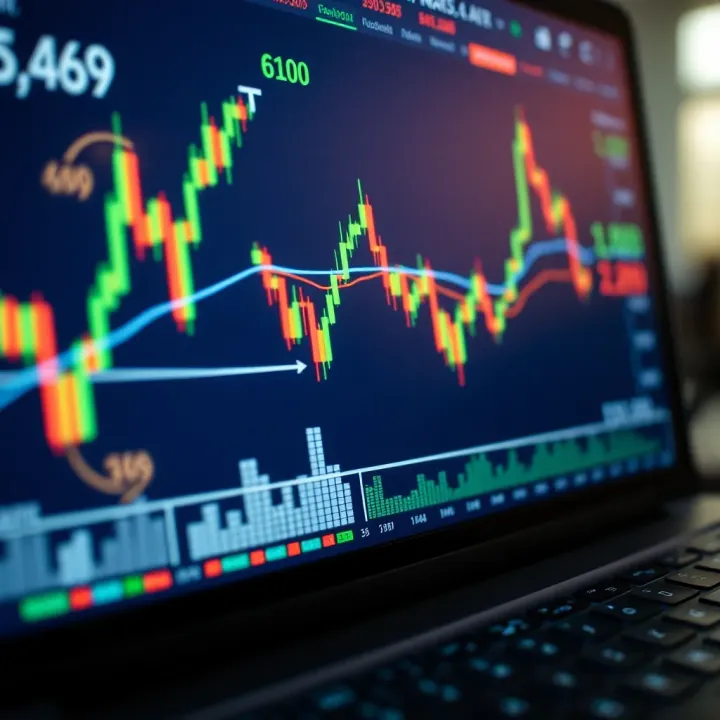
📊 Get a clear, practical guide to binary options trading in Nigeria. Learn how they work, common strategies, risks, and tips for responsible trading.
Based on 6 reviews