

Understanding Binary Investment on Yahoo for Nigerian Traders
📊 Explore how binary investments work on Yahoo, with tips and legal insights for Nigerian investors. Learn risks, strategies, and get practical advice today! 🇳🇬
Edited By
Chloe Harrison
Binary investments might sound like tech jargon, but this form of trading has carved a niche in financial markets worldwide, including Nigeria. Whether you’re a seasoned trader or just testing the water in the investment pool, understanding how binary options work can give you an edge.
Let’s start by setting the stage: binary investment is essentially a bet on whether an asset's price will rise or fall within a fixed time frame. This clear-cut nature makes it appealing, but it also brings unique risks that you need to know upfront.

In this guide, we’ll break down the nuts and bolts—how binary investments operate, the kinds of assets typically involved, and the pitfalls to watch out for. We’ll also share practical insights specifically tailored for Nigerian investors, considering local market dynamics and regulations.
Knowing the binary format is not just about spotting quick profits; it's about understanding the structure and risks so you don’t end up on the losing side.
Get ready to explore a straightforward approach to a complex market, with real examples and down-to-earth advice designed to help you make decisions that actually make sense in the Nigerian context.
Understanding the binary investment format is the first step to grasping how this type of trading works and whether it suits your investment style. In simple terms, binary investments offer a straightforward approach: you predict whether the price of an asset will go up or down within a fixed timeframe. If your prediction is correct, you earn a fixed payout; if not, you lose your stake. This predictability in potential outcomes makes it stand apart from many traditional investment methods.
This format appeals especially to traders in Nigeria who want clarity on risk and reward before committing funds. For example, unlike stock trading where profits and losses fluctuate with market movements, binary investing clearly defines gains and losses upfront. However, with this simplicity comes a distinct risk profile—knowing exactly what you stand to lose helps avoid unwelcome surprises.
The relevance of this format lies in its accessibility and ease of use, especially for beginners or those looking to diversify their portfolios without dealing with complex market mechanisms. That said, understanding the nuts and bolts of binary trading is crucial to make informed decisions and avoid traps common in this space.
Binary investing revolves around making a yes-or-no prediction on whether an asset’s price will be above or below a set strike price at expiration. Unlike traditional investing, where you buy shares or commodities aiming for price appreciation over time, binary investments require no ownership of the underlying asset. The outcome doesn’t depend on the degree of price movement, just the direction relative to a strike price.
For instance, suppose you predict the Nigerian Naira vs US Dollar exchange rate will be higher than 410 Naira per Dollar after one hour. If you’re right at that exact moment, you receive a payout; if not, your investment is lost. This contrasts with a forex spot trade where profit or loss depends on how far the price moves.
In practice, this means binary options are simpler but less flexible. They’re more about short-term market movements than long-term value. Some Nigerian traders find this approach useful for quick decisions, but it’s vital to recognize it’s not a way to build gradual wealth like traditional investments.
The defining feature of binary investments is their all-or-nothing payout. You either receive a predetermined return—say 80%—or lose your entire stake. This clear-cut outcome removes ambiguity but also means the risk is absolute.
For example, if you invest ₦10,000 predicting that the price of oil will rise in the next 30 minutes and you’re right, the platform may pay you ₦18,000 (your investment plus ₦8,000 profit). But if you’re wrong, you lose the entire ₦10,000. There’s no middle ground.
This payout structure demands discipline. It can be tempting to treat binary investments like a lottery, but consistent success depends on smart predictions, not just luck. Understanding that each trade has a fixed maximum loss helps manage risk better and avoid chasing losses in attempts to break even.
The strike price is the benchmark level which the underlying asset’s price must surpass or fall below to determine the outcome of your trade. It acts like a reference point.
For example, if you choose a binary option on the Lagos Stock Exchange's index with a strike price of 40,000 points, your prediction revolves around whether the index will close above or below 40,000 at expiry. Getting familiar with strike prices helps you pick trades that align with your market expectation.
Expiration time specifies the exact moment your binary investment trade concludes, and the outcome is settled. This could range from as short as 60 seconds to several hours or days.
Choosing the right expiration time is crucial. Shorter windows may bring quick returns but higher volatility and unpredictability, while longer durations offer more time for the market to move favorably but may tie up capital longer. For Nigerian traders, aligning expiration times with periods of high liquidity—like during London or New York market hours—can affect results.
Binary investments have a fixed payout structure. If your prediction is correct, you receive a known payout percentage of your invested amount. If wrong, you lose the invested amount in full.
For example, investing ₦5,000 with a payout of 85% means a winning trade yields ₦9,250 (₦5,000 + ₦4,250). A losing trade means the ₦5,000 is gone.
Some platforms may offer partial refunds or bonuses to reduce losses, but these vary and should never be relied upon. Knowing payout percentages beforehand helps assess the risk-reward ratio and manage your investment capital effectively.
In binary investing, clarity on strike price, expiration, and payout helps you plan trades like a pro, avoiding guesses and managing your investments with eyes wide open.
Understanding these foundational elements is essential before stepping into the market. It makes you less likely to fall for shaky schemes and more equipped to make decisions tuned to your financial goals.
Understanding the kinds of assets involved in binary investments helps traders make better choices and manage risks. The range of assets—from stocks to forex pairs and commodities—offers different opportunities depending on market conditions and individual preferences. Knowing what you’re trading is half the battle in binary investments.
Stocks and indices are among the most popular assets in binary trading. Stocks represent shares of individual companies like Dangote Cement or MTN Nigeria. Indices, on the other hand, track the overall performance of groups of stocks — for example, the Nigerian Stock Exchange All Share Index.
In practice, binary investors wager on whether a stock or index price will go up or down by the option’s expiration. These assets are known for their relatively high liquidity and predictable trends, especially during market hours. They offer a straightforward way for investors to tap into well-known companies or broader market movements without needing to own the shares.
Forex pairs in binary investments generally include popular currency combinations such as USD/NGN, EUR/USD, or GBP/USD. Forex is the largest and most liquid market globally, trading 24 hours most weekdays. For Nigerian traders, forex binaries involving the naira might pose more volatility but also opportunity due to political and economic news impacting exchange rates.
Binary trading on forex pairs requires understanding how currency rates fluctuate based on macroeconomic conditions, geopolitical events, and central bank policies. The quick pace of forex markets means expiry times might be shorter, allowing for fast trades but also increasing risk.
Commodities like crude oil, gold, and agricultural products are common binary assets. For example, Nigeria’s economy depends heavily on crude oil, so oil price binaries can attract traders aiming to capitalise on global supply or demand shifts.
These assets tend to be influenced by global events like weather, political unrest, and production levels. Trading commodities in binary options lets investors speculate on price movement without physically dealing with the goods, offering an accessible entry point into these markets.
When picking assets, liquidity—the ease of buying and selling without affecting the price—is crucial. Higher liquidity means tighter spreads and better order execution. Stocks of large Nigerian firms or major forex pairs generally have good liquidity.
Volatility, the degree of price movement, is a double-edged sword. Higher volatility can create more trading opportunities, but also more risk. For example, crude oil prices might swing widely due to geopolitical tensions, which traders need to weigh against their risk tolerance.
Balancing liquidity and volatility is key. An asset highly liquid but very stable might offer fewer chances to profit, while a highly volatile but illiquid asset may be too unpredictable.
Knowing when markets are open can make or break a trade. Stocks and indices are mostly traded during local exchange hours. For instance, the Nigerian Stock Exchange operates during specific hours on weekdays, so trading outside this window may rely on global markets like the NYSE or LSE.
Forex markets run 24/5 across different time zones, making them available almost constantly but with varying levels of activity. Major overlaps, like between London and New York session, see the highest volumes.
Commodities often follow the trading hours of their respective exchanges, such as the ICE for oil or the COMEX for gold. Understanding these schedule quirks helps traders pick expiry times when the market is most active to avoid unexpected gaps or low liquidity.
Remember, timing and asset selection go hand in hand; a well-chosen asset during its peak trading hours can improve your chances of a favorable outcome.
In summary, picking the right asset in binary investing involves checking what’s on offer, understanding market behavior, and aligning your trading with the asset's unique rhythms. This knowledge empowers investors to navigate binaries with a sharper edge.
Understanding how a binary investment trade functions is key for anyone wanting to get a grip on this particular financial option. At its core, a binary trade boils down to a simple yes-or-no decision: will the price of an asset go up or down within a set amount of time? Knowing how to place these trades and what to expect from them can help investors make smarter, more informed choices. It also cuts through a lot of the complexity found in traditional investing, which can bog down beginners.
Picking the direction is the very first step in a binary trade. You have to decide if the asset’s price will be higher or lower than a specific price (the strike price) at your chosen expiry time. For instance, if you pick the Nigerian Naira (NGN) versus the US Dollar (USD) in forex trading, you must predict whether the exchange rate will rise or fall by the time your trade expires.
This choice is important because it directly affects your potential payout. Mistaking the direction means you lose your investment on that trade. A practical tip here is to watch market news and trends closely before placing your bet. If oil prices are rising sharply, and you want to trade crude oil, a well-timed call on an "up" move might pay off.
After deciding direction, you set how much money to invest. There's no minimum rule everyone follows, but starting small is wise, especially if you’re new to this. The expiry time is how long before the trade concludes. It can range from 30 seconds to several hours or days, depending on the platform.
Choosing the right expiry time is like picking your spot in a race; too short and the market might not have moved enough, too long and you could be gambling with too many unpredictable factors. For example, a 5-minute expiry might suit traders looking for quick moves in volatile forex pairs, while a longer expiry could be better for indices reacting to daily economic news.
Setting these parameters carefully helps you manage risk and match your trading style. Many beginner traders fumble here by either investing too much or choosing unrealistic expiry periods based on their expectations.
Winning is straightforward: if your prediction about the asset’s price at expiry is correct, you get a fixed payout. This payout is pre-decided, often between 70%-90% of your investment, depending on the broker and asset.
For instance, say you invested ₦10,000 predicting the Nigerian stock index would rise by expiry, and the index did indeed close higher. If your payout is 80%, you receive ₦18,000 back — your ₦10,000 stake plus ₦8,000 profit. This clarity on profits upfront is part of the attraction of binary trading.

It’s important for traders to know that brokers usually credit winnings immediately so you can decide to withdraw funds or reinvest.
If the asset doesn't move the way you predicted, you lose the entire investment amount you risked on that trade. So, sticking ₦10,000 on a wrong binary prediction means losing the whole ₦10,000.
This all-or-nothing approach can sting, especially if traders bet recklessly or too often without a clear strategy. Losses can pile up quickly if you keep getting directions wrong or don’t manage your trade size.
Understanding these trade mechanics—choosing direction, setting parameters, and accepting the fixed-win or total-loss outcome—forms the foundation of binary investing. When properly applied, this knowledge equips you to make clear, confident decisions rather than blindly guessing market moves.
Binary investments come with a unique set of risks that traders and investors must grasp before diving in. Unlike some traditional investing avenues, the all-or-nothing style of binary options can either deliver quick gains or wipe out your stake just as fast. Understanding these risks helps you avoid costly mistakes and safeguards your capital.
For instance, a novice trader betting on the direction of a currency pair might see a 70% payout if correct but lose the entire investment if wrong. Without a clear grasp of the risk structure, it’s easy to get caught in a cycle of losses. Recognizing these challenges upfront puts you in a better position to decide if binary trading suits your risk appetite and financial goals.
The heart of binary investing is its straightforward payout model: either the trade finishes in-the-money and you earn a fixed return, or it ends out-of-the-money and you lose your entire stake. There's no middle ground. This means every trade carries a significant risk, unlike traditional stocks where partial losses or gains occur. Knowing this helps set realistic expectations. For example, if you invest ₦10,000 in predicting the direction of Apple stock, you either get back your principal plus a set profit, or you lose all ₦10,000.
This all-or-nothing setup can magnify both wins and losses, which explains why many traders find binary investing thrilling but also nerve-wracking. A clear understanding prevents blindly placing too many trades without assessing the risk first.
Because each trade risks your initial capital entirely, consecutive losses can quickly drain your investment pool. Consider a trader with ₦50,000 capital who bets ₦5,000 repeatedly on uncertain market moves. Even with a few wrong calls in a row, losses snowball fast, making it hard to recover without injecting additional funds.
Losses can feel especially harsh if you’re tempted to chase previous losses by increasing your stake, a trap many fall into. This highlights why managing loss limits and sticking to firm risk management strategies is essential in binary investing.
One of the biggest traps in binary trading is overtrading. The allure of quick returns tempts many to jump into trades without solid analysis, often driven by emotion rather than logic. For instance, after losing a couple trades, a frustrated trader might impulsively double down on a next bet to "win it back", only to lose more.
Sticking to a trading plan that defines when and how much to trade avoids emotional pitfalls. Using stop-loss limits and pausing after a series of losses are practical ways to keep emotions in check.
The sudden popularity of binary investments has unfortunately attracted various unregulated and shady platforms, especially in regions where awareness is still growing. Traders who don't verify the legitimacy of a broker risk fraud, delayed withdrawals, or manipulated price feeds.
Always check for licenses from recognized regulatory bodies like the Nigerian Securities and Exchange Commission (SEC) or international authorities such as FCA or CySEC. Checking user reviews and avoiding platforms with too-good-to-be-true promises are equally important precautions.
Remember, it’s better to trade less but with a trusted platform than risk your funds on an unreliable broker.
In summary, recognizing the high risks and common pitfalls of binary investments equips traders to take a cautious, informed approach. This knowledge is not meant to scare but to provide realistic insight and promote disciplined trading, especially in markets like Nigeria’s where investor awareness is crucial.
When diving into binary investments, the regulatory environment and legal considerations are a big deal. They protect traders from dodgy platforms and shady practices, which is especially important for folks in Nigeria where the market is still maturing. Knowing the legal backdrop gives you a proper shield and helps avoid nasty surprises.
Nigeria’s financial watchdogs, such as the Securities and Exchange Commission (SEC), haven't fully embraced binary options as a formal trading product. They often issue warnings about the risks and the prevalence of scams linked to unregulated platforms. That said, they also stress that all investments must comply with Nigeria's laws, and anyone offering financial services needs proper licenses. If you see an outfit pitching binary investments without any regulatory backing, it's wise to steer clear.
While regulation is still catching up, Nigerian investors get some level of protection under broader financial laws. The SEC has made it clear that platforms must register and maintain transparency. For traders, this means verifying if a broker is registered and reading up on their user agreements carefully. A good tip is to look for brokers that adhere to international standards or have a physical presence in Nigeria. These measures reduce the chance of losing money to scams or unfair practices.
Always check for SEC registration or similar credentials before trusting any platform; it’s your first line of defense.
Around the globe, binary options regulation varies widely. In the US and much of Europe, regulators like the Commodity Futures Trading Commission (CFTC) and the European Securities and Markets Authority (ESMA) impose tight controls. These include banning certain high-risk products or requiring detailed risk disclosures. Conversely, in some regions, rules are looser or non-existent, which unfortunately attracts unreliable brokers. For Nigerian traders, understanding where a broker operates from sheds light on the kind of oversight in place.
Using a regulated broker is not just red tape—it's a safety net. Regulated brokers are subject to audits, must keep client funds separate from their own money, and follow strict rules to ensure fairness. This accountability means fewer surprises and recourse options if anything goes wrong. For example, brokers regulated by the Financial Conduct Authority (FCA) in the UK or the Australian Securities and Investments Commission (ASIC) typically abide by high standards. So, when choosing a platform, always prioritize those with clear regulatory status to safeguard your investments.
Keeping a close eye on regulatory and legal matters helps you play it safe in binary investing. Whether you're trading in Nigeria or elsewhere, staying informed about the rules and choosing the right platforms can save you from costly mistakes.
Mastering binary investments takes more than just luck. Without a clear plan and smart use of available resources, even seasoned traders can find themselves out of pocket. This section zeroes in on strategies to help you boost your chances of making consistent profits and safeguarding your capital.
Successful trading rests on the backbone of a solid strategy. It’s not enough to guess which way an asset will move; you need to analyze and act based on reliable insights.
Analyzing market trends plays a huge role here. This means keeping an eye on the general direction the market or a particular asset is headed — whether it's up, down, or sideways. For example, if you’re trading binary options on the Nigerian Naira to USD forex pair, noticing that the Naira tends to weaken during certain periods can inform your prediction on short-term price movements. Tools like moving averages or simple trend lines drawn on charts can help spot these patterns. Following trends closely helps you avoid going against the grain, which is a common way beginners lose money quickly.
Risk management techniques are equally vital. Think of it as your safety net to avoid wiping out your account in moments of poor judgment or unpredictable market events. Set limits on how much you stake per trade and never put more than 1-2% of your investment capital on a single binary option. For instance, if your total trading fund is ₦100,000, try not to risk more than ₦1,000-2,000 on any one trade. Additionally, use stop-loss or invest in options with expiry times that let you cut losses quickly. Tracking your trades and learning when to step back also help curb impulsive decisions spiked by emotions.
On top of strategy, using the right tools can make a big difference.
Demo accounts offer a risk-free playground for you to test ideas and get familiar with a trading platform without losing real money. Almost every reliable broker offers these accounts. For example, if you’re new to binary options trading through a local broker like Marble Capital, you can practice entering trades and see how market movements affect outcomes in real time with virtual money. This hands-on experience reduces the steep learning curve and builds confidence before putting real stakes on the line.
Moving a step further, analytical software such as MetaTrader or even simpler charting programs help traders dig into data and spot potential trade setups quickly. These programs provide indicators like RSI (Relative Strength Index) or Bollinger Bands, which signal overbought or oversold conditions useful for timing your entries and exits. Using these software tools can turn guesswork into educated choices, which is a crucial edge in binary investments where timing is everything.
Remember, adopting a well-rounded approach — combining strategy with tools — isn’t just wise, it’s essential for surviving and thriving in the fast-paced world of binary investing.
In summary, the keys to success boil down to being analytical, cautious, and properly prepared. Take your time to learn, practice, and discipline yourself, and your binary investments are more likely to end on a positive note.
Picking the right platform to trade binary options can make or break your experience. It's not just about flashy graphics or promises of quick profits—what matters most is security, usability, and trustworthiness. With many platforms trying to attract Nigerian traders, knowing what to look for will save you from headaches and potential losses.
If the platform is clunky or confusing, you’ll probably find yourself wasting time searching for simple functions. A clean, intuitive interface lets you focus on making trades instead of figuring out how to place them. Look for platforms that clearly display current asset prices, expiry times, and potential payouts upfront.
For example, platforms like IQ Option and Pocket Option have reputations for user-friendly dashboards. Even new traders can quickly grasp how to set trade amounts or choose market direction. Features like one-click trading or quick account funding options also speed things up.
Ease of use isn’t just for beginners — even seasoned traders appreciate a layout that doesn’t slow them down. A poorly designed interface can lead to mistakes, like accidentally selecting the wrong asset or expiry time, costing you real money.
Binary investment platforms handle sensitive info like your personal details and money. So, strong security is non-negotiable. Look for platforms with SSL encryption—that’s the same tech banks use to keep data safe during online transactions.
Two-factor authentication (2FA) is another big plus. This adds an extra step to your login, making it harder for someone else to access your account even if they get your password.
Also, check if the platform stores your funds separately from its operating money—this protects your investment if the platform runs into financial trouble. Companies regulated by recognized watchdogs often follow these best practices.
Don’t overlook security: a smooth-looking platform means little if your funds aren’t protected.
Before even signing up, verify if the broker is licensed by a recognized financial authority. In Nigeria, while there's no direct licensing for binary options yet, traders should prefer brokers regulated by organizations like the Cyprus Securities and Exchange Commission (CySEC) or the UK’s Financial Conduct Authority (FCA).
Regulated brokers are required to operate transparently and adhere to strict rules to protect traders. If a broker flaunts these licenses on their site, take the step to confirm them through the regulator’s official websites.
Never trust a broker that claims to be licensed but can’t provide proof. This is a red flag that the platform might be a scam or at least untrustworthy.
Hearing from other traders helps you separate the good from the sketchy. Look for feedback on independent forums or sites like Trustpilot for insights into payout reliability, customer service, and platform stability.
However, not all reviews are legit—some might be fake or overly negative due to personal disputes. Look for patterns rather than isolated complaints. For example, if many users mention a broker withholding withdrawals or frequently experiencing outages, that’s cause for concern.
Also, reach out to fellow traders in local Nigerian trading communities. Their first-hand experiences can highlight what to watch out for and which brokers have built a solid reputation locally.
Remember: no broker is perfect, but a track record of honest practices and responsive support goes a long way.
In summary, choosing a reliable binary investment platform boils down to picking one that is easy to use, secure, properly licensed, and well-regarded by its users. Taking these steps helps reduce risks and lets you focus on developing your trading skills rather than worrying about your broker’s trustworthiness.
When it comes to binary investment trading, having a clear strategy is more than just a good idea—it’s essential. Without one, traders are basically flying blind, hoping to hit the jackpot by chance. These strategies help interpret market signals, manage risks, and improve the chances of success. Among the most popular approaches are trend following and range trading, each offering a different way to read market movements and decide when to enter or exit trades.
Trend following is as straightforward as it sounds: it involves identifying the general direction in which an asset’s price is moving and then making trades in that same direction. If the price of an asset like the Naira/Dollar forex pair has been climbing steadily over several hours, a trend follower would bet that the upward momentum will continue, placing a "call" option in binary trading terms.
This approach relies on the idea that markets tend to move in waves rather than randomly. Practical traders often use tools like moving averages or the Relative Strength Index (RSI) to confirm trends. For instance, if the 10-period moving average crosses above the 50-period moving average on a chart, that’s considered a bullish signal.
Trend following works best in markets exhibiting clear directional movement over a certain period. It’s not ideal in choppy or sideways markets where prices bounce within a narrow range. Traders should apply this strategy during times of high liquidity, such as during the overlap of the London and New York trading sessions, when trends tend to form and sustain.
It’s crucial to remember that trends can reverse suddenly, so setting stop-loss limits or using smaller trade sizes can help manage the risk. For example, a trader might decide to exit a position if the trend reverses by a set percentage before expiry, minimizing losses.
Range trading capitalizes on the idea that prices often move within set support and resistance levels instead of trending. To spot these ranges, traders look for price action bouncing between consistent highs and lows. Charts showing the Nigerian stock market index fluctuating between 30,000 and 31,500 points over several days would present a potential range.
Tools like the Bollinger Bands or simple horizontal lines can help mark these boundaries. When prices hit the lower bound (support), traders expect a bounce back up and might place a "call" trade. Conversely, touching the upper bound (resistance) might signal a "put" trade, betting the price will fall.
One advantage of range trading is knowing fairly precisely when to enter and exit trades based on established price levels. It tends to work well in quiet market periods or in assets known to hover in defined ranges.
However, a big risk is the sudden breakout—when prices slice through those support or resistance levels and start trending. This can catch a trader off-guard, leading to losses. For instance, if crude oil prices break above a previously stable resistance zone due to unexpected geopolitical news, range traders betting on the price to fall could lose their stake.
Successful binary traders often blend trend following and range strategies, adjusting their approach based on market conditions rather than sticking rigidly to one style.
In practice, keeping an eye on broader market news and using demo accounts to test these strategies can make the difference between a lucky guess and an informed trade. Binary trading isn't about guessing; it's about understanding market behavior and using these strategies to tilt the odds in your favor.
Using practical examples can help traders of all levels grasp the nitty-gritty of binary investments beyond theory. Walking through specific scenarios, especially in markets like forex and commodities, puts the mechanics and strategies into context. For Nigerian investors and those starting out, these examples show how to set trades, anticipate outcomes, and understand the risks — making the abstract ideas easier to apply in real markets.
Let’s consider the popular USD/NGN forex pair. Suppose the current rate is 460 NGN to 1 USD, and you predict the rate will go up in the next 15 minutes due to favorable economic news in the U.S. Here, your binary trade involves deciding the direction (up) and setting the investment amount, say ₦10,000, with a 15-minute expiry. This setup is simple yet highlights key points: understanding underlying market events, timing your trade expiry, and managing how much to risk upfront. It’s not just a guess — it’s an informed wager on market movement within a short timeframe.
In this setup, two results await. If the USD/NGN rate closes above 460 NGN at the 15-minute expiry, you win; for example, the payout might be 80%, so you’d get ₦18,000 back (investment plus profit). On the flip side, if the rate stays the same or drops, you lose your ₦10,000. The clarity of win-or-lose helps you quickly see potential gain and risk, essential for good money management, especially in fast-moving forex markets with tight timing windows.
Consider gold, a trusted commodity asset often traded in binary options. Imagine gold trading at $1,980 per ounce. You note rising tensions in the Middle East, signaling possible price spikes. If you expect gold to rise, you enter a binary trade with a 1-hour expiry, investing ₦15,000. Deciding when to enter hinges on monitoring news and price patterns combined — not throwing darts blindfolded. That split-second choice to enter or hold back shapes potential rewards.
In this gold trade, the risk is straightforward: losing the ₦15,000 if gold’s price doesn’t surpass $1,980 at expiry. The reward? Often a fixed percentage payout, like 75%, meaning a ₦26,250 return if successful. Unlike regular trading where profits/losses fluctuate continually, binary trading fixes outcomes beforehand, allowing clear-cut planning. However, this also caps gains and risks equally — something traders must weigh against other investment methods.
Practical examples strip away jargon and let investors see exactly how trades play out. Whether forex pairs or commodity assets, these samples shine a light on timing, risk control, and outcome clarity essential for successful binary investment strategies in Nigeria’s dynamic markets.
Binary investing has carved out its own niche distinct from traditional investment routes like options and forex spot trading. Understanding the differences is key for anyone looking to diversify or try something beyond usual stock or forex plays. The value of knowing where binary investments fit lies in their simplicity and clear risk structure, which contrasts with other financial tools that may be more complex or demand more hands-on expertise.
The all-or-nothing payoff, set expiry times, and pre-defined risk in binaries make them especially attractive to those who want to gamble on market moves without dragging into longer-term positions. However, this also means they’re not a perfect fit if you want gradual growth or to ride trends over weeks or months. By comparing binary investments to traditional options and forex spot trading, traders can make smarter choices aligned with their risk tolerance and time horizon.
One of the clear way binary options differ from traditional options is in their payout structure and complexity. While traditional options (calls and puts) offer the chance to profit from changes in asset prices with variable returns, binaries boil it down to a simple yes/no proposition: either you receive a fixed payout or lose your initial stake.
Traditional options can be exercised or sold before expiry, offering flexibility. You can benefit from asset price changes up to the expiration date or even implement strategies like spreads or straddles. Meanwhile, binary options don’t allow adjusting your position once locked in—you pick your direction, set the expiry, and wait.
For example, if you buy a call option on Nigerian Stock Exchange top stock like Dangote Cement, profiting hinges on how far the stock price moves above the strike price. With a binary call option, the only thing that matters at expiry is whether the price is above that strike, nothing more.
This simplicity makes binaries easier to understand but also riskier, since your entire investment might vanish if the binary condition isn’t met. Traditional options allow more nuanced risk management through partial profit-taking or cutting losses early.
Binary investments and forex spot trading differ significantly in risk profiles and trade duration. Forex spot trading means buying or selling currency pairs, typically holding positions open as long as you want. This gives traders the ability to ride trends over minutes, hours, or longer, with profits or losses varying continuously.
Binary trading sets a fixed expiry—say 15 minutes, 1 hour, or end of the day—and predicts whether the asset's price will be above or below a set level. The risk is capped: you either lose your stake or win a fixed return. In forex spot trading, losses can exceed your initial margin if the market moves sharply against you, though stop-loss orders can help control this.
A typical forex trader might hold a USD/NGN position for several hours, adjusting if the market fluctuates. A binary trader bets on whether the pair will move in a direction within the allotted time frame, with no opportunity to adjust once the trade’s locked.
This means binary investing suits those who want a quick yes/no outcome without managing positions actively. Forex spot suits traders comfortable with ongoing decisions and varying exposure.
Remember: Your choice between binaries, options, and forex should depend on your comfort with risk, trading style, and how engaged you want to be with market movements. Each has its place, but understanding their key differences helps avoid surprises and sharp losses.
In sum, binary investing's appeal lies in straightforward bets with known risks and rewards upfront—great for quick decisions and focused bets. Traditional options offer layered complexity and flexibility, while forex spot trading requires active management but offers the chance to capture a range of market moves. Picking the right instrument comes down to your goals as a trader or investor, and knowing how binary investing stacks up is a useful piece of that puzzle.
Getting a solid grip on binary investments means first clearing up some common misunderstandings. These misconceptions often cloud judgement and lead folks to make decisions based on false hopes or fears. For traders in Nigeria and elsewhere, unraveling these myths helps set a realistic baseline, making it easier to navigate the risks and rewards of this unique financial product.
One of the biggest misunderstandings is the idea that binary investments guarantee profits, which just isn't how the game goes. Another is underestimating the role luck plays alongside skill in trading success. Understanding these points can save you from costly mistakes and sharpen your approach.
Binary investing can seem like a quick way to make money, but it's important to recognize that there are no guaranteed wins. The payout structure in binary options is all-or-nothing: you either meet the target price at expiry and receive a fixed payout, or you lose your initial stake. For instance, if you bet 50 naira that a forex pair will go up and you're right, you might earn a 70% return, getting back 85 naira. But if the market moves just slightly against you, you lose your 50 naira. This setup means the potential high rewards come with a strong possibility of losing your whole investment on each trade.
It’s key to understand that every trade is a wager based on prediction, not a guaranteed income stream.
Traders should focus on developing a solid strategy and risk management plan instead of chasing supposed sure wins. Using demo accounts to practice and reviewing market data reduces reliance on guesswork. Only investing what you can afford to lose helps avoid financial strain.
Binary investing mixes both luck and skill, and knowing how to balance these can greatly improve your chances. Skill involves studying asset behavior, timing your trades, and managing your bankroll wisely. But even the best strategies can be undone by unpredictable market moves or sudden news events, where luck steps into the picture.
For example, a trader who carefully analyzes trends in the Nigerian stock index might still lose a trade if unexpected political developments cause sharp volatility. This unpredictability is why no strategy is foolproof; chance is always part of the equation.
To balance these elements, traders should:
Use technical and fundamental analysis to increase the probability of correct predictions.
Avoid emotional trading, which often leads to reckless bets on whims rather than facts.
Accept losses as part of the process and calmly adjust strategies instead of doubling down blindly.
By understanding that skill improves the odds but luck can never be fully tamed, traders can set realistic expectations and stay grounded during both wins and setbacks. This mindset is essential for long-term engagement with binary investments without burning out or falling prey to false promises.
In short, dismissing the myths of guaranteed profits and getting a clear picture of luck's role help traders develop a healthier, more informed approach. Staying realistic prevents chasing fantasies and keeps one focused on smart, measured trades that fit their personal risk tolerance and goals.
📊 Explore how binary investments work on Yahoo, with tips and legal insights for Nigerian investors. Learn risks, strategies, and get practical advice today! 🇳🇬
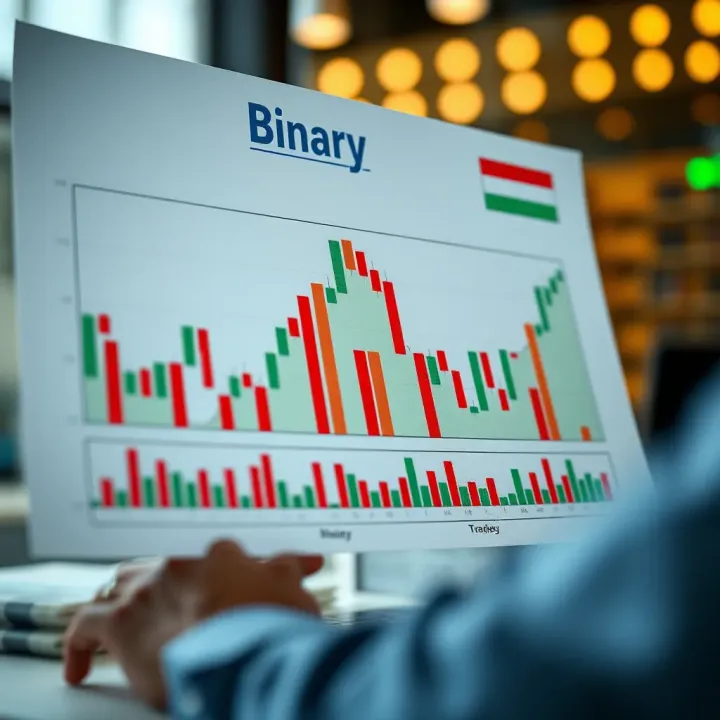
Explore binary investment basics, risks, rewards, and smart strategies ⚖️ tailored for Nigerian traders to navigate this fast-moving market confidently 📈.

📊 Get a clear, practical guide to binary options trading in Nigeria. Learn how they work, common strategies, risks, and tips for responsible trading.

Explore how binary brokers operate and learn tips tailored for Nigerian traders 🇳🇬. Understand regulation, risks, and key features to trade safely and smartly 📊.
Based on 6 reviews