

Binary Options Trading in Nigeria: A Practical Guide
📊 Explore binary options trading in Nigeria with this practical guide: learn how it works, legal tips, risks, popular platforms, and smart strategies.
Edited By
Grace Winchester
Binary options trading is gaining ground among Nigerian investors looking for a simple way to engage with financial markets. Unlike traditional trading, binary options involve predicting whether an asset’s price will rise or fall within a fixed time frame, with clear-cut outcomes: either you make a profit or lose your stake. This predictability attracts many, especially those new to investing or those who want to limit their exposure to risk.
At its core, binary options trading works like a yes/no question for various underlying assets such as forex pairs, stocks, commodities, or indices. For example, you might speculate that the price of crude oil will be above $85 at 3 pm WAT tomorrow. If you’re right, your broker pays a fixed return, often between 70% and 90% of your investment; if not, you lose what you invested.
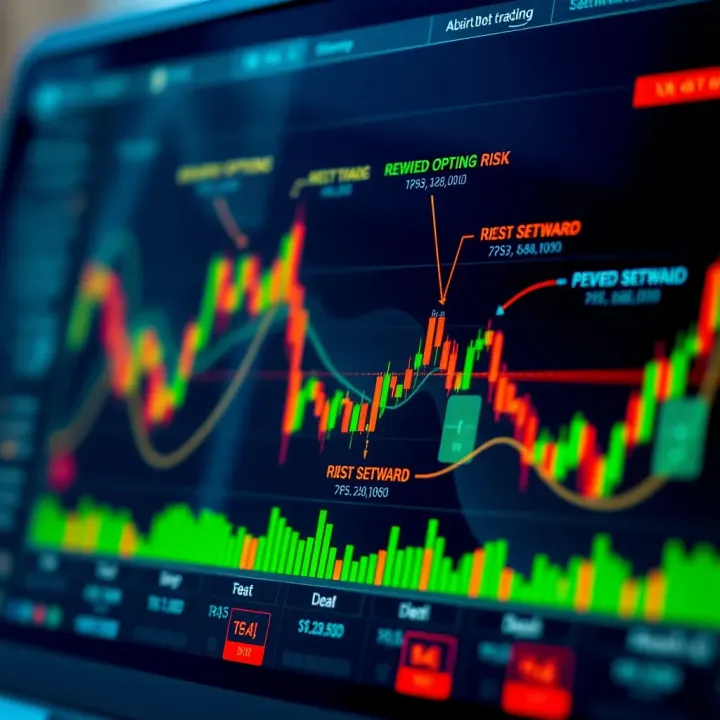
This straightforward structure means you know your maximum loss and potential gain before placing a trade, which appeals to many Nigerian traders navigating the sometimes volatile financial environment. It’s especially helpful given factors like naira fluctuations, fuel price shocks, and occasional market disruptions.
Binary options come in different types. The most common is the "High/Low" option, where you just forecast if the price goes higher or lower than the current rate. Then there are "One Touch" options, where you predict if the asset’s price will hit a specific level before expiration, often yielding higher returns but also carrying greater risks. Lastly, "Range" or "Boundary" options require guessing whether the price stays within a certain range. Each type offers different risk and reward profiles, letting you pick what suits your risk appetite.
For Nigerian investors, understanding how these options work, alongside the relevant market dynamics and regulations, is key to making informed decisions and avoiding scams common in the sector.
With this in mind, the following sections will explore strategies to improve your chances of success, point out risks to watch out for, and guide you on choosing reputable platforms adapted to Nigeria’s regulatory environment and payment systems.
In short, binary options trading offers a fixed-risk way to participate in financial markets, but it demands discipline, good research, and awareness of the local context for it to be worthwhile.
Understanding binary options trading is essential for Nigerian investors keen on exploring simplified ways to participate in financial markets. This form of trading offers clear-cut outcomes — you either make a fixed return or lose your investment. It appeals especially to those looking for straightforward investment opportunities with known risks and rewards.
A binary option is a financial contract where the payoff depends entirely on a yes/no outcome. Essentially, you predict whether an asset's price will rise or fall within a certain time frame. For example, you might bet that the price of the Nigerian Stock Exchange (NGX) index will increase over the next hour. If your prediction is correct, you receive a fixed payout. If not, you lose the amount you staked.
This simplicity makes binary options attractive as it eliminates the complexities found in traditional trading where outcomes vary widely. The fixed risk means you know upfront the maximum amount you can lose, which offers a form of budget control.
Traditional trading, such as buying shares or forex, involves owning an asset or its value shifting over time, making profits or losses elastic. You manage risks by setting stop-losses or take-profits but face variable outcomes based on market movements.
With binary options, you don't own the asset. Instead, you bet on its price direction over a short period. This creates a clear, all-or-nothing scenario, unlike traditional trading’s broader profit or loss range. For example, if you trade oil futures traditionally, your profit grows as price rises; with binary options, your gain is fixed if the price closes above your target.
In binary options, a 'call' trade means you expect the price of an asset to go up by expiry. Conversely, a 'put' trade means you predict the price will go down. Suppose you decide to trade on the price of MTN Nigeria’s shares; if you believe the price will rise within the next 15 minutes, you place a 'call.' If the price does increase at expiry, you secure the agreed payout.
This straightforward choice of direction simplifies decision-making, but the challenge lies in accurate market timing and prediction.
Expiry times in binary options vary widely — from as short as 60 seconds to several hours, weeks, or even months. Short expiry times offer quick results but increased volatility risk, while longer times provide more analysis scope.
Payouts are fixed and clearly stated before placing the trade. For instance, a binary option might offer an 80% return for a successful trade. So, if you invest ₦10,000 and predict correctly, you get ₦18,000 back (your stake plus ₦8,000 profit). If wrong, you lose your ₦10,000 stake entirely.
It’s vital for Nigerian traders to understand these fixed outcomes thoroughly before engaging, as losses are immediate and total if predictions miss the mark.
Knowing how expiry and payouts work guides you in managing your investments and expectations wisely. Choosing the right expiry time and balance between risk and reward is key to lasting success.
Understanding the common types of binary options is essential for Nigerian investors who want to navigate the market effectively. Each type has its distinct features and payout structures, allowing traders to pick options aligned with their knowledge and risk appetite. Let's break down the major types you will encounter.
High/Low options are the most straightforward and widely traded binary options. They require predicting whether the price of an asset—such as the Nigerian Stock Exchange-listed equities or currency pairs like USD/NGN—will finish higher or lower than the current spot price at expiry. For example, if you think the price of MTN Nigeria’s stock will rise within the next hour, you place a 'call' (bet that it will be higher). If you expect a fall, you place a 'put'. This simplicity makes High/Low options popular for beginners. However, even with clear direction, timing expiry correctly remains a challenge.
One Touch options pay out if the price hits a predefined target anytime before expiry, while No Touch options pay if the target price is never reached. These types are slightly more complex and suitable for traders with a good sense of price movements. For instance, if the price of crude oil, a key commodity affecting Nigeria’s economy, hits $80 (the target) at least once during the option’s life, a One Touch option will pay. No Touch options, on the other hand, benefit when markets remain stable within the expected range. This makes these options fitting for volatile assets or during times when you predict a price will avoid certain levels.
Range options require the asset price to remain within a set price range up until expiry. Conversely, if the price breaks out of this range, the option expires worthless. This type is ideal when the market is consolidating or moving sideways. For example, if the price of Naira against the US dollar is fluctuating steadily between ₦460 and ₦465, a trader might bet that it will stay within this band until the option ends. Range options have lower risk but generally offer reduced payouts compared to High/Low or Touch options because the outcome feels more predictable.
Knowing these types lets you tailor trades to your market outlook and manage risk better. For Nigerian investors, combining local market insights with these option types can add an edge.
By selecting the right type of binary option for your market view, you balance potential returns against risk exposure. Understanding when to use High/Low versus Touch or Range options can make a strong difference in protecting your capital and growing your trading gains.
Understanding the balance between risk and reward is essential for anyone interested in binary options trading. This type of trading offers predefined payouts, making the potential rewards clear from the start. However, the fixed nature of payouts also means traders face the risk of losing the entire invested capital if their predictions are wrong. Grasping these dynamics helps Nigerian investors manage expectations and make informed decisions.
One of the main appeals of binary options is their fixed payout structure. When you place a trade, you know exactly how much you stand to gain if the outcome is favourable. For example, if you invest ₦10,000 in a ‘call’ option on the NGX All-Share Index and the price rises by the expiry time, you might receive a 70% return, meaning ₦17,000 total in your account. This upfront clarity on returns simplifies profit calculations compared to traditional trading, where profits depend on the price movement magnitude.
Because payouts are fixed, some investors prefer binary options for their straightforwardness. However, the fixed payout also caps the maximum profit, no matter how far the asset’s price moves in a favourable direction. This setup suits those who want a clear, quick understanding of risks and potential earnings rather than tracking fluctuating market prices.
The biggest risk in binary options trading is the possibility of losing the entire stake on a trade. If your prediction about the market’s direction turns out wrong, you forfeit the full amount you invested. Unlike stock trading, there is no partial loss or ownership of the asset at expiry — it’s all or nothing. For instance, if you bet ₦20,000 on a currency pair moving upwards but it falls instead, you lose the whole ₦20,000.
This risk means careful money management is crucial. Nigerian traders should avoid putting large portions of their capital into single trades. Instead, spreading investments across several smaller trades reduces the impact of a loss. This approach also makes trading less stressful and helps protect your funds from sudden market shocks.
Financial markets, including those accessible through Nigerian platforms, can be volatile and unpredictable. Sudden news, geopolitical events, or economic reports often cause rapid price swings that can upset a trade’s expected outcome. Even experienced traders find it challenging to predict these movements precisely within tight expiry times.
For example, trading oil prices—a key commodity for Nigeria—can be particularly tricky during times of global uncertainty. Prices might spike or plummet unexpectedly, affecting binary options tied to oil futures. This volatility raises the stakes, making it crucial for traders to stay updated on market news and avoid high-risk trades during turbulent times.
Always remember: fixed payouts don't mean fixed risks. Being aware of the possibility of total capital loss and sudden market moves will help you trade binary options more wisely.
In summary, while binary options can offer attractive returns with known payouts, investors must weigh these benefits against the significant risks of capital loss and market unpredictability. Prudent risk management and staying informed about market conditions are key steps for Nigerian traders seeking to succeed in this field.
Understanding the regulatory environment for binary options trading in Nigeria is vital for anyone considering this type of investment. This landscape shapes the safety, legality, and operational framework within which Nigerian traders participate. With several scams targeting inexperienced investors, knowing the role of financial authorities and legal parameters helps you navigate safely and avoid costly mistakes.
The Central Bank of Nigeria (CBN) and the Securities and Exchange Commission (SEC) have distinct roles concerning financial markets and investment activities. The CBN oversees monetary policies and regulates banks but also monitors foreign exchange dealings, which ties into binary options because many trades are linked to forex pairs and international assets. Meanwhile, the SEC primarily regulates capital markets and investment products. They set guidelines that platforms offering financial products in Nigeria must follow to protect investors.
Neither the CBN nor the SEC directly license or regulate binary options trading platforms, which creates a grey zone. However, both authorities warn Nigerians about the high risk of fraud in unregulated investment schemes, including binary options. In practice, if a platform is not recognised by the SEC or lacks a valid operating licence in Nigeria, it is usually safer to avoid it.
Binary options are not illegal in Nigeria, but they are not formally regulated either. This lack of explicit regulation means many platforms operate without oversight, exposing traders to risks like fraud or sudden platform closures. Traders should remain cautious, as the legal system offers limited recourse if problems arise from dealings with unauthorized binary options brokers.
The Nigerian government and regulatory bodies are yet to establish a clear framework that formally integrates binary options within the financial market structure. Until that happens, Nigerian investors are usually advised to engage only with platforms registered abroad and with international regulatory recognition, such as the UK’s FCA or CySEC in Cyprus, as a safer measure.
A large share of binary options trading scams prey on unsuspecting investors who do not verify platform authenticity. Common red flags include promises of guaranteed returns, pressure to invest large sums quickly, lack of transparent terms, and websites with poor design or suspicious contact information. Platforms without clear registration details or with unverifiable customer support should be treated with caution.
To protect yourself from online scams, always take time to research any trading platform before committing funds. Check for independent reviews from Nigerian traders and verify whether the platform is listed on recognised international financial regulatory sites. Avoid sharing personal information or making deposits through unsecured channels.
Keep in mind: If an offer looks too good to be true—like returns of over 80% every trade—it probably is. Always prioritise platforms that comply with known regulatory standards and have solid reputations.
Using secure payment methods such as bank transfers through Nigerian banks or trusted fintech platforms can further reduce risk. Additionally, never chase losses by increasing your investment blindly, as this behaviour often leads to worsening scams.
By understanding the regulatory landscape and being alert to common fraud tactics, Nigerian traders can approach binary options with greater confidence and significantly reduce exposure to avoidable risks.
Selecting a trustworthy binary options platform is a fundamental step for anyone venturing into this trading method. A reliable platform not only protects your investment but also provides the tools and features necessary to navigate the markets confidently. For Nigerian traders, this choice carries extra weight due to local financial regulations, payment challenges, and concerns about scams.
Regulation is the cornerstone of trust when choosing a binary options platform. A platform licensed by credible financial authorities ensures that it meets standards for security, transparency, and fair trading practices. While Nigeria lacks specific licensing for binary options platforms locally, some platforms operate under international regulators like the Cyprus Securities and Exchange Commission (CySEC) or the Financial Conduct Authority (FCA) in the UK. Choosing a platform regulated by such bodies reduces the risk of fraud and ensures customer funds are protected.
Without regulation, platforms can easily engage in unfair practices such as manipulating prices or refusing withdrawals, which have caused loss for many Nigerian investors in the past. Therefore, always confirm a platform’s regulatory status before committing funds.
A clean, intuitive interface makes trading more accessible, especially for beginners. Platforms that load quickly with clearly labelled features, charts, and options reduce the chance of costly errors. For instance, platforms like IQ Option provide straightforward navigation and real-time updates, which are essential when making time-sensitive binary trades. Additionally, mobile-friendly platforms are vital for Nigerian traders who often rely on smartphones due to inconsistent power supply at home.
A complicated or cluttered interface can lead to missed opportunities or wrong trades. It’s best to test a demo account first to see if the platform suits your comfort level and trading style.
Payment options can make or break your trading experience. Nigerian investors should look for platforms that support deposit and withdrawal methods familiar to them, such as local bank transfers, USSD codes, or mobile money wallets like Paga or OPay. Credit/debit card payments can also be convenient but often attract higher fees.
Some platforms accept cryptocurrencies like Bitcoin, which have become popular in Nigeria for bypassing currency conversion hassles. However, this comes with its own risks and volatility, so careful consideration is necessary. Ensuring the platform allows easy, fast access to your funds without excessive charges or delays is critical.
Several internationally recognised platforms accept Nigerian traders and ticks most of the reliability boxes. These include:
IQ Option: Known for its regulation by CySEC and user-friendly mobile app.
Binomo: Offers simple deposit methods including local options.
ExpertOption: Provides a straightforward interface and accommodates multiple payment methods, including cryptocurrencies.
Always conduct your own due diligence; the suitability of any platform depends on your specific needs, trading preferences, and how well it handles Nigerian payment systems.
Remember, choosing the right platform is not just about fancy features but about safety, accessibility, and ease of use. Your trading success depends on a platform you can trust and navigate confidently.
Success in binary options trading hinges largely on adopting proven strategies tailored for the fast-paced market environment. For Nigerian investors, understanding how to blend analysis and money management can make all the difference between steady gains and sudden losses.
Charts serve as visual tools that display price movements over time, giving insights into market behaviour. Nigerian traders often rely on simple charts like candlestick or line charts to spot patterns. Indicators such as the Relative Strength Index (RSI) or Moving Averages help identify when an asset is overbought or oversold, which can guide decisions on placing 'call' or 'put' trades. For example, if the RSI indicates overselling on a stock listed on NSE, a trader might decide to buy a 'call' option anticipating a price bounce.
Market trends indicate the general direction in which an asset’s price is moving—upward, downward, or sideways. Recognising these trends is vital because binary options payouts depend on price predictions at expiry. When a clear uptrend is established for an asset like the Nigerian Naira against the US Dollar, investing in 'call' options may yield positive returns. Conversely, spotting a downtrend early helps avoid bad trades or even profit through 'put' options. Trend analysis tools, combined with local market news like CBN policy changes, give traders an edge.
Limiting how much you invest per trade protects your capital against unavoidable losses. It’s wise for Nigerian traders to allocate a small percentage of their available funds—say 2–5%—to each binary option trade. This approach ensures you can survive losing streaks typical in volatile markets like forex pairs involving the naira. For instance, starting with ₦5,000 per trade in a ₦100,000 portfolio prevents your money from drying up quickly and keeps you in the game longer.
Putting all your eggs in one basket makes you vulnerable if that particular asset moves against you. Diversifying across different assets like commodities (oil, gold), forex pairs (USD/NGN, EUR/USD), and stocks listed locally and internationally spreads the risk. Nigerian investors might also consider varying trade types—combining high/low with one-touch options—to balance potential gains and losses. By diversifying, you reduce the impact of sudden market shocks, such as abrupt fuel price hikes or political announcements affecting specific sectors.
Consistent profits in binary options require more than luck; they depend on careful analysis and disciplined money management.
Applying these strategies helps Nigerian traders approach binary options with smarter risk control and better market understanding, improving overall chances of success.
📊 Explore binary options trading in Nigeria with this practical guide: learn how it works, legal tips, risks, popular platforms, and smart strategies.

📊 Get a clear, practical guide to binary options trading in Nigeria. Learn how they work, common strategies, risks, and tips for responsible trading.

📊 Explore top binary options indicators with up to 95% accuracy. Learn how they work, key tips for Nigerian traders, risk management & spotting reliability.

Discover how Nigerian traders can safely navigate binary options forums 🖥️ to share insights, avoid scams, and improve trading strategies with confidence.
Based on 10 reviews