

Binary Options Guide for Nigerian Traders
📊 Get a clear, practical guide to binary options trading in Nigeria. Learn how they work, common strategies, risks, and tips for responsible trading.
Edited By
Sophie Grant
Binary options trading has gained popularity in Nigeria, attracting many eager traders looking to quick profits. But diving straight into the real market without practice is like jumping into a deep pool without knowing how to swim. That's where binary options demo accounts come into play.
These demo accounts let traders experiment with the tools, understand market behavior, and develop strategies without risking real money. This guide sheds light on what demo accounts really are, how they function, and why they're so valuable, especially for Nigerian traders navigating local regulations and market conditions.
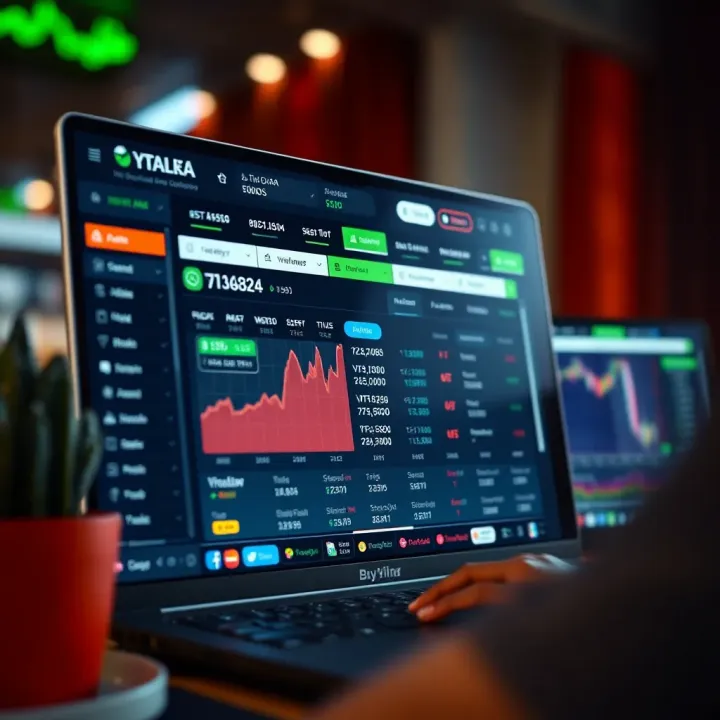
Whether you’re a fresh investor, a finance student looking to grasp trading basics, or an analyst studying trading tools, this article offers practical advice on making the most of demo accounts while avoiding common missteps.
Practicing on a demo account isn’t just recommended; it’s essential for building confidence and refining your trading skills before stepping into the live market.
In the world of trading, especially with binary options, a demo account serves as a training ground for both newbies and seasoned traders looking to sharpen their skills without the stress of losing real money. This section lays the groundwork for understanding what these accounts are, why they matter, and how they can help traders in Nigeria practice efficiently in a risk-free environment.
A binary options demo account is essentially a practice version of a real trading platform. It lets you trade with virtual money instead of real cash, so you can experiment and learn the ropes without any financial risk. Think of it as test-driving a car before buying—you're getting a feel for how things work, the controls, and how to navigate different situations. For Nigerian traders, this is especially important as it offers a safe space to get comfortable with market movements and platform operations before dealing with actual funds.
One practical benefit is that demo accounts allow you to understand the key mechanics of binary options: predicting whether an asset's price will go up or down within a certain timeframe. By practicing, you get to see how different assets behave, check your strategies, and learn how timing affects results without risking your savings.
Demo accounts aim to replicate live trading as closely as possible. They use real market data and reflect ups and downs just like actual trading platforms. For example, if oil prices fluctuate or the Nigerian Naira gains strength against the US dollar, the demo platform will mirror those changes in real-time, providing an authentic experience.
However, while prices and timing are real, the stakes are not; all profits and losses are on paper. The trading environment offers the same charts, indicators, and order types you’d find in a live account. This realistic setup means you can test different strategies—say, leveraging candlestick patterns or momentum indicators—without the fear of messing up your hard-earned money.
Practicing with a demo account is like having a dress rehearsal before the real performance. It builds familiarity with tools, market responses, and decision-making—all essential for success when you finally dive into actual trading.
In summary, understanding what a binary options demo account is and how it works is a key first step for anyone in Nigeria thinking about stepping into the trading game. It reduces risks, boosts confidence, and provides the experience necessary to make wiser moves when money is on the line.
Using a binary options demo account is one of the smartest moves a trader in Nigeria can make before diving into the real market. Think of it as your fishing pond where you can cast your line without worrying about losing the bait. This practice ground gives you a chance to understand the flow of the market and test your moves without touching actual money.
First off, demo accounts provide a risk-free environment. When you start trading with real money, emotions like fear and greed often get the best of you. Demo accounts sidestep this by letting you focus purely on learning and strategy. For example, if you want to try trading a volatile asset like crude oil, the demo account lets you see how price swings affect outcomes without financial impact.
Moreover, demo accounts help you get familiar with the trading platform. Nigerian brokers like IQ Option and Olymp Trade offer user-friendly interfaces, but each comes with its quirks. Using the demo account means you can poke around all the features — from placing trades to analyzing charts — without second-guessing whether you are spending real money.
Lastly, the demo space is a perfect test lab for various strategies. Whether you're experimenting with the classic "call and put" approach or trying an advanced tactic with indicators like RSI or MACD, the demo gives you the freedom to make mistakes and learn from them. You might discover that timing your trades right around market news releases in Nigeria can drastically improve results, something that subtle paper trading can highlight.
Practicing on a demo account is like test-driving a car — you get to understand how it handles before committing your hard-earned cash on the road.
The most important reason traders flock to demo accounts is to practice without the fear of financial loss. In real trading, a single wrong move can burn your capital fast, especially in binary options where outcomes boil down to "yes" or "no" scenarios.
For instance, if you’re a newbie trying to handle currency pairs like USD/NGN, testing your judgment about when to "call" or "put" on the demo keeps your learning curve gentle. You can place numerous trades, witness various outcomes, and fine-tune your decisions without a dime lost. This freedom lowers the stakes and builds a solid foundation before facing the pressure of real money trading.
Beyond just trading, demo accounts help you get acquainted with the tools your platform offers. Nigerian traders often have access to brokers providing features like live charts, economic calendars, and risk management tools such as stop-loss settings — learning how to use these can make or break your trading experience.
For example, Olymp Trade’s demo provides a full layout including technical indicators and real-time news feeds. By spending time in the demo, you quickly learn how to spot trade triggers, analyze trends, and set up alerts. Without this stage, jumping straight into live trading might leave you fumbling through menus and missing key market signals.
Trying out trading strategies on a live account can be nerve-wracking and costly. Demo accounts remove that barrier. You can safely explore different approaches to find what suits your trading style and local market conditions.
Say you want to try a strategy focusing on short-term trades around Nigerian stock release dates or major forex news. You can simulate multiple trades in different conditions to see how timing and asset choice impact your profitability. This trial and error process helps weed out weak strategies before risking your capital.
In short, binary options demo accounts are indispensable for grasping trading mechanics, minimizing mistakes, and building confidence—all without the financial stress. They set Nigerian traders up for a smoother transition into live markets and long-term success.
Opening a binary options demo account in Nigeria is an essential first step for anyone looking to get a feel for trading without risking real money. Given the growing interest in financial markets locally, having access to a demo account allows Nigerian traders to explore the ins and outs of binary options while enjoying a practical, hands-on learning experience. This section breaks down how to get started, what to look for in brokers, and the nitty-gritty of setting up your account.
Not every broker caters to Nigerian traders or provides demo accounts with useful features. When you're picking a broker, prioritize those who have a strong reputation, clear regulatory oversight, and user-friendly platforms. For example, brokers like IQ Option and Olymp Trade are popular for offering demo accounts with straightforward interfaces and quick access. Always check if the broker's demo account reflects real market conditions closely, because some may delay price feeds or simplify mechanics to keep things easy but less realistic.
Being selective also means reading through the broker’s terms carefully—some require a deposit before opening a demo account, while others allow free access without commitments. In Nigeria, it's crucial to pick brokers recognized by global authorities such as CySEC or FCA to reduce the risk of scams.
Signing up for a demo account is usually a swift process but can vary slightly between platforms. Typically, you’ll need to fill out a short registration form with your name, email, and phone number. Many brokers also ask for a local phone number to send verification codes, so ensure you have your Nigerian mobile number handy.
Once you've submitted your details, you might receive an email to verify your address. Don't skip this step as it activates your account and gears you up to start trading. There's usually no need to submit identification documents at this stage since demo accounts don't involve real money, but some brokers might request it to ease the transition to live accounts later.
After registration, the next step is setting up your demo account by choosing your preferred currency and sometimes your initial virtual deposit. Most platforms provide a default balance, commonly set at $10,000 or its equivalent, giving you plenty of room to experiment with different trades and strategies.

Take the time to explore the platform’s environment, adjusting settings like chart types or indicators, so you feel comfortable before placing your first trial trade. Remember, the main advantage here is that mistakes don't cost a dime, making it an ideal playground to test your assumptions.
Remember: While demo accounts are fantastic learning tools, the trading experience might not always mirror the adrenaline and pressure of real-money trading. Use this phase to build your skills, not to expect wins.
By carefully selecting your broker, smoothly registering, and diving into the demo setup with a realistic approach, you’ll lay a solid foundation for successful live trading down the road.
For anyone stepping into the world of binary options, getting familiar with the key features of demo accounts is a must. These features aren’t just window dressing; they play a significant role in how effectively you can learn, test strategies, and understand the market without risking real cash. Let’s break down what makes these accounts so valuable.
One of the biggest draws of a binary options demo account is access to real-time market data. This means you can see live prices of assets like currency pairs, commodities, or stocks exactly as they move in the actual market. The idea here is to replicate real trading conditions so you’re not flying blind when you eventually trade for real.
For example, if you’re using the IQ Option demo account, you’ll notice the price updates instantaneously, reflecting actual market shifts influenced by world events or economic reports. This kind of data access helps you sharpen your timing for placing trades — essential when binary options decisions often hinge on precise moments.
Demo accounts provide a simulated environment that mimics real trading platforms but with virtual money. The trick here is that you can experiment with trades using the same tools and execution processes without worrying about losses. It’s like having a flight simulator before you take off for real.
Take Pocket Option's demo as an example — the interface, order types, and trade execution feel just like the live version. This setup lets you get comfortable navigating the charts, placing call or put options, and understanding how payout percentages work. And if you mess up, no sweat—it’s virtual cash, so you can try again immediately.
Good demo accounts don’t just let you trade; they come equipped with tracking and analytics tools to review your performance. These features help you spot patterns in your trading habits, see where you’re making or losing money, and refine your strategies.
Platforms like Binomo provide detailed trade history, including win/loss ratios, asset performance, and even charts showing your trading results over time. For someone testing new tactics, these insights are like having a coach who points out what’s working and, more importantly, what isn't. Without this, it’s easy to repeat the same mistakes or misjudge your risk-taking.
Remember, the true value of a demo account lies in its ability to offer a near-real experience. This means not only simulating trades but also equipping you with the data and insights needed to make smarter trading choices.
Putting these features together, a well-designed demo account is your training ground. It lets you learn the ropes, understand the market flow in real-time, and evaluate your trading style with the help of solid tools — all without spending a dime. This way, when you do move to live trading, you won’t be walking in without a clue, but rather stepping in with confidence backed by practice and data.
Developing solid trading skills is a stepping stone for anyone serious about succeeding in binary options. Demo accounts serve as a practical playground where traders can sharpen their techniques without risking actual money. This section walks you through how demo accounts help build these crucial skills, making the jump to live trading less daunting.
Demo accounts give you a chance to familiarize yourself with market trends and technical indicators. Unlike textbooks that often throw around jargon, practicing with a demo account lets you see in real-time how trends evolve and how indicators like moving averages or Bollinger Bands react to market shifts. For example, observing how a 50-day moving average crossover signals a trend reversal can make a huge difference. Instead of guessing, you learn by doing, underlining the difference between a theory and a practical skill.
Risk management is often underestimated by new traders. Demo accounts let you test out stop-loss or hedge strategies with zero financial fallout. Suppose you want to try limiting losses to 3% per trade—demo trading gives you the platform to fine-tune this approach before real money’s on the line. By repeatedly practicing how to handle different scenarios, such as sudden price drops, you develop discipline that’s crucial for managing emotions in live trading.
Nothing beats experience when it comes to confidence. Demo trading simulates market conditions closely enough that repeatedly making decisions, placing trades, and seeing outcomes builds self-assurance. Say you’ve tried trading options on popular stocks like MTN or Dangote Cement in the demo. Having faced varied results while watching your account grow or shrink teaches you to trust your analysis and instincts under pressure.
Confidence earned on a demo account reduces hesitation in real trades, which often means a more decisive and informed approach.
Overall, using demo accounts isn't just about learning the mechanics; it’s about building an informed mindset and habits that form successful traders. The goal is to move from fumbling with charts to trading with purpose and clarity, making your real-money trades smarter and steadier.
Using binary options demo accounts is a smart move for anyone wanting to get the hang of trading without risking real money. But some traders fall into common traps that can lead to bad habits or unrealistic expectations. Knowing these pitfalls helps you make the most of your practice time and prepares you better for live trading.
One of the biggest mistakes is ignoring how trading in a demo account differs emotionally from real trading. When you’re using fake money, the stakes don't feel real. So, it’s easy to stay calm or even reckless. For example, you might keep experimenting with aggressive trades just because you have unlimited virtual funds. However, when real cash is on the line, the stress and fear tend to kick in, which can heavily affect decision-making.
Traders often underestimate how strong those emotions are and how much they influence their behavior. Demo accounts don’t simulate the adrenaline rush or anxiety that comes with real money. Being mentally prepared means recognizing this gap and gradually building your emotional resilience alongside your strategy skills.
Demo accounts try to copy real market conditions, but there are times when execution speed and price slips don't match what you'd face in a live market. For instance, during high volatility events like earnings announcements or economic reports, you might notice instant order fills in a demo environment, but real trading could experience delays or slippage.
If you ignore these differences, you might expect trades to always go your way, and that can cause frustration or false confidence. It’s wise to remember demo environments offer idealized conditions. To combat this, try to test demos during real market events to get a sense of how sudden changes affect pricing and order execution.
Another common error is treating demo account profits as a sure sign of your future success with real money. Remember, demo accounts erase the emotional and psychological weight of risk—plus the market conditions aren't always the same. So, winning trades in demo do not guarantee the same outcome in live trading.
For example, a trader might discover a strategy that racks up steady demo profits but completely falls apart when real funds are involved due to pressure or subtle market nuances. Instead, use demo results as a learning tool, not a crystal ball. Combine demo trading with continuous study and adjusting your approach to live market conditions.
Tip: Keep a journal during your demo trading to record not only the trades but also your emotions and decisions. This habit helps track growth and shrink the gap between practice and real trading.
Being aware of these mistakes can save you precious time and frustration, making your journey from demo to live trading smoother and more realistic.
Binary options demo accounts are fantastic learning tools, but they’re not without their drawbacks. Understanding their limitations helps traders in Nigeria prepare better for the jump to live markets, closing the gap between practice and reality. These accounts offer a risk-free environment, yet it's crucial to keep in mind that some aspects differ from real trading, which can impact your preparedness.
One of the biggest limitations of demo accounts is that you’re dealing with virtual money, not real cash. This absence of financial risk changes the whole dynamic. For instance, when using a demo account with fake funds, it’s easier to shrug off a losing trade. In the real world, every Naira you invest carries weight, affecting emotions and decision-making.
Traders who solely rely on demo trading may develop habits that won’t hold up under real stress. Imagine you’re trading on IG’s binary platform demo: while you might make bold bets casually in demo mode, stepping into a live account often triggers jitters and second-guessing due to the stakes involved. The emotional rollercoaster you avoid in demo trading can't be replicated in a virtual setting.
Demo accounts give you the playground, but not the real-world crowd watching your every move.
Another limitation is related to how trades execute and the pricing you see. Live markets are a hustle — prices shift in seconds, and execution delays can cost you dearly. In a demo account, trades often execute instantly at a theoretically ‘best’ price, without slippage or delays caused by market volatility.
Consider the scenario on platforms like Olymp Trade or Pocket Option: on a demo account, your trade might execute at the exact price you set, but in a live environment, slippage or latency might push the price unfavorably. This discrepancy can confuse new traders who expect every trade to happen exactly as planned.
Also, live markets may suffer unexpected spikes or gaps during high-impact events such as Central Bank announcements, which demo environments often smooth out or don’t replicate accurately. This means demo prices can occasionally paint an overly optimistic picture.
On top of that, some Nigerian brokers might have demo platforms hosted differently from their live systems, causing minor but impactful differences in order fills or available assets.
Understanding these limitations doesn't mean demo accounts aren't valuable. Rather, they should be treated as a part of the learning journey, complemented with cautious real money trades when you're ready. Remember, a demo is your training wheels, not your full bike ride.
Moving from a binary options demo account to real trading is a significant step. It’s about turning theory into practice and dealing with real money, which brings a different set of challenges and emotions. Understanding how to make this transition smoothly is key for any trader aiming to succeed in Nigerian markets.
One of the biggest hurdles is managing your expectations when you shift to live trading. Demo accounts remove the stress of risking actual cash, so the stakes feel lower. But once real money is on the line, emotions like fear and greed kick in. It’s important to accept that losses will happen and that profits might not be as frequent or as large as they were in the demo.
For example, if you consistently made 70% returns in your demo trades, expecting the same results immediately in live trading is unrealistic. Market conditions can change, and execution speeds might differ. Setting practical goals, like focusing on learning risk control instead of hitting a specific profit target, can prepare you mentally and emotionally.
When you step into live trading, resist the temptation to bet big right away. Starting with small investments helps you adjust to the reality of real financial exposure without risking too much capital. Think of it like dipping your toes in the water instead of jumping in headfirst.
For instance, if you have ₦50,000 allocated for trading, begin by placing trades worth ₦1,000 to ₦2,000. This way, you get to test your strategy under real market conditions while protecting your bankroll. Gradually, as your confidence and track record improve, you can increase your trade sizes.
Learning doesn’t stop once you open a real account. The markets are constantly evolving, so ongoing education is vital. Keep analyzing your trades, reviewing what worked and what didn’t, and stay updated with market news and trends relevant to Nigerian economic factors.
Additionally, many brokers allow you to keep a demo account even after starting live trading. Use it as a sandbox to test new strategies or tweak your approach before risking actual funds. Combining real trading experience with continued demo practice creates a strong foundation for long-term success.
"Transitioning from demo to real trading is less about jumping in and more about stepping carefully, learning constantly, and adjusting your mindset to handle real risks."
By setting reasonable goals, managing your money cautiously, and committing to ongoing learning, you can make the leap from demo to real binary options trading with greater ease and better chances of success.
Finding a trustworthy platform for demo trading is a big deal for Nigerian traders. With many brokers out there, not all offer the same level of reliability, ease of use, or realistic trading environments. Picking the right one can mean the difference between gaining solid experience and ending up confused or misled. When looking for a platform, Nigerians need to zero in on a few critical aspects: broker reputation and regulation, how user-friendly the site is, and the specific features offered by their demo accounts.
When it comes to reputation, you want a broker that’s well-known and has some real credentials behind it. In Nigeria, traders often check if a broker is regulated by respected authorities like the Nigeria Securities and Exchange Commission (SEC) or international bodies such as the Financial Conduct Authority (FCA) or CySEC. Regulation brings a layer of protection; for instance, it ensures your data is handled securely and that the broker follows fair trading practices.
You’ll often hear Nigerians talk about brokers like IQ Option or Olymp Trade because these platforms have established reputations globally and are regulated to a certain extent. Avoid those brokers with sketchy reviews or unverified credentials—some might promise high returns but could disappear overnight with your money.
Choosing a regulated and reputable broker isn’t just about legal safety; it’s about getting a platform that will run smoothly and provide customer support when you really need it.
Nobody wants to wrestle with a clunky interface or struggle to find essential features. Platform usability is huge, especially for those just getting their feet wet in binary trading. A good platform should be intuitive, fast, and responsive. For example, Pocket Option offers a clean layout and simple navigation, which helps beginners focus on practicing without technical hiccups.
Support also matters. If something breaks or you have questions, reliable customer service can save the day. Look for platforms that offer live chat, quick email responses, or even phone support. This can be a lifesaver when you’re stuck or need real-time help while testing trading strategies in a demo account.
Not all demo accounts are made equal. Some might throw you a few thousand virtual dollars with basic features, while others mimic real trading conditions closely. For instance, Olymp Trade’s demo account offers real-time charts and the same expiry times as the live version, giving a taste of what actual trading feels like.
When comparing demo features, consider:
The amount of virtual funds provided
Access to real-time market data
Availability of various asset options
Tools for analysis and strategy testing
Time limits or restrictions on demo usage
Demo accounts that simulate real conditions well prepare you for actual trading. So, it’s worth testing a few different brokers’ demos to see which feels most realistic and suits your style.
In the end, picking the right platform for demo trading in Nigeria boils down to trust, ease of use, and demo quality. Taking the time to compare these elements will help you get hands-on practice that’s meaningful and genuinely useful before stepping into the live trading arena.
📊 Get a clear, practical guide to binary options trading in Nigeria. Learn how they work, common strategies, risks, and tips for responsible trading.

📊 Explore binary options trading in Nigeria with this practical guide: learn how it works, legal tips, risks, popular platforms, and smart strategies.

Discover how Nigerian traders can safely navigate binary options forums 🖥️ to share insights, avoid scams, and improve trading strategies with confidence.

📊 Explore top binary options indicators with up to 95% accuracy. Learn how they work, key tips for Nigerian traders, risk management & spotting reliability.
Based on 8 reviews