

Risk Management Principles for Nigerian Businesses
📊 Understand risk management foundations and best practices to safeguard Nigerian businesses, handle uncertainties confidently, and promote sustainable growth amid challenges.
Edited By
Liam Carter
Risk management is a key part of running any business, especially in Nigeria where economic uncertainties and market fluctuations affect operations daily. It involves spotting potential threats to a company’s capital, reputation, or income, then assessing those risks to decide how best to handle them. Without proper risk management, businesses stand to lose millions of naira, sometimes irreversibly.
At its core, risk management follows a simple but vital process:

Identification: Recognising risks before they snowball. This could mean anything from currency depreciation affecting importers to unreliable power supply disrupting manufacturing.
Assessment: Evaluating how likely these risks are and the possible impact on operations. For instance, a trader may assess that fuel scarcity in Lagos will delay deliveries, increasing costs by 10-15%.
Control or Mitigation: Taking actions to reduce or manage risk. Nigerian businesses often do this by diversifying suppliers or investing in backup power like generators despite high fuel costs.
Monitoring: Continuously reviewing risk factors, especially during volatile periods like ember months when spending and demand surge.
Understanding these principles helps traders, investors, and analysts make better decisions. Nigerian fintech platforms like Paystack and Flutterwave have improved risk visibility by offering real-time transaction data, allowing businesses to spot anomalies quickly and act.
Risk management is not about eliminating risk altogether but managing it smartly to protect business assets and ensure sustainability.
Practical examples in Nigeria include stockbrokers who hedge portfolios to guard against Naira volatility or agro-businesses insuring crops against unpredictable weather patterns. Even banks require customers to provide Bank Verification Number (BVN) and National Identification Number (NIN) to reduce fraud risk.
By applying sound risk management techniques, Nigerian businesses can safeguard investments, navigate regulatory demands, and maintain customer trust. The strategies and tools discussed in this article aim to equip professionals with the know-how to face uncertainty head-on, turning potential threats into manageable challenges.
Risk management refers to the process of identifying, assessing, and handling potential threats that could affect a business's assets, income, or reputation. In Nigeria's complex and often volatile business environment, defining risk management clearly is essential. It allows traders, investors, and financial analysts to prepare proactively rather than reactively, reducing surprises and keeping operations smooth.
Risk represents uncertainties that could cause harm or loss. These threats might come from currency swings, unreliable power supply, or disrupted supply chains— all common challenges in Nigeria. For example, a trading company dealing in imported goods might face risks if the naira weakens suddenly against the dollar, increasing costs unexpectedly. Recognising these potential threats early helps businesses plan practical steps to minimise their damage.
At its core, risk management aims to protect the business from losses while supporting its growth. This involves not only reacting to risks but preventing them from becoming crises. Firms seek to maintain financial stability, safeguard resources, and uphold customer trust. For instance, a Lagos-based fintech startup could implement strong cybersecurity measures to avoid hacks, thereby securing users’ confidence and its own reputation.
Assets in business include more than just cash or property. Human talent, intellectual property, and brand reputation also count and need safeguarding. Without managing risks, a company risks losing these valuable resources. Consider a manufacturing firm with outdated machinery vulnerable to breakdowns, leading to high repair costs and lost production days. Risk management helps such firms identify weaknesses and allocate funds for maintenance or upgrades ahead of time.
Unpredictability in Nigeria’s market—whether from fuel scarcity causing generator downtime, political unrest, or regulatory shifts—threatens smooth operations. Businesses that plan for these disruptions by setting contingency plans, such as alternative power sources or diversified suppliers, can maintain continuity where others stumble. One example is a retail chain in Abuja maintaining stock through multiple supply routes to avoid a curt supply due to road closures or strikes.
A company that manages risks openly and efficiently tends to attract investors and retain customers better. Confidence comes from knowing the business can withstand shocks without collapsing. For traders and brokers, this means presenting clear risk policies and mitigation plans not only persuades investors to commit funds but also assures customers of consistent service delivery. This trust is sometimes the difference between a firm succeeding or shutting down in competitive Nigerian markets.
Implementing risk management is much more than a defensive move; it strengthens your business foundation and can create a competitive edge by making your operations more resilient and dependable.
In summary, defining what risk management means and recognising its purpose allows Nigerian businesses to protect their investments, continue operating amid uncertainties, and build lasting trust with stakeholders. These foundations are critical in managing risks while chasing growth in environments filled with both promise and unpredictability.
Organisations must understand the types of risks they face to manage them effectively. Recognising specific risks helps business leaders in Nigeria and beyond prepare appropriate responses to protect their investments and operations. The categories of risk covered here address financial, operational, legal, and reputational challenges common to many firms.
Currency fluctuations and naira volatility are a serious concern for Nigerian businesses, especially those involved in import-export or foreign currency transactions. The naira often experiences instability due to external pressures like global oil prices or local monetary policies, which can cause sudden swings in exchange rates. Businesses holding dollar-denominated debts or those relying on imported raw materials may suffer cost overruns or profit erosion if the naira weakens unexpectedly.
Credit and liquidity risks impact firms' ability to meet obligations such as loan repayments or supplier invoices. In Nigeria, tight credit conditions and fluctuating interest rates can restrict access to capital. Companies without proper cash flow management may find themselves unable to pay salaries or maintain operations during downturns, resulting in lost business or damage to their creditworthiness.
Supply chain disruptions have become frequent due to infrastructural issues and border inefficiencies. For instance, delays at Nigerian ports affect timely delivery of goods, causing production slowdowns. Businesses depending on imported parts or materials from Asia or Europe can face cascading delays, which increase costs and impact customer satisfaction.
Power supply challenges and costs remain a daily hurdle. Many Nigerian companies rely on diesel generators due to unreliable national grid services. This leads to higher operational expenses and unpredictability in production schedules. Firms must budget for rising fuel costs and equipment maintenance, which affects competitiveness.
System failures and process inefficiencies can slow down operations and increase error rates. For example, banking firms relying on outdated software may experience transaction downtimes, creating customer dissatisfaction and data risks. Streamlining processes and investing in reliable technology help reduce these operational setbacks.
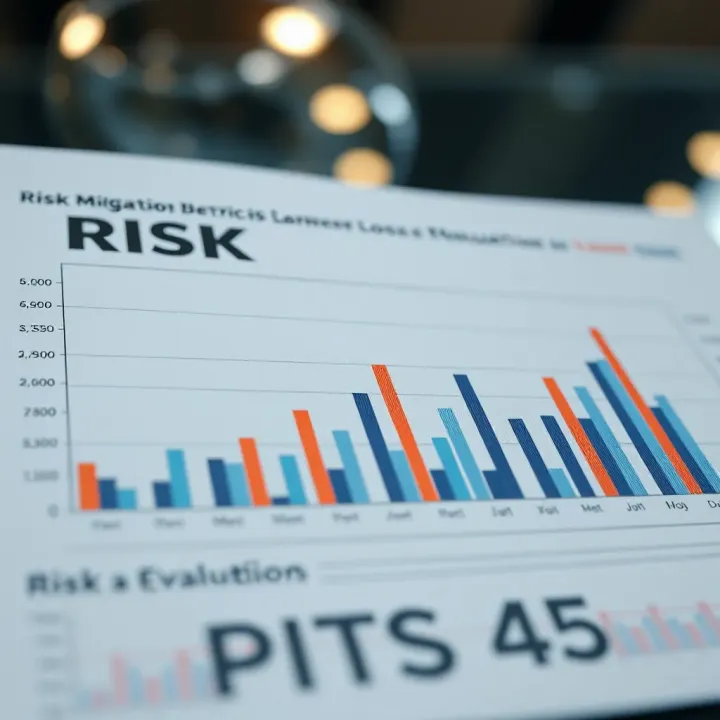
Adherence to Nigerian regulations is non-negotiable. Businesses must comply with tax laws, environmental standards, labour rules, and sector-specific regulations to avoid penalties. For example, failure to properly register with the Federal Inland Revenue Service (FIRS) or obtain necessary licences can halt operations or attract fines.
Consequences of non-compliance include heavy fines, licence revocations, or legal suits. A manufacturing company neglecting safety standards might face closure or lawsuits after accidents. These risks not only drain finances but damage company reputation, sometimes irreparably.
Damages from social media and public perception arise quickly in today’s connected world. Negative narratives spread fast on platforms like Twitter or Facebook, affecting customer opinions. For instance, a bank accused of poor customer service or fraud can see a swift drop in trust, regardless of the actual facts.
Impact on customer loyalty is a long-term consequence of reputational harm. Once clients lose confidence, switching to competitors is natural, affecting revenues and growth. Maintaining transparent communication and swift responses to crises helps protect loyalty and brand value.
Understanding these risk categories and their practical effects puts Nigerian organisations in a better position to design defence mechanisms that protect capital, maintain operations, and sustain growth.
Effective risk management relies on clear, structured processes to identify, assess, control, and monitor risks. These steps help businesses spot potential threats early, evaluate their impact, and put in place measures to minimise damage. In Nigeria’s volatile market, following these processes keeps ventures resilient against unexpected shocks, from currency swings to power outages.
Risk identification involves spotting possible risks before they cause harm. Organisations use tools like risk checklists, SWOT analysis (Strengths, Weaknesses, Opportunities, Threats), and scenario planning to highlight vulnerabilities. These techniques give a clear picture of where a business might be exposed — whether internally or externally.
In Nigeria, for example, many manufacturers use supply chain mapping to identify weak links, such as reliance on imported raw materials vulnerable to foreign exchange fluctuations. A Lagos-based tech startup might assess risks from unreliable power supply by cataloguing downtime patterns and generator costs. These practical exercises help firms pinpoint specific threats to address.
Once risks are identified, evaluating their likelihood and potential impact is essential. This step assigns probabilities and possible consequences, allowing firms to understand which risks could threaten their ₦100 million investments most severely. For instance, a bank assessing cyber threats will consider the chance of an attack and how much financial damage it might cause.
Prioritising risks follows naturally from assessment. High-impact and high-likelihood risks get immediate attention, while less severe threats are monitored. A typical prioritisation matrix helps decision-makers allocate scarce resources effectively. For Nigerian businesses, this might mean focusing on forex risk and regulatory compliance first before addressing reputational risks.
Control strategies aim to reduce the chance or impact of key risks. Nigerian firms often diversify suppliers to avoid disruption or invest in backup generators to tackle power issues. These proactive steps lower vulnerability.
Insurance and hedging are crucial tools here. For example, an exporter might hedge currency risk with forward contracts to lock in favourable exchange rates, reducing exposure to naira volatility. Insurance policies protect against losses from theft, fire, or business interruption.
Contingency planning sets out clear actions if risks materialise. A financial institution might have a cyber incident response plan, while a manufacturing firm may schedule alternative logistics routes in case of road closures during ember months. Such plans ensure quick recovery and minimise downtime.
Risk management isn’t a one-off task. Continuous risk tracking ensures businesses respond to changes in their environment. For instance, regular review of Nigerian financial policies or market conditions helps firms pivot strategies before problems escalate.
Adapting to new threats means updating risk registers and mitigation plans. The Nigerian economy changes fast—whether due to fuel subsidy adjustments, political developments, or technological disruptions. Successful firms keep their risk frameworks flexible to stay ahead and safeguard operations.
Consistent, practical processes in risk management enable Nigerian businesses to protect assets, maintain operations, and build resilience in an ever-shifting market.
Identify risks clearly using practical tools
Assess and prioritise risks based on real impact
Control risks with targeted strategies
Monitor and update regularly to adapt
Following these processes helps investors, traders, and finance professionals manage uncertainty realistically and confidently.
Risk management plays a vital role in shaping business decisions by helping organisations anticipate uncertainties and plan accordingly. It turns risky situations into manageable challenges, ensuring decisions are grounded in reality rather than guesswork. For traders, investors, and analysts in Nigeria's dynamic economy, this approach is not just useful—it's necessary to survive fluctuating markets and regulatory shifts.
Integrating risk into business goals means recognising potential threats and opportunities while setting company objectives. When businesses in Lagos, Abuja or Port Harcourt outline their expansion plans, embedding risk considerations early prevents costly surprises down the line. For example, a fintech startup looking to scale will weigh the risk of cyber-attacks or regulatory changes before committing ₦50 million to infrastructure. This foresight guides prioritising investments and aligns goals with the economic environment.
Balancing risk and opportunity is about making decisions that do not avoid risk altogether but manage it to harness growth. A trading firm dealing in forex must weigh the risk of currency volatility against the chance of profitable trades. By assessing this balance, the firm can set limits to loss exposure while pursuing gains. This mindset enables Nigerian businesses to pursue higher returns without reckless gambles, especially given the naira’s frequent instability.
Reducing unexpected costs through risk management helps businesses keep their margins intact. A manufacturing company in Ogun State might face erratic power supply, leading to the heavy use of generators. By assessing this operational risk, the firm plans fuel budgets accurately, avoiding surprise expenses that sabotage profits. On top of that, risk controls such as backup power solutions or negotiating better DISCO tariffs reduce vulnerability.
Improving resource allocation means directing money, staff, and time to areas with the best return on investment and lowest risk exposure. For instance, a bank managing loan portfolios uses risk data to favour sectors with solid credit history, reducing default rates. This focused allocation prevents waste on high-risk clients or unprofitable ventures. In the Nigerian context, this approach helps companies deal with a volatile economy and stiff competition more smartly.
Effective risk management supports smarter decision-making by anchoring business plans in practical risk awareness. It safeguards investments, improves operations, and sets firms on a steadier path to success.
Risk management frameworks and standards provide a structured approach for organisations to identify, assess, and manage risks systematically. For traders, investors, and finance professionals in Nigeria, these frameworks guide consistent decision-making, ensuring that risks are not handled haphazardly but through a methodical process. They improve transparency, help meet regulatory demands, and enhance confidence among stakeholders by showing that the organisation takes risk seriously.
ISO 31000 is an international standard designed to help organisations manage risks effectively. It outlines principles and guidelines for establishing a risk management process tailored to any sector or size of business. For Nigerian firms, adopting ISO 31000 means embedding a globally recognised method that can help manage everything from currency fluctuations to power supply interruptions methodically.
ISO 31000 is practical because it encourages continuous risk assessment, aligning risk appetite with business objectives. For example, a Nigerian bank using ISO 31000 might routinely evaluate foreign exchange risks and adjust its practices accordingly, reducing vulnerabilities caused by naira volatility.
In Nigeria, regulatory bodies like the Securities and Exchange Commission (SEC) and the Central Bank of Nigeria (CBN) set rules that enforce certain risk management practices, especially for financial institutions. These regulations often require companies to maintain adequate capital buffers and implement risk controls appropriate to their operations.
For instance, the CBN’s risk-based supervision framework pushes banks and microfinance institutions to identify risks early and have mitigation strategies ready. This local framework supports Nigeria's unique challenges such as inflation, power costs, and supply chain issues, ensuring firms comply with the law while managing risks effectively.
Implementing a risk management framework typically starts with top-level commitment from management, followed by risk identification and assessment. Organisations then develop policies and procedures that match their specific risk environment. Training staff and integrating technology for risk monitoring comes next, ensuring that risks are tracked and reported clearly.
For example, a manufacturing company in Lagos might adopt a framework by first creating a risk committee, then mapping out operational risks like power outages or logistics delays, and establishing contingency plans. This structured approach keeps risk management active and relevant.
Despite the benefits, Nigerian companies often face obstacles adopting such frameworks. Common issues include limited expertise in risk management, reluctance to allocate budget for comprehensive systems, and the complexity of Nigeria’s regulatory landscape.
Additionally, irregular power supply and infrastructural gaps sometimes make consistent risk monitoring difficult. A retailer might struggle to maintain digital records due to frequent outages, hampering timely risk responses. Overcoming these challenges requires practical steps like leveraging cloud-based risk tools, investing in staff training, and engaging consultants familiar with local realities.
Embedding recognised risk management frameworks like ISO 31000 alongside compliance with Nigerian regulations not only shields businesses from surprises but also signals to investors a readiness to safeguard ₦100 million investments or more with due diligence and foresight.
In Nigeria's volatile business environment, practical approaches to risk management don't just help avoid losses — they safeguard the future of your investments and operations. This section focuses on actionable advice that businesses and investors can apply right away, drawing from local examples to highlight effectiveness.
Training and staff engagement are the backbone of any risk-aware organisation. Without the workforce understanding the risks specific to their roles, companies risk costly errors or oversight. Nigerian firms like Access Bank have shown that regular workshops and tailored training sessions help staff spot early warning signs — from suspicious transactions to supply chain hiccups — before these escalate into bigger problems. When employees are involved actively, risk management moves away from a box-ticking exercise to a daily practical mindset.
Encouraging transparent communication means creating an environment where employees feel safe to report concerns without fear of blame. For many Nigerian companies, cultural barriers often slow down such openness. Encouraging honesty through anonymous reporting systems or open-door policies can reduce risks that often hide in silence, such as fraud or operational failings. For example, manufacturing plants in Lagos adopting weekly risk review meetings have found that transparent conversations lead to prompter corrective action and stronger teamwork.
Software tools for risk tracking enable businesses to stay updated on changes that could impact their operations. Platforms like SAP Risk Management or local fintech risk solutions provide dashboards that alert management about market fluctuations, compliance deadlines, or unusual financial transactions instantly. Nigerian SMEs using these tools reported quicker responses to supplier delays and currency swings, especially amid naira instability.
Data analysis for better insights takes things further by turning raw numbers into clear patterns. Nigerian investment firms rely on big data and AI-driven analytics to predict market behaviours or credit risks, helping them make more informed decisions. For example, insurers analysing past claim trends can identify high-risk policies and adjust premiums or coverage, cushioning potential losses.
Updating policies with changing conditions is vital because what worked last year may fail next year. Nigerian sectors like oil and banking face evolving regulations and economic shifts regularly. Companies that review their risk frameworks quarterly tend to spot emerging threats — such as policy changes by the Central Bank of Nigeria or fuel subsidy adjustments — and adjust strategies accordingly.
Learning from past risk events means treating each incident as a lesson rather than a setback. When a supply chain delay caused by political unrest in the Niger Delta affected a Lagos-based distributor, the firm conducted a thorough review afterward. They improved supplier diversification and logistics plans to build resilience, ensuring better preparedness for similar hiccups in future.
Risk management isn’t a one-off activity but a continuous cycle demanding attention, involvement, and adjustment by every level of the organisation.
Putting these practical tips in place ensures Nigerian businesses, investors, and traders are not just reacting to risk but staying ahead of it in a dynamic environment.
📊 Understand risk management foundations and best practices to safeguard Nigerian businesses, handle uncertainties confidently, and promote sustainable growth amid challenges.
📊 Understand risk in risk management—definitions, types, and nigeria-specific challenges. Learn how risk shapes business & personal choices in our economy.

Learn how Nigerian businesses manage economic shocks, security risks, and regulatory changes to protect assets and grow steadily 📈💼. Practical strategies inside!

Risk management certification in Nigeria builds your skills to spot and reduce risks across sectors, boosting career growth and meeting rising business demands 📊🔥
Based on 5 reviews