

How Binary Login Systems Work and Their Uses
🔐 Explore how binary login systems work, their security roles, authentication steps, vulnerabilities, and tips for safe digital access in Nigeria.
Edited By
Sophie Lambert
In today's fast-paced digital world, understanding how computers speak their own language is more than just tech jargon—it's a key skill, even for those outside the IT sector. At the heart of this digital conversation lies binary code, a series of zeroes and ones that are incomprehensible to humans without the right tools.
Binary code translators act like interpreters, converting the machine's language into something we can read and use. Imagine trying to read a novel written entirely in Morse code — that's what dealing with raw binary can feel like without these translators.
This article will break down what binary code translators are, how exactly they work, and why they're becoming increasingly relevant, especially in Nigeria's vibrant technology scene. For traders, investors, analysts, and finance students, grasping these concepts isn't just about tech—it's about understanding the backbone that supports the digital economy and the tools shaping the future.
By the end, you'll know how these translators enable computers and humans to work together seamlessly, providing a clear edge in making informed decisions in tech-related fields and beyond.
Understanding binary code translation isn't just tech talk—it's about getting the digital world to speak your language.
Understanding binary code is the backbone of how modern computers operate. In simple terms, binary is the language that computers speak — a system of ones and zeros. This might sound basic, but that simplicity allows devices to perform highly complex tasks. Every instruction, every piece of data inside a device, from running apps to displaying a webpage, ultimately boils down to binary code.
In the context of technology and finance, knowing the basics of binary code helps us appreciate how data moves, is stored, and manipulated by software tools in trading platforms or financial analysis applications. It’s like understanding the dialect spoken behind the scenes—without it, everything appears as a black box.
Binary numbers represent values using only two digits—0 and 1. Unlike the decimal system we're used to, which uses ten digits (0 to 9), the binary system counts based on powers of two. This compact notation makes it easier for electronic components, such as transistors within CPUs, to interpret signals as either on (1) or off (0).
Imagine you have a row of light switches. Each switch can either be flipped up or down. Each combination of switches represents a unique number. This analogy helps grasp how binary numbers form the basis of encoding information. For instance, the binary number 1011 corresponds to the decimal number 11 (1×8 + 0×4 + 1×2 + 1×1).
Computers rely on binary because it's reliable and straightforward to implement with hardware. Electrical circuits find it simpler to detect two states — powered or unpowered, high voltage or low voltage — than trying to recognize multiple voltage levels accurately. This makes binary less prone to errors and easy to design with digital components.
In practical terms, this means your smartphone's processor doesn't get confused between tiny fluctuations of electrical signals. It reads clear yes-or-no signals to process instructions fast and accurately. Without this system, computers wouldn't be as efficient or as scalable as they are today.
Binary data is organized into bits and bytes. A bit (short for binary digit) is the smallest unit of data, representing a single 0 or 1. However, using just one bit limits the amount of information conveyed, so bits combine into groups called bytes.
A byte is typically 8 bits long. For example, the binary sequence 01001011 makes one byte, which can represent the capital letter 'K' in ASCII encoding. Bytes are the standard building blocks for storing data in a computer and allow representing 256 unique values (2 to the power of 8).
To put it plainly, think of bits like individual letters and bytes like the words they form. Just as words make meaningful sentences, bytes combine in larger structures to form files, instructions, or multimedia.
Binary is not just for representing numbers or letters. Different data types use binary formats suited for their needs. Here are some examples relevant to finance and tech:
Text data: Uses encodings like ASCII or UTF-8, where each character maps to a byte or series of bytes.
Images: Stored as binary files using formats such as JPEG or PNG, which encode visual information in compressed binary sequences.
Audio: Formats like MP3 or WAV convert sound waves into binary samples.
Financial Data: Trading software often uses binary protocols (e.g., FIX protocol) that compactly send market stats and transactions.
Getting familiar with these formats saves time when troubleshooting software, understanding market feeds, or tweaking applications to be more efficient.
By grasping what binary means and how it operates behind the scenes, you’re better positioned to understand the role of binary code translators — the tools bridging human-readable data and raw machine instructions critical in today's financial tech environment.
Understanding binary code translators is key for anyone diving into the tech world, especially those in Nigeria's growing digital space. These tools are the middlemen between raw binary data — what computers actually speak — and human-readable formats. They make it possible to interpret, edit, or transfer information across systems without errors or confusion. For finance professionals and analysts dealing with digital data formats, knowing how these translators work can clarify why some software behaves a certain way or why data errors crop up.
At its core, a binary code translator converts binary strings into understandable formats like readable text, numbers, or commands, and vice versa. Say you’re pulling transaction data encoded in binary from a server; a translator helps turn those 1s and 0s into meaningful figures or timestamps you can actually work with. Without this, interpreting raw machine language demands heavy technical skill or specialized software.
Beyond readability, these translators enable systems with different coding standards to talk to each other. For example, when a Nigerian market app exports sales figures in binary and a desktop accounting tool reads ASCII text, the translator bridges that format gap. This expands interoperability and reduces errors stemming from incompatible data formats.
At a simplified level, a binary code translator works by taking binary input and matching each pattern to a predefined character or data unit. Think of it like a decoder ring from childhood, but far more advanced. The translator uses lookup tables or algorithms related to the encoding standard—like ASCII or UTF-8—to swap bits into characters.
For example, the binary sequence 01001000 01100101 01101100 01101100 01101111 translates to "Hello" in ASCII. The translator reads these chunks of 8 bits (bytes), matches them to their corresponding letters, and then outputs the human-readable word. It’s a straightforward process but very efficient, allowing translation at lightning speed behind the scenes.
While the terms sound similar, translating and converting binary data serve slightly different purposes. Translating typically involves mapping data from one language or encoding standard into another directly readable form. It's like converting Morse code into plain English—it keeps the meaning but changes the form.
Converting binary data, by contrast, might involve changing the base or format itself—say, converting binary to decimal or hexadecimal values for computation or debugging. For example, software developers often convert binary memory dumps into hexadecimal to quickly identify issues.
In short, translators change data’s "language," while converters change its format or numerical system.
The choice between translating and converting depends on your goal:
Translating is used when you need to read or display the data as text or characters, such as showing a user message or inputting commands.
Converting is employed in development or analysis when raw numeric values need switching from one base to another (binary to decimal) or when preparing data for processing by specific tools.
For example, a trading platform might translate encrypted order data into readable text for the broker but convert the same binary data into decimal form within its analytics engine.
Being clear on these differences helps avoid confusion in software development, data analysis, or when troubleshooting data transmission issues in any tech-driven workspace.
In computing and tech fields, understanding different types of binary translators is a foundation stone for bridging human-readable data and machine code. Not all translators work the same—each serves a specific role depending on the kind of data or the purpose of conversion involved. By getting familiar with these types, traders and finance professionals can better appreciate how data moves and is processed in digital environments, especially when dealing with encrypted or encoded information.
For example, in financial software analyzing market trends, the accuracy of binary translations can influence how quickly data is interpreted and decisions are made.
Text to binary translators work by converting readable characters into their binary equivalents using character encoding standards like ASCII or Unicode. Think of it like translating English words into the language of 0s and 1s that computers understand. For instance, the letter "A" in ASCII becomes 01000001 in binary.
This process is crucial in fields like finance where reports, transaction data, or market news may need to be encoded for processing or secure transmission. Being able to convert text into binary enables software systems to store and manipulate this data efficiently.
These translators are widely used in data entry systems, encryption software, and communication tools. In Nigeria's growing fintech sector, companies might use text-to-binary conversion to secure customer details during online transactions or convert messages into binary for digital signing.
Trading platforms sometimes convert commands or trading signals into binary formats to speed up processing and reduce errors in high-frequency trading operations.
Binary to text decoders reverse the process by interpreting sequences of 0s and 1s back into human-readable characters. This function is essential when extracting information from stored or transmitted binary data.
For traders and analysts, this might mean decoding transaction logs or market feeds that arrive in binary form to understand the content without losing meaning. Precision here matters—if decoding messes up, you might miss a key alert or financial figure.
Many online tools and software apps like CyberChef or BinText offer user-friendly interfaces to decode binary into text rapidly. They help finance professionals analyze binary-encoded data without manual conversion, saving time and minimizing errors.
These tools can also handle various encoding formats, which is useful because data from different sources often use different schemes.
Converting binary into decimal or hexadecimal forms is common in software development and debugging. Hexadecimal, for instance, is more compact and easier for humans to read than raw binary but still closely tied to machine-level data.
In finance software, developers might use hexadecimal conversion for memory addressing or inspecting data packets, ensuring that algorithms function as intended.
Binary translators that perform these conversions help programmers detect bugs, verify data integrity, and understand complex binary sequences. Debuggers in Integrated Development Environments (IDEs) often allow viewing values in binary, decimal, and hexadecimal side-by-side.
This kind of precision is particularly significant in financial systems where an unnoticed bit error can skew calculations or cause false signals.
Understanding these types of binary translators equips you with the insights to better manage data exchange and debugging challenges in tech-driven financial environments. Whether securing client data or developing market analysis tools, choosing the right translator impacts both efficiency and accuracy.
Understanding the step-by-step process of how binary code translators work helps demystify the bridge between human-readable data and the machine language computers understand. This knowledge is crucial, especially for traders, analysts, and developers in Nigeria’s tech sector, where accurate data exchange and software reliability are non-negotiable. At the core, binary translators systematically take input data, process it, and generate an output that matches the desired format — all while ensuring minimal errors.
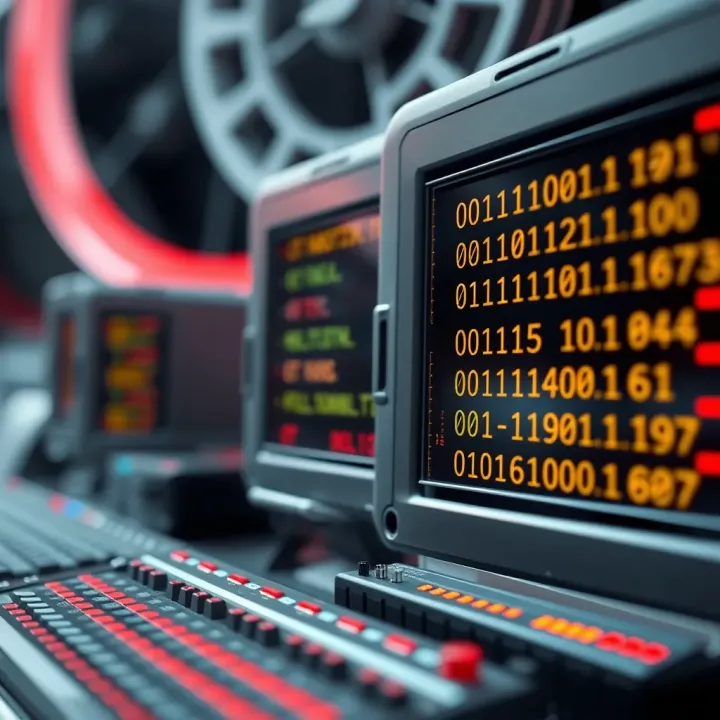
The first step in binary translation is to read the input data correctly. For example, when you enter a plain text message, the translator detects the form of that input — whether it's ASCII text, raw binary digits, or even hex code. This step matters because misreading can lead to corrupted outputs or failed conversions. Practically, reliable translators scan the data stream and segment it into manageable parts, ensuring that each bit of information is identified before moving forward.
Once the input is read, error checking kicks in. This is like proofreading before translating; the translator spots and flags unexpected characters or formatting issues. For instance, if the input string includes non-binary characters where only 0s and 1s should exist, the tool will highlight this problem. Validation ensures the integrity of the data, which is particularly important in financial tech systems where even a flipped bit can cause transactional chaos.
Behind every binary code translator lies a set of algorithms driving the conversion. These are step-by-step instructions programmed to turn a piece of text or data into its binary equivalent, and vice versa. Common techniques include simple lookups in a character table, such as ASCII or UTF-8, or more complex bitwise operations for numeric data. Efficient algorithms boost speed and accuracy — critical for fast-paced market analysis or automated trading systems.
Different countries and platforms may use various character encodings — ASCII, UTF-8, or others — and the translator needs to handle these gracefully. Nigeria’s growing software landscape often requires tools that can switch between encoding standards seamlessly to avoid data misinterpretation, especially when dealing with international collaborators or systems.
After conversion, the final step is presenting the output clearly. Whether the result is a string of binary digits, a readable text, or a hexadecimal code, the translator formats it in a way that’s easy for users to comprehend and use immediately. For example, a binary string might be spaced into bytes for better readability.
Good binary translators often offer choices in output formatting to suit different needs. You might want output in binary, decimal, hex, or even as a downloadable file. This flexibility supports various workflows — from quick lookups to deeper data analysis or integration with other software.
In trading and tech development, understanding how binary code translators process and convert data helps reduce errors, improve communication, and drive efficiency.
In summary, knowing how binary code translators work step by step empowers tech-savvy professionals and developers. It clarifies the crucial behind-the-scenes actions, enabling smarter decision-making when working with digital data across Nigeria’s emerging tech scene.
Binary code translators play a hands-on role in various fields, especially in today's tech-dependent world. They bridge the gap between how machines process information and how humans understand that data. This isn’t just some abstract concept reserved for computer labs — these translators are behind everyday tasks that touch programming, communication networks, and education.
By making binary data understandable, these tools help developers write better code, help networks send information accurately, and give students a way to grasp how machines think. In Nigeria’s growing tech sector, mastering these practical uses is essential for pushing innovation forward and building systems that are both efficient and reliable.
Computer programmers lean heavily on binary translators when writing and debugging code. When a developer writes software, it typically starts in a human-friendly language like Python or Java. But computers only understand binary. Transltors convert the human code into binary to run on machines, and reverse the process when programmers need to debug. Without this back-and-forth, finding mistakes buried deep in machine instructions would be like locating a needle in a haystack.
For example, if a coder gets a weird bug, a binary code translator can expose the exact sequence of 1’s and 0’s the machine sees, making it easier to spot where things go wrong. Tools like Visual Studio and GDB use these translators implicitly to show developers what’s happening behind the curtain.
Beyond basic coding, developers manipulate binary directly for tasks like optimization, cryptography, and system programming. Binary code translators help convert segments of binary data into readable forms for editing, then back again for execution.
Consider firmware development, where programmers work right down at the hardware level. Tools such as IDA Pro and Radare2 translate raw binary into assembly, allowing experts to tweak software that runs devices from smartphones to the ATMs common in Lagos banks. This precise control is impossible without reliable binary translation supporting the workflow.
Communication networks depend on flawless data encoding to transmit messages across distances. Binary code translators convert textual or multimedia data into binary streams that networks send over wires or wireless signals. On the receiving end, they turn those bits back into meaningful content.
Take internet browsing in Nigeria: when you load a webpage, millions of binary sequences zip invisibly through fiber cables and cell towers. Translators ensure this data is encoded correctly, so images, text, and videos appear just right on your device.
Networks aren’t perfect; errors creep in during data transmission. To counteract this, binary translators work closely with algorithms that insert extra bits for error detection and correction.
Techniques like parity bits and cyclic redundancy checks (CRC) are binary-driven safeguards. If the receiver detects a mismatch, it can request the data again or fix minor errors automatically. Without such translators enabling accurate binary manipulation, communications would suffer from dropped calls, distorted videos, and corrupted files.
Teaching binary can be tricky — concepts like bits, bytes, and encoding aren’t everyday language. Binary code translators provide interactive ways to visualize how computers work under the hood. In classrooms throughout Nigeria, educators use these tools to demystify intimidating topics.
Tools like Binary Fun and Code Monkey’s binary translator let students type a letter and see its binary equivalent instantly. This hands-on learning cements understanding better than just reading theory.
Practicing binary translation gives students deeper insights into how data transforms throughout computing systems. Exercises like converting text to binary and back, or experimenting with simple error-checking codes, make abstract ideas concrete.
For instance, in a practical lab, learners might use a binary translator to encode messages and test network error corrections, connecting theory to real-world scenarios — a vital step for future programmers and tech professionals in Nigeria’s fast-growing digital economy.
Understanding how binary translators work in these practical ways equips the next generation to design smarter systems and boost Nigeria’s emerging technology scene.
From programming to communication, and education, the many practical applications of binary code translators show how these tools are more than just technical gadgets. They’re fundamental building blocks for creating reliable, understandable digital solutions that power our daily lives.
Binary translators quietly power many day-to-day tech gadgets and services, turning complex machine language into formats that both devices and humans can handle. These translators are essential for devices to work smoothly, especially in tech-savvy environments like Nigeria’s rapidly growing digital scene. Without them, smartphones, computers, and even digital media would stay locked in unreadable code.
Consider the simple act of sending a text message on your phone. Behind the scenes, binary translators convert your keystrokes into binary data, which then travels through networks and is translated back into readable text for the recipient. This straightforward process is a perfect example of how these tools bridge the gap between human communication and machine processing, enabling seamless interactions.
Smartphones rely on binary translators every second they’re in use, silently converting user inputs, sensor data, and app instructions into binary code the device’s processor understands. This processing is not just about converting text but involves a continuous stream of data conversions — from touch inputs into actionable data to playing a video or recording sound.
Without accurate binary translation, your device could misinterpret commands, leading to glitches or crashes. For example, when you open WhatsApp, the incoming message data is encoded in binary, translated into readable text, and displayed on your screen. This constant back-and-forth ensures your phone responds correctly and efficiently.
Many mobile apps leverage binary translators to handle different types of data:
Banking Apps: When you transfer money, data is translated into secure binary formats that the app and banking servers understand, safeguarding your transaction.
Health Monitoring Apps: These apps convert sensor data from your device’s accelerometer or heart rate monitor into binary, analyzing it to provide feedback.
Media Streaming Apps: Apps like Netflix or YouTube rely on binary data for streaming videos, decoding binary streams in real time to show visuals and sound.
Each app depends on accurate binary translation to deliver reliable, real-time interaction.
Digital photos and music are basically massive collections of binary data. When you snap a picture with your phone or play a song, the image or audio file is stored in binary form: a series of zeros and ones representing colors, brightness levels, or sound frequencies.
For example, a JPEG image file translates pixels into binary codes that describe color and intensity. Audio files like MP3 compress sound waves into binary sequences that the device’s audio player can decode and turn into audible sounds. This binary encoding allows various devices and software to interpret and display media consistently.
Since raw binary data from images and audio can be huge, compression techniques come into play. Compression reduces file size by removing unnecessary binary information without sacrificing noticeable quality. Formats like PNG for images or AAC for audio use specific compression algorithms to streamline data.
Understanding these basics of binary compression can be crucial for traders and analysts dealing with large datasets or multimedia reports—knowing how binary data is packed and unpacked helps in optimizing storage and transmission.
Binary translators are more than just tools; they’re the unseen facilitators that make digital communication, media playback, and device operations possible and efficient, especially in everyday tech.
By recognizing these roles, professionals can better appreciate and manage the tech they depend on daily.
When dealing with binary code translators, it's essential to know what software and online tools are available and how they differ. These tools make translating binary data more accessible and faster, especially when working with vast amounts of information or complex data sets. For traders, analysts, or developers in Nigeria’s expanding tech scene, having reliable binary code translators can save time and minimize errors, boosting efficiency.
Both software programs and web-based tools serve the purpose of converting binary into readable formats and vice versa. However, their choice often depends on the nature of the task, convenience, and security needs. Understanding the strengths and limitations of each option helps users pick the right tool for their specific context.
Online binary translators offer convenience—you can access them from any device with an internet connection without the hassle of installation. Most feature simple interfaces that even beginners can navigate easily, allowing users to quickly input binary data and get immediate results. For example, tools like RapidTables and BinaryHexConverter provide instant text-to-binary and binary-to-text conversions with additional options such as handling ASCII and Unicode.
These tools typically support multiple encoding standards, which is crucial since Nigeria’s tech environment works with diverse datasets from various platforms. Some websites also allow batch processing or bulk translation, making them handy for analytics or data communication tasks where time is tight.
Choosing the right online binary translator isn’t just about picking the first result on a search. Reliability, accuracy, and data privacy are critical factors. Look for tools with positive user feedback and regular updates since outdated translators may produce errors, especially when dealing with Unicode characters, which are common in multilingual texts.
Before settling, consider what your needs are: Do you need a quick translation or more advanced features like error-checking or format conversion (binary to hex and decimal)? Also, check if the tool warns you about invalid input—this can prevent mistakes that could cost you time later.
Always test the tool with small batches first to ensure it matches your accuracy requirements before using it for important datasets.
Offline applications come with advantages like offline accessibility, often faster processing, and enhanced security since your data never leaves your system. This is a big deal for professionals dealing with sensitive financial or personal data—keeping translations local reduces exposure to cyber risks.
Moreover, desktop tools tend to support extensive features, such as integrated debugging, script automation, and customizable encoding standards. This flexibility makes software like "BinText" or "Hex Workshop" popular among developers and analysts who need precise control over translation processes.
Some standout binary translator software that you can download include:
BinText: Primarily used for extracting text strings from binary files; beneficial for debugging and software analysis.
HxD Hex Editor: Though better known as a hex editor, HxD offers binary editing and translation features, useful for hands-on manipulation of raw data.
Frhed: A free hex editor that allows binary file inspection and editing, valuable for low-level analysis tasks.
These tools provide more than quick conversions—they offer environments to analyze, edit, and interpret binary data with precision, which makes them favored in professional and educational setups alike.
In summary, whether you choose an online binary translator for quick tasks or offline software for more in-depth work, the key lies in matching the tool’s capabilities to your project's demands. Making an informed choice helps improve your work’s accuracy and efficiency, whether in software development, data communication, or educational applications in Nigeria’s growing tech space.
Binary code translators play a big role in turning machine language into something we can actually read. But like anything tech, they're not perfect. It's important to understand their weak spots because these limitations affect how reliable and useful they are, especially when dealing with complex or sensitive data. Let's break down some of the main challenges.
One of the first headaches is how these translators manage large or complicated data sets. When you're throwing huge files or bundles of binary info at a tool, performance can slow down drastically. Think of it like a traffic jam in downtown Lagos during rush hour — everything just grinds to a halt. Translators might take longer to process, or worse, crash, which interrupts workflows.
Besides slowing down, there's the question of accuracy with heavy data loads. Some translators might start missing or mixing up bits, leading to results that don’t perfectly match the original content. This can cause big problems, especially for developers debugging software or analysts handling sensitive financial information. It's key that any binary translator being used for large data is robust enough to prevent errors and that users know how to check for inconsistencies.
Binary translators often wrestle with the differences between Unicode and ASCII encoding standards. ASCII covers only basic English characters and is limited to 128 symbols, which is like trying to express a whole story using just a handful of words. Unicode, on the other hand, supports thousands of characters from multiple languages, including special symbols and emojis.
When a translator confuses these, it might spit out garbled text or question marks. For example, a financial analyst working with international clients might see odd symbols popping up in reports, which could lead to misinterpretation of vital data. To avoid such issues, translators need to be set up explicitly for the right encoding, and users should be aware of what encoding their input data uses.
Ensuring accurate translations means making sure the input encoding matches what the translator expects. Skipping this step is like trying to read a street sign in a foreign language without a dictionary—it just won’t make sense.
In short, binary code translators are incredibly useful, but it's good to keep in mind their limits — slowdowns with big data, potential errors when handling complex inputs, and mix-ups in character encoding.
By being aware of these issues, traders, analysts, and developers can choose the right tools, double-check their outputs, and avoid costly mistakes in their day-to-day work.
Binary code translators have come a long way, but the future holds some interesting shifts that will affect how we interact with data and technology. Staying on top of these trends is not just about keeping up with tech jargon; it’s about understanding where the tools we rely on are heading and how they can improve efficiency and accuracy in computing.
With the increasing complexity of data and the volume of information flowing through networks, future developments focus on making translation faster and smarter. Moreover, emerging sectors like blockchain and the Internet of Things (IoT) depend heavily on efficient binary translation. These trends matter because they promise to reduce errors, speed up processing, and open new doors for innovation.
Machine learning integration plays a big role in enhancing how binary translators work. By teaching translators to recognize patterns and learn from previous translations, machine learning helps these tools predict and correct mistakes on the fly. Instead of relying on fixed, rule-based programming, translators become more adaptable — handling odd inputs or new codes without tripping up.
For example, a machine learning-driven binary translator can better deal with varying character encodings or even decode encrypted data with improved precision. This is especially useful in financial markets where milliseconds count and a minor translation slip could cause misinterpretation of a data stream.
Improved speed and accuracy go hand in hand here. Faster translators mean less wait time when processing large datasets, which is a daily reality in trading and finance analytics. Accuracy is just as critical because even a tiny misinterpretation in binary data can lead to wrong decisions or faulty system outputs.
Developers are constantly refining algorithms to shave milliseconds off conversion times and using more powerful processors to crunch numbers quickly. Some tools now include real-time translation features that automatically update output as inputs change. Traders and analysts can benefit tremendously by getting reliable data quicker, giving them an edge in fast-moving markets.
IoT devices and smart systems represent a growing tech frontier where binary code translation is essential. These devices—from smart thermostats to industrial sensors—communicate through streams of binary data. Translators help convert this data into formats that systems and humans can understand.
As millions of IoT gadgets link up, managing their binary data efficiently becomes a challenge. Reliable translation reduces errors that could disrupt device functions or compromise security. For example, smart meters sending energy usage information need precise translation to prevent billing mistakes.
Binary translation in blockchain is another promising area. The blockchain’s decentralized ledgers run on complex protocols that involve massive binary data exchanges. Translators here ensure that transaction data, contract codes, and digital signatures are interpreted correctly across different platforms.
Given blockchain’s role in finance and supply chains, accurate binary translation means smoother operations and less risk of data corruption. As smart contracts gain popularity, translators must work flawlessly to enforce contract terms automatically without glitches.
Understanding these future trends equips traders, analysts, and developers with the foresight to adapt their strategies and tools, ensuring their work remains reliable and efficient in a rapidly evolving digital environment.
Knowing how to use a binary code translator well can save you tons of headaches down the line. These tools might seem straightforward at first glance, but getting reliable results hinges on a few important steps. Whether you're debugging code, working in finance software backends, or learning tech basics, using translators properly ensures your data stays intact and understandable.
Start by making sure your input data is clean and matches what the translator expects. For instance, if you're feeding text to be turned into binary, confirm that you're using plain ASCII characters or whatever encoding the tool supports. Running data riddled with unsupported characters—like emojis or non-standard symbols—can throw the whole translation off.
It's kind of like cooking: you wouldn’t toss in random ingredients without knowing if they jive with your recipe. Double-checking formats reduces errors and makes the translator’s job smoother, which is critical when dealing with financial algorithms or trading data where every bit counts.
Once the translation is done, it’s tempting to just trust the output and move on. But a quick verification step makes a big difference. Compare the binary output against known samples or use a secondary tool for cross-checking.
For example, if you convert the word "invest" into binary, ensure it renders as 01101001 01101110 01110110 01100101 01110011 01110100. A mismatch here could indicate a character encoding issue or a glitch in the translator. Spotting these discrepancies early avoids costly misunderstandings, especially in sectors like finance, where data accuracy drives decisions.
Skipping over character encoding details is a classic trap that messes up translation. Binary code isn’t just a random string of zeroes and ones—it hinges on agreed-upon encoding standards like ASCII or Unicode. If your input uses UTF-8 but the translator assumes ASCII, some characters might get lost in translation or morph into gibberish.
Think of it like speaking two different dialects at the same time; the message won’t land right. Always confirm the encoding format to keep things crystal clear.
Not all binary translators are created equal. Free online tools can be tempting, but some lack the rigor or updates necessary to handle complex data reliably. Using a shoddy translator might result in data corruption or inaccurate outputs, which is a nightmare if you're managing investment data or automated trading signals.
That’s why picking a trusted tool matters. Desktop applications like RapidTables' Binary Translator or renowned online platforms vetted by the tech community tend to be safer bets. Always check reviews, test with sample data, and avoid tools that produce inconsistent results.
Tip: When handling sensitive or intricate data, it’s better to spend a few extra minutes picking the right translator than to risk errors that could balloon into bigger problems.
Mastering these practical steps will make your dealings with binary code translators more reliable. Whether for trading, finance analysis, or software development, using these tips keeps your data conversion sharp and error-free.
Binary code translators hold a significant place in Nigeria's rapidly expanding tech industry. As more startups, fintech firms, and educational institutions embrace digital transformation, the need to convert and interpret binary data accurately becomes more pressing. These translators bridge the technical gap between raw machine data and human-readable information, enabling developers to build robust software and communication systems tailored to the country’s unique needs.
In Nigeria’s software development sphere, binary code translators serve as indispensable tools. Many developers depend on them for debugging and writing efficient code, especially when working with low-level data or creating applications that require direct interaction with hardware. For example, a fintech startup might use binary translators to ensure that encrypted payment information is properly decoded and processed. This reliance helps streamline development workflows, reduce errors, and speed up time-to-market, proving essential in a competitive environment.
Despite their importance, Nigerian developers often face challenges with binary translators due to inconsistent internet connectivity and limited access to advanced tools. Many rely on free or open-source translators, which sometimes lack compatibility with newer encoding standards like Unicode. This causes occasional misinterpretations and slows down development. Additionally, language barriers and the shortage of localized resources hinder the smooth adoption of these tools, making it necessary to develop solutions that address these specific hurdles.
Introducing binary code translators in Nigeria's education system offers a practical way for students to grasp computing fundamentals. By translating text to binary and vice versa, learners can interactively understand how computers process information. This hands-on approach enhances engagement and demystifies abstract concepts, laying a solid foundation for future tech professionals.
There is a strong opportunity for Nigerian developers to create binary code translators tailored to local needs. Building tools that support indigenous languages or regional data formats could fill existing gaps left by generic global software. Furthermore, developing offline-capable translators can address connectivity issues that many face. Such homegrown solutions would not only boost local innovation but also provide economic benefits through software exports and job creation.
In summary, binary code translators are more than just technical utilities in Nigeria; they are key enablers for the country’s burgeoning tech ecosystem, offering pathways for development, education, and localized innovation.
🔐 Explore how binary login systems work, their security roles, authentication steps, vulnerabilities, and tips for safe digital access in Nigeria.
Explore how binary calculators work using the binary system and why they matter in computing and digital electronics 📟 Understand their use and tips here.
Discover how binary code shapes everyday tech in Nigeria and worldwide 💻. Learn the basics, history, and its role in software and hardware 🖥️.
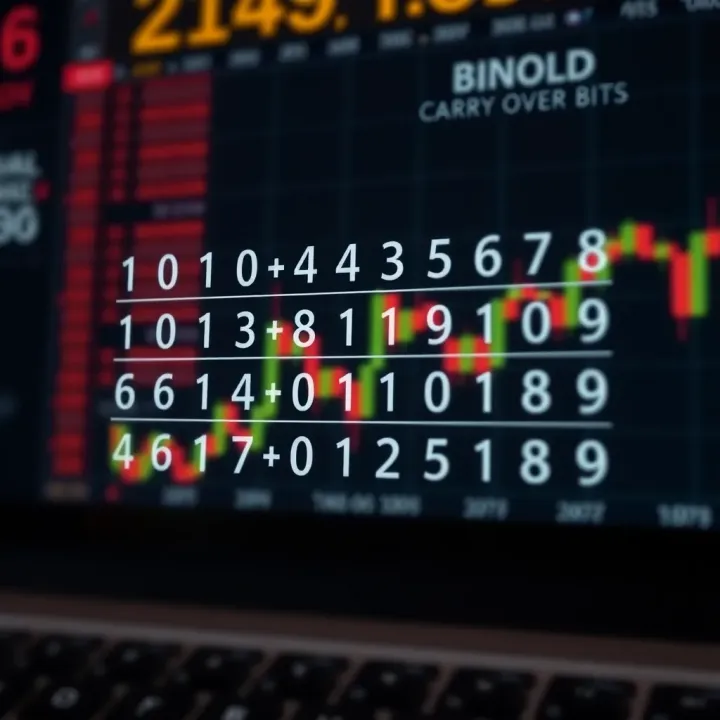
🔢 Learn binary addition step-by-step with clear examples and essential rules. Discover its role in digital systems and avoid common mistakes! 💻
Based on 11 reviews