
Forex Trading Basics in Nigeria: What You Need to Know
Explore forex trading in Nigeria 🇳🇬 with insights on markets, regulations, risks, tech, top currency pairs, and tips for beginners to trade smarter.
Edited By
James Whitaker
Navigating the world of forex trading can feel like stepping into a bustling market, especially for Nigerian traders just starting out. This guide serves as your companion in understanding the basics of forex, breaking down complex ideas into straightforward, practical advice tailored to Nigeria’s unique economic landscape.
Forex trading, simply put, is the exchange of currencies from around the globe. Traders aim to buy one currency while simultaneously selling another, profiting from the changes in exchange rates. Although it might seem like a game for the financially savvy or big institutions, with the right knowledge and tools, anyone can step into the forex arena with confidence.
Why should Nigerians care about forex trading? Our local economy is influenced by many global factors—oil prices, political shifts, the naira's performance, and more. Understanding how these impact forex can create new income opportunities or hedge risks for traders, investors, and finance professionals alike.
This article will cover the groundwork every Nigerian trader should know:
The basics of how the forex market operates
Key terminology and concepts that often confuse beginners
Practical tips for starting to trade, including selecting a broker suited for Nigerian users
Essential risk management strategies to protect your capital
How global and local economic events sway currency markets
Forex trading isn't about quick wins or luck; it's about disciplined learning and understanding the forces that move currencies.
The goal here isn’t to overwhelm but to empower. If you’re a finance student hungry for real-world insight, a broker who wants to understand client needs better, an analyst sizing up markets, or simply someone curious about forex, you’ll find something useful in the sections to follow.
By the end of this guide, you’ll no longer view forex as an intimidating maze but as an accessible financial market. So let’s get started and build a solid foundation step-by-step.
Getting to grips with the basics of forex trading is a smart move for anyone looking to dive into this fast-paced market. Forex trading, especially in a country like Nigeria, brings practical opportunities if you understand how it works from the ground up. Without a clear introduction, many traders can feel lost, struggling with confusing terms or making decisions without a solid foundation.
Starting with the fundamentals ensures that you know the ins and outs before risking your hard-earned money. It’s about getting comfortable with core ideas like what forex trading really means, how currency pairs function, and why this market matters locally. Think of it like learning to drive: you wouldn’t jump behind the wheel without knowing what the pedals do, right? The same goes here.
By grasping these concepts, Nigerian traders are better equipped to spot chances, understand risks, and develop strategies that fit their financial goals. Let’s start with what forex trading actually is.
Forex trading, simply put, is the buying and selling of currencies from around the world. You trade these currencies in pairs, betting on whether one currency will rise or fall against another. For example, you might trade the US Dollar against the Nigerian Naira or the Euro against the British Pound. The goal is to profit from the changing value between these currencies.
Understanding this basic setup is crucial because forex trading isn’t about owning physical money but about speculating on price moves. This makes it very liquid – you can enter or exit deals quickly – and accessible to traders with even small capital. In Nigeria, many traders start forex trading to capitalize on currency volatility, especially as changes in the Naira’s value can create trading opportunities.
Currency pairs work like a seesaw: if one currency’s value goes up, the other’s falls. Currencies are always quoted in pairs; for example, USD/NGN reflects how many Nigerian Naira one US Dollar can buy. The first currency (USD) is the base; the second (NGN) is the quote.
When you buy a currency pair, you’re buying the base currency and selling the quote currency. Selling pairs means you expect the base currency to drop in value compared to the quote. In practice, let’s say you think the US Dollar will weaken against the Naira. You’d sell USD/NGN, hoping the exchange rate falls so you can buy back cheaper later.
This mechanism is the heart of forex trading, and mastering how currency pairs move helps traders anticipate market shifts. It’s not just about guessing direction but understanding forces like economic news, interest rates, and geopolitical events that sway these moves.
Forex trading offers Nigerian traders a range of benefits. One big advantage is accessibility – anyone with an internet connection and a few dollars can start trading. It doesn't demand owning expensive stocks or properties to get involved. Also, the forex market operates 24 hours on weekdays, giving traders flexibility to work around their schedules.
Another benefit is the opportunity to diversify income sources. For Nigerians experiencing job uncertainty or inflation pressure, forex trading can supplement regular income or serve as a side hustle. Moreover, with the right approach, traders can use leverage offered by brokers to increase potential returns. But it’s important to remember that leverage can multiply losses too.
A quick heads up: Always use leverage cautiously and understand your broker’s terms.
Nigeria's unique market conditions create specific opportunities in forex trading. For example, fluctuations in the Naira due to economic policies, oil prices, and political developments often create price swings that savvy traders can exploit.
Several Nigerian brokers offer platforms tailored to local needs, with NGN trading accounts, making currency conversion easier and cheaper. Additionally, local forex communities and training academies in Lagos, Abuja, and beyond provide chances for networking and learning, putting traders on the right path quicker.
Foreign exchange exposure also paves the way for Nigerians to access global markets from home, diversifying risks and tapping into international trends. This is especially valuable in a developing economy, where domestic investment options might be limited.
In short, forex trading in Nigeria combines global opportunity with local relevance, making it an attractive option for many looking to build financial independence.
Getting a good grip on the key concepts in forex trading is like laying the foundation for a building—without it, nothing solid can stand. These concepts help Nigerian traders understand how the market ticks, giving them a clearer picture on how to make their trades smarter and less risky. By mastering currency pairs, pips, lots, leverage, and margin, traders get the tools to navigate the forex market confidently and avoid pitfalls.
Currency pairs are the bread and butter of forex trading—they're what you actually buy or sell in the market. Let’s break down the three types to understand better:
Major pairs involve the most traded currencies worldwide, such as USD, EUR, JPY, and GBP. The pairs like EUR/USD, USD/JPY, and GBP/USD are examples. These pairs usually offer the tightest spreads (transaction costs) and high liquidity, which is perfect for traders who want to enter and exit the market easily. For Nigerian traders, focusing on major pairs can be beneficial because they are less prone to erratic spikes and often reflect global economic trends more clearly.
Minors are currency pairs made up of major currencies but without the US dollar, like EUR/GBP or AUD/NZD. They typically have lower liquidity than majors, meaning price movements can be less predictable. For traders, minor pairs could offer more opportunities when major pairs are quiet. But remember, wider spreads mean you have to be more strategic about your entries and exits.
Exotic pairs pair a major currency with that of an emerging market or smaller economy, such as USD/TRY (Turkish Lira) or USD/ZAR (South African Rand). These pairs are quite popular among Nigerian traders looking for higher volatility and potentially bigger profits. But they come with the downside of less liquidity and larger spreads, which can increase trading costs and risk.
A pip, short for "percentage in point," is the smallest price move a currency pair can make. For most pairs, it’s the fourth decimal place, so if EUR/USD moves from 1.1000 to 1.1001, that's one pip. Knowing pips helps traders measure gains or losses in a trade clearly. For example, if you buy EUR/USD at 1.1000 and sell at 1.1050, you’ve made 50 pips.
Forex trades come in lots, which are the measurement of the trade's size.
Standard lot is 100,000 currency units.
Mini lot is 10,000 units.
Micro lot is 1,000 units.
For Nigerian traders starting out or with limited capital, micro and mini lots offer a way to dip toes in without risking too much. Bigger guys who want to move serious volume go with standard lots. Picking the right lot size is essential for managing risk effectively.
Leverage lets you control a big position with a small amount of money — think of it like borrowing to boost your trading power. For instance, with 50:1 leverage, you can trade $50,000 worth of currency with just $1,000 in your account. Brokers available to Nigerians, such as OctaFX or FXTM, often offer leverage levels between 10:1 up to 500:1, depending on regulations.
While leverage can multiply your profits, it can just as quickly magnify your losses. Using high leverage without caution is like playing with fire; many newbies burn through their accounts too fast. That said, leverage also gives Nigerian traders a chance to grow small capital quickly if they nail their trades. Smart use involves setting tight stop-loss orders and never risking more than 1-2% of your account on a single trade.
Keep in mind, forex trading with leverage requires discipline and understanding. It's not about getting rich quick but managing risk to stay in the game longer.
In short, understanding these fundamental concepts puts you ahead when you start placing real trades. They’re the nuts and bolts behind trading decisions and are crucial for turning theory into profits.
Starting forex trading in Nigeria isn't just about picking a random broker or platform and jumping in. It’s about laying a strong foundation with trustworthy partners and tools that match your trading goals. This section walks you through the key steps to get going, ensuring you avoid beginner pitfalls and understand what really matters in the Nigerian trading scene.
Finding a reliable broker is like choosing a dependable mechanic for your car—you want someone skilled, honest, and responsive when things get tricky. In Nigeria, some brokers stand out by offering local support, swift withdrawals in Naira, and clear regulatory compliance. For example, FXTM and IG have good reputations here because they provide transparency and solid customer service.
A trustworthy broker should be registered with relevant bodies, such as the Nigerian Securities and Exchange Commission (SEC), or adhere to recognized international regulations like the FCA or CySEC. This minimizes the risk of fraud and protects your investment.
When choosing, pay attention to spreads, withdrawal policies, and whether they offer a demo account so you can test waters without risking real money.
Most brokers offer multiple account types tailored to different experience levels and capital amounts. For Nigerian traders, common types include:
Standard Account: Suitable for regular traders, usually with moderate minimum deposits and standard spreads.
Mini or Micro Accounts: Perfect if you want to start small, as these allow trading with tiny lot sizes, sometimes as low as 0.01 lots, limiting potential losses while you learn the ropes.
VIP or Premium Accounts: These accounts often require significant deposits but offer perks like lower spreads, personal account managers, and extra market analysis.
Knowing the account types helps you pick one that fits your budget and trading style, avoiding unnecessary exposure or fees.
When it comes to platforms, Metatrader 4 (MT4) and Metatrader 5 (MT5) dominate the market. They’re favored because of their user-friendly interface, customizability, and wide range of technical indicators. Many Nigerian brokers support both, making it straightforward to switch or test.
Another contender gaining traction is cTrader, especially among traders who want more advanced charting tools and direct market access.
Mobile trading apps like MetaTrader Mobile or IQ Option are popular too, allowing Nigerian traders the flexibility to monitor trades on the go. However, reliability of internet and data costs should be considered when relying heavily on mobile platforms.
A good trading platform should have several key features:
User-friendly design: Quick navigation reduces mistakes, an advantage for novices.
Fast execution speeds: Delays in order execution can cost money, especially in volatile markets.
Comprehensive charting tools: You need indicators and drawing tools to analyze price movement accurately.
Customization and automation: The ability to set alerts, automate trades, or use expert advisors lets you take emotion out of the picture.
Reliable customer support: When things go south, quick help is crucial, so check if support is available in convenient hours and languages.
Successful forex trading in Nigeria begins with a solid choice of broker and platform, matching local needs and your personal trading style. This groundwork saves frustration down the line and keeps your focus where it matters—on smart, informed trades.
Taking the time to set up your trading environment properly can be the difference between quick losses and steady gains. Always test with a demo account before moving real money, and steadily build your confidence and skills.
Understanding how to analyze the forex market is a must for any trader, especially for those in Nigeria looking to navigate the ups and downs effectively. Market analysis gives you the upper hand, showing you potential turning points or chances to make a smart trade rather than just guessing. Whether you rely on news about economic performance or charts that reveal price movements, strong analysis skills increase your odds of scoring wins and staying clear of costly mistakes.
Economic indicators like inflation rates, employment figures, and GDP growth are the heartbeat of currency values. For instance, if Nigeria’s inflation rate suddenly spikes, the Nigerian naira usually takes a hit because inflation erodes its purchasing power. Traders watch indicators such as the US Non-Farm Payroll report or Nigeria’s interest rate decisions closely because these shape money flow between countries.
By keeping an eye on these stats, you get clues about whether a currency will strengthen or weaken soon. Suppose the Central Bank of Nigeria announces a hike in interest rates to fight inflation—that could attract foreign investors looking for better returns, pushing the naira upwards. Conversely, weaker economic data might signal a drop in currency value. Incorporating these updates can help shape when to buy or sell currency pairs.
Central banks hold the steering wheel for currency movements in major ways. They set monetary policy, tweak interest rates, and intervene directly if the currency’s swinging too wildly. The Central Bank of Nigeria (CBN) plays this role by setting the benchmark interest rates which affects how attractive the naira is to international investors.
For example, an unexpected interest rate cut by the CBN might cause the naira to fall as investors seek higher yields elsewhere. On the flip side, central banks sometimes step in to stabilize their currencies—by buying or selling their currency reserves—to calm jittery markets. As a trader, following central bank announcements or speeches can prepare you ahead of volatile market moves.
Charts are the bread and butter of many traders—they visually break down price actions over time, allowing you to spot trends and patterns beyond the noise. Tools like Moving Averages, Relative Strength Index (RSI), and Bollinger Bands help identify where prices might head next.
For example, if a currency pair’s price crosses above its 50-day Moving Average, it might be a signal of an upcoming upward trend. Indicators can confirm if the market is overbought or oversold, guiding you on when to enter or exit trades. Nigerian traders often use MetaTrader 4 or 5 platforms because they offer these tools ready to go and easy to customize.
Certain chart shapes tend to repeat, reflecting traders’ collective behavior. Spotting these can hint at likely price moves. Patterns like Head and Shoulders, Double Tops and Bottoms, or Triangles are popular because they signal reversals or continuations.
Take a Head and Shoulders pattern, which often points to a trend reversal from bullish to bearish. When you recognize this forming, it might be wise to prepare for potential selling opportunities. On the other hand, a symmetrical Triangle usually means the market is consolidating and getting ready to break out in one direction.
Paying attention to these patterns can be a game-changer; they act like a trader’s roadmap through the twists and turns of currency prices.
By blending these fundamental and technical approaches, Nigerian traders can build a clearer picture of the forex market, making smarter decisions rather than flying blind. It’s like having both the weather forecast and a GPS before setting off on a trip—the more info, the better your chances to reach your destination safely and profitably.
Managing risk isn't just a box to tick off; it's the backbone of staying afloat in forex trading, especially for Nigerian traders who often face volatile market swings and local economic uncertainties. The forex market can change on a dime, and without a solid risk management approach, even the sharpest traders can find themselves underwater fast. This section dives into how you keep your capital safe and plan your trades smartly, so you don't end up chasing losses or getting blindsided by sudden currency moves.
Protecting your capital is the starting point for any trader who wants to stick around long-term. Think of your trading capital as your lifeline—not something you'd want to risk recklessly. By setting clear limits on how much you’re willing to lose on any trade, you prevent one bad decision from wiping out your entire bankroll. For example, many traders never risk more than 1-2% of their total capital on a single position. If you're trading with ₦100,000, that means keeping losses below ₦1,000 or ₦2,000 per trade. This restraint might feel cautious, but it keeps you in the game long enough to learn and adapt.
Setting stop-loss orders is one of the simplest yet most powerful tools to manage risk. A stop-loss automatically closes your trade when the market moves against you by a certain amount, sparing you bigger losses if a currency pair suddenly tanks. Nigerian traders often deal with economic news shocks, say a change in the Central Bank’s policy or oil price surprises, so having stop-losses in place means you’re not glued to your screen 24/7, waiting for a disaster to strike. Consider placing your stop-loss based on technical levels like support and resistance or a fixed pip amount that aligns with your risk tolerance. This disciplined practice keeps losses manageable and emotions in check.
Defining goals and strategies helps to draw the roadmap for your trading journey. Without clear goals, it’s easy to jump into trades without a purpose or a strategy, which often ends with poor results. Are you aiming for steady monthly growth, or are you trying to catch big quick wins? Your strategy will differ depending on the goal. For instance, a trader focused on steady growth might use longer time frames and tighter risk controls, while a riskier approach might be taken by someone chasing bigger profits but able to weather bigger swings. Writing down your trading plan—what pairs you trade, when you enter and exit, and how much risk you take—creates a framework to stick to when emotions run high.
Maintaining discipline is where the rubber meets the road. Even the best plans can fall apart if you don’t follow through. A disciplined trader avoids temptation to overtrade or get greedy after a few wins. Nigerian traders might be tempted to chase the naira's every move due to local economic pressures, but sticking to your plan avoids rash decisions. For example, if your trading plan says set stop-loss at 50 pips, don’t move it further hoping the market will turn around — that’s a quick way to blow your account. Treat your plan like a contract with yourself. Review it regularly but don’t let impatience or excitement dictate your trades.
Successful forex trading isn’t about winning every trade—it's about managing losses so they don’t wipe you out and following a plan consistently.
By focusing on protecting your capital with stop-loss orders and sticking to a well-defined plan, Nigerian traders can navigate the unpredictable forex waters with more confidence and less stress. Risk management is not a luxury, but a necessity for survival and future growth in this fast-moving market.
Mistakes are part and parcel of trading, but some errors are quite common and can trip up even experienced forex traders. For Nigerian traders in particular, understanding these pitfalls is crucial because the local market conditions and broker choices might expose you to unique challenges. Avoiding these mistakes can protect your capital, keep emotions in check, and help you trade more sustainably.
Signs and consequences: Overtrading happens when you open too many trades or trade excessively within a short time, often driven by impatience or the urge to recoup losses quickly. Emotional trading, on the other hand, occurs when decisions are influenced by fear, greed, or excitement rather than solid analysis. For example, after a losing streak, a trader might recklessly increase trade size hoping for a quick comeback, which usually leads to bigger losses.
The consequences can be grave: drain on your trading account, a blurred judgment, and increased stress. Nigerian traders who chase a quick buck without a clear strategy often fall into this trap, especially when trading volatile pairs like USD/NGN or EUR/USD where market swings intensify emotional responses.
How to prevent: To steer clear of overtrading and emotional decisions, creating and sticking to a trading plan is key. Set strict rules about how many trades you can open per day and predefined entry and exit points. Use stop-loss orders to cut losses early. Also, take breaks if you're feeling overwhelmed. Practising mindfulness or journaling your trades helps to recognize emotional patterns before they cause trouble. Tools like MetaTrader 4 or 5 offer features for setting alerts that keep your trades disciplined.
Dangers of trading blindly: Trading without proper market research is like sailing without a compass. Nigerian traders who skip on studying economic indicators, central bank statements, or geopolitical events risk making poor decisions. For instance, ignoring the Central Bank of Nigeria's (CBN) policies or sudden changes in crude oil prices—the country’s key export—can lead to costly mistakes, especially when trading pairs like USD/NGN.
Blind trading also increases exposure to scams or unreliable broker platforms, which unfortunately still pop up in some corners of the Nigerian market.
Benefits of staying informed: Staying up-to-date with market news and trends arms you with a competitive edge. For example, tracking Nigeria’s inflation rates or Naira’s stability helps you anticipate currency movements rather than reacting after the fact. It allows you to choose better entry points and avoid risky trades. Using reliable economic calendars, news sources like Bloomberg or Reuters, and participating in local forex communities can keep you sharp and ready.
The difference between success and failure in forex often comes down to one thing: how well you prepare and manage yourself, not just the market.
By recognizing these common mistakes and applying practical prevention strategies, Nigerian traders can improve their chances of profitable and consistent forex trading.
Access to the right resources and tools can make a world of difference for Nigerian forex traders. These elements help you stay informed, make smarter decisions, and manage trades more efficiently. Without reliable educational materials or practical tools, even the most motivated trader can miss important market signals or fall prey to common mistakes.
Engaging with resources tailored to the Nigerian context also helps you navigate local challenges like currency restrictions or economic shifts. Examples include local forex workshops, trusted online courses, and regularly updated trading tools, all of which give you an edge by providing actionable insights and user-friendly interfaces.
Quality educational content lays the groundwork for successful trading. Nigerian traders should lean on sources that simplify complex concepts, use relevant examples, and stay updated with market changes. For instance, platforms like BabyPips offer straightforward forex tutorials, while Investopedia breaks down economic terms clearly.
Look out for materials that combine theory with real-life case studies—this approach cements understanding better than abstract lessons. Also, consider courses offered by financial institutions or online platforms like Coursera or Udemy, which often include certificates and structured curriculums.
Networking with fellow traders within Nigeria can accelerate your learning and expose you to region-specific insights. These communities often operate on social media platforms like WhatsApp, Telegram, or Facebook, where traders share live market updates, trading tips, and regulatory news.
Being part of these groups helps you avoid common pitfalls by learning from others’ experiences. Plus, they often organize meetups or webinars that hone your skills and keep you motivated. For newcomers, joining a Nigerian forex community provides a support system that’s hard to replicate elsewhere.
Economic calendars are essential for tracking scheduled events that affect currency values, such as GDP releases, interest rate decisions, or inflation reports. Nigerian traders who monitor Forex Factory or Investing.com calendars can anticipate market moves, avoiding surprises that might hurt their trades.
These calendars highlight not just dates but also the expected impact of each event, helping you decide when to enter or exit trades. Without this, you might hold positions during volatile announcements, leading to unexpected losses.
Since forex trading involves dealing with multiple currencies, reliable currency converters and calculators are practical must-haves. Tools like XE Currency Converter or OANDA’s calculator help you quickly determine trade values, profit or loss in your preferred currency, and adjust lot sizes.
For example, if you're trading EUR/USD but want to know your potential Nigerian Naira exposure, converters provide swift clarity. Calculators also assist in setting correct stop-loss and take-profit levels aligned with your risk tolerance.
Having the right resources and tools is like having a well-stocked toolbox; the job gets easier, faster, and more precise. Nigerian forex traders who use these effectively build confidence and improve their trading performance.
Explore forex trading in Nigeria 🇳🇬 with insights on markets, regulations, risks, tech, top currency pairs, and tips for beginners to trade smarter.
📈Explore Forex Trading in Nigeria! Learn key concepts, market basics, major currencies, smart strategies, and managing risks for better decisions.📊
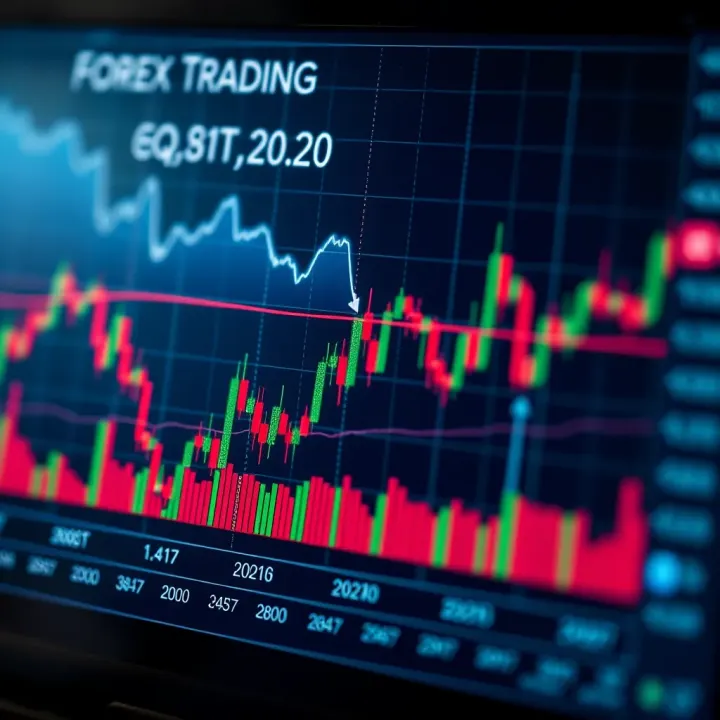
Learn the basics of forex trading in Nigeria 🇳🇬! Understand currency pairs, trade mechanics, and risks to start your trading journey confidently.
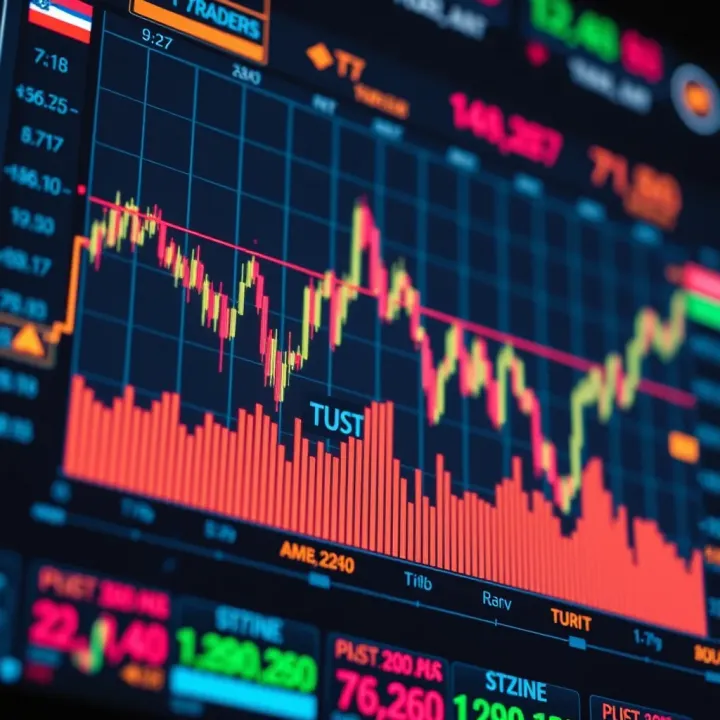
📈 Learn forex trading basics with this guide designed for Nigerian beginners. Understand markets, key strategies, risks, and find helpful PDF resources today!
Based on 5 reviews