

Binary Number Subtraction Explained Simply
Explore binary number subtraction 🧮, from basics to methods like direct subtraction and complements, plus examples and troubleshooting tips for accurate calculations.
Edited By
Thomas White
If you own an Android smartphone, especially popular brands like Tecno, Samsung, or Infinix commonly found in Nigeria, you might have come across the error message: "Custom binary blocked by FRP lock." This message can be quite frustrating. It stops your phone from booting properly and usually appears after attempts to flash unofficial firmware or reset the device improperly.
The main cause of this error lies in the Factory Reset Protection (FRP) feature designed by Google to stop unauthorised access after a factory reset. FRP essentially locks the device until you enter the original Google account credentials used before the reset. So, if your phone detects that an unauthorised custom binary or corrupted software was installed, it triggers this lock to protect your data.
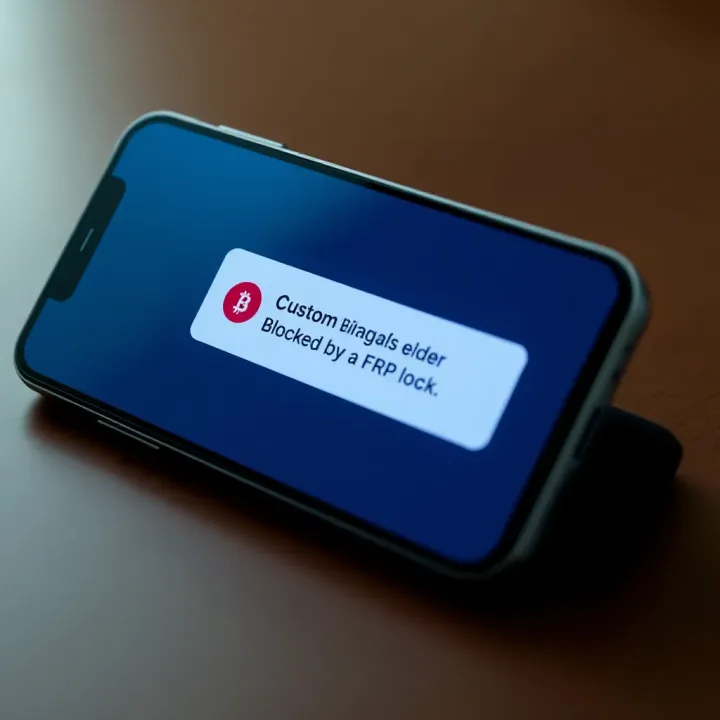
Understanding the interaction between custom binaries and FRP is key to resolving this issue without further damage or data loss.
Here are key points to grasp at the outset:
What is a custom binary? Custom binaries include modified system files or unofficial versions of Android's operating system. They are often used for rooting or installing custom ROMs but can clash with the security rules set by FRP.
Why does FRP block custom binaries? FRP watches for system integrity. When it notices changes that don't match the device’s expected software, it blocks booting to prevent potential hacking or theft.
Common triggers of the error include:
Flashing unofficial software using tools like Odin (Samsung) or SP Flash Tool (MediaTek devices).
Interruption during software update.
Resetting the device without properly disabling Google account protections.
By recognising these causes, traders, investors, and analysts can better support clients and understand the risk factors affecting device usability and security in Nigeria’s tech market. It also discourages the use of risky, unofficial firmware that might void warranties or compromise device security.
Next, we will explore how this lock works practically and what safe steps you can take to fix the problem without risking your device’s integrity.
When your Android device displays the message "Custom Binary Blocked by FRP Lock," it signals a critical security restriction preventing unauthorised firmware from running. This error usually appears after attempts to install unofficial software or perform custom modifications like rooting. Understanding this message is vital because it protects your phone's integrity, especially in Nigeria where mobile security threats are rising.
A custom binary refers to any non-standard software binaries, such as boot images or recovery files, that are not officially signed by the device manufacturer. For instance, if you try flashing a tokunbo custom recovery or an unofficial ROM, your phone sees this as a custom binary. These binaries can change how your device operates and often bypass security layers set by the manufacturer.
Using unverified binaries risks exposing your smartphone to malware or permanent damage. In practical terms, if your GTBank mobile app or Paystack wallet depends on secure system files, an altered binary might cause failures or block access to sensitive payment features. The device’s security system is designed to detect these changes and block anything outside official software channels.
Factory Reset Protection (FRP) is a security feature Google integrates into Android phones to prevent unauthorised access after a factory reset. Imagine a scenario where someone snatches your phone or buys a second-hand device that wasn’t properly wiped—the FRP lock safeguards your information by requiring the original Google account credentials before the device fully restarts.
This layer of protection deters thieves from simply resetting a stolen phone and using it or selling it on the black market. For Nigerian users, who often face high-risk environments due to rising tech crimes, FRP adds a practical shield against data leaks and device hijacking.
FRP becomes active immediately after a factory reset if the original phone owner’s Google account remains registered on the device. Once the reset completes, the phone won’t allow access beyond the welcome screen unless the Google login of the previous owner is provided. This lock is automatic—no manual action is needed by the user.
For example, if a trader resets an Android phone sold to a customer but forgets to remove their Google account, the buyer will hit the FRP lock. They won’t be able to set up the phone unless the previous owner’s credentials are entered. Thus, the lock enforces accountability and protects user accounts even if the device itself has been wiped.
FRP lock acts as a second line of defence, ensuring that a factory reset alone cannot grant free access to your device without proper authentication.
Understanding these concepts lays the foundation for tackling the "Custom Binary Blocked by FRP Lock" problem effectively and ensures your device stays secure while avoiding costly errors when updating or reselling your Android handset.
Understanding why the custom binary gets blocked by FRP (Factory Reset Protection) lock is vital for anyone dealing with Android devices, particularly for traders and investors handling multiple smartphones or fintech platforms. This block is a security measure that prevents unauthorised software modifications, safeguarding device integrity and user data. Knowing the situations that trigger this error helps you avoid costly downtime, device bricking, or losing access to important apps.
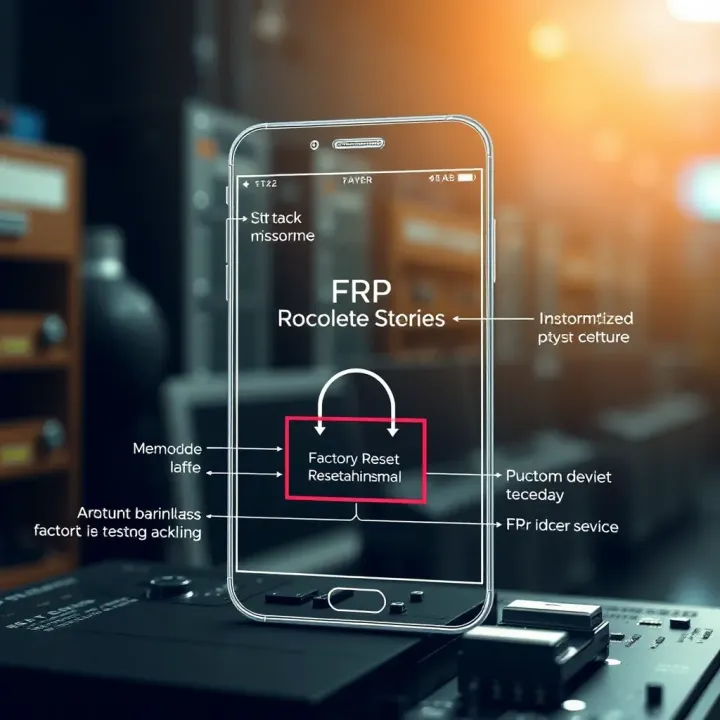
One frequent cause of this error is installing unofficial or modified firmware. Users who flash their devices with custom ROMs downloaded from non-official sources risk triggering the FRP lock. For example, a trader might decide to install a custom firmware to gain additional features or improve performance, but if the firmware isn’t digitally signed by the original equipment manufacturer (OEM), the FRP system treats it as suspicious. This causes the device to block the custom binary, locking the user out to prevent potential security breaches.
Another common scenario arises from failed software updates or interruptions during installation. This might happen if the battery runs out mid-update or if the network connection drops while downloading vital files. For instance, a busy fintech analyst updating their Samsung or Tecno phone during an ember month rush could face this issue if power supply dips or data cuts. An incomplete or corrupted system update can confuse the device’s security protocols, activating the FRP lock to stop any abnormal firmware or system files from running.
Devices subjected to rooting or the installation of custom recovery tools like TWRP often face the FRP lock challenge. Rooting is popular among tech enthusiasts who want full control over their devices. However, this process bypasses standard security, making the device vulnerable if not done correctly. If a banker or broker attempts rooting to run specialised apps, the FRP lock will likely activate to block the custom binary as a defensive action. This helps protect sensitive financial data stored on the device from being accessed through unauthorised modifications.
FRP lock is designed to act as a strong security barrier against theft and unauthorised access. When the device detects an unrecognised or tampered custom binary, it activates the lock to prevent thieves from resetting the phone and using or selling it. From a data protection viewpoint, this mechanism secures personal and corporate information found on many Nigerian users’ devices, especially those in financial sectors.
The key point is that FRP lock doesn’t just block software changes at random; it’s a protective response triggered when the device senses potential security risks, ensuring that only authorised firmware is used.
By understanding these triggers and security rationale, traders and investors can better manage their Android devices, avoiding unnecessary lockouts and securing their digital operations.
Dealing with the ‘custom binary blocked by FRP lock’ error carefully is essential to avoid further complications. This problem normally arises when the factory reset protection (FRP) detects something unusual, like custom firmware or improper updates. Fixing it without the right approach can cause data loss or permanent device lock. Understanding safe techniques here helps maintain your device’s security and functionality while resolving the issue efficiently.
Manufacturers like Samsung and Tecno provide official tools designed to handle FRP lock problems securely. These tools are tailored for specific devices and help you reset or unlock FRP without risking the device’s integrity. For example, Samsung’s Smart Switch software can update or restore firmware safely, which may clear FRP issues if used correctly.
Using such verified tools ensures your device remains within manufacturer specifications. This approach prevents voiding warranty or bricking the phone, which often happens when unofficial methods are attempted. Always download these tools from the official brand website or authorised channels.
Another practical method is reinstalling or updating your phone’s firmware using the official software released by the manufacturer. This can be done via computer applications like Mi Flash Tool for Xiaomi or Odin for Samsung. The update refreshes the device’s system files, eliminating errors caused by corrupted or unofficial binaries.
By sticking to official firmware, you avoid inserting dangerous bugs or malicious code that unofficial ROMs might carry. For instance, if your Tecno phone triggers the ‘custom binary blocked’ error after a failed update, installing the stock firmware afresh often restores normal function without compromising security.
If the issue persists despite attempts with official tools or firmware updates, visiting an authorised service centre is the safest bet. These centres have trained technicians and access to genuine parts and software necessary to fix complex FRP problems.
Authorised centres also help ensure that your warranty remains valid. Attempting repairs with third-party shops or dubious software often results in permanent device faults, which can prove expensive to fix later. For Nigerian users, visiting brand service centres in Lagos, Abuja, or Port Harcourt can save time and cost in the long run.
Flashing unofficial ROMs might seem tempting to bypass FRP or gain extra features, but it carries serious dangers. These ROMs are not tested or approved by device makers, increasing the chance of system instability, security loopholes, or total device failure.
In Nigeria, where many buy tokunbo phones or download uncertified software, users often face these risks unknowingly. An unofficial ROM can permanently brick your device or expose your personal data to hackers. Always verify the source and compatibility before attempting any ROM installation.
Several third-party FRP bypass tools promise quick fixes but seldom guarantee safety or legality. Such software may contain malware, cause data corruption, or trigger permanent device lock.
Besides security concerns, using these tools might violate your device’s terms of service, leading to warranty cancellation or restricted access to future updates. Nigerian users should be cautious about relying on unverified FRP bypass services advertised online or through informal networks.
Trying to fix FRP lock issues requires patience and care. Always choose legal, manufacturer-supported solutions to protect your phone and data from further harm.
Following these steps will help you regain access to your device without jeopardising its security or performance. Taking shortcuts with unofficial methods might cost you more than just money—it could mean losing your device completely.
Avoiding the 'custom binary blocked by FRP lock' error not only keeps your Android device secure but also saves you time and money. This issue often disrupts crucial activities — trading apps, market analysis tools, or investment management — especially when sudden lockouts happen. Prevention is simpler and less costly than fixing the problem after it occurs.
Using official software updates ensures your phone receives genuine fixes and security patches, reducing the risk of triggering FRP lock. For example, if you own a Samsung or Tecno device, updating via the manufacturer’s system or trusted apps like Samsung Smart Switch avoids unverified firmware versions that could raise red flags on your device. This is particularly important for investors relying on their phone's reliability to follow market trends without interruption.
Official updates often improve compatibility with trading platforms and financial apps, helping you trade or monitor stocks without unexpected crashes or security warnings.
Your Google account credentials act as a key when factory resets trigger FRP lock. Using strong, unique passwords and updating recovery options ensures you can swiftly regain access after any reset or update. This practice is vital for keeping your financial data intact since losing access to your Google account might prevent you from recovering important app data or wallets.
Backing up to Google Drive or a local computer regularly protects your information against data loss, allowing easy restoration without risking your trading records or investment apps.
Rooting or flashing custom firmware can compromise your phone’s security, often prompting FRP lock as a protective measure. If you’re not fully familiar with the technical process, attempting these can brick your device or cause it to lock completely. Investors and analysts should avoid shortcuts here to maintain device integrity.
Instead, stick to manufacturer-approved methods for customisation or performance upgrade, and consult expert advice if advanced adjustments are necessary.
Before selling or handing over your phone, disabling FRP lock prevents the new user from getting stuck on the lock screen. This requires removing all linked Google accounts properly. Skipping this step risks turning your device into a paperweight for the buyer, which can damage your reputation if you’re a reseller or broker.
Disabling FRP is straightforward through the device’s settings and prevents headaches on both ends.
Beyond Google accounts, remove other synced accounts like Exchange, investment apps, or brokers’ proprietary login credentials before resetting your device. This clears personal information and avoids privacy issues or lockouts caused by rogue account data.
Proper removal also expedites device reset operations without triggering security systems, giving you a clean slate or safe resale experience.
Taking preventive steps seriously not only protects your Android device but also safeguards your data and investment activities from unnecessary interruptions caused by FRP lock issues.
Explore binary number subtraction 🧮, from basics to methods like direct subtraction and complements, plus examples and troubleshooting tips for accurate calculations.

💻 Explore how binary format shapes computing and data storage, learn binary number basics, applications, and clear up common misconceptions in tech.

🔍 Explore how the binary search algorithm efficiently finds items in sorted data sets. Learn step-by-step examples and see why it's faster than other search methods.

🔢 Learn binary addition step-by-step with clear examples and essential rules. Discover its role in digital systems and avoid common mistakes! 💻
Based on 7 reviews