

Understanding Risk Management for Nigerian Businesses
Learn how Nigerian businesses manage economic shocks, security risks, and regulatory changes to protect assets and grow steadily 📈💼. Practical strategies inside!
Edited By
Thomas Bennett
Credit risk management is a must-have for Nigerian businesses dealing with credit sales or lending. Without a solid system, companies risk losing significant amounts of money through defaults, late payments, or outright fraud. This piece focuses on practical steps Nigerian firms can take to manage credit risks effectively and secure their financial health.
Nigeria’s economy faces specific challenges like fluctuating naira value, informal lending practices, and sectoral risks—especially in agriculture and retail. These factors make credit risk management more complex compared to stable economies. Yet, having a structured approach can make all the difference.
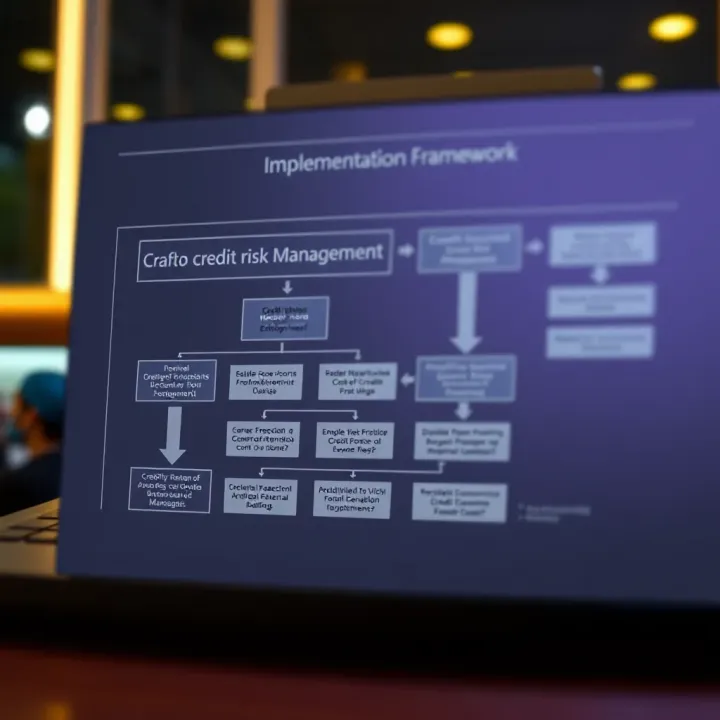
At the heart of a good credit risk system are several components:
Customer Credit Assessment: Evaluating creditworthiness through credit history, BVN checks, and cash flow analysis.
Credit Limits and Terms: Setting realistic credit limits and clear payment terms to avoid overexposure.
Monitoring and Reporting: Regularly tracking receivables and identifying red flags early.
Debt Collection Procedures: Clear escalation processes and engagement with debtors before matters get critical.
For instance, a mid-sized Lagos-based agribusiness might use a mix of manual and digital systems, like combining customer interviews with data from the Credit Bureau Nigeria to verify borrower profiles before approving big sales on credit.
A credit risk system isn’t just a back-office process; it’s a frontline defence that can save Nigerian businesses from shocks, especially amid economic swings common in the local environment.
Implementing such systems does not need to be complicated or expensive. Simple practices such as applying thorough KYC (Know Your Customer) checks, setting realistic payment plans, and keeping communication open with customers can help reduce default risks severely.
This guide will later outline how to build such frameworks step by step and share solutions for common hurdles Nigerian businesses face, such as cash flow crunches and lack of reliable customer data.
Before moving on, remember that managing credit risk actively protects your business’s cash flow and strengthens your position in competitive sectors like trading, consumer goods, and services. It is an investment that pays back through fewer bad debts and an improved ability to plan for growth confidently.
Understanding credit risk is a vital starting point for Nigerian businesses aiming to safeguard their financial health. Credit risk essentially refers to the possibility that a borrower or counterparty may fail to meet their financial obligations. In a country like Nigeria, where market conditions can shift quickly, recognising and managing this risk is fundamental to keeping losses under control.
Credit risk arises when a company extends credit to customers, suppliers, or partners, but those parties might not pay back on time or in full. For example, a manufacturing firm that supplies goods on credit to retailers may struggle if the retailers delay payment or default completely. This risk can cause liquidity problems or even cripple smaller enterprises that lack financial cushion. It is not just about late payments; credit risk also includes downgrade of credit ratings, bankruptcy filings, or insolvency of debtors.
Managing credit risk is particularly crucial in Nigeria because of the country’s economic volatility and unique market challenges. Fluctuations in the naira exchange rate, inflationary pressures, and irregular power supply all affect businesses’ ability to pay their debts consistently. Without a robust credit risk management system, a business can quickly find itself with mounting unpaid invoices that choke its working capital.
Consider a construction company in Lagos that extends credit to clients reliant on government contracts. Delays in government payments or political uncertainties could increase the risk of default for such clients. By carefully assessing these risks upfront and setting clear credit limits, the company can avoid cash flow disruptions that might stall projects.
Credit risk in Nigeria typically comes from a few key areas:
Customer payment delays or defaults: Most Nigerian SMEs face late payments due to their clients’ own cash flow problems or lack of strict credit controls.
Economic shocks: Sudden downturns, such as fuel scarcity or policy changes, can impact businesses’ ability to settle debts.
Informal credit arrangements: Many businesses rely on trust-based credit without formal documentation, increasing exposure to default.
Currency fluctuations: Businesses with foreign currency obligations often struggle when the naira weakens, affecting their capacity to meet repayments.
Effective credit risk management helps identify these vulnerabilities early and design strategies to mitigate them, ensuring businesses remain solvent and able to grow.
By grasping the contours of credit risk and its sources, Nigerian businesses stand better positioned to design systems tailored to their realities. This understanding leads to smarter credit decisions and stronger resilience against financial shocks.
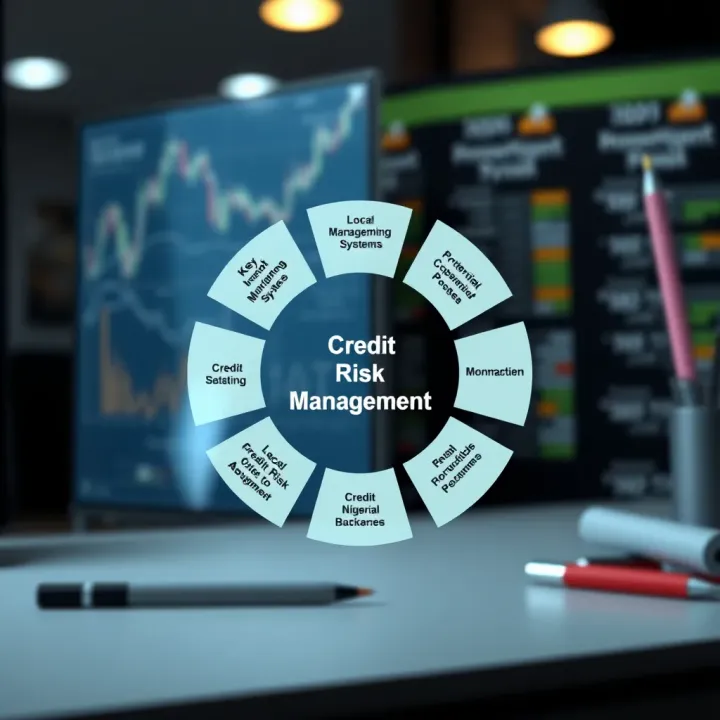
A solid credit risk management system forms the backbone of sound financial decisions for Nigerian businesses. It helps companies identify which customers or partners pose credit risks and manage those exposures to avoid unnecessary losses. In practice, these systems combine analytical tools, real-time monitoring, and seamless integration with business workflows to deliver timely insights and controls.
Credit assessment tools evaluate a potential borrower's creditworthiness before granting credit. In Nigeria, these tools often pull data from the Bank Verification Number (BVN) system, credit bureaus like CRC Credit Bureau, and transaction histories. For example, a retail business considering offering payment on credit to a customer might scan their BVN-linked credit reports for red flags such as outstanding debts or irregular repayment behaviour.
Scoring models assign numerical values to credit applicants based on risk factors relevant to Nigerian markets. These factors include payment history, length of trading relationship, and sector-specific economic conditions. Practical use of credit scoring helps businesses quickly spot risky customers, reducing dependence on gut feeling or outdated intuition.
Constant monitoring ensures early detection of credit deterioration among existing clients. Automated alerts can notify finance teams if an account shows late payments, declining cash flow, or sudden credit limit breaches. For instance, banks and fintech platforms like Paystack integrate such dashboards to track merchants’ credit usage and payment trends continuously.
Comprehensive reporting not only tracks risk exposure but also aids compliance with regulatory requirements from institutions like the Central Bank of Nigeria (CBN). Nigerian businesses benefit from reports that break down receivables by customer segments or geography, helping prioritise follow-ups and credit reviews efficiently.
Effective monitoring combined with detailed reporting means issues are spotted early, limiting financial shocks and improving the chances of timely recovery.
A credit risk system must fit smoothly into daily operations such as invoicing, sales, and finance. Integration with enterprise resource planning (ERP) systems or customer relationship management (CRM) software ensures credit policies aren’t bypassed accidentally. For example, Lagos-based manufacturers who automate credit checks before dispatching goods reduce cases of unpaid orders.
The system should allow real-time decision-making without slowing workflows. When sales staff access client credit scores directly within their CRM, they can adjust terms instantly rather than waiting for back-office approval. This blending of credit risk management with frontline processes strengthens control without harming customer relationships.
By focusing on these core features, Nigerian businesses can construct credit risk systems that are practical, context-aware, and effective in safeguarding financial health.
Implementing an effective credit risk management system is key for Nigerian businesses aiming to protect their financial health. Given Nigeria’s unique economic conditions—such as fluctuating naira value, periodic power outages affecting business continuity, and the dominance of informal credit practices—businesses must tailor their approach carefully. A well-structured system helps reduce bad debts, improves cash flow, and strengthens overall resilience.
Credit policies should not follow a generic template but rather reflect Nigeria’s specific market conditions. For example, many small businesses rely on informal credit arrangements without proper documentation. Introducing clear guidelines on credit limits, repayment terms, and penalties is crucial. A trading company in Lagos might decide to require a minimum of 30% upfront payment from new customers before extending goods on credit. This policy buffers against default risks common during ember months when cash flow often tightens.
Moreover, businesses should segment customers by creditworthiness and adjust policies accordingly. A company supplying agricultural inputs to rural farmers could offer longer repayment terms during planting seasons but shorten terms post-harvest to manage delays in payments. Flexible, yet enforceable policies help balance trust and risk.
The rise of fintech platforms like Paystack, Flutterwave, and OPay presents Nigerian companies with fresh ways to assess and monitor credit risk. Using digital payment data can provide real-time insight into customer behaviours, enabling faster decisions. For instance, a wholesaler can link sales to automated POS terminals to track payment patterns and flag late payers.
Additionally, integrating the Bank Verification Number (BVN) system helps verify identities and reduce fraud. Some businesses combine this with credit bureau reports from firms like CRC Credit Bureau to check customers’ financial history before extending credit. While data remains imperfect in parts of Nigeria, combining digital tools with local knowledge greatly strengthens risk assessment.
Even the best systems fail without skilled personnel to implement them. Nigerian businesses should prioritise continuous training for staff handling credit management. This includes understanding credit scoring, recognising early warning signs of default, and using analytical tools effectively. For example, a medium-sized business might organise workshops every quarter where staff discuss recent trends, share lessons from defaults, and update credit policies based on economic shifts.
Developing internal expertise also involves fostering a culture of accountability. Employees involved in credit decisions should appreciate the impact of their actions on cash flow and profit margins. Empowering them with clear responsibilities and performance metrics ensures the credit risk management system functions smoothly.
Strong credit risk management systems help Nigerian businesses withstand economic shocks by improving decision-making and reducing losses. The approach must be practical, adaptable, and backed by knowledgeable teams to succeed.
By setting realistic credit policies, adopting technology suited to Nigerian realities, and investing in staff capacity building, Nigerian businesses can build robust credit risk management frameworks that enhance their competitiveness and sustainability.
Credit risk management in Nigeria is no walk in the park. Businesses here face distinct challenges that can hinder the effectiveness of any credit risk system. Understanding these hurdles is crucial for tailoring solutions that actually work in our unique environment.
One major headache is the poor quality and limited access to reliable data. Many Nigerian firms, especially MSMEs in informal sectors, lack comprehensive credit histories or reports. This gap makes credit assessment tricky; banks and lenders struggle to discern genuine creditworthiness. For instance, many customers depend on cash transactions without formal records, leaving companies to guess their payment behaviour. Also, the Central Bank of Nigeria’s credit bureau initiative is still evolving, limiting data integration. Without accurate data, credit risk models become less effective, increasing the chance of bad debts.
Nigeria’s economy swings unpredictably due to factors like fluctuating oil prices, inflation, and forex instability. Such volatility directly affects borrowers’ ability to repay loans. Take the naira’s depreciation: it spikes import costs for businesses reliant on foreign goods, squeezing their revenue and raising default risks. During the recent fuel subsidy removal, many transport and manufacturing firms faced higher operational costs, disrupting cash flows and payment schedules. These macroeconomic shocks mean credit risk assessments must be constantly updated, or they risk becoming irrelevant too soon.
Navigating Nigeria’s regulatory landscape poses another challenge. Organisations must comply with guidelines from the Central Bank of Nigeria (CBN), Securities and Exchange Commission (SEC), and other regulatory bodies. Compliance covers fair lending, data protection, and reporting standards, which can be complex and change frequently. For example, recent CBN directives on loan classification and provisioning require precise monitoring and documentation. Failure to comply can lead to hefty fines and reputational damage. Moreover, understanding regional compliance variations, especially between federal and state levels, complicates credit risk management strategies further.
Overcoming these challenges requires a dynamic approach that blends local insight with technology and continuous monitoring. Nigerian businesses that recognise and address these realities position themselves better to manage credit risks effectively.
By tackling data gaps, adapting to economic shifts, and staying on the right side of regulations, companies can strengthen their credit risk frameworks and protect their financial health. The key is being proactive, not reactive, in the face of Nigeria's unique credit risk dynamics.
A strong credit risk management system brings clear, practical benefits for Nigerian businesses looking to guard their finances and maintain steady operations. Proper tools and policies help companies reduce unnecessary losses, improve cash flow, and sustain business growth amid Nigeria’s volatile economic environment.
At the heart of credit risk management is the goal to cut down on bad debts that can seriously drain cash reserves. For instance, a retail chain in Lagos using credit assessment tools can identify customers with poor payment history early, avoiding sale on credit to those with a higher chance of default. This approach keeps cash flowing smoothly, ensuring funds are available for essential payments like supplier invoices and staff salaries.
Reliable credit controls also prevent situations where businesses overextend credit to customers without verifying financial standing. As a result, businesses can minimise delays in payment collection, which is vital during periods like the ember months when financial demands rise sharply.
Businesses that consistently recover payments on time stand out favourably among suppliers, lenders, and investors. This reputation translates to stronger relationships and easier access to credit facilities. Banks like GTBank and Access Bank are more willing to offer favourable loan terms to companies demonstrating effective credit risk management.
Moreover, addressing credit risk responsibly reassures partners that the business is well-run and financially disciplined. It can be a key factor for foreign investors evaluating risks in the Nigerian market. Notably, lenders often check credit management records during due diligence to measure operational stability.
Credit risk management systems furnish businesses with data and analytics, enabling smarter decisions on customer segmentation, pricing strategies, and portfolio diversification. For example, an agribusiness can analyse payment patterns of its buyers to decide which regions to prioritise or whether to offer longer credit terms.
This strategic insight helps businesses balance risk and growth, allowing them to adjust policies based on market trends or regulatory changes by bodies such as the Central Bank of Nigeria (CBN). Sound decision-making grounded in credit data reduces guesswork, improving overall business resilience.
Effective credit risk management isn’t merely about avoiding losses. It acts as a backbone for tighter financial control, enhanced credibility, and informed growth strategies—essential for any Nigerian business aiming to thrive in today’s challenging economy.
In summary, a strong credit risk management system supports financial stability, builds trust with key stakeholders, and empowers business leaders with actionable insights—making it indispensable for Nigerian enterprises navigating credit challenges.
Learn how Nigerian businesses manage economic shocks, security risks, and regulatory changes to protect assets and grow steadily 📈💼. Practical strategies inside!

📊 Explore how Nigerian businesses can navigate compliance and risk management, tackle challenges, and embed solid controls in daily operations to secure growth and avoid losses.

🔍 Discover risk management strategies that help Nigerian businesses protect assets, stay operational amid uncertainties, and grow sustainably in volatile markets.

Risk management certification in Nigeria builds your skills to spot and reduce risks across sectors, boosting career growth and meeting rising business demands 📊🔥
Based on 11 reviews