
How the Binary System Powers Computers
💻 Learn how the binary system powers computers by processing data in 0s and 1s, supporting everything from logic gates to everyday apps used across Nigeria 🇳🇬.
Edited By
Charlotte Hughes
The binary number system sits at the very heart of how computers function today. Unlike the decimal system we commonly use every day, which involves ten digits (0 through 9), the binary system uses only two symbols: 0 and 1. This simplicity is what makes it powerful in the world of computing, where complex processes boil down to sequences of these two states.
At its core, each binary digit (bit) represents an off or on state, akin to switches in electronics that are either open or closed. Computers read and process these bits using circuits that can easily distinguish between two voltage levels—this binary logic forms the backbone of computer operations ranging from simple calculations to complex programming.

Understanding binary is not just a technical curiosity; it opens the door to grasping how software, hardware, and data storage work together to deliver the technology we rely on daily in Nigeria and beyond.
In Nigeria's booming tech ecosystem, grasping binary fundamentals matters especially for traders, investors, and analysts involved in fintech, data analytics, and digital infrastructures. For instance, payment platforms like Paystack and Flutterwave translate your transactions into binary codes to trigger various operations securely and swiftly.
Moreover, server farms and data centres that host stock-market data, consumer behaviour analytics, or digital banking platforms in Lagos or Abuja all depend on binary instructions processed at lightning speed.
Bit: The smallest unit of data, holding a value of either 0 or 1.
Byte: A collection of 8 bits, which can represent 256 different values, enough to encode characters like letters and numbers.
Positional value: Each binary digit has a position that multiplies its value by powers of two, starting from the rightmost bit.
For example, the binary number 1011 equals 1×2³ + 0×2² + 1×2¹ + 1×2⁰ = 8 + 0 + 2 + 1 = 11 in decimal.
Understanding binary aids in decoding encrypted financial data and trade transactions floating across the Nigerian Stock Exchange (now Nigerian Exchange Group). Algorithms running automated trading and risk analysis tools are built upon binary logic. Watching how your portfolio dashboard updates in real-time involves binary signals behind the scenes.
In summary, this article will build on these basics, showing conversion techniques between binary and decimal systems and outlining practical cases where binary logic influences tech developments across Nigerian industries.
The binary number system is the base of how all modern computers operate. It uses only two symbols, 0 and 1, to represent all kinds of data. Understanding this system helps traders, investors, and finance students appreciate how digital information is processed behind the scenes of devices they use daily. For example, every transaction on fintech platforms like Paystack or Flutterwave relies on data coded in binary to function accurately and securely.
At its core, the binary system uses just two symbols: 0 and 1. These represent off and on states, respectively. This simplicity makes it practical for machines that work with electrical signals — a switch either lets current flow (1) or stops it (0). This direct mapping between binary digits and hardware states is why computers don’t use more complex systems like decimal internally.
Unlike the decimal system, which uses ten symbols (0 to 9), binary’s two-symbol approach reduces complexity in electronic design. While humans find decimal easy because we have ten fingers, computers handle billions of operations per second more efficiently in binary because it’s straightforward to distinguish between two voltage levels than ten. For example, when you check your account balance online, your computer translates hundreds of decimal digits into long strings of zeros and ones in milliseconds.
Computers use binary because it matches how digital circuits operate. Storing and processing data as sequences of 0s and 1s allows chips to make fast, reliable decisions without ambiguity. Using binary also helps reduce errors caused by electrical noise — it’s easier to detect whether a circuit is truly on or off. Think of it like traffic lights: red or green is clearer than trying to differentiate ten different shades of colours in rush hour.
The idea of binary arithmetic isn’t new; it dates back to ancient cultures. For instance, the Yoruba counting system contained early binary concepts, and scholars like Gottfried Wilhelm Leibniz in the 17th century formalised it in Europe. Leibniz showed how binary mathematics could describe all numbers, hinting at its potential in calculation long before computers existed.
The adoption of binary in computer science came with electronic computers in the 20th century. Engineers discovered that binary logic circuits, built with simple switches or valves, were far easier to manage than decimal-based systems. This led to the design of early machines like the ENIAC and later digital computers that set the stage for Nigeria’s tech growth. Today, every smartphone, laptop, and ATM machine in Nigeria relies on this binary foundation to function reliably.
Understanding binary is not just about numbers; it’s about grasping how modern technology communicates and operates at the basic level.
This knowledge helps professionals in finance and tech sectors appreciate the backbone of digital data, enhancing their ability to engage with technology-driven markets and innovations.
Understanding how binary numbers function in computing is central to grasping the mechanics behind modern digital devices. Binary—the system of 0s and 1s—serves as the language computers rely on to process, store, and transfer data. For investors or analysts watching fintech and tech growth in Nigeria, this knowledge helps explain how platforms like Paystack or Flutterwave manage transactions securely and efficiently.

Computers store all types of data, from numbers to text, by converting them into binary code. For instance, the letter ‘A’ is represented as 01000001 in binary using the ASCII code. This way, data, whether numeric values or text, translates into a series of bits that electronic circuits can understand and manipulate.
Each piece of information gets broken down into binary digits or bits—the smallest unit of data. A single bit represents either 0 or 1, akin to a simple on/off switch. By stringing multiple bits together, computers represent complex information. For example, eight bits make up a byte, which is the basic addressable unit of memory.
Bytes play an essential role in memory organisation. Computers manage memory in bytes rather than single bits because it allows for efficient processing and data grouping. A text file, image, or transaction data on a fintech platform is stored in millions of bytes, giving structure to the digital information. For a Nigerian startup developing an app, knowing how data chunks into bytes helps optimise storage and run operations smoothly.
Binary arithmetic mirrors the calculations humans perform but in base 2. Adding binary numbers follows simple rules: 0+0 equals 0; 1+0 or 0+1 equals 1; but 1+1 equals 0 with a carryover of 1 to the next bit. These operations allow computers to perform all sorts of calculations, from simple sums to complex financial computations.
Subtraction, multiplication, and division are done using similar rules adapted for binary digits. For instance, multiplication in binary is akin to repeated addition, making it straightforward for computer chips to execute rapidly.
At the heart of these calculations are logic gates—tiny electronic switches that perform basic logical functions using binary inputs. Gates like AND, OR, and NOT combine bits to carry out operations essential for processing commands and calculations. Picture them as the decision-makers inside your device; they decide whether to send a signal representing 0 or 1.
In Nigerian data centres running apps or managing financial transactions, the efficiency of these gates impacts how fast and reliable the computations are. Considering power supply challenges, optimising these operations helps reduce energy consumption and enhance system performance.
Mastering how binary numbers operate in computing not only aids understanding of digital devices but also provides insights into the backbone of Nigeria’s expanding technology market.
Understanding how to convert between binary and decimal numbers is essential, especially for traders, investors, and finance students who often interact with digital information and computing systems. Computers operate in binary, but humans use the decimal system daily. Bridging this gap improves your grasp of how technologies process financial data, aiding in better analysis and decision-making.
The place value approach is the foundation of converting binary numbers to decimal. Each digit in a binary number holds a value based on its position, starting from the right with 2⁰, then moving to 2¹, 2², and so on. To convert, multiply each binary digit by its corresponding power of two and sum the results. This method clarifies how binary numbers translate into the figures we use in everyday calculations.
For example, the binary number 1011 equals (1×2³) + (0×2²) + (1×2¹) + (1×2⁰), which comes to 8 + 0 + 2 + 1 = 11 in decimal. This simple yet powerful technique allows you to read computer data or debug financial software outputs where binary coding plays a role.
When handling digital records of transactions or encrypted financial data, you might encounter values presented in binary. Converting these to decimal ensures you understand the actual amounts or codes involved. For instance, a binary string like 1100100 represents 100 in decimal, which can correspond to a price or quantity in a trading system. Performing such conversions helps verify the data integrity and identify any anomalies promptly.
The division by 2 method is commonly used to convert decimal numbers to binary. You divide the decimal number by 2, record the remainder (0 or 1), then repeat the division on the quotient until it reaches zero. Reading the remainders backwards forms the binary equivalent. This technique converts familiar decimal numbers into the binary form that computers understand.
This method aids in understanding how numbers are stored and manipulated in digital systems. For traders using algorithm-based trading platforms, recognising this conversion improves comprehension of how these platforms process inputs and execute trades.
Take ₦250 as an example. Dividing 250 by 2 gives 125 remainder 0; divide 125 by 2 gives 62 remainder 1; continue this until zero quotient. Reading the remainders backward, ₦250 converts to binary as 11111010. This conversion is not just academic; fintech solutions in Nigeria, like Paystack and Flutterwave, represent transaction amounts internally in binary.
Understanding these conversions equips finance professionals to interact more effectively with digital data, helping to verify transaction codes or debug accounting software where such binary representations underlie financial calculations.
Being fluent in converting binary to decimal and vice versa bridges the technical gap between raw computer data and meaningful financial information, an invaluable skill in today's digital economy.
The binary number system underpins much of today’s technology in Nigeria, making it vital to understand its practical applications. From smartphones to fintech platforms, binary code forms the backbone of devices and services that shape everyday life, business, and trade. This section highlights how binary data powers digital communication, computation, and secure transactions within Nigeria’s technology landscape.
Phones, computers, and Point of Sale (POS) terminals all rely fundamentally on binary code. These devices operate by interpreting data as sequences of zeros and ones—switching electronic circuits on or off—to process commands and display information. For instance, when you tap a payment option on a POS terminal at a Nigerian supermarket, that input is converted into binary signals the machine understands. This allows immediate processing, verification, and authorisation of transactions, which are crucial to everyday commerce.
On a wider scale, binary codes power the data exchange in mobile phones, from voice calls to internet browsing. Nigerian consumers benefit from this system whenever they use apps like MTN Mobile Money or Surf with their smartphones. Without the efficiency of binary communication, these services would slow down or become unreliable, which would directly impact financial inclusion and business activities.
Fintech platforms such as Paystack and Flutterwave also rely heavily on the binary system. These platforms handle thousands of transactions every minute, converting user inputs into encrypted binary data that travel securely between devices and banks. This binary data flow enables real-time payments, automated settlements, and dynamic wallet management, all tailored for Nigerian merchants and consumers.
By depending on binary-based systems, fintech firms ensure that Nigerian entrepreneurs can scale operations with reduced errors and increased speed. This directly supports e-commerce, SME growth, and even cross-border trade, as binary efficiency drives the seamless financial infrastructure Nigerians now demand.
At the software level, programming languages eventually translate high-level code into binary instructions a computer processor understands. This process allows developers to create sophisticated applications, from banking apps to agricultural marketplaces tailored for Nigerian users. Understanding this bridge—from code to binary—helps in appreciating how data flows within Nigerian tech products.
The practical relevance extends to software updates and bug fixes since these involve changes in binary data that optimise performance and security on devices ranging from laptops to POS machines operating in Nigerian markets.
Data security and encryption also rest on binary fundamentals. Binary encryption transforms sensitive Nigerian user data into coded sequences that unauthorized users cannot easily decode. This is vital for protecting customer information on platforms like Kuda and PalmPay, where financial details must be safeguarded against fraud and hacking.
Implementing encryption using binary principles ensures that Nigerian financial institutions comply with regulatory requirements while fostering trust among users. The increased security helps reduce cybercrime risks, which have become a concern with growing digital adoption.
In Nigeria’s rapidly evolving digital economy, the binary system does more than just run devices: it safeguards transactions and fuels trust that keeps money moving efficiently.
Understanding these applications equips traders, investors, and analysts with insight into the underlying technology supporting Nigeria’s fintech boom and digital transformation.
Understanding the challenges and future outlook of the binary number system helps grasp its limitations and how computing might evolve. For traders, investors, and finance professionals, knowing these constraints clarifies why improvements in computing power and efficiency matter to sectors relying heavily on data processing and technology.
The binary system's simplicity—using just 0 and 1—can also be a bottleneck in handling large volumes of data quickly. Complex financial models, high-frequency trading algorithms, and real-time analytics generate huge streams of data that need fast processing. Binary-based systems, while reliable, demand significant time and resources to process these extensive datasets, which can cause delays or require costly hardware upgrades.
For example, a fintech company like Paystack processing thousands of transactions in seconds depends on not just the binary logic but also how quickly the hardware can handle those binary operations. In cases of massive demand, the binary system’s efficiency shows limits, prompting the need for more advanced computational frameworks.
Data centres housing servers that run binary code require enormous power. Binary-based processing isn't just about speed; the energy cost of running billions of binary operations steadily rises. This is particularly significant for Nigeria, where electricity supply has challenges, and many firms rely on generators, which increases operational costs.
Operating large fintech platforms, stock exchange data feeds, or cloud services means a continuous energy demand. As data volume grows, so does energy consumption, pushing operators to seek sustainable solutions to reduce bills and environmental impact. Improving hardware efficiency or shifting away from conventional binary systems could help mitigate these expenses.
Quantum computing offers an alternative to the binary framework by using quantum bits or qubits, which can represent multiple states simultaneously. This means quantum computers could solve certain problems much faster than classical binary systems.
In finance, this might translate into faster risk analysis, portfolio optimisation, and fraud detection. Though still experimental, quantum computing holds the potential to drastically change how data is processed and decisions are made.
For Nigeria, embracing advanced computing like quantum technology could provide a leap forward. It may enhance capacities in sectors such as banking, telecom, and oil and gas, where decision speed and data volumes matter. Nigerian startups and tech hubs could benefit by offering new solutions that outperform traditional binary-based systems, potentially attracting more investment.
However, adopting such technologies requires skilled personnel, reliable infrastructure, and capital investment. Nigeria’s growing tech ecosystem must therefore strategise on education and infrastructural improvement to tap into future computing advances meaningfully.
Understanding the limits of binary computing alongside emerging alternatives helps stakeholders prepare for technology shifts that could reshape Nigeria’s finance and tech industries.
💻 Learn how the binary system powers computers by processing data in 0s and 1s, supporting everything from logic gates to everyday apps used across Nigeria 🇳🇬.
🔢 Explore the binary number system's basics, history, conversions, and its vital role in computing and digital electronics for tech enthusiasts in Nigeria.
📊 Understand the binary number system deeply: basics, arithmetic, conversions, and practical uses in computing and digital devices popular in Naija tech 🇳🇬
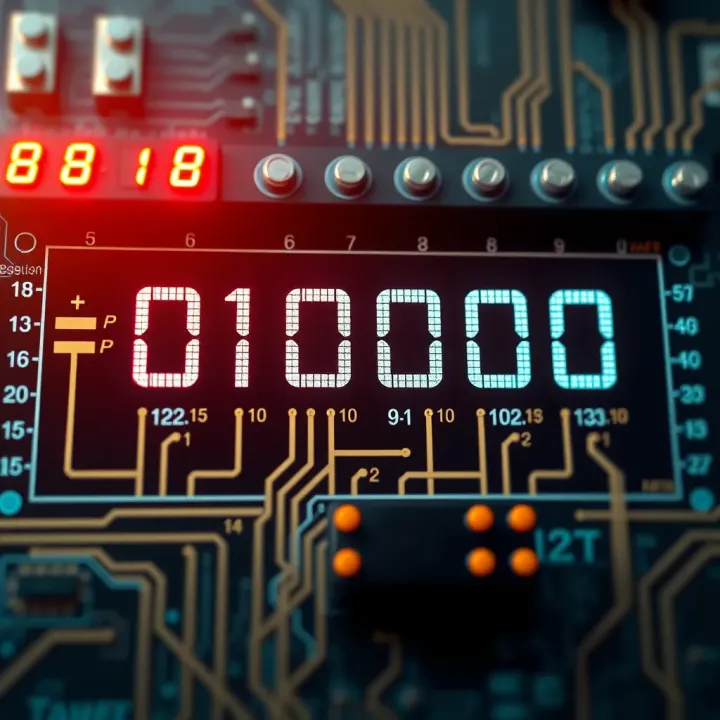
💻 Get a clear grasp of how computers use binary numbers to process, store, and manipulate data. Perfect for anyone curious about computing basics!
Based on 10 reviews