

Female Traders on Instagram in Binary & Forex Markets
Discover how female traders use Instagram for forex & binary insights📈. Learn their strategies, challenges, and tips for success in these markets👩💻💡.
Edited By
Emily Carter
Understanding the role binary identities play among female Bitcoin traders in Nigeria opens a window into a rarely discussed yet influential aspect of crypto culture. In a space often dominated by numbers and technical jargon, names—especially those that embrace binary or digital themes—carry weight far beyond simple identification.
This article sets out to unpack how these binary-inspired names influence everything from trading tactics to social dynamics within crypto communities. Are these handles just clever branding, or do they affect how women engage with the market and each other? We'll look at the cultural factors that shape these choices and how they might open or close doors for female traders in a male-heavy environment.

The discussion will also explore how such identities reflect broader societal shifts, especially within Nigeria’s vibrant crypto scene, and what implications this holds for investors, brokers, and analysts aiming to understand the nuances behind the names they see on trading platforms and forums.
In crypto trading, a name isn’t just a name—it’s a statement, a strategy, and sometimes a shield.
By the end of this guide, readers will have a clear perspective on why binary names matter and how they influence the female Bitcoin trader’s path in Nigeria’s fast-evolving market.
In the chaotic and fast-paced world of Bitcoin trading, binary naming serves as an intriguing compass. It helps traders, especially women in this male-dominated space, carve out distinct identities and navigate community discussions with a certain flair and security. Understanding these names is important because it’s not just about labels — these identities affect trust, recognition, and even influence within trading circles.
Binary names are particularly popular among female Bitcoin traders because they balance anonymity and personalization. Take, for instance, a trader using the name "CryptoQueen101"—this blends a tech-savvy image with a numerical element that suggests uniqueness and strategy. Such names become shorthand for reputation and expertise, carrying weight in forums and trading chats.
By grasping how binary names work, traders and investors can better understand communication dynamics in crypto spaces, and recognize trends that impact market decisions. This section breaks down the what, why, and how of these names, giving you solid ground to appreciate their practical benefits.
Binary names in Bitcoin trading typically combine digital numerals (like 0 and 1) with words or phrases that convey identity or purpose. These names often draw inspiration from the binary number system—fundamental to computing—making them feel tech-forward and cryptic at once. For example, a trader named "BitsBinary" sends a signal that she’s both involved in the digital currency world and embracing its underlying technology.
This naming style serves multiple practical functions. It makes usernames highly recognizable yet distinct, helping traders stand out amidst crowded platforms. Also, because these names often avoid using real personal information, they preserve privacy without making the trader invisible. It’s a clever blend of openness and protection.
The rise of binary names coincided with the early growth of cryptocurrency forums and peer-to-peer networks in the 2010s. As Bitcoin trading gained popularity, users sought handles that reflected the digital underpinnings of blockchain tech. Early adopters, mostly tech enthusiasts, began experimenting with names incorporating ones and zeros – the essence of computing.
For women stepping into these crypto spaces, binary naming offered a fresh way to craft identities that felt empowering. Instead of traditional gendered usernames, these binary-style handles presented an egalitarian front, emphasizing skill and knowledge over personal details. Over time, this trend spread from niche trading groups to broader online communities, including Nigeria’s growing Bitcoin market.
One of the central uses of binary names is striking the right balance between being identifiable and staying anonymous. In volatile markets like Bitcoin, full disclosure of identity can sometimes lead to security risks or unwanted attention. Using a binary name allows traders to build recognizable reputations tied to their trading successes or insights without exposing sensitive personal info.
For example, in Nigerian crypto Telegram groups, traders often use binary names to maintain privacy from hackers, scammers, or even jealous competitors. This preserves an element of safety while still providing a forum identity that others can trust and rely on. It’s like having a secret handshake in the crypto world, signaling credibility without laying all cards on the table.
Beyond anonymity, binary names serve as branding tools. A memorable name can boost a trader’s influence, making them more likely to be followed or consulted by peers. Names like "ByteSister88" or "CoinMistress101" act like mini brands, associated with certain trading styles or reputations.
In trading circles, these names help build social capital. Traders with strong, recognizable binary names often find it easier to form partnerships, attract mentees, or even market advisory services. The clever use of numbers and tech references signals not just competence, but also a modern, connected identity that others want to associate with.
Using binary names, especially among female traders, turns an otherwise anonymous avatar into a memorable digital persona that blends safety, identity, and influence seamlessly.
In a nutshell, binary naming in Bitcoin trading plays a vital role—not just as a fun trend but as a practical tool shaping how traders interact, build trust, and make their mark in a growing market. Understanding this lays the foundation for deeper insights into the unique world of female Bitcoin traders and their strategies.
Profiles of female bitcoin traders who use binary names reveal much about identity strategies within crypto communities. These profiles help us understand why binary naming is more than just an aesthetic choice—it's a functional tool for carving out presence and credibility in a bustling, sometimes hostile market. By looking at characteristic name patterns and influential figures, especially within Nigeria’s crypto scene, we gather a clearer picture of how these traders navigate anonymity, trust, and branding.
Numerical sequences in binary names often carry hidden meanings or personal significance, setting traders apart in a crowded space. For example, "0101Zara" might indicate a preferred binary pattern with 'Zara' personalizing it. Numbers could also reference block heights, significant dates, or cryptographic hashes relevant to blockchain technology. These sequences aren’t random; they help create memorable identities that can imply savvy or insider knowledge, aiding in peer recognition and trust-building.
Traders using these sequences frequently tap into numerology tied to crypto culture—such as the binary representation of '1's and '0's standing for digital presence or the double zeros symbolizing privacy. This careful curation allows female traders to subtly communicate their expertise without exposing personal details.
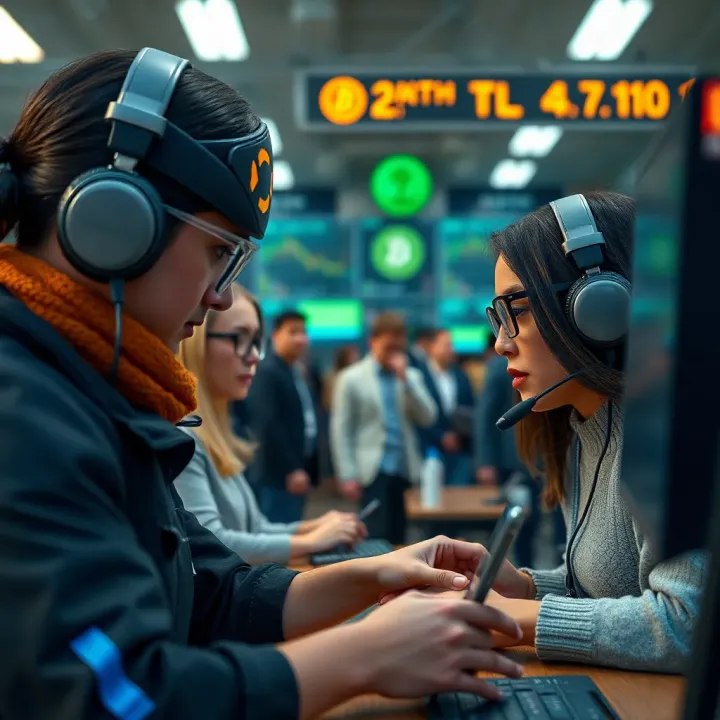
Incorporating tech and cryptography terms into usernames is another widespread approach. Names like "CryptoNia_101" or "HashGal_011" signal technical fluency and seriousness about the trade. This use of jargon helps build an expert image, critical in an industry that values both knowledge and discretion.
Such naming conventions often include terms like "Hash," "Block," "Bits," or abbreviations like "BTC" paired with numbers or symbols. This combination functions like a shorthand language understood within trading circles, reinforcing the trader's connection to the crypto ecosystem. It also makes these profiles more searchable and recognizable across forums, social media, and trading platforms, promoting networking opportunities and collaboration.
Among Nigerian traders, figures like Adaeze Okafor, who goes by "Ada0101," showcase how binary names resonate locally. Adaeze began trading in Lagos and leveraged her unique binary-style alias to create a recognizable brand on Twitter and Telegram. Her identity blends traditional Nigerian naming with digital elements, aiding her community outreach while preserving personal anonymity.
Another example is Fatima "BitFemi" Mohammed, whose name pairs the term "Bit" with a common Nigerian root to embody both identity and crypto affiliation. Such names enable women like Fatima to connect with local traders and signal their dedication and knowledge of blockchain mechanics.
Beyond Nigeria, traders like "BinaryLuna007" from South Korea and "CryptoSophie0011" in Germany illustrate the global adaptation of binary identities. These women use their names to assert digital competence and safety online, often combining elements from their language or culture with crypto terms.
These traders achieve visibility while managing risks like harassment or data breaches. Their binary-inspired names become part of their personal brands, creating a digital footprint that’s both distinct and protective. Their experiences provide insight into how women worldwide are finding creative ways to engage with crypto trading without sacrificing privacy or authenticity.
Understanding the profiles and naming practices of female bitcoin traders reveals a blend of technology, culture, and identity that drives how these women operate and succeed in the crypto space. This knowledge is essential for anyone looking to appreciate the nuanced dynamics of digital trading communities.
By exploring these elements, traders and analysts can better grasp how names function as more than labels—they are strategic tools shaping market presence and interpersonal trust.
Understanding why female bitcoin traders adopt binary names involves diving into the cultural and social fabric that surrounds them. In Nigeria, and similar contexts, these factors aren’t just backgrounds — they actively shape identity choices in the crypto space. Binary names become more than mere handles; they reflect a trader’s sense of belonging, safety, and assertion within a rapidly evolving digital economy.
For many women in bitcoin trading, anonymity isn’t just a preference but a necessity. Crypto markets can be tough and often hostile, particularly for female participants. Using binary names allows traders to protect their real-world identities from doxxing or targeted harassment. For example, a trader going by “BitGal1010” can keep her personal life shielded while engaging actively in online communities or trading platforms. This layer of protection encourages more women to join, knowing their safety is somewhat assured.
Trading anonymously also helps sidestep biases. Women with binary names can be judged more on their trading skills and less on their gender. This helps level the playing field, making identity more of a tool for empowerment rather than a vulnerability.
Beyond just being a shield, binary names serve as badges of empowerment. They allow female traders to craft a persona that embodies confidence and competence. Think of someone choosing "CodeQueen0110" to symbolize mastery over digital currencies and technology. This kind of digital self-presentation sends a clear message: "I belong here, and I’m skilled."
This empowerment extends into the community as a whole, encouraging other women to adopt similar identities and enter the crypto world with pride. It’s not just about safety; it’s about visibility and reshaping narratives around who gets to succeed in bitcoin trading.
Nigeria’s rapidly growing tech scene heavily influences how binary names are chosen and perceived. The country’s embrace of fintech and blockchain solutions creates a fertile ground for unique identity expressions. Nigerian traders often blend traditional symbols or local languages with binary elements – for instance, a name like “NaijaBit0011” marries national pride with digital expertise.
This fusion reflects local innovation culture while fostering inclusivity. It signals to other traders that these women are grounded in both their communities and global markets. Plus, it helps normalize female participation in fields traditionally seen as male-dominated.
Binary names also tap into support networks within local crypto communities. Groups in Lagos or Abuja might form around shared naming styles, offering a sense of unity and mutual encouragement. In these circles, a binary name isn’t just a tag, but a symbol that connects members, making it easier to build trust and collaborate.
Community spaces often provide mentoring and resources specifically for women using such identities, which reinforces positive feedback loops. Newcomers see these binary personas thriving and feel welcomed to join. This social acceptance is crucial—it turns a simple naming practice into a strategy for long-term inclusion and growth.
In sum, the cultural and social contexts in Nigeria deeply influence how female bitcoin traders use binary names. These names do more than identify—they protect, empower, and connect within a dynamic, sometimes challenging environment.
Binary names aren’t just a quirky trend—they have a tangible impact on how female Bitcoin traders perform and are perceived. In a market where trust and visibility can make or break a deal, these binary-style identities influence both community perception and individual confidence. Understanding this effect helps decode not just the surface appeal but the deeper advantages these names bring.
In trading circles, a name can signal trustworthiness. When a female trader adopts a binary name—like "CryptoQueen101" or "BitDuchess404"—it signals tech-savviness and seriousness about crypto, which helps build credibility fast. This is especially important where female traders may face skepticism; their binary names help flatten bias by aligning them with the tech-heavy environment.
This perception plays out in how peers and potential partners assess reliability, often influencing transaction speed and openness to collaboration. For example, a Nigerian female trader who uses a name embedding a binary pattern, such as "NairaBits88," might attract more attentive offers because it immediately marks her as someone firmly within the crypto culture, which can be reassuring to others.
Beyond trust, binary names act as networking tools. They’re memorable and often spark curiosity, leading to easier introductions and stronger connections. Traders like "BitLydia0101" leverage their names in social media and forums to stand out, making it easier to form partnerships or join exclusive groups.
This naming convention also facilitates easy categorization in crowded digital spaces, helping traders find each other based on recognized binary naming patterns or common tech references. Consequently, partnerships formed through these networks can broaden market reach or provide access to insider knowledge, further boosting trading success.
Choosing a binary name isn’t just external branding—it’s a psychological anchor. It helps female traders carve their own niche identity that feels both protective and empowering. When traders embrace names reflecting their affinity with crypto tech, they reinforce their own confidence daily, which can improve decision-making and persistence during market volatility.
For instance, a trader named "SatoshiLass111" might feel a deeper connection to the Bitcoin community and its ethos, boosting her willingness to engage aggressively with markets and persist despite setbacks.
Binary names can also affect how traders manage risk. Those who feel a solid identity behind their names tend to approach decisions with more clarity and less hesitation. The ‘binary’ aspect often embodies precision and logic, traits valuable in high-stakes trading environments.
A Nigerian female trader using a name like "BlockNaira007" may embody that calculated mindset, which helps keep emotions in check. This psychological edge often leads to more disciplined strategies, mitigating impulsive trades and enhancing overall success.
In short, binary names do more than just identify—they build trust, open doors, and shape the very mindset of female Bitcoin traders. This combo is a hidden asset in the competitive world of crypto trading.
Looking ahead, the way female crypto traders shape their identities—especially through binary names—could shift quite a bit. This section digs into what those changes might look like and why they matter. As the crypto market grows and changes, women's approaches to these digital personas adapt in ways that impact their visibility, influence, and even success in the Bitcoin space.
One trend gaining traction is how naming conventions mesh with newer blockchain tech. For example, decentralized identity (DID) systems are showing up more frequently. These give traders control over their personal data and digital names without tying them to a centralized service. This integration means a trader using a binary-style name might also link it to verifiable credentials securely stored on the blockchain.
Practically, this boosts trustworthiness in trades and partnerships while preserving privacy. Think of platforms like ENS (Ethereum Name Service) which allow human-readable names connected to wallet addresses. Female traders could adopt similar systems, letting their binary names serve double duty as both identity markers and secure login points, simplifying interactions within the crypto realm.
Alongside tech integration, there's a move from strict binary names toward more personalized or hybrid ones. Traders often blend elements of their real-world identity with crypto-inspired handles—like combining a nickname with numerals or cryptographic terms. This makes their persona feel less like a mask and more like a genuine reflection of who they are.
This shift is practical for building long-term brand identities and personal recognition. For instance, a Nigerian trader might go from "010101Queen" to "Ngozi_0101". This mix keeps the cryptic feel but adds a touch of personal connection, which can foster trust and open doors to broader community engagement.
Binary names often act as the first point of engagement for newcomers. They can communicate expertise, belonging, and a shared culture within the Bitcoin trading community. For women, adopting such names may lower entry barriers by creating a distinct space where they feel represented.
New traders spot these identities and feel encouraged to join, thinking, "Hey, if she can do it with this cool binary tag, maybe I can too." It's a form of social proof that matters a lot in male-dominated fields like crypto trading.
Beyond names, practical support through initiatives plays a critical role. Several organizations such as Women in Blockchain Nigeria, She256, and Lo3 Labs strive to create more inclusive environments through mentorship programs, workshops, and networking events.
These programs help reinforce the positive impact of identity in trading by pairing name adoption with education and community support. Women traders aren't just picking names—they're stepping into circles that provide tools and confidence to navigate complex trading environments.
As female traders embrace evolving identities and supportive networks, the binary naming trend acts as both a gateway and a symbol of growing female influence in Bitcoin trading.
Together, these future trends suggest that binary names will keep evolving, meshing with technology and personal expression, while also playing a part in attracting and empowering the next wave of women traders in Nigeria and beyond.
Discover how female traders use Instagram for forex & binary insights📈. Learn their strategies, challenges, and tips for success in these markets👩💻💡.
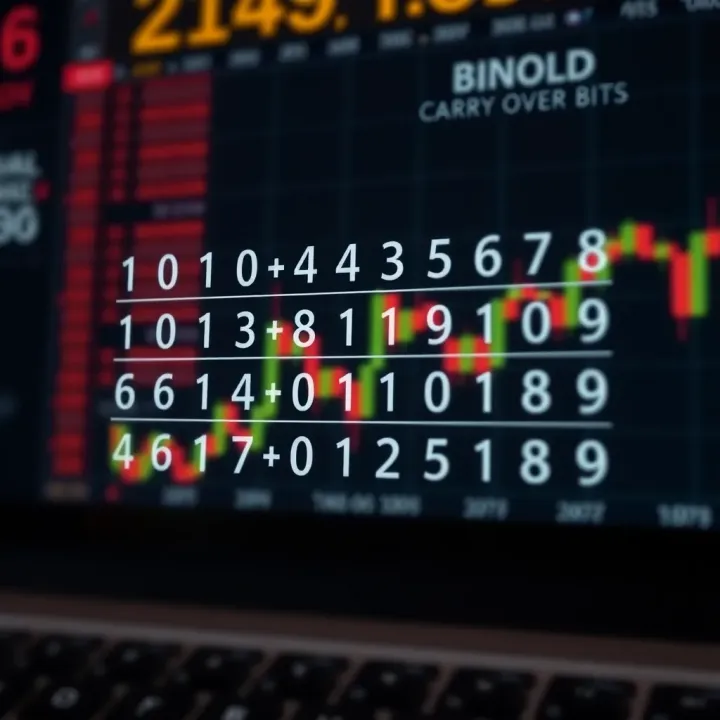
🔢 Learn binary addition step-by-step with clear examples and essential rules. Discover its role in digital systems and avoid common mistakes! 💻

🔍 Explore how the binary search algorithm efficiently finds items in sorted data sets. Learn step-by-step examples and see why it's faster than other search methods.

💻 Explore how binary format shapes computing and data storage, learn binary number basics, applications, and clear up common misconceptions in tech.
Based on 15 reviews