

Choosing the Best Binary Option Broker in Nigeria
Explore top binary option brokers in Nigeria 🇳🇬, learn key tips for safe trading, and understand Nigeria’s specific market rules and challenges.
Edited By
Sophie Lawrence
In the world of online trading, picking the right binary options broker can be tougher than it seems — especially for Nigerian traders who face unique market challenges. Lots of platforms claim to offer the best deals, but the reality is that not every broker fits your trading style or security needs.
This guide is about cutting through the noise and offering you straightforward advice on what really matters when choosing a binary options broker. From checking if a broker is properly regulated to understanding their fee structures, available trading assets, and how solid their customer support is — we cover it all.

Why does this matter? Because the wrong choice can cost you time, money, or worse, compromise your personal info. On the flip side, finding a reliable broker that matches your needs can make trading less stressful and more profitable.
Throughout the article, we’ll use practical examples and focus on what Nigerian traders should watch out for. The goal is to put you in a better position to make informed decisions based on facts, not just flashy promises.
"Choosing the right broker isn’t just about low fees or fancy platforms—it’s about trust, security, and support tailored to your trading goals."
By the end, you should feel confident navigating the options available and knowing precisely what to ask before signing up. Let’s get started on helping you trade smarter with the right broker in Nigeria.
Understanding binary options trading is the first step any Nigerian trader should take before diving in. This type of trading is fundamentally different from traditional stock or forex trading, and grasping its basics can make a real difference between gains and losses. Knowing how it works, its potential payoffs, and risks helps traders make smarter decisions instead of shooting in the dark.
Binary options are financial contracts where the payout is either a fixed amount or nothing at all. Think of it like a simple yes/no bet: for example, will the price of crude oil be above $70 at 3 PM today? If yes, you win a predetermined profit; if no, you lose your investment in that option. The “binary” term means there are only two outcomes.
This simplicity is appealing because traders know upfront exactly how much they can gain or lose. For instance, if you invest ₦10,000 in a binary option with 80% payout, you stand to make ₦8,000 profit if your prediction is correct. But if wrong, you lose the whole ₦10,000. This all-or-nothing structure makes it easier for traders to set limits and manage investments.
Unlike traditional trading where profits depend on the magnitude of price movement, binary options focus solely on the direction over a set timeframe. In forex trading, a small price dip might not affect your position much, but in binary options, if your prediction misses by even a fraction, you lose the entire stake.
Another key difference is the fixed expiry time in binary options, ranging from minutes to hours. This need for quick decisions means you aren't holding positions indefinitely or dealing with complex order types like stop-loss or take-profit. This makes it attractive for traders who want short-term, straightforward bets without worrying about underlying asset price swings throughout a day.
Binary options offer the possibility of high returns—sometimes up to 90% or more per trade. However, these profits come with equally high risks. Losing your full investment on a single trade isn’t uncommon, especially if you don’t have a solid strategy.
For example, imagine betting on the Nigerian Naira to strengthen against the US dollar within an hour using a binary option. If the market moves against your prediction, you could lose 100% of your stake immediately. However, if the market moves as expected, your profit is locked in before any sudden reversal.
Managing risk is critical. Traders should never wager more than they can afford to lose on individual trades. One practical approach is to limit exposure to around 1-2% of your trading capital per trade. This way, even a string of losses won’t wipe you out quickly.
Using demo accounts can also help build skills without risking real money. Learning how to read market indicators, setting clear entry and exit points, and avoiding emotional decisions give Nigerian traders a much better shot at success.
Always remember: binary options trading can be tempting due to quick profits, but reckless moves can burn your money fast. Sound risk management and a clear understanding of what’s at stake will save you headaches down the line.
Understanding these fundamentals sets the foundation for choosing the right broker and developing strategies that actually stand a chance. With this groundwork, Nigerian traders can better evaluate opportunities and avoid common pitfalls.
Picking the right binary options broker isn’t just a formality; it can make or break your trading journey. Imagine trying to place a trade only to have the platform freeze or face unexpected delays—this can cost you dearly in fast-moving markets. Beyond just convenience, the broker you choose directly impacts your ability to execute trades smoothly, access the assets you want, and keep your funds safe.
In Nigeria, where regulatory clarity around binary options is still evolving, the right broker also gives you peace of mind. You want to work with a firm that’s not just flashy but genuinely reliable and transparent. Choosing well means saving yourself from headaches, lost money, and scams. Let's break down why this matters with a few key points.
Fast execution is the name of the game. In binary options trading, even a second’s delay can turn a winning trade into a losing one. Brokers with slow platforms or frequent downtime put traders at a huge disadvantage. For example, if you want to bet on the Nigerian Naira’s movement after a key economic announcement, a lagging platform might mean you miss the window to act.
Stable platforms, like those powered by MT4 or proprietary software with good reviews, provide a smoother experience. Nigerian traders should run a few test trades on demo accounts to check speed and stability before committing real funds. This helps avoid surprises when the market moves fast.
Binary options aren’t just one thing; they span currencies, commodities, stocks, and indices. A good broker offers a variety of trading instruments so you can diversify your bets. For Nigerian traders, access to popular assets like the USD/Naira pair, oil prices, or major tech stocks can be crucial. Without these options, trading feels limited and less tailored.
On top of assets, useful tools like real-time charts, economic calendars, and volatility indexes help you make informed decisions. If your broker lacks these, you’re flying blind. Good examples are platforms offering integrated charts with indicators like RSI or MACD, which help spot market trends instantly.
Nothing feels worse than worrying if your deposited money is safe. Trusted brokers keep client funds in segregated accounts — separate from their own operating money — making it harder to misuse or lose these funds. Some brokers even offer insurance or compensation schemes as an added layer of protection.
For Nigerian traders, given the rise of scams in the trading sector, always check if the broker follows strict fund safety policies. If a broker promises sky-high returns but can’t satisfactorily explain where and how your money is held, it’s a red flag.
Transparency means you know exactly what fees you'll pay, how payouts are calculated, and what to expect from the trading platform. Fair brokers disclose all these terms clearly in their contracts. For instance, they won’t hide withdrawal limits or bonus terms in fine print designed to trip you up down the line.
Trustworthy brokers maintain open communication and have reputations you can check through user reviews, forums, or regulation bodies like the FCA or CySEC — even if those licenses aren’t local to Nigeria, they add credibility.
Trade cautiously but confidently: the right broker combines speed, variety, security, and clarity to help you trade without constant second-guessing.
Choosing a broker that delivers on these fronts directly supports long-term success and reduces unnecessary roadblocks in your trading path.
When venturing into binary options trading, understanding the regulatory environment is a must for Nigerian traders. Regulations act like guardrails, keeping the trading experience fair and secure. Without this knowledge, traders risk falling prey to untrustworthy brokers or facing legal complications down the line.
Knowing the rules that apply locally and globally helps put you in the driver's seat. It’s not just about compliance – it directly impacts where you can trade, who you can trust, and how safe your funds are. For example, a broker registered under Nigeria’s Securities and Exchange Commission (SEC) gives a certain level of confidence compared to unknown players lurking without oversight.
Regulatory considerations also shape the available trading options and the protections in place if things go sideways. By paying attention to this, Nigerian traders can confidently narrow down their broker choices and avoid the common traps that come with less regulated markets.
The Central Bank of Nigeria (CBN) and the Securities and Exchange Commission (SEC) oversee financial activities within the country but have taken cautious stances on binary options. The CBN often warns against certain types of risky investments and stresses careful due diligence, especially given the history of scams using the binary options label. Meanwhile, the SEC regulates trading activities to shield investors from fraud and enforce transparency.
For traders, this means looking for brokers that comply with Nigerian regulatory standards or at least have transparent operational practices. Understanding that the CBN typically restricts banks from processing transactions linked to unregulated binary options brokers is key — this affects how easily you can fund or withdraw money. A good example is that some Nigerian banks may block withdrawals from brokers they don't recognize as legitimate.
In Nigeria, the legal standing of binary options brokers can be a bit murky, since no clear-cut license exists specifically for binary options trading. Most brokers operate from other countries, making it essential to understand whether these platforms have licenses recognized by Nigerian authorities or if they conduct operations within the country’s legal boundaries.
Traders should prioritize brokers with international licenses that allow them to operate legally online while still offering services to Nigerian customers. Checking broker registration and their terms of service will reveal whether they respect local laws or just aim to attract traders from Nigeria without proper oversight. This helps avoid landing on platforms that vanish when it’s time to cash out.
Looking abroad, several well-known regulatory bodies govern binary options brokers internationally and provide a layer of trust for Nigerian traders. The UK's Financial Conduct Authority (FCA) and Cyprus Securities and Exchange Commission (CySEC) are among the most respected regulators, known for strict standards on transparency, fair trading, and client fund security.
Besides the FCA and CySEC, traders might also spot brokers licensed by the Australian Securities and Investments Commission (ASIC) or the Malta Financial Services Authority (MFSA). These licenses generally mean the broker submits to regular audits, maintains segregated client funds, and follows fair marketing practices.
For Nigerian traders, picking brokers regulated by these bodies reduces the risk of falling victim to shady platforms. Since these regulators enforce investor protection rules, brokers under their watchlist can't easily just disappear after you fund your account.
A broker holding a global license tells a compelling story about its credibility. Such licenses require meeting financial standards, submitting to regulatory checks, and operating fairly — all good signs for traders seeking reliability.
For instance, if a binary options broker has a CySEC license, you know it's got to meet capital requirements and maintain clear client communication channels. This means your money is more likely to be safe, and disputes can be resolved fairly rather than disappearing into thin air.
Always remember, a license from a reputable international regulator isn't a golden ticket but a solid safety net. It signals that the broker operates under rules designed to keep clients protected.
From a practical angle, this means Nigerian traders should prioritize brokers with recognized global licenses, especially if local regulations aren't yet fully developed for binary options. Doing so gives you peace of mind, better support, and a fallback should problems arise.
In summary, Nigerian traders must weigh both local rules and international regulations when choosing a binary options broker. Understanding the system keeps you safe and sets you up for a smoother trading experience.
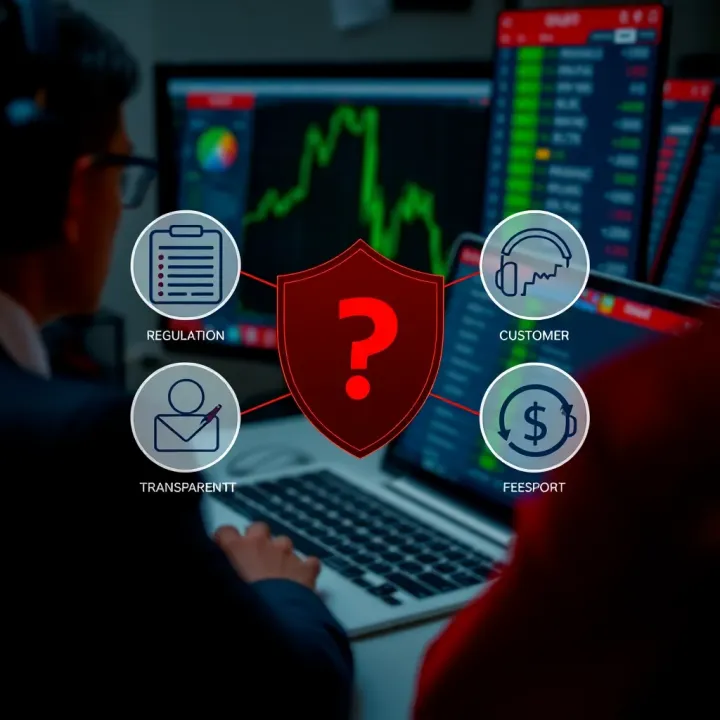
Choosing the right binary options broker is more than just picking the one with the flashiest website or the lowest minimum deposit. It’s about finding a platform that fits your trading style, offers reliability, and provides the tools you need to succeed. Nigerian traders should focus on factors such as platform functionality, range of trading options, account flexibility, and deposit requirements since these elements directly impact your trading efficiency and risk management.
A broker that suits one trader might be a nightmare for another. So, knowing exactly what to look for can save you headaches and money down the line.
A smooth, easy-to-navigate platform can turn a complicated trade into a quick decision, which is critical in binary options where timing matters. Look for brokers like Quotex or RaceOption, known for clean interfaces that highlight essential data without clutter. Tools such as real-time charts, indicators, and risk calculators should come standard. They help you analyze market moves without needing to juggle between apps or pages.
If the platform feels clunky or forces you to dig through menus for basic stuff, it hampers your ability to act swiftly. Test platforms with demo accounts before investing real money to get a real feel for how user-friendly they are.
Since Nigerians are increasingly trading on the go, having a broker whose platform works well on both desktop and mobile devices is a must. Look for apps optimized for Android and iOS that replicate the desktop experience closely. This flexibility means you won’t miss out on trades just because you’re away from your computer.
For example, Pocket Option provides a mobile app that maintains full trading capabilities, including charting and alerts. This way, whether you're commuting or waiting in line, you can check your positions and make decisions fast.
Binary options brokers offer a variety of contract types including classic high/low, one-touch, and boundary options. Each style suits different trading strategies. Beginners often find high/low options simpler to understand, while experienced traders might explore one-touch or ladder options for potentially higher returns.
Make sure your broker provides diverse contract types to match your trading plan, especially if you want to experiment or adapt to market conditions.
What can you trade on? This is key. Good brokers offer access to multiple asset classes like currency pairs, stocks, indices, and commodities. For Nigerian traders, brokers providing major currency pairs such as USD/NGN can be advantageous. Additionally, being able to trade popular global stocks like Apple or Google broadens your opportunities.
A broader asset range lets you diversify your trading portfolio and tap into markets you're comfortable with or those that seem promising.
A wise broker offers different account tiers catering to various experience levels. Beginners might benefit from a "starter" or "micro" account with lower stakes and basic features. Meanwhile, seasoned traders may prefer "premium" or "VIP" accounts, which usually include perks like faster withdrawals, dedicated support, or advanced trading tools.
For instance, Olymp Trade has tiers that allow gradual progression. This ensures you’re not overwhelmed at the start but still have room to grow as you gain confidence.
Minimum deposit amounts vary greatly among brokers. Some welcome traders with as little as $10, which suits Nigerians who want to start small without risking too much. Others might require $250 or more, catering more to serious players.
Look carefully at these figures; low deposits provide easy access but sometimes come with trade-offs like limited features or higher fees. Make sure the deposit level matches your budget and trading goals.
Finding the perfect match in a binary options broker demands attention to these practical details. Remember, a broker that fits your unique needs can make your trading life a whole lot easier and more rewarding.
When choosing a binary options broker, understanding the fee structure and payout system isn't just a nice-to-have—it's a must. These elements directly impact how much you can earn and how quickly you can lose money. Nigerian traders especially need to scrutinize these details since hidden fees or low payout ratios can turn a promising broker into a costly mistake.
Common fee models can vary quite a bit between brokers. Most don’t charge traditional commissions like stock brokers. Instead, they often make money from the spread—the difference between the buying and selling price—or set a fixed fee per trade. For example, some platforms might charge a $1 fee on each binary option trade while others add a markup on the underlying asset price.
Knowing these fee models helps you choose a broker that keeps trading costs reasonable. If you find a broker with a creeping spread, it could eat away at your profits without you realizing it right away. So, always ask, "How does this broker make money?" and check the terms carefully.
Hidden charges to watch for are the real nuisances. Some brokers might sneak in withdrawal fees, inactivity charges, or even fees for using certain payment methods like international bank transfers or cryptocurrency wallets. For instance, a broker might say withdrawals are free but charge a 2% fee if you withdraw more than twice a month. These extra charges can build up quickly, especially if your trading volume is high or your account stays inactive for a while.
Always dig beneath the surface. Reading the fine print and customer reviews about fees can save you from unexpected expenses.
How payouts are calculated is pretty straightforward but crucial. Most binary option brokers quote payout ratios as a percentage of your invested amount. For instance, a 70% payout means if you invest 10,000 Naira on a trade and you win, you earn 17,000 Naira back (your stake plus 7,000 Naira profit). However, these ratios vary depending on the asset and market conditions.
Keep an eye on brokers offering unusually high payouts; sometimes, that's just smoke and mirrors, and the trading environment may come with stricter conditions or higher risks.
Effect on trader’s returns is the bottom line. Let's say two brokers both advertise a 70% payout on EUR/USD binary options. But Broker A has no trading fees, while Broker B charges a small commission per trade. Even a small commission can make a difference over multiple trades by cutting into your profits.
On the flip side, a broker offering slightly lower payout ratios but zero hidden fees might be better in the long run. The key is to balance payout ratios against all costs involved to maximize net returns.
By carefully evaluating fees and payout structures, Nigerian traders can avoid unpleasant surprises that eat into profits and pick brokers that actually work for their trading style and budget.
Understanding the deposit and withdrawal processes is a key part of choosing a binary options broker, especially for Nigerian traders. These processes affect how quickly and easily you can fund your trading account and get your profits out. You don't want a broker where your money is stuck in limbo or buried under layers of unnecessary paperwork. Smooth transactions can make the difference between a frustrating experience and a confident trading journey.
When it comes to payment options, Nigerian traders benefit from brokers that offer a mix of convenient and secure methods. Bank transfers are quite common but can take a few business days and may involve higher fees, especially for international payments. On the flip side, e-wallets like PayPal, Neteller, and Skrill have gained popularity due to their faster processing times and lower fees. For example, with Skrill, deposits appear almost instantly, which means you can jump into trades without wasting time.
Cryptocurrencies, such as Bitcoin and Ethereum, are becoming increasingly accepted and offer the advantage of quick transfers without relying on banking hours or international clearinghouses. However, a trader should be mindful of the market volatility of cryptocurrencies and potential extra steps in verification when using these methods.
Speed and costs of transactions vary notably between options. While bank transfers might charge higher fees and take 3-5 days, e-wallets and cryptocurrencies tend to process within hours or even minutes, usually at lower costs. Some brokers may add hidden fees, so always check the terms. For instance, a broker might advertise “zero fees” on deposits but apply charges on withdrawals, or vice versa.
How quickly brokers let you withdraw your funds is crucial. Typical withdrawal times can range from same-day processing to up to a week, depending on the broker’s policies and the payment method. For example, withdrawing via e-wallets often takes 24 to 48 hours, while bank transfers might lag behind. Nigerian traders should be wary of longer withdrawal times as that can tie up funds and stress your trading plans.
A frequently overlooked but vital part of the withdrawal process is verification requirements. Brokers usually demand identity confirmation documents, such as government-issued IDs or proof of residence, before they approve withdrawals. This is part of anti-fraud measures and compliance with financial regulations. It might feel like a chore at first, but it protects your money and ensures you're dealing with a trustworthy broker. Be sure to prepare these documents upfront so you don't face delays when you want to cash out.
Remember, a broker with clear, quick, and fair deposit and withdrawal policies reflects professionalism and respect for traders. That’s a sign you’re dealing with a platform worth your trust.
Choosing a broker with straightforward payment systems, transparent fees, and reasonable withdrawal policies can save you headaches and help you focus on trading without worrying about access to your funds.
When picking a binary options broker, especially for Nigerian traders stepping into this space, good customer support and solid educational resources can make a world of difference. Trading can sometimes feel like navigating a maze, and having a helpful guide or quick assistance can save time, money, and stress.
Reliable communication channels are the lifeline between you and your broker. It's not just about having a chat window on a website; we're talking multiple options like email, phone support, live chat, and even social media platforms like WhatsApp or Telegram. For example, if a Nigerian trader encounters a payment issue outside Nigeria’s banking hours, a live chat feature or a WhatsApp support line can provide immediate help without long waits.
Broader channel availability means you can reach out through whatever suits you best, whether you're on the move or at home. It also shows that the broker values accessible, real-world support rather than just automated replies.
Having 24/7 or near-round-the-clock support is a big plus. Trading doesn’t always fit nicely into a 9-to-5 bubble, and issues at odd hours can make or break your trades. Quality here means knowledgeable agents, quick response times, and a friendly, problem-solving attitude.
Trustworthy brokers like IQ Option, Olymp Trade, and Pocket Option are known for their helpful customer service tailored to diverse markets including Nigeria. You want support that can clearly explain platform issues or even guide you through complex trades without sounding robotic or brushing you off.
When your broker’s support team is on the ball, you gain confidence to trade actively, knowing you won’t be left dangling in a crunch.
Good brokers invest in your growth. Tutorials and webinars can turn a clueless newbie into someone who understands chart reading or option types without running into costly mistakes. For instance, a broker offering weekly webinars that cover basics, market trends, and risk management gives Nigerian traders a leg up.
Demo accounts are a practical training ground. They let you trade with fake money in real market conditions, so you can test strategies and get comfortable with the platform risk-free. Take Binomo — it’s popular for its demo feature that helps beginners learn the ropes before going live.
Beyond the basics, some brokers provide tools that help you sharpen your game. These might include technical indicators, economic calendars, and strategy guides. For example, Pocket Option offers a variety of indicators you can overlay on charts to spot trends and potential entry points more confidently.
Some platforms also gamify learning with quizzes or challenges, which is a neat way to stay engaged and progressively build your skill set. This kind of ongoing support for traders — not just logging in and hoping for the best — makes a real difference.
Investing in brokers with strong educational resources means you’re not just trading blindly but growing into a savvy trader who understands the market's twists and turns.
Choosing the right broker is no walk in the park, especially in the binary options scene where the market is flooded with options. Some pitfalls can seriously trip up even seasoned traders, so keeping an eye out for red flags is vital to protect your investments. By steering clear of common mistakes, primarily focusing on regulation and usability, you safeguard your funds and improve your trading experience.
The biggest risk Nigerian traders face is falling for unregulated or outright scam brokers. A major red flag is when a broker isn’t regulated by any recognized authority like the Nigerian SEC or international bodies such as the FCA (UK) or CySEC (Cyprus). These brokers often make outrageous promises such as guaranteed profits or ridiculously high payouts that sound too good to be true.
Another warning sign is a broker who pressures you into depositing funds quickly or refuses straightforward answers about their licensing and security measures. Poor communication or no physical office address can also hint at shady operations. For example, brokers that only communicate through instant messaging apps and don’t offer transparency in fee structures might be hiding something.
To avoid scams, always verify the broker’s regulatory status on official regulatory websites before signing up. Stick to brokers who openly display their licenses and have a proven track record. Using demo accounts can give you a risk-free way to test the platform and get a feel for its legitimacy.
Avoid sharing too much personal information upfront and never send money to brokers who don’t show clear withdrawal procedures. Remember, a legitimate broker will never rush you or use aggressive tactics to get your deposit. If you spot any suspicious behavior, trust your gut and look for another platform.
Trading binary options demands quick decisions, and a complex, cluttered trading platform can throw a wrench in your strategy. Simple interfaces allow you to focus on the core elements like asset selection, payout ratios, and expiry times without getting bogged down by unnecessary bells and whistles.
For example, a platform overloaded with confusing charts, too many tabs, or archaic design can slow you down, especially if you are trading on a smartphone where screen space is limited. Brokers like IQ Option and Binary.com are praised for their clean designs and user-friendly layouts, which cater well to both beginners and pros.
A complicated platform directly affects your trading performance because every second counts in binary options trading. If you struggle to place trades quickly or navigate between assets, you may miss lucrative opportunities or make costly mistakes. This is especially true during volatile market conditions where price movements happen fast.
Moreover, a platform with steep learning curves can discourage consistent trading and lead to frustration, which impacts decision-making. Choosing brokers with straightforward interfaces reduces errors and boosts confidence. Always test the demo versions to see if the platform feels intuitive before committing real money.
"When trading, ease of use is just as important as fees or payout rates. A platform that aligns with your style makes you a sharper trader."
Avoiding unregulated brokers and steering clear of complicated platforms can significantly improve your journey in binary options trading. Being vigilant and selective helps guard your capital and puts you in control of your financial moves.
Before putting your money on the line, it’s smart to test and compare brokers. This step helps you get a feel for the trading platform, check out the features, and understand conditions without risking actual funds. Especially in Nigeria, where access to some platforms might be limited or where scams are unfortunately common, testing brokers in advance lets you spot potential issues and choose one that suits your trading style and needs.
Trying out different brokers side-by-side reveals differences that aren’t obvious from just reading promotional materials. For example, how quickly a platform reacts or how easy it is to execute orders can impact your trades' success. If you’re into trading on the go, you’ll want to check mobile compatibility too. These hands-on experiences provide crucial insights that save headaches later.
Demo accounts are golden for new and experienced traders alike. They let you explore the full platform using virtual money, which means zero risk while you learn. Focus on these key features when testing demo accounts:
Order execution: How fast does the platform respond? Any lag or freezing? Fast execution can mean the difference between profit and loss.
Trading tools: Do you get access to charts, indicators, or news feeds? These can greatly assist making informed trades.
User interface: Is the platform intuitive? Can you easily spot assets, options, and account info?
Range of assets: Try trading different assets—stocks, currencies, commodities—to see if the broker offers what you want.
Mobile experience: Open the demo on your phone or tablet to judge if you can trade smoothly when away from the PC.
Using demo accounts, you can mimic real trading conditions and develop your strategy without fear. It’s like test driving a car before buying.
While demos are useful, they aren’t the whole story. Real trading involves emotions like anxiety or excitement that a simulated account can’t imitate. Also, sometimes demo platforms have better execution speeds or different pricing than live accounts. Brokers might prioritize demo users differently, so results may not always reflect live trading conditions.
Another point: demo accounts often don’t impose strict withdrawal rules or deposits, which could be a surprise when you switch to a real live account.
Be aware that overconfidence with a demo account can lead to bigger mistakes when real money’s involved. Always remember the risks once you start trading live.
Online reviews offer insights into brokers' reputations but treat them cautiously. Many reviews may be biased or even fake, so look for consistent patterns rather than isolated opinions. Reliable reviews often come from well-known forums or financial websites where users share detailed experiences.
Check for these signs of trustworthy reviews:
Specific details about deposits, withdrawals, or customer service.
Balanced view mentioning both pros and cons.
Moderator or community verified comments.
Keep in mind that even good brokers can have unhappy customers occasionally. The overall trend matters more than one-off complaints.
Sometimes the best scoop comes from trading communities or seasoned traders. Engage with Nigerian traders in online groups, forums, or social media channels focused on binary options. Ask questions about broker reliability, payout speed, and support quality.
Veteran traders can share real-world tips and warn you about brokers with shady practices or poor service. Plus, they might suggest brokers that are popular among Nigerians, considering local deposit/withdrawal methods.
Talking to someone who has 'been there, done that' cuts through the noise and reveals what really works on the ground.
To find and trust these informants, look for experienced traders who regularly post advice, share their trading results, and respond to queries in a helpful manner.
Testing brokers through demo accounts and collecting trustworthy reviews gives you a clear picture before risking your capital. Combine hands-on experience with the wisdom of the trading community to make an informed choice that fits your style and safety requirements.
Choosing the right binary options broker can feel like piecing together a jigsaw puzzle. You’re staring at a bunch of features, fees, and promises, all hoping they’ll fit perfectly with your trading style and goals. This final step is about taking everything we’ve discussed—from regulations to platform usability—and seeing how it lines up with what really matters to you. It’s not just about picking the flashiest broker or the one with the highest payouts; it’s about finding a balance that keeps your money safe, your transactions smooth, and your trading experience reliable.
Making a well-informed choice means considering the full picture. For example, a broker might offer low fees but lack strong customer support, which could leave you stranded if issues come up. On the other hand, a highly regulated broker with fast withdrawals but higher deposits might suit traders who are more cautious and want steady growth. Keep asking yourself: Does this broker’s features and policies align with my trading goals and risk tolerance? This is the cornerstone of making a solid decision.
Every trader’s needs are unique, so the first thing is to figure out what features really count for you. Are you someone who trades mostly on mobile? Then mobile platform compatibility should be high on your list. Do you prefer a wide selection of underlying assets like forex, commodities, or indices? Then look for brokers with a diverse portfolio. Security, though sometimes overlooked, should always be a non-negotiable priority. If the broker is licensed by dependable bodies like CySEC or FCA, that adds an important layer of trust.
Think about your trading frequency too—if you’re jumping in and out of trades throughout the day, low fees and quick execution times can protect your bottom line. But if you’re a casual trader, you might prioritize easy-to-use interfaces and educational resources over super-low spreads. Making a list of must-haves versus nice-to-haves helps clarify your decision and avoids being swayed by features that don’t actually benefit you.
It’s easy to fall into the trap of chasing one standout feature while ignoring others that are just as important. For instance, snagging a broker with a killer payout ratio but poor withdrawal policies can lead to frustration when you want access to your winnings. Or accepting a lower deposit requirement without verifying their regulatory status can expose you to scams.
Watch out for those subtle trade-offs. If a broker’s interface is overloaded with bells and whistles but confuses more than it helps, you might lose time and money in the long run. Conversely, a too-simple platform might lack vital tools for analysis. Strike a balance where your core needs—like security, fees, and platform usability—come first. If something sounds too good to be true, pause and dig deeper.
It’s tempting to dive in with a big deposit, especially when a broker offers tempting bonuses or high payouts. But starting small is the wiser move. By investing a modest amount, you minimize risk while you’re still learning how the platform works and how the market behaves. For example, a beginner might start with a N10,000 deposit, test out strategies, and understand the broker’s withdrawal process before scaling up.
Managing your initial investment also helps you avoid emotional trading decisions. You’re less likely to feel pressure if the stakes are manageable, which in turn helps you stick to your trading plan rather than chasing losses or making impulsive bets.
Confidence doesn’t build overnight. Using demo accounts first to practice without risking real money is a great start, but the real lesson comes from small real trades. As you gain familiarity with the platform and the dynamics of binary options, your confidence will grow naturally.
Trading small lets you observe how your chosen broker handles issues like payout times and customer service responsiveness. You’ll learn to spot warning signs early without risking your whole bankroll. Over time, you can increase your position size and diversify your trades based on growing knowledge and experience.
Remember, even the most successful traders began with small steps and learned along the way. Slow and steady wins the race when it comes to trading.
In summary, bringing it all together means you’re not just shopping for features but carefully weighing how these features, security measures, and costs will impact your trading journey. Start small, prioritize what fits your style, and avoid compromising on essentials—that’s the way to find a broker who’ll serve you well in the fast-changing world of binary options trading.
Explore top binary option brokers in Nigeria 🇳🇬, learn key tips for safe trading, and understand Nigeria’s specific market rules and challenges.
Explore how to pick safe and trusted binary options brokers in Nigeria 🇳🇬. Learn about regulations, platform features, trading terms, and scam avoidance tips to trade smartly.
Explore how binary brokers operate and learn tips tailored for Nigerian traders 🇳🇬. Understand regulation, risks, and key features to trade safely and smartly 📊.

📈 Learn binary option trading basics, strategies, risks, and regulations in Nigeria. Get tips to trade safely and choose reliable platforms confidently.
Based on 7 reviews